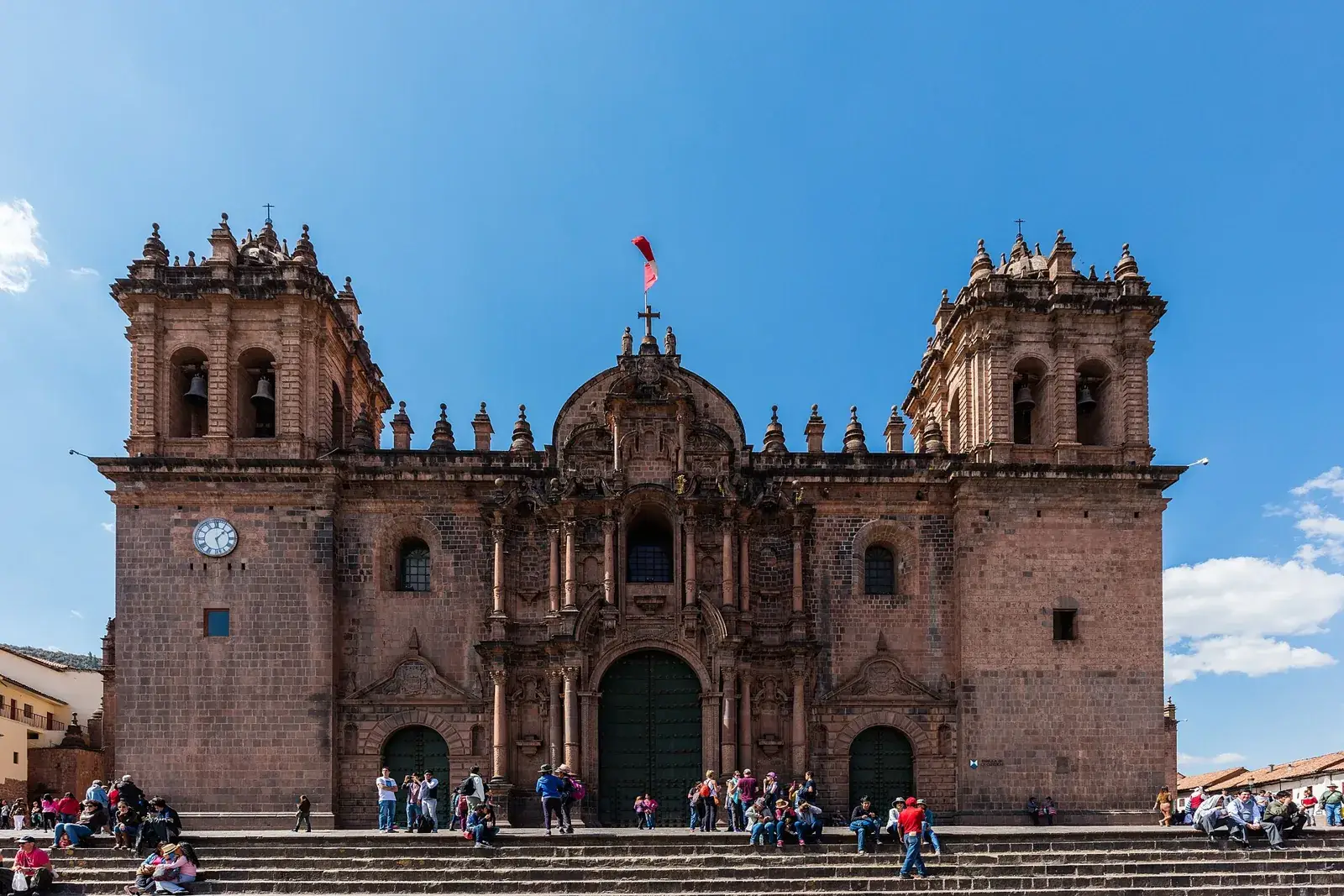
Plan two to three days in Cusco itself, and add a day if you arrive straight from the coast and want to take the altitude slowly. The city sits at about 3,400 m, so the first day is best kept light: a walk around the Plaza de Armas and San Blas, plenty of water, no big meals and no alcohol.
Cusco works as a base for everything in the region: the Sacred Valley, Machu Picchu, Rainbow Mountain and the Inca Trail all start here.
In this section
-
 Destination guide
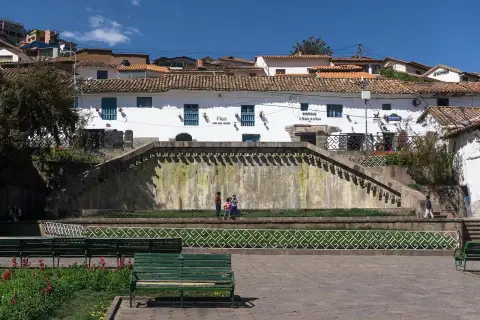
Where to Stay in Cusco
In Cusco the area you choose decides how many steep hills you climb, how well you sleep at 3,400 m and how far you walk after dark.
-
 Destination guide
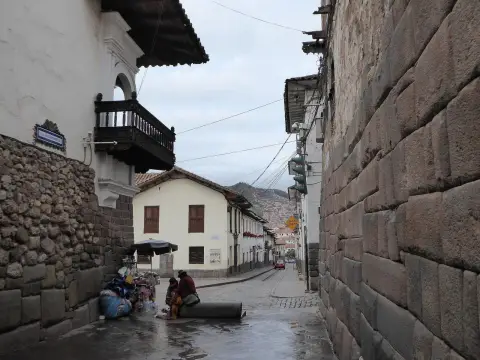
Things to Do in Cusco
A day-by-day way to see Cusco's Inca and colonial heart without overdoing it at altitude.
-
 Destination guide
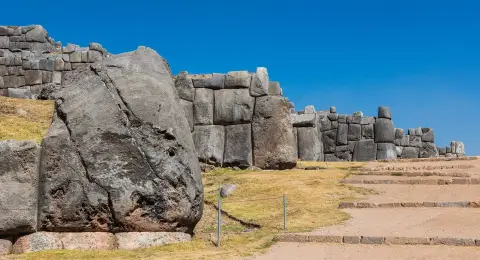
Best Tours from Cusco
A guide to the tour types on offer in Cusco, how long they take and how to judge an operator without relying on a name.
-
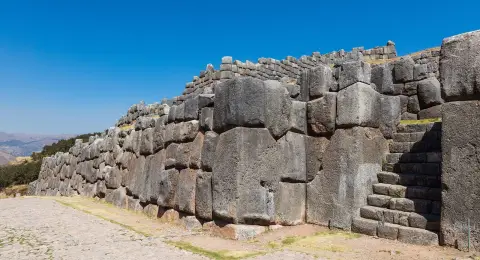 Attraction
Sacsayhuamán
A hilltop complex of colossal stone walls above Cusco, and the best introduction to Inca masonry in the city.
-
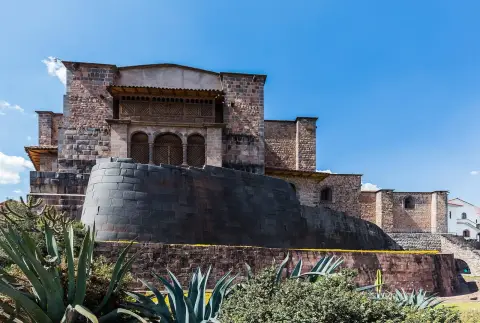 Attraction
Qorikancha
The most important Inca temple in Cusco, where fine masonry supports a colonial convent.
-
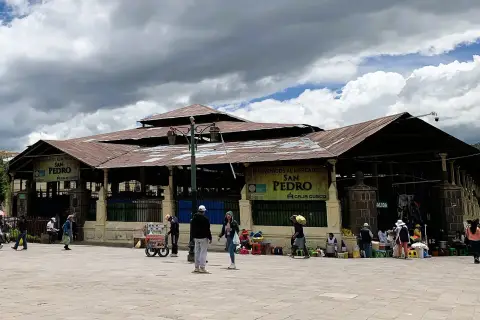 Attraction
San Pedro Market
Cusco's main central market, useful for a cheap lunch, fresh juice and a look at daily life.
-
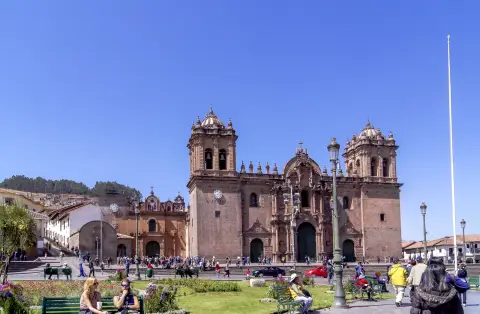 Attraction
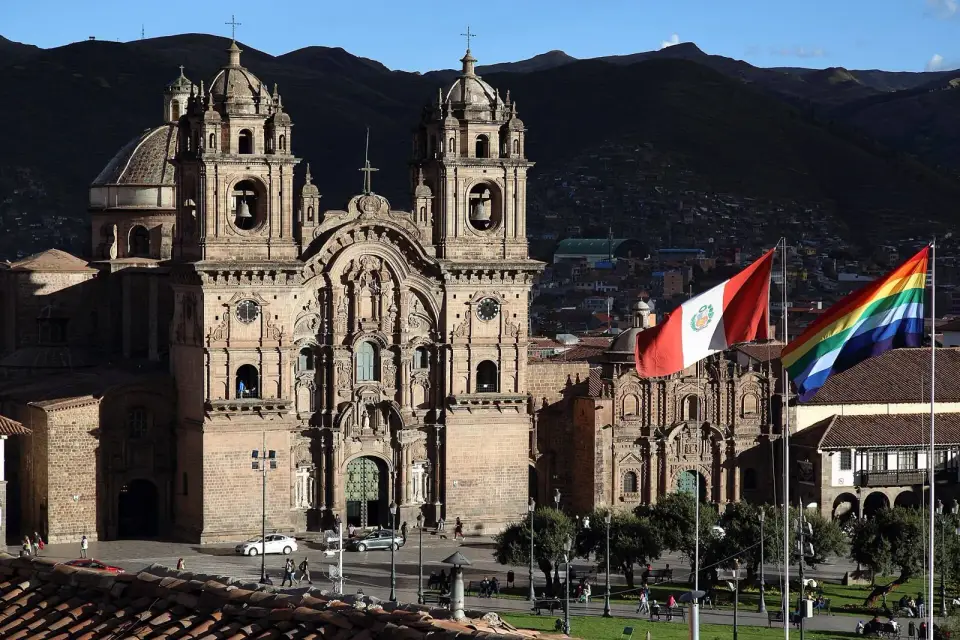
Plaza de Armas Cusco: Cathedral and Sights
The main square of Cusco, an Inca gathering place now framed by a cathedral, a Jesuit church and colonial arcades.
-
 Attraction
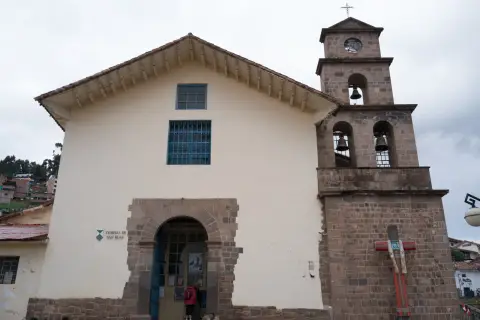
San Blas Cusco: Artisan Quarter Guide
A steep hillside district above the Plaza de Armas, known for workshops, a small church with a carved pulpit and quiet lanes.
-
 Attraction
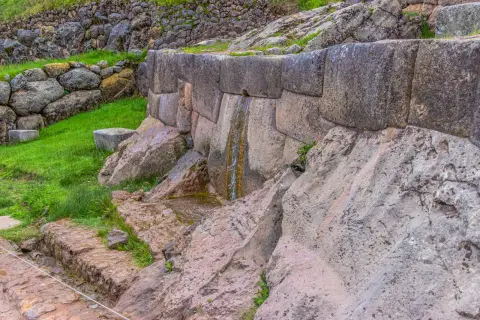
Qenqo, Puka Pukara and Tambomachay Sites
Three small Inca sites on the road above Cusco that combine with Sacsayhuamán into a relaxed half-day.
-
 Attraction
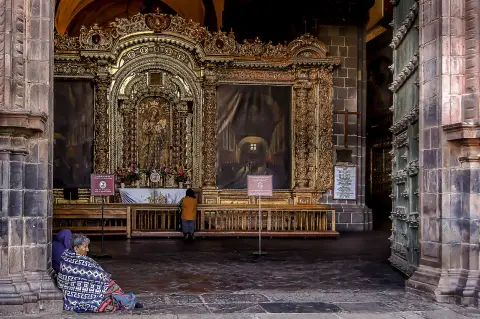
Cusco Cathedral
A colonial basilica on the Plaza de Armas, built over an Inca palace and known for its Cusco School paintings and carved altars.
-
 Attraction
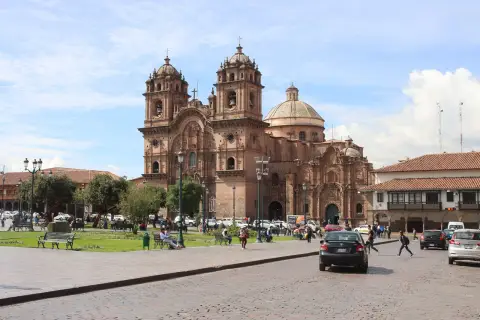
La Compañía de Jesús
The Jesuit baroque church on the Plaza de Armas, built on an Inca palace site and known for its stone facade and enormous gilded altar.
-
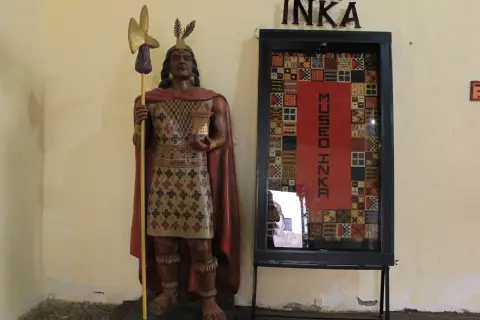 Attraction
Inka Museum
The university's archaeological museum, housed in a colonial mansion near the Plaza de Armas, and the best single place in Cusco to understand Inca and pre-Inca material before you see the ruins.
-
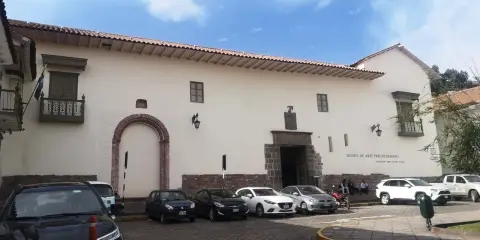 Attraction
Museum of Pre-Columbian Art (MAP)
A small, well-lit museum in a restored mansion near San Blas that shows Larco Museum ceramics, textiles and metalwork from 1250 BC to the Inca.
-
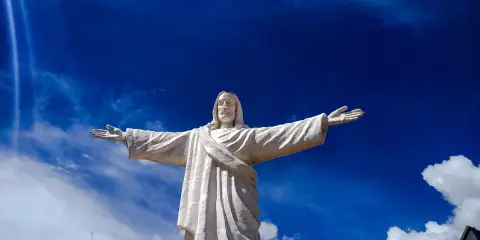 Attraction
Cristo Blanco
A large white statue of Christ on a hill above Cusco, and one of the best free viewpoints over the city.
-
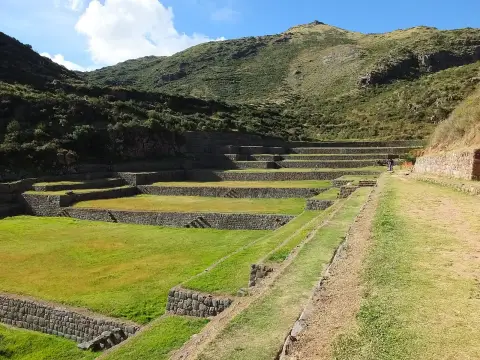 Attraction
Tipón
An Inca estate of stone terraces and working water channels in the South Valley, about 22 km south-east of Cusco.
-
 Attraction
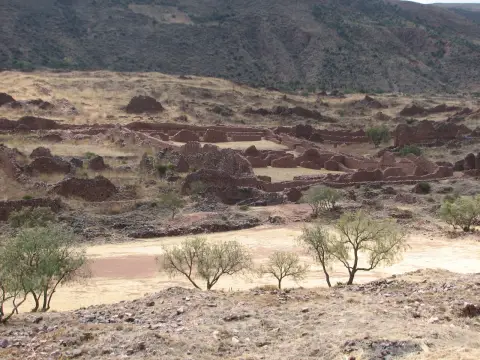
Piquillacta
A large pre-Inca Wari complex of straight walls and niched halls in the South Valley, usually visited with Tipón and Andahuaylillas.
Why Cusco matters
Cusco was the capital of the Inca empire, which the Incas called Tawantinsuyu, and the city still follows the layout they gave it. Many of the streets in the historic centre run between Inca stone walls that the Spanish used as foundations for churches, convents and houses. The mix is what makes the city unusual: Inca masonry at the bottom, colonial arcades and baroque churches above, and a lively modern town around both.
For most travellers Cusco is also the practical hub. The airport has the main flights from Lima (see the Lima to Cusco options for flying against the long bus), the road and rail connections to Machu Picchu run through the Sacred Valley side, and almost every tour operator in the region has an office or a partner here.
The city is also a working place, not a museum. Students, market traders, taxi drivers and office workers share the same narrow streets as the visitors, and the best moments tend to come when you step a few blocks away from the main square and watch the town go about its day.
How many days in Cusco
Two full days cover the essentials for a first visit: one for the historic centre and its museums, one for the ruins on the hills above the city. A third day lets you add the markets, a cooking class or a slower walk through the San Blas neighbourhood.
If you plan to hike, give yourself at least two nights in Cusco or the Sacred Valley before any trek at altitude. Acclimatisation helps far more than fitness does, and a rushed arrival is the most common reason for a spoiled first week. For how to build the days in, see acclimatisation for treks.
Machu Picchu is not a day trip from Cusco in the relaxed sense. It can be done in one long day by train, but it works better with a night in Aguas Calientes or a stay in the Sacred Valley first. Add the day of the visit, a recovery day and the days spent on any trek, and a realistic Cusco-based stay is four to six nights rather than two.
Travellers with a tight schedule should resist the urge to fill every hour. A half-empty afternoon on day two, spent in a café or on a bench in a plaza, is part of what keeps the altitude manageable.
Tours and activities
Bookable online, chosen for their traveller reviews.
-
★ Top rated From €23 per person
-
★ Top rated From €22 per person
-
★ Top rated From €23 per person
-
★ Top rated From €17 per person
Tours and activities
Bookable online, chosen for their traveller reviews.
-
-
-
-
Getting here and getting oriented
Most visitors land at Cusco airport after a short flight from Lima, and the transfer into the centre is brief. Read the notes on Cusco airport before you go, because the arrival is where altitude first hits and where a poorly planned pickup can add stress. Overland arrivals come by long-distance bus from Arequipa, Puno and Lima, usually as night or very long day journeys.
Once in town, the layout is easy to learn. The Plaza de Armas is the centre; San Blas climbs to the north-east, the San Pedro market and the main station area lie to the south-west, and the main Inca sites sit on the hills above. Most of the historic centre can be covered on foot, but the pavements are narrow, the cobbles are uneven and the slopes are steep, so a taxi for the uphill leg is a sensible use of money on the first day.
Keep small notes for taxis and market stalls, carry a copy of your passport, and take taxis from the stands or through an app rather than hailing strangers late at night.
What to see in the city
The Plaza de Armas is the natural starting point, with the cathedral and the Jesuit church of La Compañía facing each other across a square that was once the ceremonial centre of the Inca city. A few steps away, the Qorikancha was the main Inca temple and now carries the convent of Santo Domingo on top of its walls.
Walk uphill to San Blas, the artisans' quarter, for narrow lanes, small workshops and views over the red roofs. On the other side, the San Pedro market is the place for fruit, juices, bread and cheap local lunches, and a good look at everyday life.
On the hills above the town stand Sacsayhuamán and other ruins within reach by taxi or a steep walk. Plan these for the morning, when the light is better and the weather is usually clearer. Many of these sites are covered by the Cusco tourist ticket, so check which sites you want before buying the full version or one of the shorter ones.
For a longer list with suggested orders and timings, see things to do in Cusco, which breaks the city into half-day blocks.
Trips from Cusco
The Sacred Valley is the classic day or multi-day trip, with markets, Inca terraces and the fortress town of Ollantaytambo. Rainbow Mountain and the Humantay lake are demanding early-morning excursions at much higher altitude, and are better left until you have spent a few days acclimatising. The Inca Trail and other multi-day treks require advance booking and, for the classic route, a permit that sells out months ahead.
Day trips with a bus and a guide are easy to arrange in town, but in high season the popular ones fill up, so book the key ones a few days ahead. Tours from Cusco explains what to compare between operators, and what a fair itinerary looks like for each trip.
Do not stack altitude-heavy excursions on consecutive mornings. A pattern that works well is one demanding day followed by a low-key one, with the Sacred Valley as the gentle option in between.
Where to eat and drink
Cusco has a strong food scene for its size, and the region's own ingredients are worth seeking out: Andean potatoes and corn in many varieties, alpaca, trout from the highland streams, and soups that suit the cold. Tourist restaurants around the main square cater to a wide range of tastes, while the side streets and markets show the everyday cooking of the region. For the dishes and how to order them, see what to eat in Cusco.
At altitude, alcohol hits harder and digestion is slower, so keep the first evening light. Coca tea is widely offered in hotels and cafés and is a traditional help against mild altitude symptoms, though it is not a cure for real altitude sickness.
Take the usual care with tap water, ice and street food, as explained in the water and food safety, and keep a small supply of bottled water with you when walking the hills.
When to go
The dry season runs roughly from May to September: clear days, cold nights and the busiest months. The rainy season is roughly from November to March, with greener landscapes, fewer people and a higher chance of rain-related delays on mountain roads and trails. The shoulder months of April and October can offer a good balance. June brings the Inti Raymi festival, which makes accommodation harder to find and more expensive.
The weather differs from the coast in every respect, so do not judge Cusco by Lima. A bright morning can turn to a cold, wet afternoon within an hour, and the sun at this altitude is strong even on cool days. Pack sun protection and a waterproof layer whatever the month. The dry season and the rainy season go into month-by-month detail, and the festivals and holidays calendar shows which dates to plan around.
Choosing between Cusco and other bases
Many travellers wonder whether to base themselves in the city or in the valley below. Cusco gives you the widest choice of restaurants, tour offices and transport, and puts the city's heritage on the doorstep. The valley is quieter, lower and greener, and suits people who want to sleep better or who plan to see Machu Picchu early. The comparison of the Sacred Valley or Cusco as a base weighs the two for different trip styles.
If you are choosing between southern cities rather than bases, the comparison of Cusco versus Arequipa looks at what each offers, and where to stay in Cusco explains the neighbourhoods. For the physical side of a stay at this height, sleeping at 3,400 m is frank about what to expect.
Map
Where to sleep
-
Find hotels
Plaza de Armas and historic centre
Everything on foot, at the price of noise and crowds
-
Find hotels
San Blas
Artisans' quarter with steep lanes and views, a short walk uphill
-
Find hotels
All of Cusco
Compare every area and price level in one search
Weather in Cusco
Forecast: MET Norway
Frequently asked questions
Is Cusco worth visiting if I only want Machu Picchu?
Yes. Cusco is where the transport, tours and acclimatisation happen, and the city itself has some of the best Inca and colonial heritage in Peru. Most itineraries put at least two nights here.
How cold does Cusco get?
Days can be mild and sunny, but nights are cold all year, and in the dry season they can drop to around freezing. Bring layers even if the day looks warm.
Can I walk around Cusco on the first day?
Yes, at a slow pace. The centre is compact, but the streets are steep and the air is thin, so take breaks and leave the hills for the second day.
Should I sleep in Cusco or in the Sacred Valley first?
The Sacred Valley is about 500 to 600 m lower, which many travellers find easier. If you arrive by air from Lima, going straight to the valley and visiting Cusco later is a common way to ease in.
Is Cusco safe for tourists?
The centre is generally comfortable by day, with petty theft the main concern, especially in crowded markets and on buses. At night use registered taxis, keep phones out of sight on the street and avoid empty side lanes. See safety for more advice.
Do I need cash in Cusco?
Cards work in many hotels and larger restaurants, but markets, small cafés, taxis and entrance fees at some sites need cash in soles. Withdraw at ATMs inside banks or shopping areas and keep small notes handy.
Can I visit Cusco with children?
Yes, though altitude affects children too and they may not say when they feel unwell. Plan slow first days, keep them hydrated and ask a paediatrician or travel clinic before the trip.
What should I book before arriving?
Book Machu Picchu entry and train tickets first, since they sell out, and any multi-day trek such as the Inca Trail. Hotels in June and July, and for Inti Raymi, also go early. Day tours and restaurants can usually wait until you arrive.