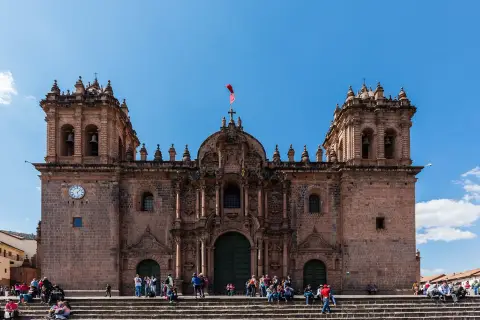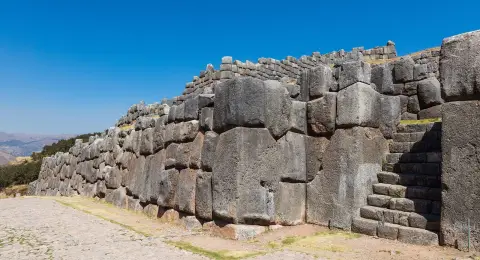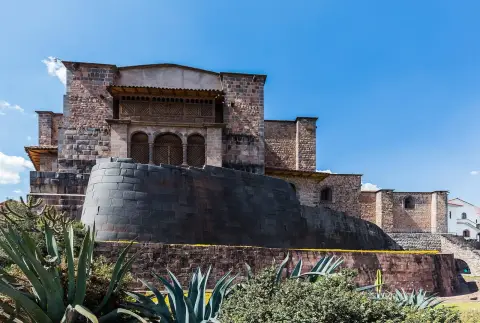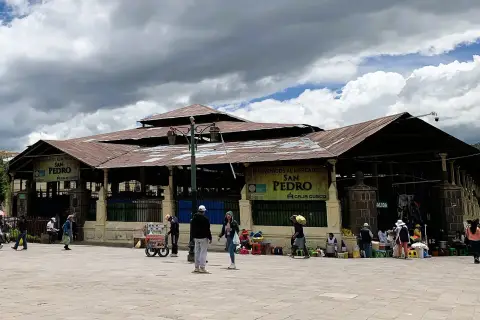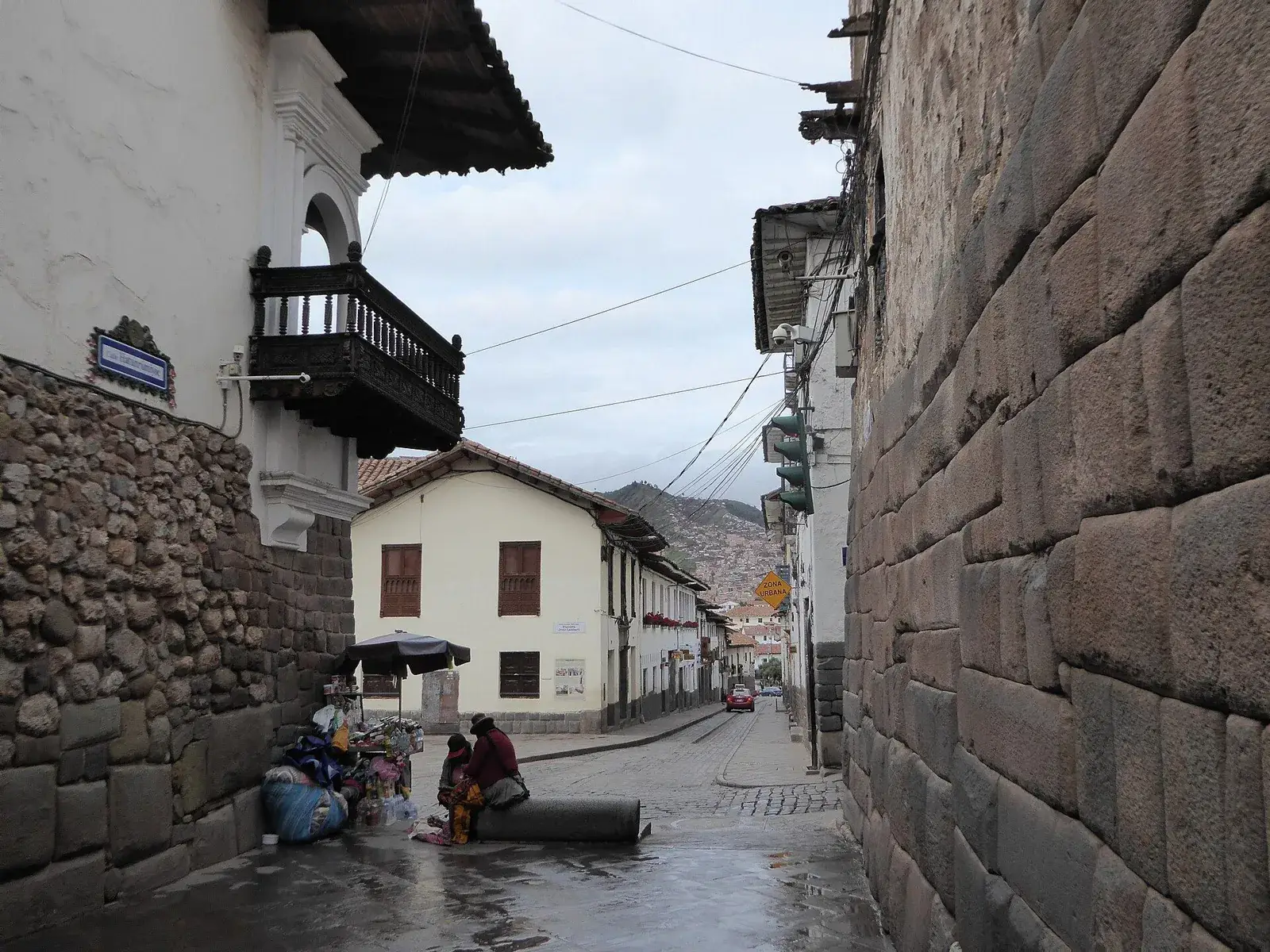
The best things to do in Cusco are the Plaza de Armas and cathedral, the Qorikancha temple, a wander through San Blas, the San Pedro market and the ruins on the hills above town, led by Sacsayhuamán. Allow two days for these, and take the first one slowly because of the altitude.
Everything in the centre is walkable, but the hills are steep, so pace yourself and use taxis for the ruins.
A gentle first day: the centre
Start at the Plaza de Armas, where the cathedral and La Compañía church face each other across the square. Inside the cathedral the paintings of the Cusco School mix European technique with Andean details, and they are worth a slow look. From there it is a short walk down to the Qorikancha, the former Inca temple whose finely cut walls support a colonial convent. The contrast between the two stonework styles is the clearest lesson in the city's history.
In the afternoon, climb the lanes to San Blas, stopping often. Small workshops, a little square and some of the best views over the roofs make it a good place to end the day. Take a taxi back down if your legs are tired.
If you arrive in the morning and feel fine, resist the temptation to add a second activity. Symptoms of altitude often arrive in the evening, and a relaxed first day is the cheapest insurance against a spoiled second one.
A second day: the hills above the city
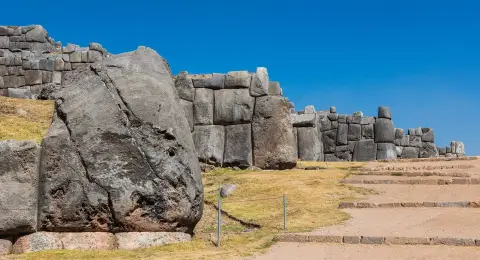
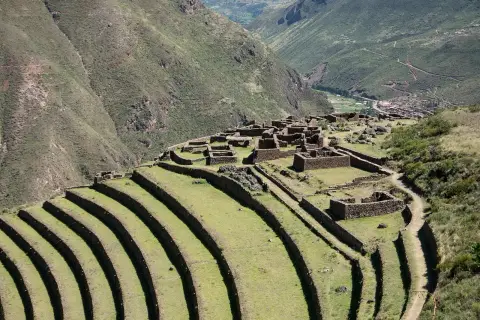
The ruins above Cusco are best seen in the morning, when the sky is clearer and the heat is gentler. Sacsayhuamán, with its huge zigzag walls, is the main one and sits on the hill to the north. Nearby you can visit smaller sites such as Q'enqo, Puka Pukara and Tambomachay, which together are often treated as a half-day circuit by taxi.
Many of these sites are covered by the Cusco tourist ticket, which has a full version and shorter ones, so decide before buying how many sites you really want to see.
Carry water, sun protection and a layer, since the hilltop sites are exposed and the weather shifts quickly. If you would rather have the stonework and the layout explained, a guide at the ruins is the one place on a Cusco tour where the fee clearly pays for itself.
Tours and activities
Bookable online, chosen for their traveller reviews.
-
★ Top rated From €23 per person
-
★ Top rated From €22 per person
-
★ Top rated From €23 per person
-
★ Top rated From €17 per person
Markets, food and slow time
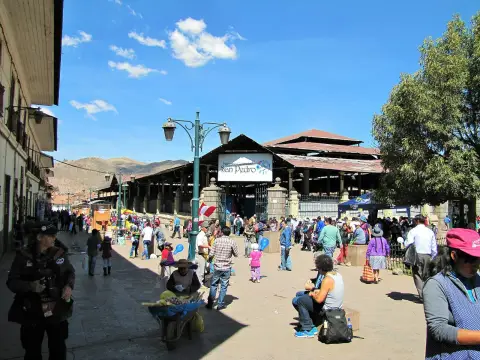
The San Pedro market is the best place to see everyday Cusco: stalls of fruit, cheeses, breads and herbal remedies, juice sellers and counters serving set lunches. Go with small change, keep your bag in front of you, and be selective about where you eat.
Cusco is also a good city for a cooking class, a chocolate workshop or an afternoon in a café with a book, all of which are gentle on the lungs. Evenings around the plaza are lively, but the cold arrives quickly after sunset, so carry a warm layer.
For ideas on what to order, see what to eat in Cusco for the regional dishes, from soups to roast meats, and how to approach the more unusual ones. Take care with salads and ice in the first days, when your stomach is also adjusting to the height.
Museums and quieter corners
If the weather turns, Cusco has several small museums, among them collections of religious art, pre-Columbian pieces and textiles. They are modest in scale but give useful context for the ruins you will see outside town. The district of San Cristóbal, with its small church and a viewpoint, makes a short, less crowded walk. Most museums close one day a week and keep varied hours.
With a third day you can also take a half-day trip to nearby sites outside the centre, or begin to explore the Sacred Valley.
Rainy afternoons in the wet season are a good time for museums and long lunches, since showers often clear by the evening. See rainy season to understand what weather to expect through the year.
Trips that start in the city
Beyond the town itself, the region offers some of Peru's best excursions. The Sacred Valley works as an easy day out or the start of a longer trip, with terraces, markets and the fortress town of Ollantaytambo. More demanding options include Rainbow Mountain and the Humantay lake, both of which should come after you have acclimatised.
Do not let the pull of Machu Picchu push you into a rushed schedule. Planning Machu Picchu means fitting tickets and trains together while leaving enough room in the plan for the city itself. Cusco rewards time spent wandering without a fixed list, particularly in the early evening when the stone walls take on a warm colour and the streets fill with locals heading home.
Planning the days
A simple three-day pattern works for most people. Day one covers the plaza, cathedral, Qorikancha and San Blas at a slow pace. Day two is for the hill ruins in the morning and the market or a class in the afternoon. Day three is flexible: a museum, a slow walk, or a half-day outing to the valley.
If you plan to trek afterwards, spend at least two nights here first and keep the evenings light. If you are short of time, combine the centre and the hill ruins in one long day, but accept that you will be tired. See acclimatisation for treks to understand why a slower start pays off later.
Frequently asked questions
How many days do I need in Cusco?
Two full days cover the main sights, and three give time to rest, shop and add a half-day excursion. Add one more if you are acclimatising before a trek.
Can I walk up to Sacsayhuamán?
Yes, it is a steep walk of roughly half an hour or more from the plaza depending on your pace. Many visitors take a taxi up and walk down.
Is the Cusco tourist ticket worth buying?
It depends on how many of the covered sites you plan to see. If you want only Sacsayhuamán and one or two more, a shorter version or separate entries may be cheaper.
What is there to do in Cusco in the evening?
Walk around the lit plaza, eat at a restaurant in the centre, or try a show or a bar in the San Blas lanes. Keep evenings light on the first nights, and dress warmly because it gets cold quickly.
Is Cusco good for a rainy day?
Yes. Museums, churches, cooking classes and cafés fill the time, and showers often pass within a few hours. Carry a waterproof layer because cobbled streets get slippery.
Should I take a guide in the city?
A guide is most useful at the ruins and in the cathedral, where context matters. The streets, markets and plaza are easy to enjoy alone. See tours to understand how to choose.
Is Cusco suitable for older travellers?
Many older travellers enjoy it, with a slow pace, a flat base near the plaza and taxis for the hills. Anyone with heart or lung conditions should speak to a doctor first.