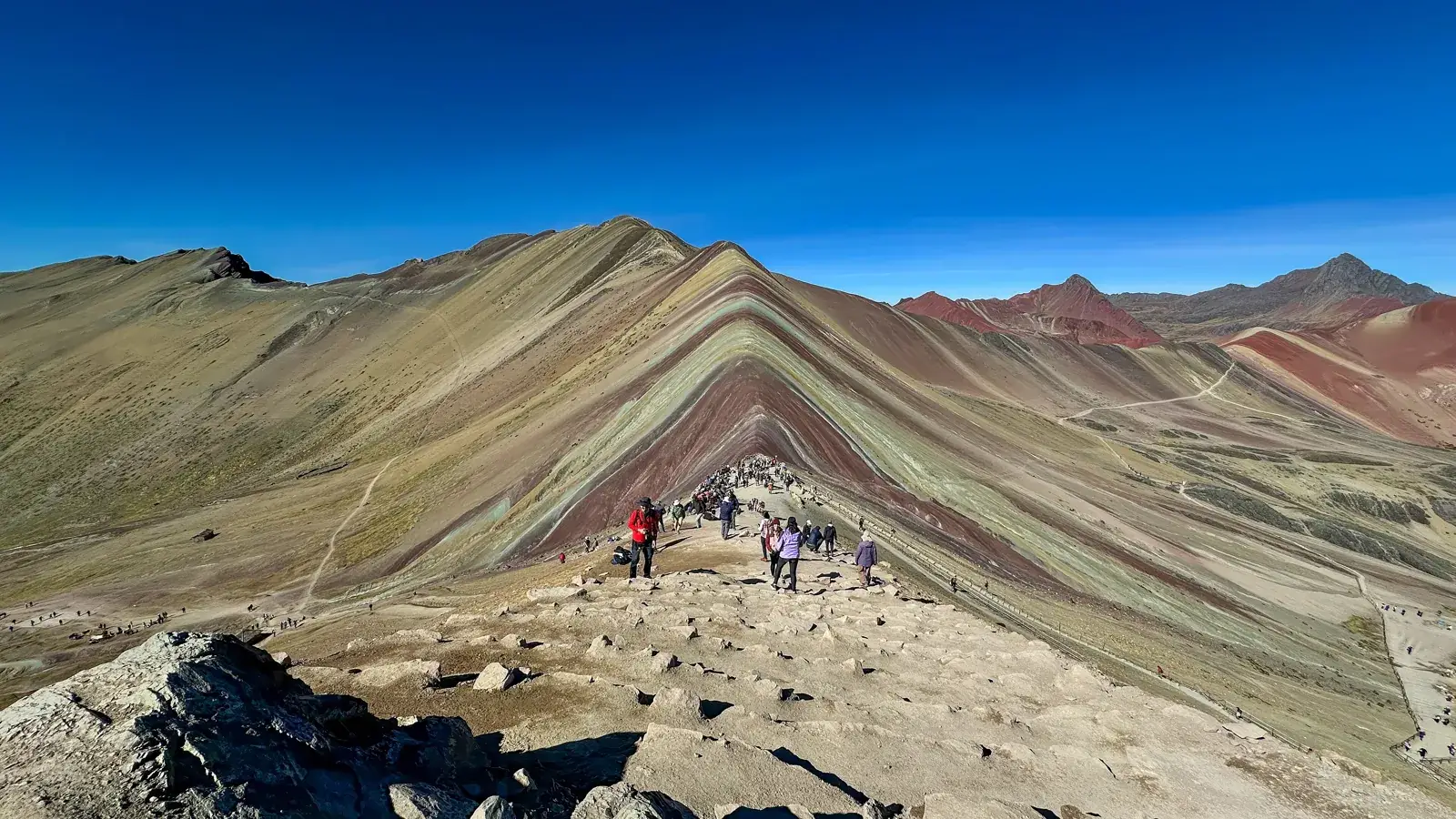
Most first trips to Peru combine Lima, Cusco and the Sacred Valley with Machu Picchu, then add either Arequipa and Lake Titicaca or an Amazon lodge. Everything else on this list is worth it when you have more time, a specific interest such as trekking or archaeology, or a wish to avoid the busiest circuit.
Map
In this section
-
 Destination
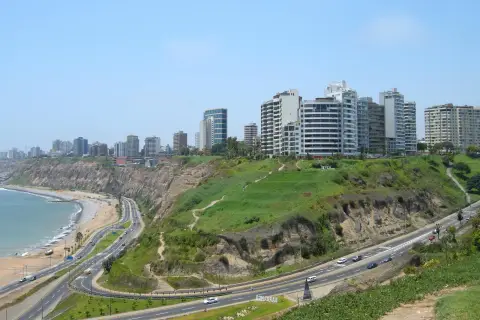
Lima Guide
Peru's capital is a desert city on a cliff above the Pacific, and the best place in the country to eat.
-
 Destination
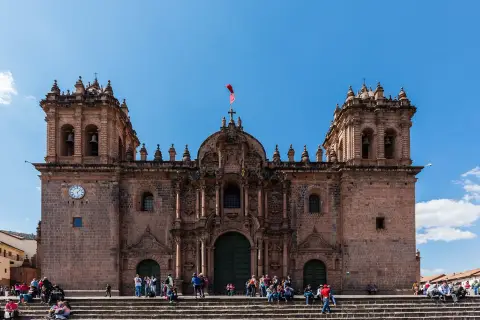
Cusco Guide
The old Inca capital is the gateway to Machu Picchu and the Sacred Valley, and a city worth two or three days of its own.
-
 Destination
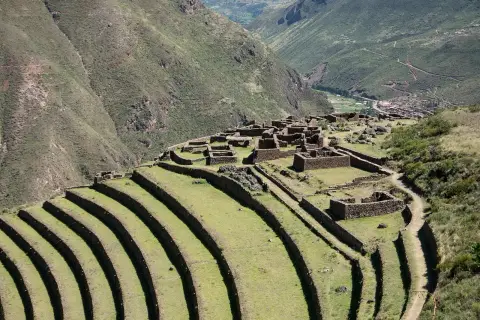
Sacred Valley Guide
A long Andean valley of Inca terraces, markets and fortress towns that is lower and gentler than Cusco.
-
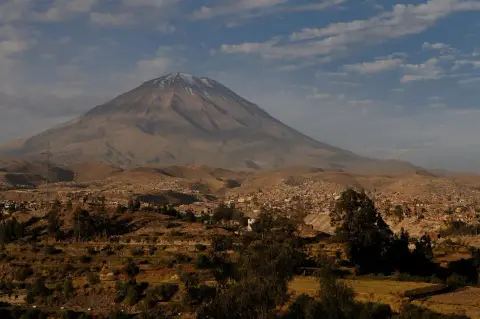 Destination
Arequipa Guide
A colonial city of pale volcanic stone under the cone of El Misti, with the best regional food in southern Peru.
-
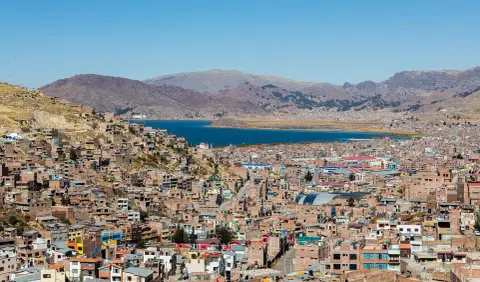 Destination
Puno Guide
The highland port on Lake Titicaca is a practical base for the lake, the floating islands and the burial towers of Sillustani.
-
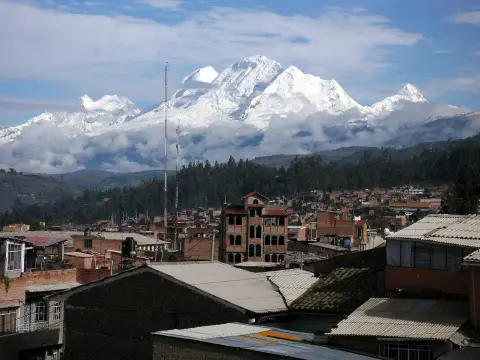 Destination
Huaraz Guide
A busy mountain town at about 3,000 m that exists to serve the hikers, climbers and day-trippers heading for the Cordillera Blanca.
-
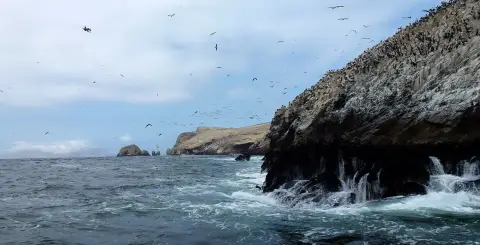 Destination
Paracas Guide
A small bay town on the Pacific where a boat trip to sea-lion islands and a stark desert reserve fit into one easy stop.
-
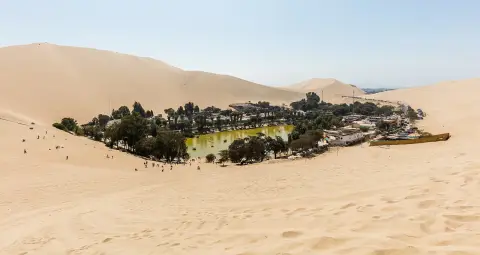 Destination
Ica and Huacachina Guide
A tiny lagoon ringed by enormous sand dunes, a few minutes from a large agricultural city famous for its vineyards.
-
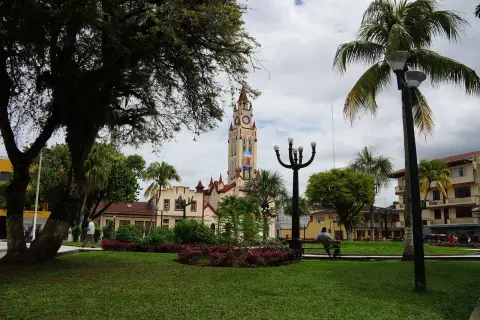 Destination
Iquitos Guide
A large Amazon port reachable only by plane or river, used as a base for lodges and the Pacaya-Samiria reserve.
-
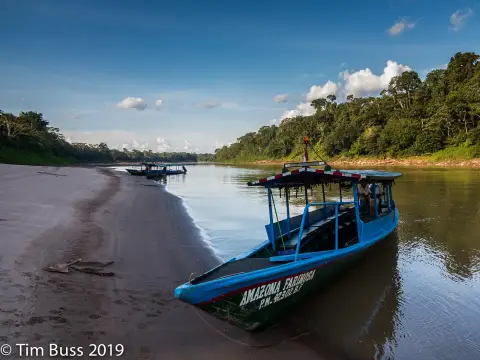 Destination
Puerto Maldonado Guide
A river town in the lowland jungle whose main job is to send visitors on to the lodges of the Tambopata reserve.
-
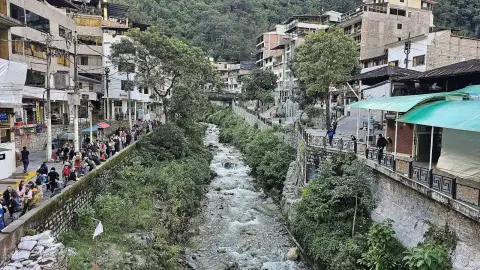 Destination
Aguas Calientes Guide
A narrow, steep railway town in a river gorge, whose only purpose is to put you at the gate of Machu Picchu.
-
 Destination
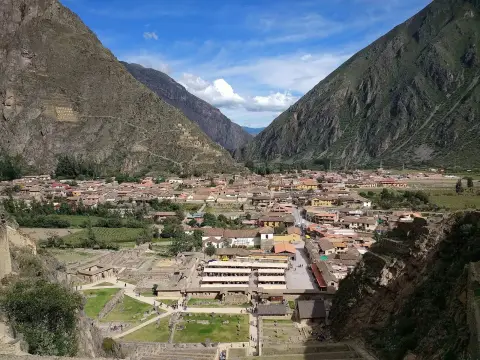
Ollantaytambo Guide
A living Inca town at the head of the Sacred Valley, with a fortress above it and the train to Machu Picchu below.
-
 Destination
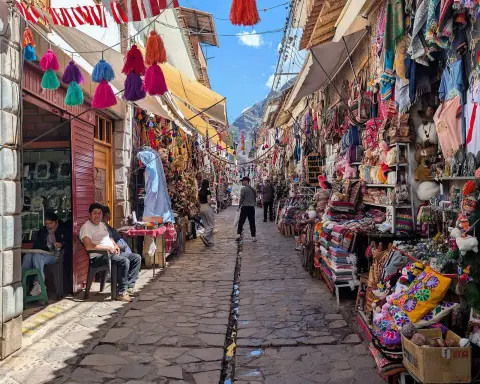
Pisac Guide
The first major stop in the Sacred Valley, with a craft market in the square and a terraced citadel on the mountain.
-
 Destination
Colca Canyon Guide
One of the deepest canyons in the world, with terraced villages, hot springs and condors riding the morning air.
-
 Destination
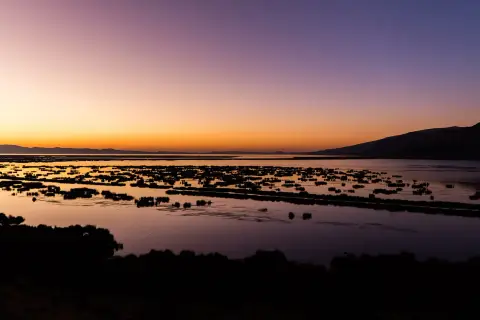
Lake Titicaca Guide
The highest large navigable lake in the world, shared with Bolivia, with island communities that have lived from it for centuries.
-
 Destination
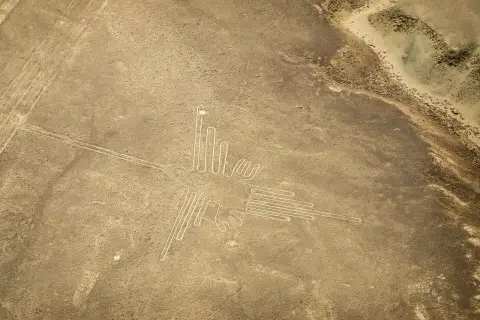
Nazca Guide
A dusty desert town whose fame rests on enormous drawings scratched into the plain thousands of years ago.
-
 Destination
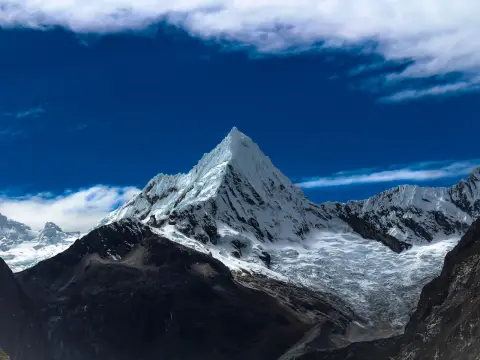
Cordillera Blanca Guide
A 180 km-long range of snow peaks above Huaraz, with lake hikes, treks and a national park.
-
 Destination
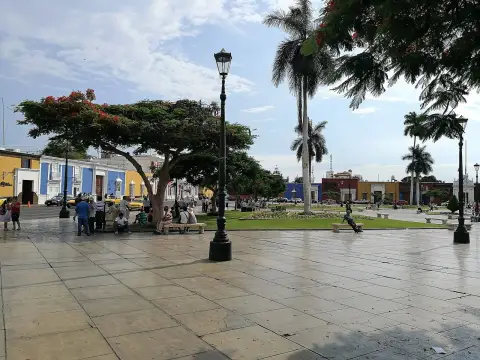
Trujillo Guide
A colonial city on the north coast with the largest adobe city in the Americas and Moche temples within easy reach.
-
 Destination
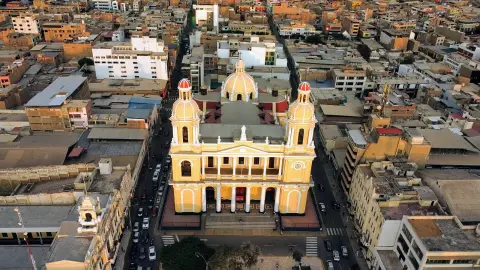
Chiclayo Guide
A busy commercial city whose museums and nearby pyramids hold some of the richest finds in South American archaeology.
-
 Destination
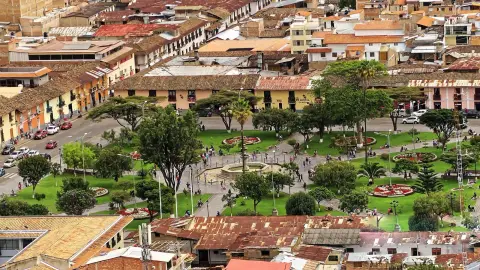
Cajamarca Guide
A highland colonial town in the northern Andes, tied to the capture of the last free Inca ruler in 1532.
-
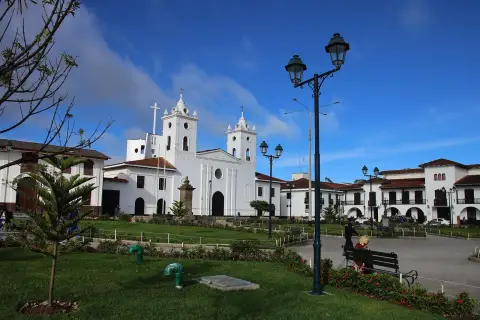 Destination
Chachapoyas Guide
A quiet highland town used as the base for a fortress in the clouds, one of the tallest waterfalls in the world and little-visited ruins.
-
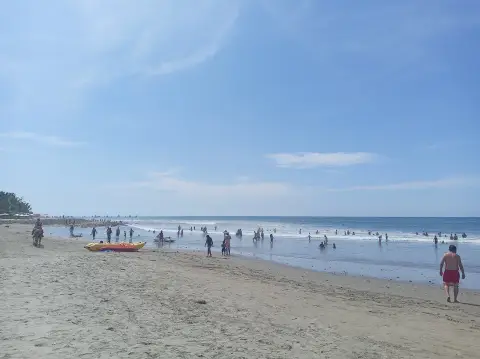 Destination
Máncora Guide
The main beach resort of the Peruvian coast, a strip of sand, surf and bars that sits in a different climate from the rest of the country.
-
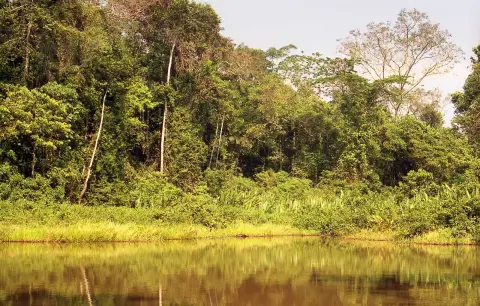 Destination
Tambopata Reserve Guide
A protected lowland rainforest reached by a short flight and a boat ride, home to macaw clay licks, caimans and giant otters.
-
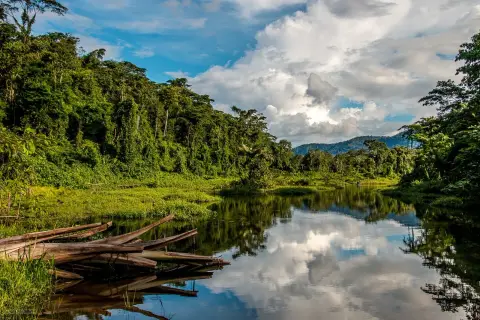 Destination
Manu National Park Guide
A vast biosphere reserve stretching from high Andean grassland to lowland rainforest, with very restricted access.
-
 Destination
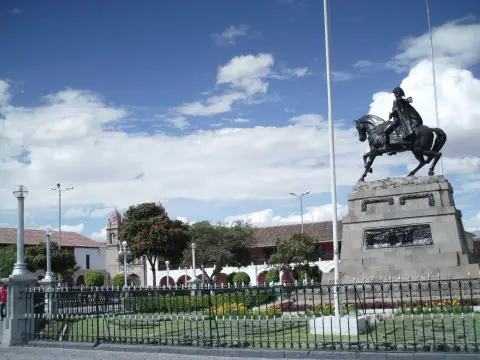
Ayacucho Guide
A highland colonial city with dozens of churches, a famous Easter week and a place in the story of South American independence.
-
 Destination
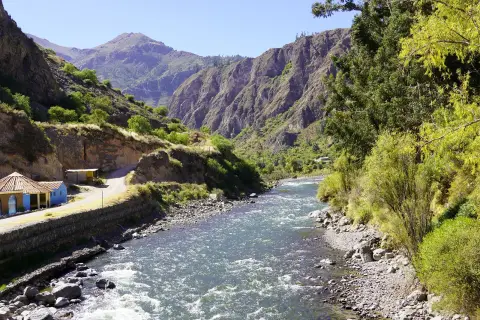
Cotahuasi Canyon Guide
A very deep, rarely visited canyon in the Arequipa region, reached by a long road journey and best for travellers who want remoteness.
How the country is organised
Peru is easiest to understand as three strips running north to south: a dry coast, the Andes in the middle and the Amazon basin to the east. Distances are large and roads climb and drop sharply, so a place that looks close on the map can mean a long day. Choose destinations by region and fly between regions rather than trying to cover everything overland; see flying in Peru to understand where flights save the most time.
Lima is where almost every international flight lands. From there the country opens up in four directions: south along the coast to Paracas and Ica, up into the southern Andes towards Arequipa, Cusco and Puno, north to the archaeological coast around Trujillo and Chiclayo, and into the highlands of Huaraz.
The southern Andes: the classic circuit
This is where most visitors spend most of their time. Cusco is the old Inca capital and the practical base for the region, and the Sacred Valley below it holds the markets of Pisac, the fortress town of Ollantaytambo and the road to Aguas Calientes, the village at the foot of Machu Picchu. Arequipa, a colonial city of pale volcanic stone beneath a perfect cone of a volcano, makes a good contrast and a gentler altitude, and the Colca Canyon is a long day or two away. Puno and Lake Titicaca complete the loop towards Bolivia.
Everything here is high. Cusco and Puno are above 3,000 m, so the order of your stops matters; see altitude sickness before fixing an itinerary.
The coast and the desert south of Lima
Lima has the best restaurants in the country, a surprisingly good set of museums and a long stretch of cliff-top walking in Miraflores and Barranco. South of it, Paracas offers the Ballestas Islands and a desert national reserve, Ica and Huacachina bring dunes and pisco vineyards, and Nazca is the base for the famous Nazca lines. These stops fit into two or three days by bus and suit travellers who want wildlife and landscape without altitude.
The trade-off is that the coast is mostly desert. The scenery is dramatic but dry and brown, and the sea fog that settles over the coast in winter can flatten views. Treat this strip as a short, easy add-on rather than the centre of a trip, unless wildlife or archaeology is your main interest.
The north: fewer visitors, deep history
The north coast was home to the Moche and Chimú, and the sites around Trujillo and Chiclayo are among the most important archaeological finds in South America. Further inland, Cajamarca and Chachapoyas offer cloud-forest fortresses, waterfalls and some of the least crowded towns in the country. Máncora, on the far northern coast, is the beach stop.
The north rewards travellers who have already done the south or who have a particular interest in pre-Inca cultures. It is also where distances bite hardest: the highland towns are reached by long road journeys, so a northern loop needs more days than its map suggests.
The mountains and the jungle
Huaraz and the Cordillera Blanca are the capital of Peruvian trekking, with the highest tropical peaks in the world. In the Amazon, the choice is between the lodges of Tambopata near Puerto Maldonado, the remote Manu reserve and the river city of Iquitos. Each gives a very different experience, and where to go in the Amazon helps you choose.
The Amazon needs a medical conversation before you book, so speak to a doctor or travel clinic early. Mountain towns need time to acclimatise before any serious walking.
The central highlands and the quieter south
Between the coast and the main southern circuit lie places that most itineraries skip. Ayacucho, a colonial city famous for its churches and its Holy Week processions, sits in the central Andes and suits travellers who want a town with few foreign visitors. Cajamarca, further north, mixes colonial streets with a deep Inca and pre-Inca history.
These towns need more time than a quick stop and usually involve long journeys, either by overnight bus or by a short flight. They are best added when you already have the main circuit in mind and want a second, calmer chapter, or when you are returning to Peru and want something less familiar.
Choosing a shortlist
With one week, stay in Lima, Cusco and the Sacred Valley and do not add more. With two weeks, add Arequipa and the Colca Canyon, or Puno, or one jungle lodge. With three weeks, you can include a trekking region such as Huaraz or a slice of the north. Every extra city costs roughly a day of travel time, which is why it is better to see fewer places well than to cover a long list.
If you are still deciding how long you need, how many days to spend in Peru lays out realistic lengths, and the itineraries show complete routes you can adapt. Check seasons too: the dry and rainy months differ by region, covered in when to go.
Frequently asked questions
Which are the must-see destinations in Peru?
Cusco, the Sacred Valley and Machu Picchu are the core of most trips. Lima, Arequipa and Lake Titicaca are the usual additions, and an Amazon lodge is the most popular change of scene. Beyond these, choose by interest: trekking points to Huaraz, archaeology to the north.
Can I visit the north and the south in one trip?
Yes, but it takes time. The two regions are far apart, so you would fly via Lima. It suits trips of three weeks or more, and the northern itinerary shows how the north fits together.
Do I need to fly between destinations?
Often it saves a lot of time, especially between Lima and the Andes. Long-distance buses are an option on shorter hops and for those who prefer the overland route, as buses in Peru explains.
Which destinations avoid altitude?
The coast, including Lima, Paracas, Ica, Trujillo and Máncora, is at or near sea level, as is the Amazon lowland. Everything in the Andes is high, so keep those stops for after you have acclimatised.
Which places are best for a second trip to Peru?
The north coast, Chachapoyas, Ayacucho and the trekking regions around Huaraz are the usual choices, because they are quieter and less covered by standard itineraries. Manu also suits repeat visitors who want a remote wildlife experience.