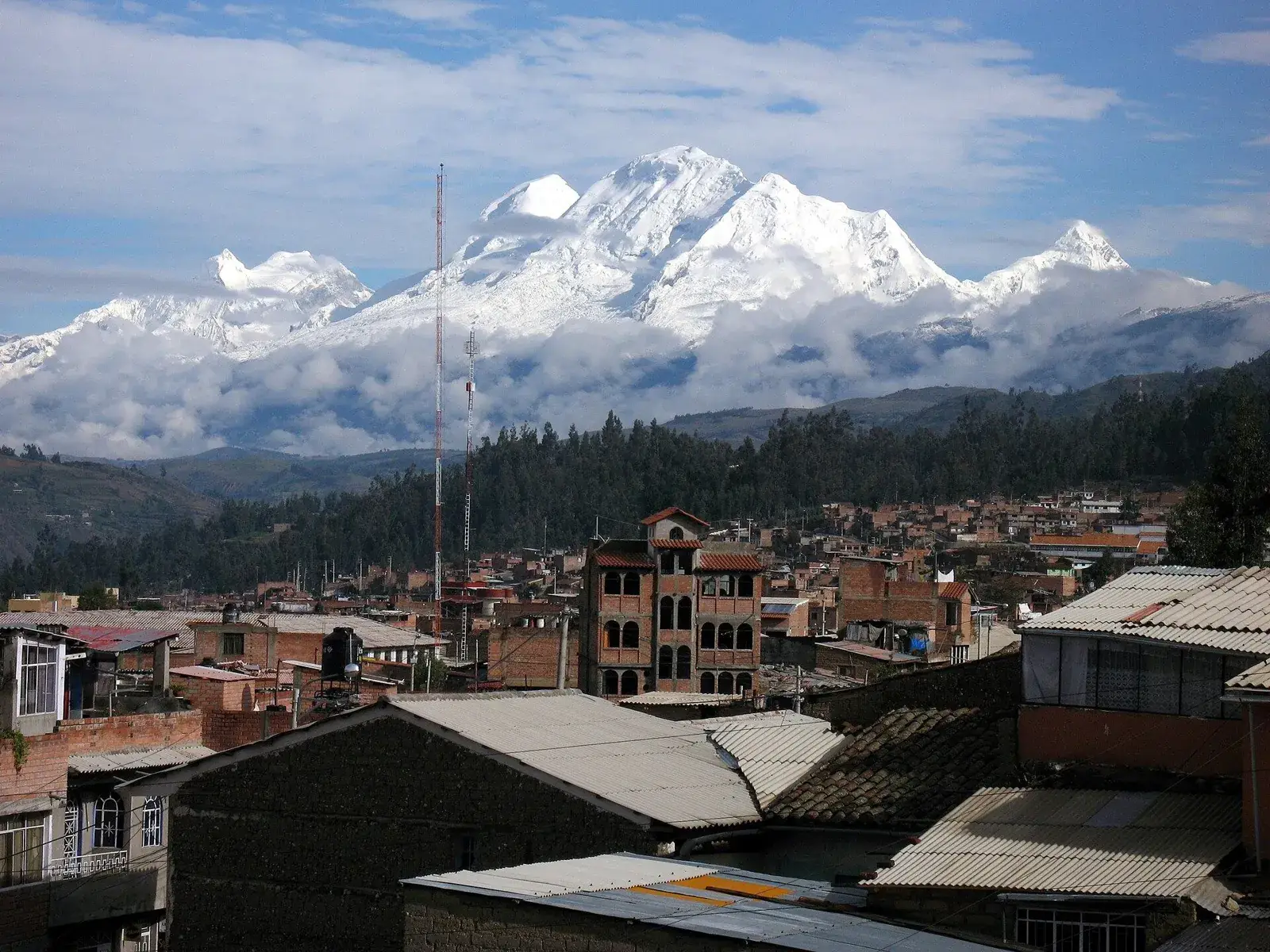
Plan at least four nights in Huaraz if you want to hike, because the first two should be spent acclimatising before any serious trek. The town is a lively mountain base with the Cordillera Blanca on its doorstep, and everything you need for lagoons, glaciers and multi-day routes is close at hand.
In this section
-
 Destination guide
Where to Stay in Huaraz
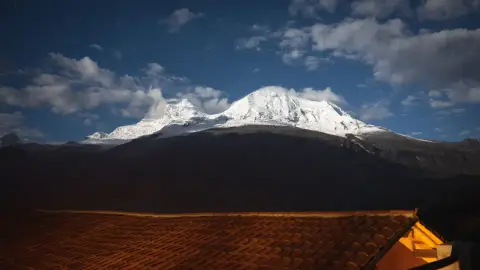
Huaraz is a trekking base at 3,000 m, and the best place to sleep depends on how much you plan to climb.
-
 Destination guide
Things to Do in Huaraz
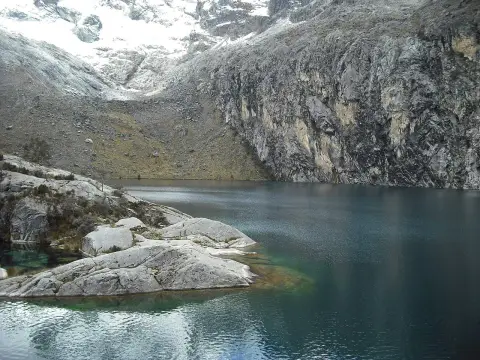
Huaraz is a gateway to snow peaks and turquoise lakes, with enough day trips to fill a week without a multi-day trek.
-
 Attraction
Huaraz Central Market
Huaraz's main covered market, useful for fresh food, a cheap local lunch and stocking up before a trek.
-
 Attraction
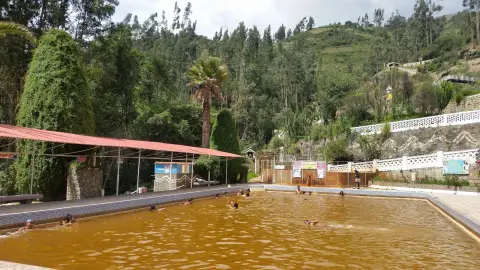
Monterrey Hot Springs
Iron-rich thermal pools a short ride north of Huaraz, a gentle way to rest after hiking at altitude.
-
 Attraction
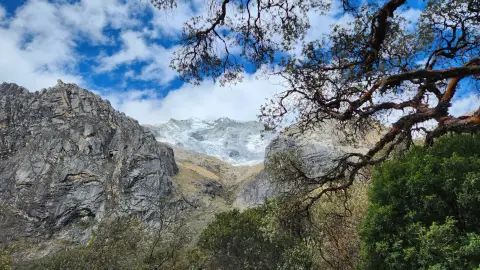
Huascarán National Park
A protected area of glaciers, glacial lakes and high valleys that covers most of the Cordillera Blanca above Huaraz.
-
 Attraction
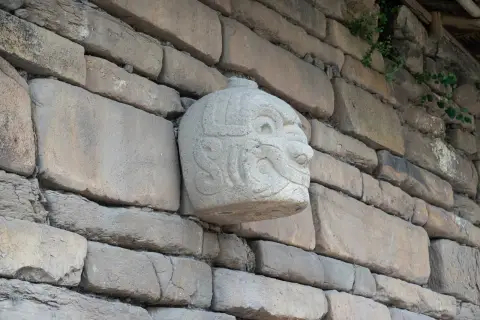
Chavín de Huántar
A UNESCO-listed ceremonial centre of the Chavín culture, with stone galleries and carved heads, reached on a long day trip from Huaraz.
-
 Attraction
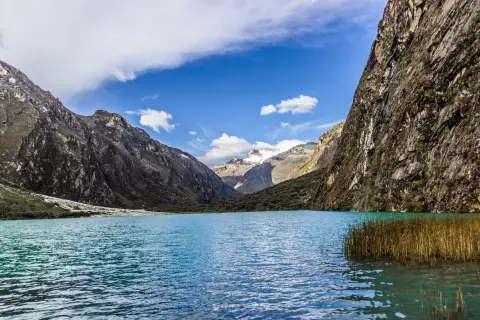
Llanganuco Lakes
Two turquoise lakes at about 3,850 m beneath Huascarán, reached by a day trip from Huaraz through Yungay.
-
 Attraction
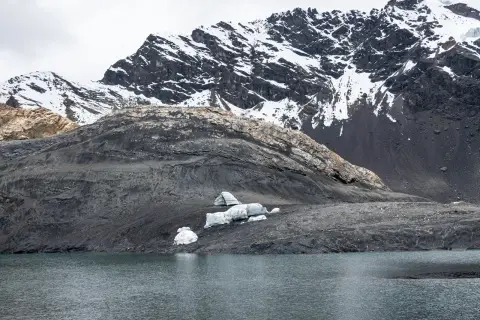
Pastoruri Glacier
A shrinking glacier at the end of a high plateau above Huaraz, visited as a day trip for its ice front, its giant Andean plants and a view of climate change.
-
 Attraction
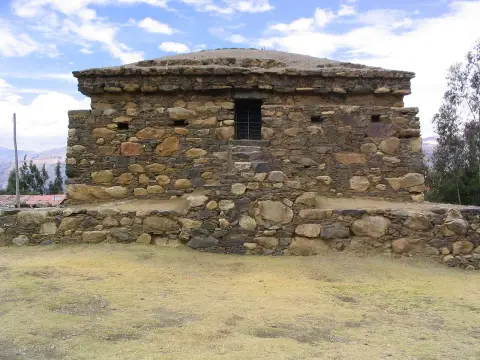
Wilcahuaín
A three-level stone building of the Wari period on a hillside about 7 km from Huaraz, an easy half-day outing at around 3,400 m.
-
 Attraction
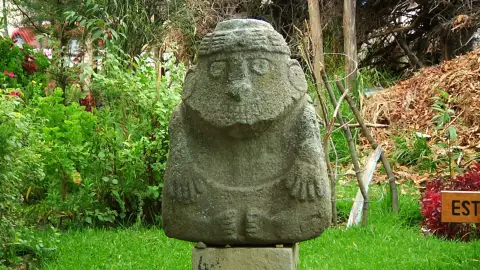
Áncash Archaeological Museum
The city's main archaeological museum, a short walk from the Plaza de Armas, famous for its garden of carved stone monoliths.
-
 Attraction
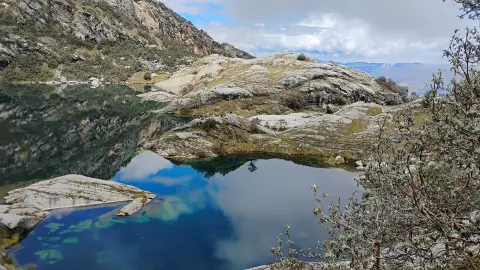
Laguna Churup
A glacial lake at about 4,450 m in Huascarán National Park, reached by a short, steep climb from Pitec and a favourite for acclimatising.
-
 Attraction
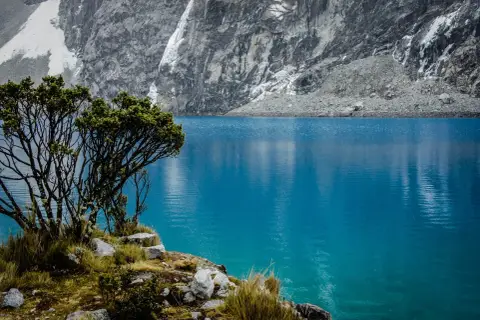
Laguna 69
A small turquoise glacial lake at about 4,600 m in Huascarán National Park, reached only on foot and best seen after acclimatising in Huaraz.
-
 Attraction
Laguna Parón
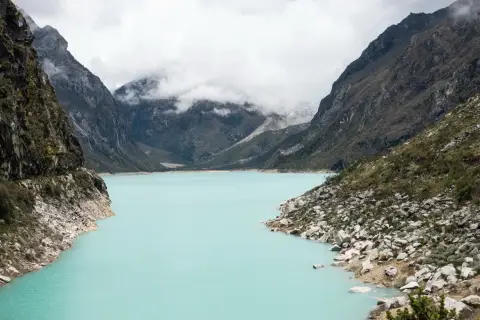
The largest lake of the Cordillera Blanca, a turquoise sheet of water at about 4,185 m under the Pirámide de Garcilaso, reached by a long mountain road from Caraz.
What Huaraz is
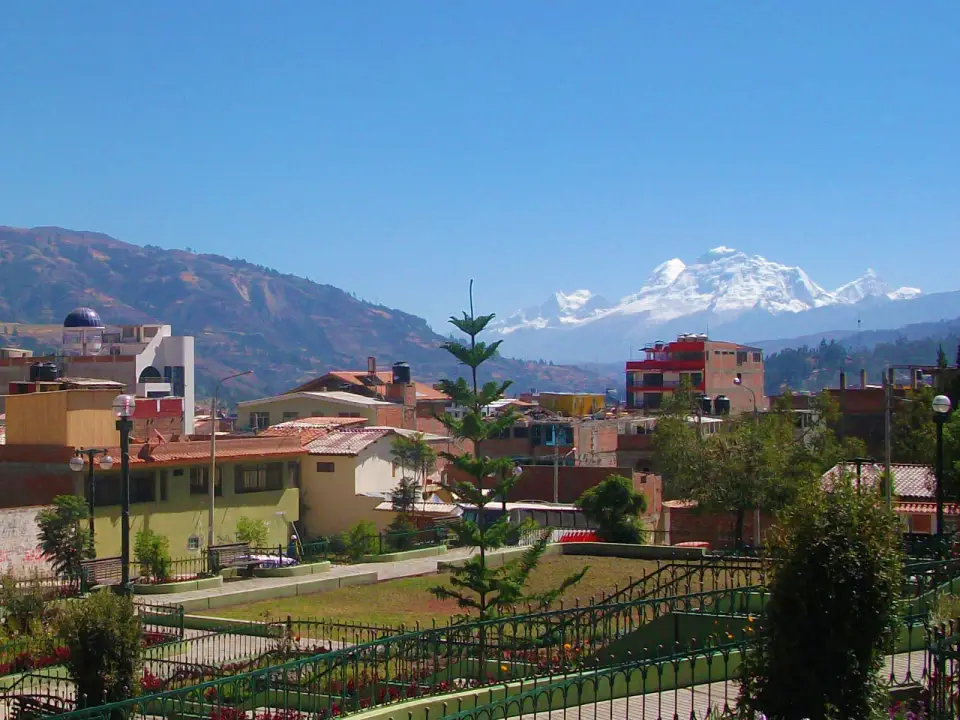
Huaraz sits in the Callejón de Huaylas, a long valley between two ranges, with the white peaks of the Cordillera Blanca on one side and the lower, darker Cordillera Negra on the other. A large earthquake in 1970 destroyed most of the old town, and the city that rose in its place is open, bright and easy to get around, with wide streets and the peaks in view from almost every corner. Its charm is in those views, the cafes that cater to trekkers, and the mountain energy.
The town is a service point: gear hire, guides, buses to the trailheads and a good selection of hostels and lodges. Almost everything you do here starts before dawn. Huaraz does not rely on colonial architecture like Arequipa or Cusco; its beauty is the setting, with snow-capped peaks, turquoise lagoons and a lively trekkers' scene, and you will spend most of your time out in it.
How many days
Four nights is a realistic minimum: two to settle in, then a lagoon day, then a second hike or a day out to the glacier viewpoints. A week allows a multi-day trek such as Santa Cruz, with a rest day at either end. The longer circuits, such as Huayhuash, need more time again and a specialist operator.
Many people underestimate how much recovery time they need. A hard day to a high lake leaves legs and lungs tired, and a trek that is booked straight afterwards feels much harder. Build rest days into the plan, particularly if you have come up quickly from the coast. Acclimatisation for treks explains how to structure the first days sensibly.
Tours and activities
Bookable online, chosen for their traveller reviews.
-
Day trip From €29 per person
Typical outings
Laguna Churup is a short, steep acclimatisation hike. Laguna 69 is a long, demanding day to a turquoise lake beneath a glacier and is the one most people come for. Other day trips visit the Llanganuco lakes and the high-altitude Puya Raimondi plants. Because most of these require a very early start and a transfer, they are normally booked through an agency in town, where you can compare departures the day before.
Mountain weather changes fast. Morning is usually clearer, and afternoon cloud and showers are common. Things to do in Huaraz lists more outings, including gentler options for days when the weather or your legs say no.
Choosing an agency and a guide
Dozens of agencies line the main streets, and quality varies. For simple day trips, the main differences are transport, group size and whether lunch and entry fees are included. For multi-day treks, ask about the guide's qualifications, the equipment supplied, the plan for emergencies and how pack animals and porters are treated.
Do not choose on price alone. A very cheap trek often means a large group, a weak safety margin or poorly paid staff. How to choose a trekking agency sets out the questions to ask. Licensed mountain guides are strongly recommended for glacier routes and high passes, and you should always leave details of your route with your hotel.
Getting to Huaraz and when to go
From Lima it is a long bus journey, usually overnight or in the early morning, with day and night departures; Lima to Huaraz describes the options. Landslides in the rainy season can block roads. The best window for trekking is the dry season, roughly May to September. The wet season, roughly November to March, brings cloud, mud and avalanche risk on high routes, though the valleys are green.
Because altitude is the main risk, think about the order of your trip. Arriving from the coast and heading straight to a high lake is the classic mistake. A few nights at moderate heights first makes every later day easier. For what to watch for, see altitude sickness.
What to bring and what to hire
Layers matter more than any single item. Days start cold, warm quickly in the sun, and cool again with cloud, so bring a warm base layer, a windproof shell, a hat, gloves and strong sun protection. Good boots with a firm sole make a real difference on loose rock and mud.
Most of the heavy gear can be hired in town, including sleeping bags, poles and tents, though quality varies, so inspect it before you pay. For the essentials, see trekking gear. Carry water, snacks and a simple first-aid kit even on day hikes, and keep your phone charged in case you need to call for help. Not all areas have signal.
Safety and local conditions
Huaraz is a busy mountain town with the usual petty-theft precautions, but the larger risks are in the mountains: altitude, sudden weather, loose ground and, in some areas, rockfall and glacial hazards. Conditions change from season to season and from year to year, so ask your agency and local authorities about recent closures.
Occasional protests and road blockades can also affect travel to and from the region, so read about strikes and blockades before booking tight connections. Keep your plan flexible, with a spare day before any international flight, and take out travel insurance that covers trekking at altitude.
Map
Where to sleep
-
Find hotels
Huaraz centre
Services, tour offices and restaurants for the Cordillera Blanca
-
Find hotels
Monterrey
Quieter spot north of town with thermal baths
-
Find hotels
Caraz
Small town closer to the northern lakes and trails
Weather in Huaraz
Forecast: MET Norway
Frequently asked questions
How long does the bus from Lima to Huaraz take?
Typically about eight hours, though road conditions can add time. Operators run both day and night services.
Do I need a guide for treks around Huaraz?
For popular day hikes, many people go with an agency for the transport. For multi-day treks and high routes, a licensed guide is strongly advised.
Is Huaraz safe?
It is a busy mountain town with the usual petty-theft precautions.
What is the best month to hike near Huaraz?
The dry season, roughly May to September, offers the clearest skies and most stable trails, with June to August being the most popular. Shoulder months can still be good, but expect more cloud and occasional showers.
Can I do Laguna 69 in one day from Huaraz?
Yes, it is normally a day trip from town, with a very early start and a long drive before the hike. It is demanding at altitude, so do easier outings first.
Is Huaraz good for beginners?
Yes, as long as you choose easy outings and respect the altitude. Short lagoon hikes and viewpoints give a taste of the mountains without technical challenge.
Can I combine Huaraz with Cusco in one trip?
Yes, but they are far apart, so you would normally fly via Lima. Consider whether you have time for both, since a week in each is far more rewarding than a rushed pair of visits.
Is it better to arrive by day or night bus?
A day bus lets you see the landscape and arrive in daylight, while a night bus saves a night of accommodation. If you are sensitive to altitude, daytime arrival helps you settle in more comfortably.