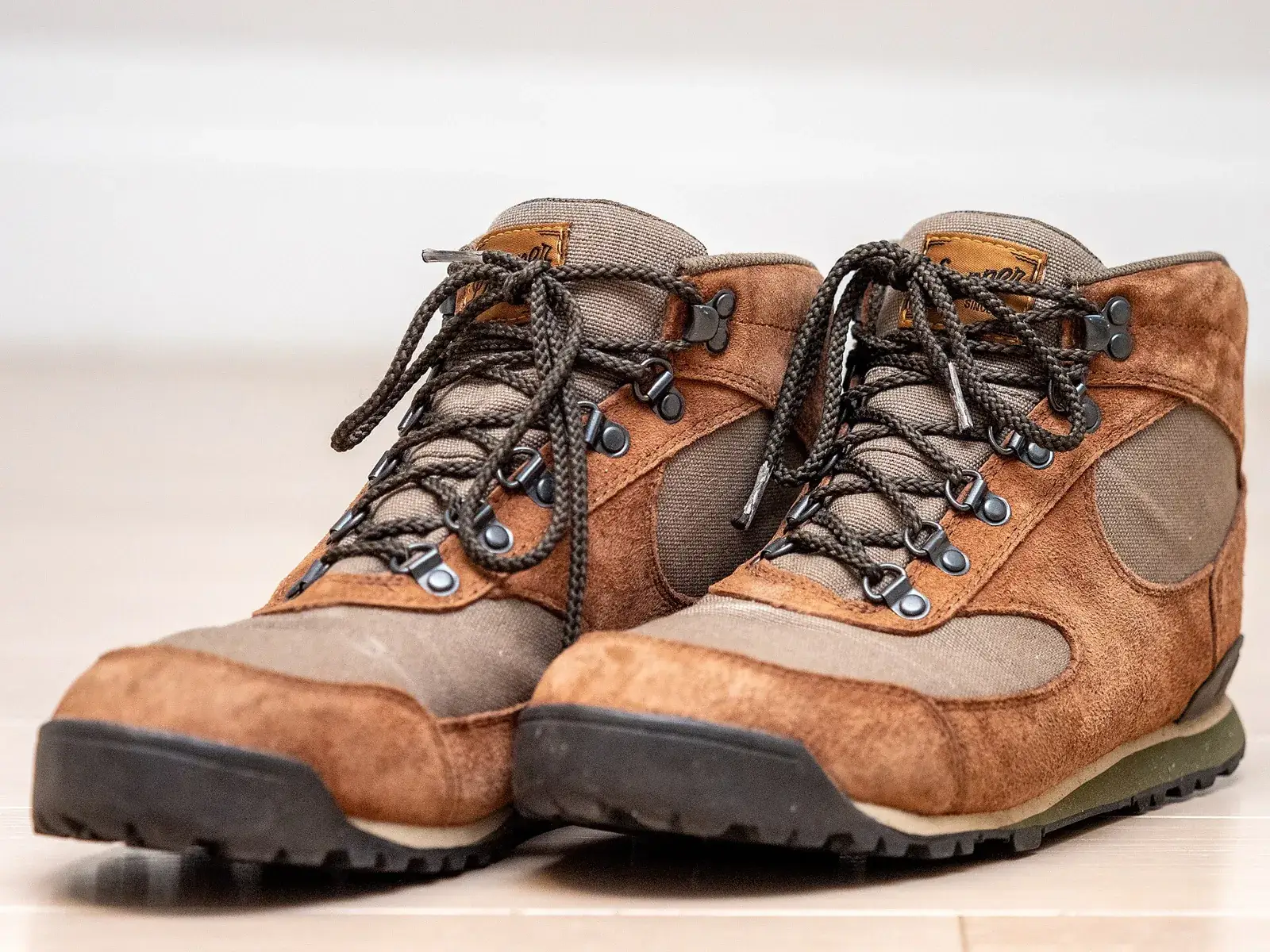
For most Peruvian treks you need layers for freezing nights and strong sun, waterproofs, broken-in boots, a warm hat and gloves, sun protection and a small day pack. Operators on organised treks usually supply tents, mats, cooking equipment and often sleeping bags, and Cusco and Huaraz have rental shops. Bring your own boots and anything that must fit you well, and check with your operator what they provide.
The principle: layers, not bulk
Andean weather swings from strong sun to freezing wind and rain within a few hours, and temperatures at altitude fall quickly after sunset. The reliable way to cope is layering: a moisture-wicking base layer, a warm mid layer such as fleece or a light insulated jacket, and a waterproof, windproof outer shell. Cotton is a poor choice, because it stays wet and cold. Merino or synthetic fabrics dry faster and keep you warmer.
Pack separate dry clothes for camp, including warm trousers, a spare base layer and dry socks. Keeping something dry for the night is more important than adding extra walking clothes.
What to bring from home
Footwear is the item to bring yourself. Choose boots or sturdy trail shoes with ankle support and good grip, and wear them in before the trip. Add thick socks, ideally two or three pairs, and a pair of camp shoes or sandals. Also bring a waterproof jacket and trousers, a warm hat, gloves, a sun hat, sunglasses and high-factor sunscreen; ultraviolet radiation is strong at altitude, even when it is cold or cloudy.
Add a headtorch with spare batteries, a refillable water bottle or bladder, a small first-aid kit with blister care (see health and vaccines) and any personal medication, lip balm with sun protection, and a dry bag or rain cover for your pack. Trekking poles are useful on long descents, and on some routes they are required to have rubber tips.
What you can rent or the operator provides
On organised treks, tents, sleeping mats, cooking gear and meals are typically included. Sleeping bags, down jackets and poles are often available to rent through the operator or from shops in Cusco and Huaraz. Rented items vary in quality, so inspect them, ask when they were last cleaned, and consider bringing a sleeping bag liner. If you are very tall, very small or have specific needs, bring your own sleeping bag and boots.
Check what is included before you buy anything. Some operators provide duffel bags for the porters' load, with a weight limit for your personal items, so ask how much baggage is allowed. Do not pack more than you can carry yourself in an emergency.
Other things worth carrying
Bring water purification, such as tablets or a filter, unless your operator provides boiled or treated water. Carry snacks you like, since altitude can reduce appetite, and a small amount of cash in small notes and coins for entrance fees, tips and drinks along the way. Carry copies of your passport and travel insurance details, and keep your passport in a waterproof bag, as it is needed for permits and checkpoints.
A power bank is useful, as charging points are scarce on the trail and cold drains batteries faster. Biodegradable toilet paper and a bag to carry out used paper are sensible, since many routes have limited facilities and regulations on waste.
Gear for specific routes
Different treks stress different items. For the Inca Trail, poles with rubber tips, a rain poncho and good knee support matter most. For Salkantay, a sleeping bag for freezing nights, gloves and a warm hat are the priorities. On Huayhuash and Ausangate, add a down jacket, spare gloves and a better sleeping bag, since camps are very cold. For the Colca trek, sun protection, a hat and swimwear are the key items.
Day hikes such as Humantay Lake or Rainbow Mountain call for the same layers as a multi-day trek, only lighter: a base layer, fleece, shell, hat, gloves and sun protection. The lesson is the same everywhere: the kit for the coldest and wettest hour of the trip matters more than the kit for a pleasant afternoon.
Footwear and feet in detail
Most trekking problems start at the feet. Choose boots that fit with thick socks, leave room at the toe for downhill sections and break them in over several weeks, including on stairs and slopes. Waterproof membranes help in rain but can make feet hot in the canyon, so match the boot to the route.
Carry blister plasters, a small tape roll and spare socks, and treat hot spots as soon as you feel them rather than waiting. Dry your socks overnight, and keep one pair for the tent only. If you rent boots, test them in the shop on a slope and avoid starting a long trek in a new pair, since blisters on a four-day walk can end the trip.
Packing smartly and managing weight
Pack in waterproof bags inside the duffel and the daypack, and keep the items you need during the day easy to reach: water, snacks, sun cream, rain jacket and camera. Place heavier things close to your back in the daypack and keep the weight under what you can comfortably carry for several hours.
Before leaving, weigh the bag that the porters or mules will carry and compare it with the limit your operator states. Leave valuables and spare clothes at your hotel in Cusco or Huaraz, since most hotels will store them for free. The wider packing list covers the rest of the trip. See what to bring to Machu Picchu for the day-pack items for the citadel.
Frequently asked questions
Can I rent all the gear in Cusco?
Most items can be rented in Cusco or Huaraz, but quality varies. Boots, personal medication and anything critical for fit are better brought from home.
Do I need trekking poles?
Many people find them very helpful on long descents, particularly on stone steps. Some routes require rubber tips to protect the paths.
What should I wear on the pass day?
Wear a base layer, a warm mid layer and a waterproof shell, with hat and gloves in reach. Conditions can be below freezing even in the dry season.
Is a sleeping bag provided?
Often it is available to rent or included, but confirm with your operator and check its temperature rating.
What is the best footwear for trekking in Peru?
Broken-in boots or sturdy trail shoes with ankle support and a grippy sole. Pick the type to suit the route: waterproof for wet, high routes, lighter for hot canyon walks.
Can I rent a down jacket in Cusco?
Yes, many shops rent down jackets, sleeping bags and poles, but quality varies. Inspect the item, check zips and warmth, and consider bringing your own for very cold routes such as Huayhuash.
Do I need a rain poncho in the dry season?
It is a good precaution. Showers are less frequent in the dry season but still occur, and a poncho also keeps your pack dry. A good waterproof jacket is more useful for the cold and wind at passes.