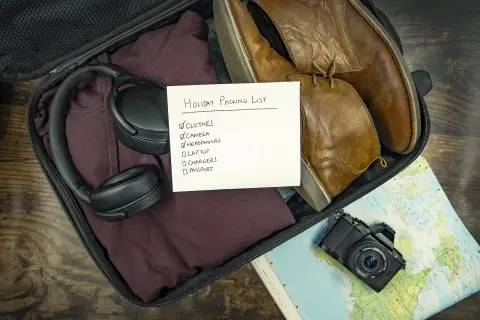
Take your passport and ticket, a small daypack, water, layers, a rain jacket or poncho, sun protection and insect repellent. Leave large bags, tripods and food at your hotel, because restrictions on size and items are enforced at the gate.
Documents first
Carry your passport, the same one used to buy your ticket, and the ticket itself in print or on your phone. Keep them together in a waterproof pouch or plastic sleeve, because mist and sweat can ruin paper. Photograph or scan the documents as a backup. Bring any booking confirmation for the bus or the train as well, because you will need it before and after the visit.
If you bought a package, add the voucher and the name and number of your agency, in case a problem arises at the gate. Carry a little cash in small notes as well, since cards are not accepted everywhere in town. Do not carry spare documents that you do not need, and leave other cards and the rest of the cash locked at your hotel. See tickets to understand why the name on the ticket must match your passport exactly.
The bag
A small daypack is generally acceptable, but large backpacks are not, and the allowed dimensions are checked. If your hotel can keep your luggage, use that. Otherwise there is paid storage near the entrance. Pack light, since you will carry the bag through steps and slopes for several hours.
A bag with a waist strap and a water bottle holder is more comfortable on the steps than one with a single strap, and a rain cover or a plastic liner keeps the contents dry in a downpour. Keep the heavy items low and close to your back. Avoid anything bulky or hard-sided, because guards inspect bags at the entrance and may ask you to open them. The exact size limit is explained on rules.
Tours and activities
Bookable online, chosen for their traveller reviews.
-
★ Top rated From €49 per person
Machu Picchu
Machu Picchu Entry Ticket for Circuit 1, 2 or 3
-
★ Top rated From €23 per person
-
From €178 per person
Machu Picchu
Private Machu Picchu Tour with Guide, Entry and Bus
-
★ Top rated From €22 per person
Clothing and weather protection
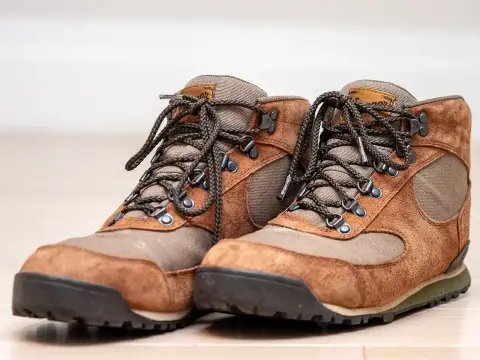
Layers are the key: a light shirt, a fleece, and a waterproof jacket or poncho. A hat and sun cream are essential, because the sun is intense at this latitude. Choose sturdy shoes with good grip, since stone steps get slick. Long trousers help against insects and scratches. Sunglasses and a reusable water bottle round out the basics. Insect repellent is worth carrying for the sandflies that bite around the ruins.
Choose quick-drying fabrics rather than cotton, and carry a spare pair of socks if you are walking from town. The weather can change several times in a morning, so the ability to add and remove layers matters more than any single heavy item. For the usual pattern, see weather, and the longer packing list for the whole trip covers items for the rest of Peru.
Small extras that help
Bring cash in small notes for tips and for the toilet outside the gate, a small snack to eat before entering, a lightweight towel or wipes in the humid months, and a power bank for the phone, since you will use it for photographs. A paper map or the guide's explanations may be more useful than a screen. Leave valuables at the hotel and carry only what you need for the day.
If you are climbing one of the peaks, add a light layer for the summit and extra water. Lip balm and a small pack of tissues are worth the space, and a plastic bag for wet items keeps the rest of the contents dry. A small personal medical kit with plasters and your regular medication, in its original packaging, is sensible, but discuss any prescription items with your doctor before travelling.
Phone, camera and photography
Phones and compact cameras are fine, and a spare battery or power bank is useful because cold, damp and constant photography drain batteries quickly. Selfie sticks and large camera supports are commonly restricted, so a small clip or your own steady hands are the safer choice. Wipe the lens now and then, as mist leaves a film. Take photographs while walking aside from the flow of visitors, never in the middle of a narrow stair.
A cheap, clear plastic cover or a zip-seal bag protects the phone in drizzle without stopping you from using it. Check that the memory is cleared before you go, since the number of photographs taken in a short visit often surprises people. Respect other visitors by waiting your turn at popular viewpoints, and do not fly a drone or step outside the paths for a better angle, since both are against the rules.
For the climbs and the walk up
If your plan includes the Huayna Picchu or Machu Picchu Mountain climb, the checklist changes. Carry at least a litre of water, wear shoes with the best grip you own, and bring a light waterproof, a hat and a layer for the summit. Trekking poles are subject to the same restrictions as elsewhere on the site, and cables and ropes on the steep sections are easier with free hands, so use a small bag that sits close to the body.
If you walk up from Aguas Calientes, add a head torch for the dark start, a towel for the humid climb and a dry shirt to change into at the top. For what to keep in mind if you have just arrived from lower ground, see altitude, and for kit for longer walks, trekking gear.
A short morning checklist
Before you leave the hotel, run through five things. First, passport and ticket in a waterproof sleeve. Second, a small bag with water, a layer and sun protection. Third, a poncho or light jacket within reach. Fourth, a few small notes and coins for the toilet and tips. Fifth, a charged phone and, if you use one, a power bank.
Leave behind anything that is on the restricted list, as well as items that are expensive or irreplaceable. If you are unsure whether something is allowed, ask your hotel or your guide the day before, because the gate is a poor place to find out. A final tip is to repack the bag after you have eaten and used the toilet, so that you enter the site with only what you need. See mistakes for the problems that arise when travellers ignore this simple routine.
Where to sleep
-
Find hotels
Aguas Calientes
Sleep at the foot of Machu Picchu for an early entry
-
Find hotels
Ollantaytambo
Early trains to Machu Picchu and a walkable old town
-
Find hotels
Plaza de Armas and historic centre
Everything on foot, at the price of noise and crowds
-
Find hotels
San Blas
Artisans' quarter with steep lanes and views, a short walk uphill
-
Find hotels
All of Cusco
Compare every area and price level in one search
Frequently asked questions
Can I bring water into the site?
Yes, in a reusable bottle. Single-use plastic is discouraged or restricted.
Can I bring food?
Food is generally not allowed inside, so eat before you enter and plan your breaks outside.
Are trekking poles allowed?
Poles with rubber tips are generally accepted. Metal tips are not.
Can I take a tripod or a drone?
Tripods and similar supports are commonly restricted, and drones are not permitted. Leave both at the hotel.
Do I need insect repellent?
It is worth carrying. Sandflies and other insects bite around the ruins, particularly in the humid months. Ask a pharmacist or a travel clinic for advice on suitable products.
Should I bring a poncho or an umbrella?
A poncho is the safer choice, because umbrellas have been restricted at times and are awkward on narrow stairs.
Is there a place to store a bigger bag?
Paid left-luggage has been available near the entrance, and many hotels hold bags for guests. Ask your hotel the evening before.