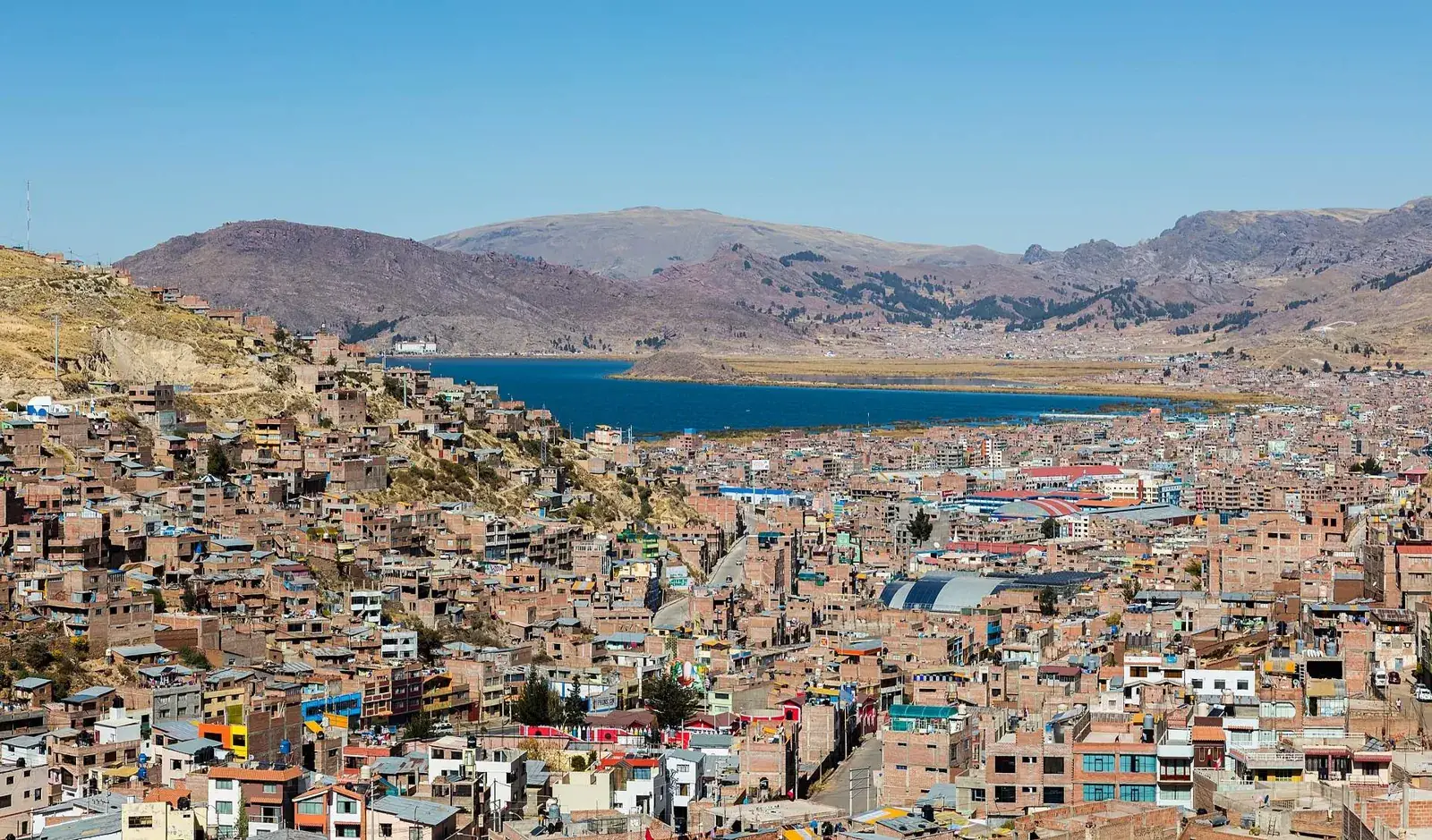
One or two nights in Puno is enough. The town itself is modest, and its value is as the base for Lake Titicaca. Plan one day for the islands and half a day for the ruins of Sillustani. At about 3,800 m, Puno is higher than Cusco, so arrive acclimatised if you can and keep the first day light.
In this section
-
 Destination guide
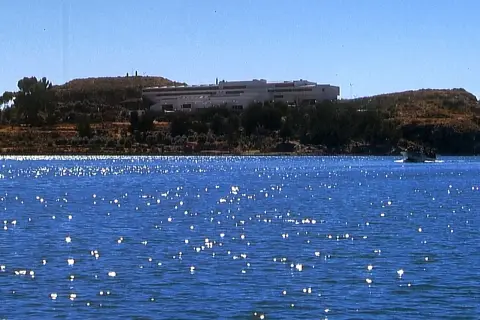
Where to Stay in Puno
Puno is a high, cold city, and a warm room matters more here than a view.
-
 Destination guide
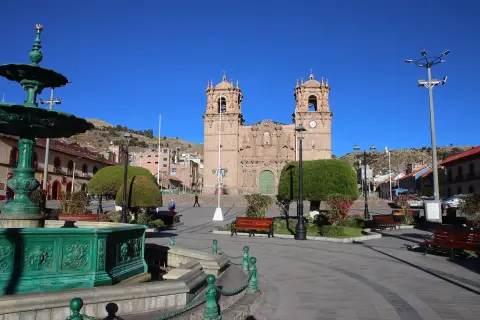
Things to Do in Puno
Puno is a modest town whose appeal lies in the lake, the islands and the folk culture of the Altiplano.
-
 Attraction
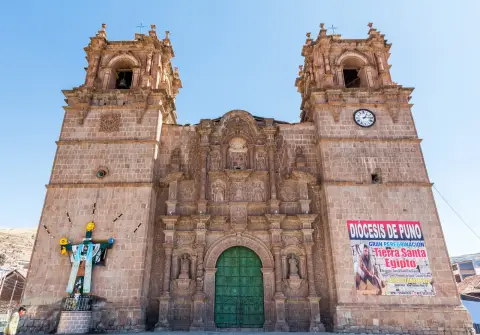
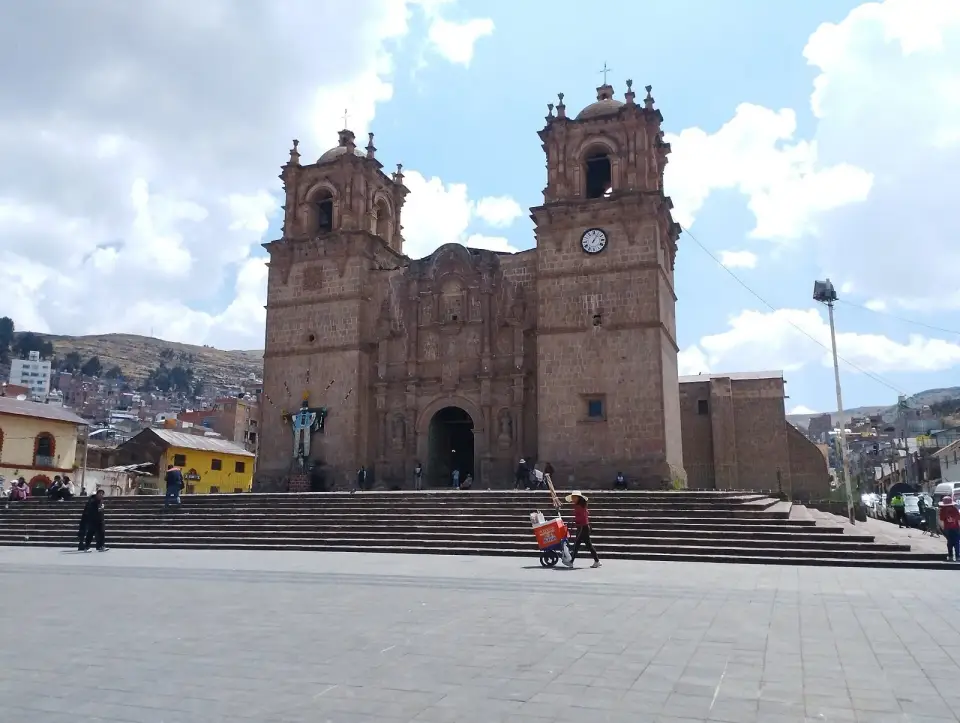
Puno Cathedral
The Andean Baroque cathedral on Puno's main square, worth a short stop for its carved stone facade.
-
 Attraction
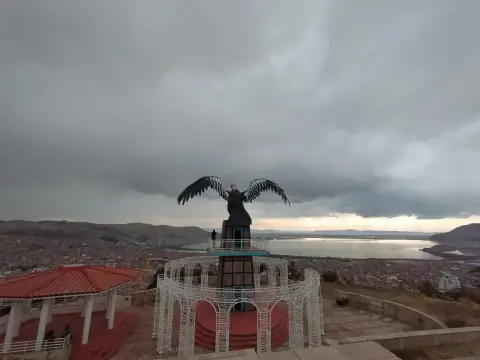
Kuntur Wasi Viewpoint
A hilltop lookout above Puno with a large metal condor and a wide view over the town and the bay of Lake Titicaca.
-
 Attraction
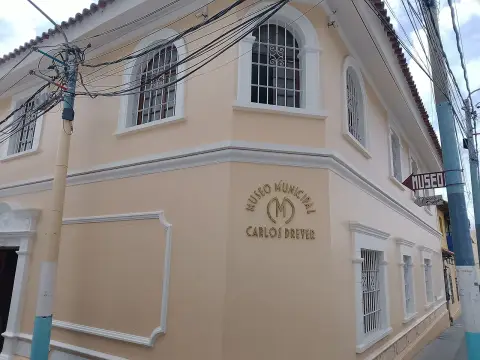
Carlos Dreyer Museum
A small municipal museum in a painter's former house in central Puno, strong on Pukara stonework and Altiplano archaeology.
-
 Attraction
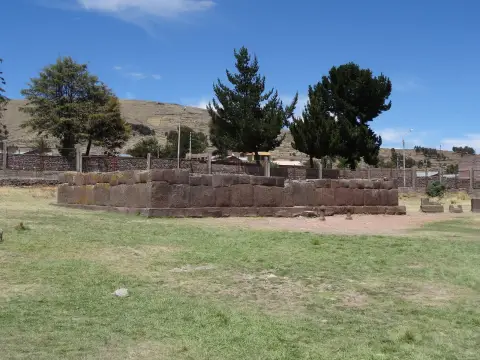
Chucuito
A quiet village on Lake Titicaca south of Puno, known for the Inca Uyo enclosure of carved stone phalluses and two colonial churches.
What Puno is
Puno is a working highland town on the western shore of Lake Titicaca. It has a colonial cathedral, a lively pedestrian street and a port, but few headline sights of its own. Culturally it belongs to the Aymara and Quechua world, and its festivals, especially the dancing and costume celebrations of the Virgen de la Candelaria in early February, are among the biggest in the country.
Think of Puno as a platform. Most people arrive from Cusco or Arequipa, spend a night, take a boat on the lake, and move on to Bolivia or back. The town rewards a short walk around the plaza and the lakefront, but it is not where you will spend your best hours. The Plaza de Armas and its cathedral are the natural starting point, and the pedestrian street running off it holds most of the cafés, shops and tour offices. On the lakefront, a walk along the waterfront gives a first sense of the scale of the lake, which looks more like a sea than a lake from the shore. The broader context of the lake itself is covered in Lake Titicaca.
How many days
One night is the minimum if you are travelling between Cusco and Arequipa or crossing to Bolivia, with a half-day boat trip. Two nights allows a full day on the lake with an overnight on an island, or a separate trip to Sillustani. More than that is only needed if you want a slow pace or time for the festival period.
The most common mistake is trying to fit the lake into the gap between a late arrival and an early departure. A boat tour needs most of a day, and the time on the water is what makes the stop worthwhile. If you have to choose, favour the lake over the town and keep a spare morning so that a late bus or flight does not wipe out your plans.
Tours and activities
Bookable online, chosen for their traveller reviews.
-
★ Top rated From €23 per person
-
★ Top rated From €23 per person
-
Day trip From €41 per person
-
From €8 per person
Tours and activities
Bookable online, chosen for their traveller reviews.
-
-
-
-
What to do
The standard trip is a boat tour to the Uros floating islands and onward to Taquile or Amantaní, where communities host overnight stays. Sillustani, a ridge of tall stone burial towers above a lake, is an easy half day. In town, the cathedral, the pedestrian street and the lakefront are the main walking options. Evenings are cold and quiet, and most visitors eat early and go to bed.
Choose your boat operators carefully, since many tours are packaged in a way that rushes the islands. A smaller operator or a longer island stay gives a more respectful experience. Things to do in Puno covers alternatives for those who want something beyond the standard boat trip.
Where to stay and eat
Most visitors sleep near the centre, within walking distance of the main street and the lakefront, which is handy when you arrive tired and cold. Heating varies between hotels, so ask about it, and request extra blankets if you are sensitive to cold. Hot water can also be slow to arrive in the early morning, which matters if you have a dawn departure for the lake. Where to stay in Puno sets out what to look for.
Food in Puno draws on lake and highland ingredients, including trout from the lake and a wide range of potatoes and grains. Many restaurants cater to tourists with set menus, and a few serve more local dishes if you step off the main street. Eat lightly on the first night to avoid adding stomach trouble to altitude headaches.
Getting here
Tourist buses run between Cusco and Puno with stops at sites on the way, and regular buses link Puno with Arequipa. Cusco to Puno compares the tourist bus with the ordinary services, and Arequipa to Puno describes the other main road. There is also an airport near Juliaca, about an hour away, which has flights to Lima and sometimes Cusco. The overland crossing to Bolivia starts from Puno; for the details, see the border with Bolivia.
Whichever route you take, plan for a daylight arrival if you can. Arriving after dark in a cold, high town after a long journey is harder than it sounds, and it makes the first night's sleep worse.
Puno or Arequipa?
If you have time for only one of the two, the choice depends on what you value. Arequipa offers colonial architecture, food and a gentler altitude, while Puno offers the lake and a closer taste of Aymara and Quechua culture. Many travellers do both, linking them with a long but scenic road journey.
Comparing Puno and Arequipa lays out the trade-offs. As a rule, people heading to Bolivia or wanting the lake should choose Puno, and people who dislike altitude or want a city should choose Arequipa. Either way, read about altitude sickness before you decide how high to sleep.
Map
Where to sleep
-
Find hotels
Puno centre
Walkable to the main square and the lake port
Weather in Puno
Forecast: MET Norway
Frequently asked questions
Is Puno worth a stop?
Yes, as a base for the lake. The town itself is secondary, so do not plan more than a night or two.
When is the Candelaria festival?
It is celebrated in early February, with the main events over about two weeks. Hotels book up well ahead.
Is Puno cold?
Nights are cold all year because of the altitude, and in the dry season they can fall below freezing. Pack warm layers.
Is it better to visit Lake Titicaca from Puno or from Bolivia?
Puno is the main Peruvian base and is closer to the Uros and Taquile. The Bolivian side has its own attractions. Many travellers see the Peruvian side first and cross to Bolivia afterwards.
Can I do a day trip to Lake Titicaca from Cusco?
It is not practical. The road journey is long, and a day trip would leave almost no time at the lake. Stay at least one night in Puno so that the boat trip is not rushed.
What should I pack for Puno?
Warm layers, a hat, gloves and sun protection are essential, because the sun is strong and nights are cold. Bring good shoes for uneven island paths. A waterproof layer is useful in the rainy months.
Do I need to book the island homestay in advance?
In the busy dry season it is sensible to arrange it through a tour operator a day or two ahead. Homestays are simple, with limited heating and basic facilities, so go with realistic expectations.
Is Puno good for families?
It can be, but the altitude and cold are harder on young children and older people. Keep the pace slow and check advice on altitude with a doctor before you travel.