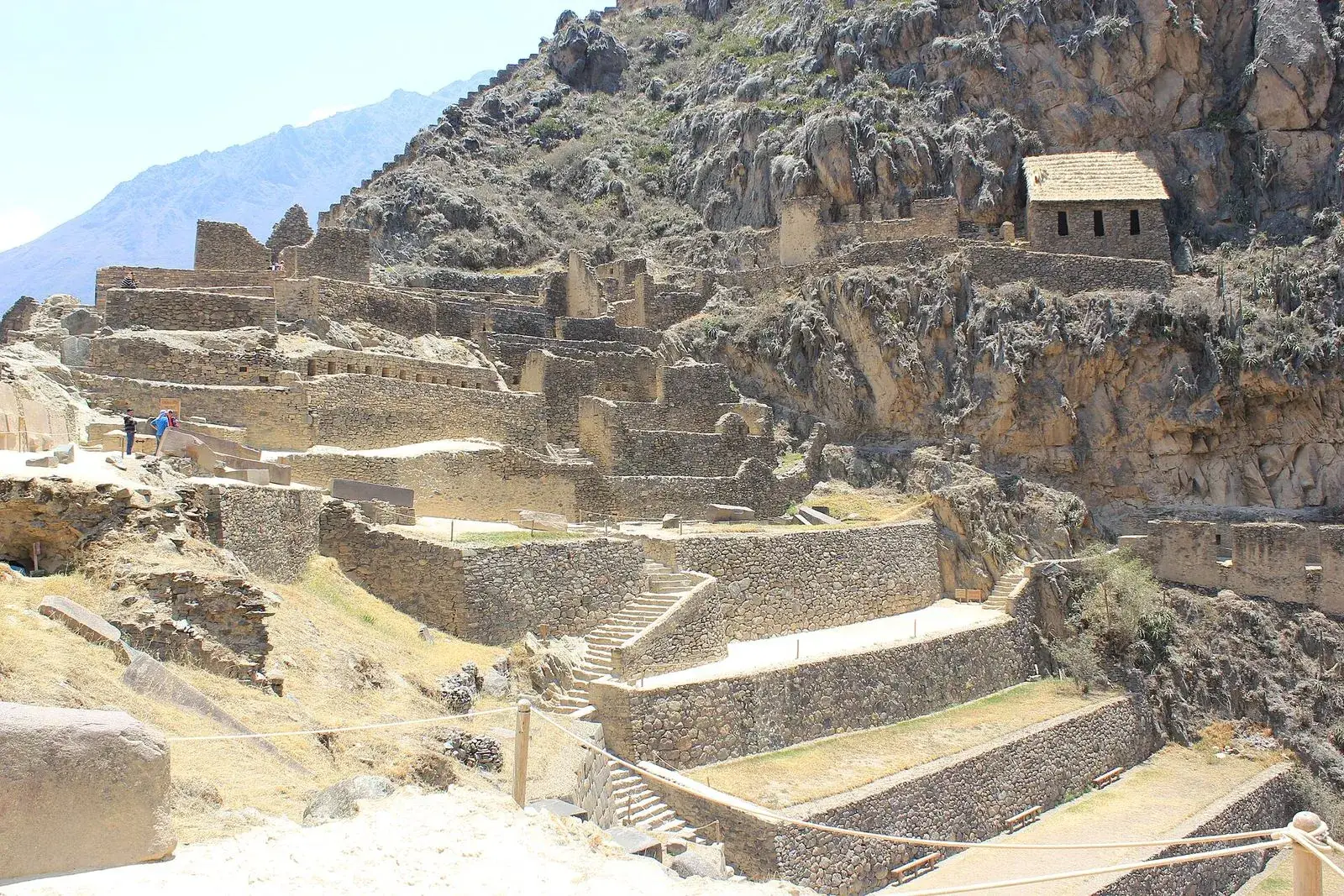
Choose your itinerary by the number of days, then by the kind of trip. With five to seven days, stay in the Cusco region and fly in from Lima. With ten to fourteen days, add one more region, usually Arequipa or the coast. From three weeks, the south, the Amazon or a trek become realistic.
In this section
-
 Guide
How Many Days in Peru?
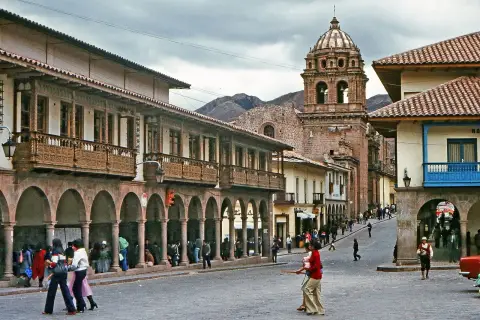
A realistic answer to how long to stay in Peru, with minimum and comfortable lengths for each region.
-
 Itinerary
Peru in 5 Days
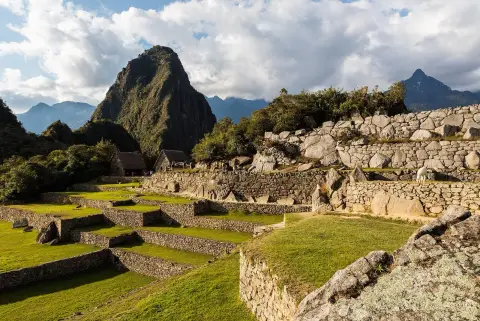
A compact day-by-day route that skips the long distances and spends the time in one region, with altitude eased in.
-
 Itinerary
Peru in 7 Days
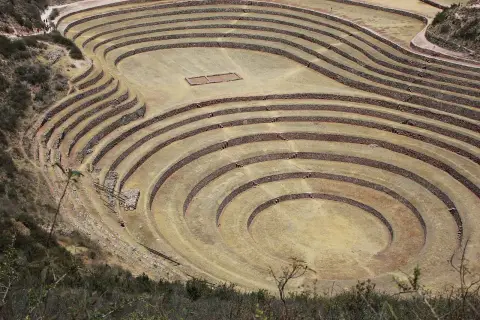
One region at an easy pace, with two valley bases, a night in Aguas Calientes and a full day in Cusco.
-
 Itinerary
Peru in 10 Days
Lima, the Cusco region and Arequipa with the Colca Canyon, ordered so altitude rises in steps.
-
 Itinerary
Peru in 14 Days
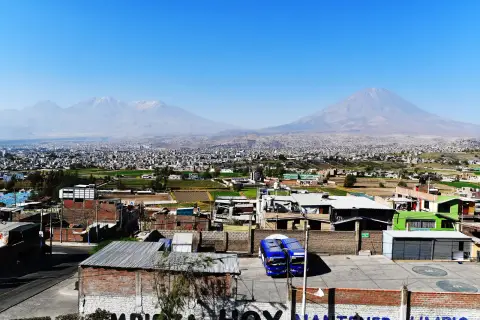
Two weeks in four stages: Lima, desert coast, Arequipa and a full Cusco region week, with time for Machu Picchu.
-
 Itinerary
Peru in 21 Days
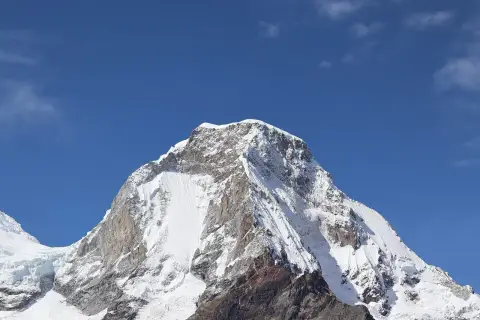
Three weeks that add Lake Titicaca and a rainforest lodge to the classic southern route, with the Amazon as the gentle finale.
-
 Itinerary
Machu Picchu and the Amazon
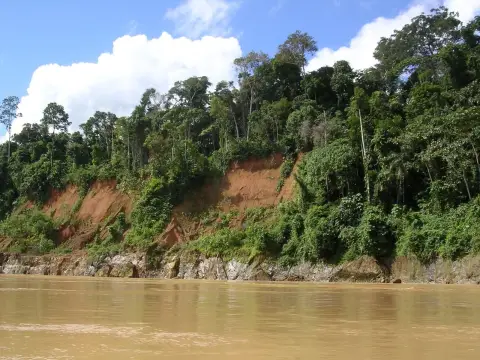
A 10 to 12 day route with the rainforest as a full part of the trip, not a day tacked onto the end.
-
 Itinerary
Southern Peru Loop
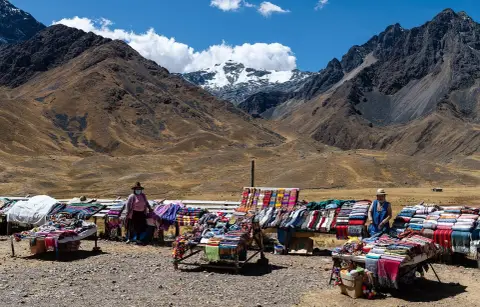
A slow route through the southern highlands with the landscape as the main attraction, travelled mostly by land.
-
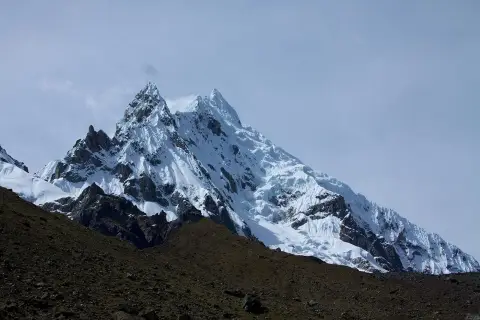 Itinerary
Peru Trekking Itinerary
A trip designed around one big trek, with acclimatisation days first and a reserve day for weather.
-
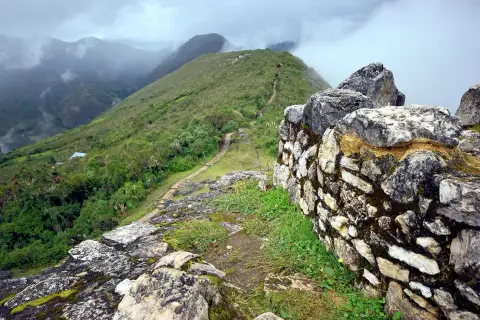 Itinerary
Peru in 30 Days
A month is not about adding more places; it is about fewer moves per week, rest days and one part of Peru most trips skip.
-
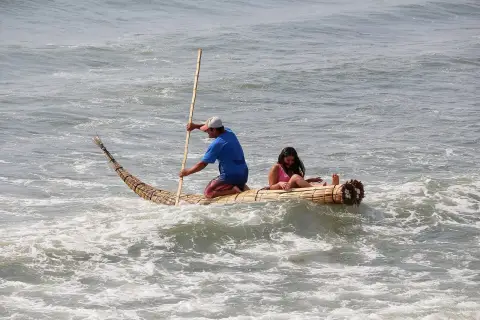 Itinerary
Northern Peru Itinerary
A route through pre-Inca cultures and quiet cloud-forest highlands, for travellers who have time and want fewer crowds.
-
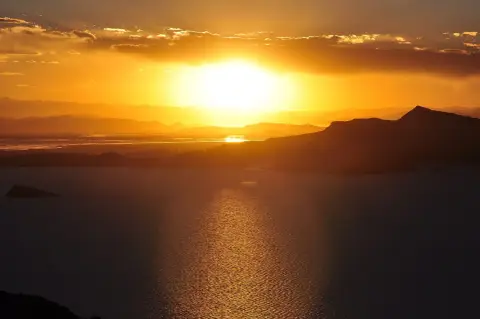 Itinerary
Peru and Bolivia
A two- to three-week journey that crosses Lake Titicaca into Bolivia, with a high-altitude profile and a border to prepare for.
-
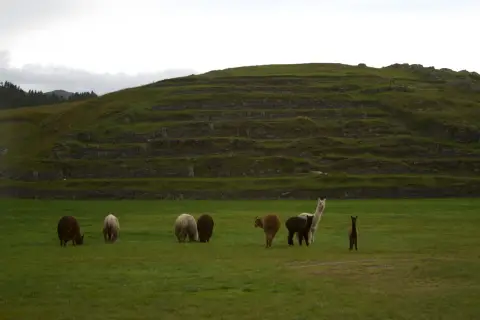 Itinerary
Peru with Kids: 10-Day Itinerary
Lima, the Sacred Valley, Machu Picchu by train and Cusco, paced for children with altitude kept low at the start.
-
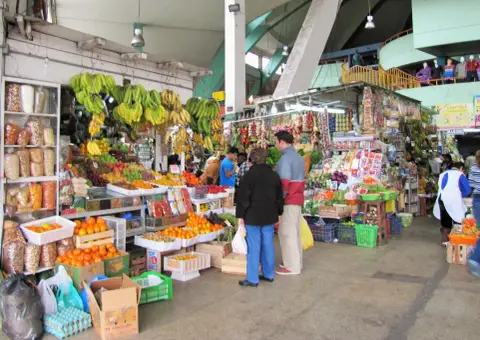 Itinerary
Peru Food Itinerary: 10 Days
A 10-day eating route through Lima, Cusco and Arequipa, with markets, cooking classes and the dishes each city does best.
-
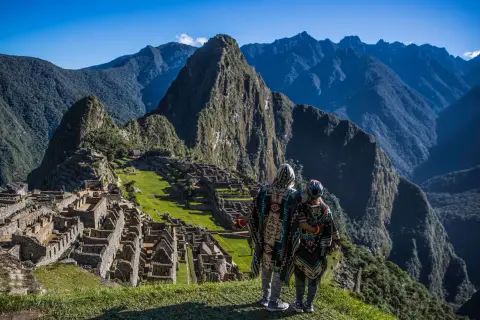 Itinerary
Peru Honeymoon Itinerary: 12 Days
Lima, the Sacred Valley, Machu Picchu by train, Cusco and the northern beaches of Máncora, paced slowly for couples.
-
 Itinerary
Peru Adventure Itinerary: 12 Days
Lima, Huaraz for acclimatisation hikes, then Cusco, a high day, Sacred Valley sports and Machu Picchu options.
How these itineraries are built
Peru is large, and the places most visitors want are far apart. A route that looks short on the map can swallow a full day once airports, security queues and a transfer at each end are counted. The itineraries below are written around that reality: fewer bases, a night or two in each, and days that leave room for delays.
Each route follows three rules. First, altitude comes in steps, so the highest nights and the longest walks fall after a few days of adjustment. Second, the order of places follows the logic of the transport, not only the sights, so you do not cross the country twice. Third, travel times are given as ranges, because buses, flights and roads vary with the season and the day.
Choose by the days you have
With five days, the realistic trip is Lima briefly, then Cusco, the Sacred Valley and Machu Picchu. It works, but only if you accept that this is one region, not "Peru". See the 5-day route and why five days is not really five.
Seven days gives breathing space in the same region, so the altitude is easier and Machu Picchu is not rushed. Ten days is the first length at which a second region, usually Arequipa and the Colca Canyon or the coast, fits without feeling like a race. Fourteen days allows the classic first-time loop of coast, south and Cusco area.
Three weeks opens up Lake Titicaca and a stay in the Amazon rainforest. A month lets you slow down and add the north or the Cordillera Blanca.
Tours and activities
Bookable online, chosen for their traveller reviews.
-
★ Top rated From €52 per person
-
★ Top rated From €23 per person
-
★ Top rated From €49 per person
Machu Picchu
Machu Picchu Entry Ticket for Circuit 1, 2 or 3
-
★ Top rated From €85 per person
All the routes
Main routes by length: Peru in 5 days, in 7 days, in 10 days, in 14 days, in 21 days and in 30 days. Each one is a different design, not a stretched version of the previous one, so read the one closest to your time and then adapt it.
Themed routes: Peru and the Amazon, the southern Peru loop, a trekking itinerary, northern Peru, and Peru combined with Bolivia. If you are unsure how long to stay, start with how many days to spend in Peru. The themed routes assume that you already know which region you want, so they are best read after the main ones.
What every route assumes about flights and trains
The routes use domestic flights for long legs, such as Lima to Cusco or Lima to Arequipa, and say where an overland alternative exists. A flight saves a day on legs of eight hours or more by road, but it adds a transfer at each end and is exposed to mountain weather. Morning flights are the more reliable ones, and the routes use them for any leg that matters.
The Machu Picchu part of every route uses the train from the Sacred Valley or from Cusco area to Aguas Calientes, with a timed entry ticket. These items have limited capacity, so the routes recommend booking them before hotels. For the options, see Machu Picchu planning, and for the airlines and the usual airport times, flights in Peru.
How to adapt a route to your trip
Treat each itinerary as a template. Keep the order of altitude and the travel logic, and swap sights inside each base freely. If your arrival or departure day does not match the route, move the buffer day, not the Machu Picchu day, because the ticket and the train are the hardest elements to change.
If you travel with children, older relatives or a slow walker, add a night to each stage and drop an excursion. If you are fit and have time, you can trade a valley day for a trek, but only after the adjustment days. Too many cities gives a simple way of counting bases, and the rule of thumb in how many days to spend shows when a plan is too tight.
Season changes the plan
The same route behaves differently in the dry and the rainy season. In the dry months, roughly May to September, the mountain roads and trails are more reliable and the views are clear, but tickets and trains sell out earlier and the nights are cold. In the rainy months, travel is quieter, but delays on roads and flights are more likely and some trails are closed.
Where a route depends on long overland legs, such as the southern loop or the northern route, it is best done in the dry months. Where a route is mostly flights and short transfers, such as the 7-day route, the season matters less. Check the dry and rainy seasons before you fix your dates.
Where to go next
Once you have a route, the practical details fill it in: tickets and trains for Machu Picchu, the flights and buses, and altitude and health. See reality of travel in Peru for the problems most plans meet.
If you are still choosing between ideas, read the comparisons, which put two options side by side, and the advice for each type of traveller. When the route is clear, book the capacity-limited items first, then the flights, then the hotels, and leave a spare day before the flight home. That sequence is the same in every itinerary, and it removes most of the avoidable problems.
Frequently asked questions
Which itinerary is best for a first trip?
Most first-time visitors are well served by the 10-day or 14-day route: Lima, Cusco, the Sacred Valley and Machu Picchu, plus one more region. If you have a week or less, stay in the Cusco region.
Can I mix and swap days between itineraries?
Yes. Treat them as templates. Keep the order of altitude and the travel logic, and swap sights inside each base freely.
Do the itineraries include flights?
They assume domestic flights for long legs, such as Lima to Cusco or Lima to Arequipa, and say where an overland alternative exists.
What should I book first for any route?
The Machu Picchu ticket and train, any trek permit, and the long flights. Hotels are usually easier to find at short notice.
Do the itineraries fit travel with children?
They can, with an extra night in each stage and fewer excursions. The advice for families explains what to adjust for each age.
Are the routes the same in the rainy season?
The structure is the same, but you should add a spare day and avoid long overland legs. Check the dry and rainy seasons before choosing dates.