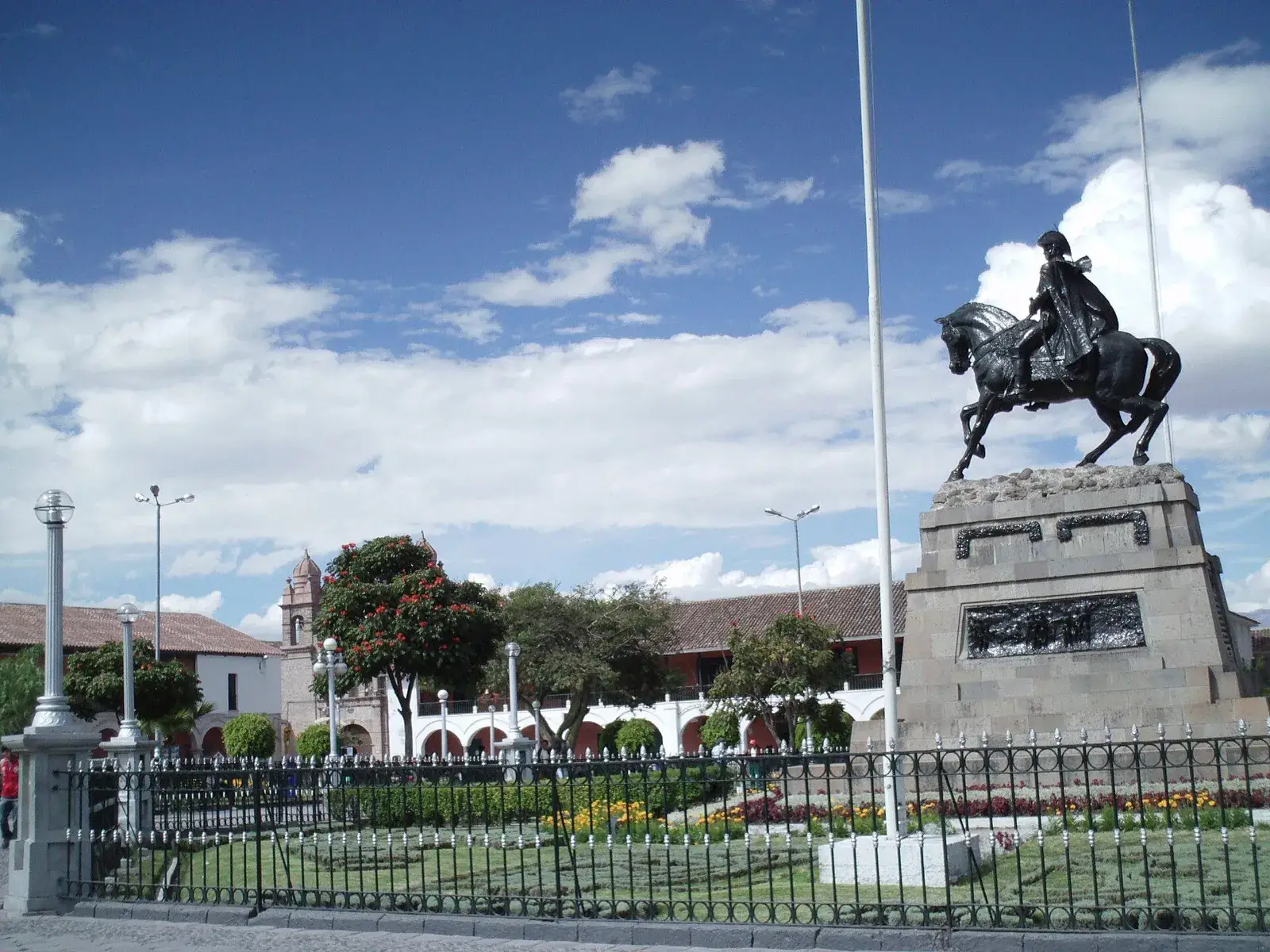
Ayacucho deserves two nights, or four if you come for Holy Week. It is a calm, welcoming colonial city at about 2,750 m with a very strong religious and craft tradition, and few foreign visitors. Some rural areas in the region have different security conditions from the city, so ask your hotel before heading out of town.
In this section
-
 Attraction
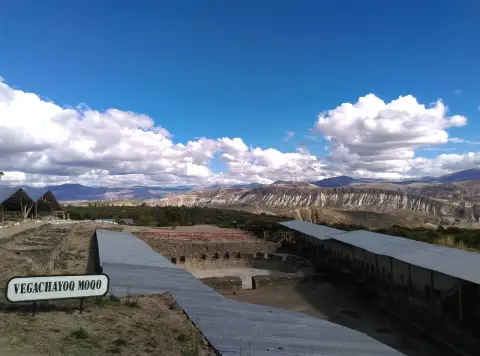
Wari Archaeological Site
The ruined capital of the Wari empire, a sprawling pre-Inca city of walls, tombs and enclosures in the hills north-east of Ayacucho.
-
 Attraction
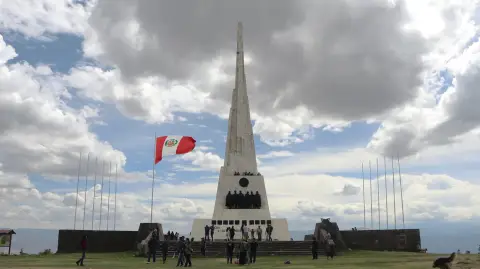
Quinua and the Pampa de la Quinua
The plateau where the last great battle of Peru's independence was fought in 1824, beside a village of potters.
-
 Attraction
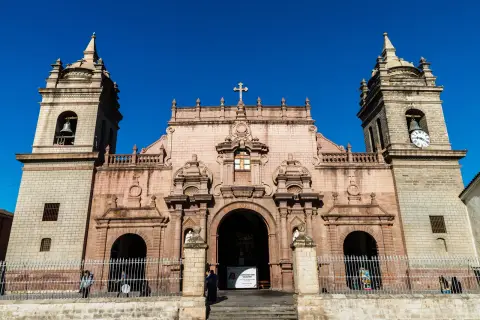
Ayacucho Cathedral and Colonial Churches
A baroque cathedral on the main square and a ring of colonial churches that earned Ayacucho the name city of 33 churches.
-
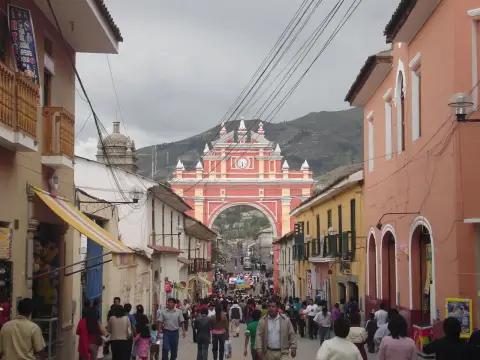 Attraction
Santa Ana Artisan Quarter
A traditional neighbourhood south-west of Ayacucho's main square, known for its small church, its plaza and its family textile workshops.
-
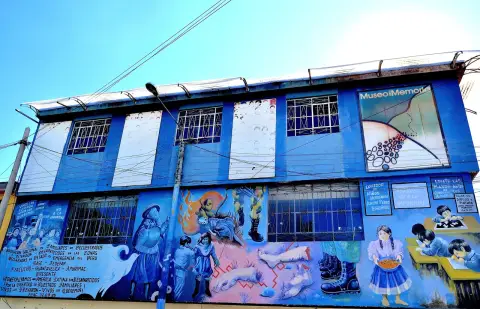 Attraction
Museum of Memory (ANFASEP)
A small museum run by the mothers and relatives of the disappeared, telling Peru's internal conflict from the victims' side.
A city of churches
Ayacucho is often said to have a church for every day of the month. The old centre is a grid of colonial mansions around a large main square, with cathedral, convents and many small churches, several with ornate stone fronts and gilded interiors. The place is a university town, with students, small museums and craft workshops, and it has a relaxed pace that surprises visitors used to larger cities.
The name Huamanga, its older name, is still used in places, including by the university and the province. At about 2,750 m, the city is lower than Cusco, and visitors usually find it easier to breathe, though the first day should still be light. Walk the streets in the morning or at dusk, when the stone glows and local families gather in the square. For the general precautions, see altitude sickness.
Holy Week
Semana Santa in Ayacucho is among the most important Easter celebrations in Latin America. Processions with carved images move through streets carpeted with flower petals and coloured sawdust, and the week ends in a festive Easter Sunday. Hotels fill completely, prices rise and booking far ahead is needed. If you prefer calm, avoid that week, and if you want the spectacle, plan carefully.
The festivities build over several days, with night processions that attract large crowds, and visitors should expect crowded squares, long waits and loud music. Dress modestly in churches and ask before photographing people during religious ceremonies. The dates change each year with Easter, so plan early. For how the calendar works and how holidays affect transport and prices, see festivals and holidays.
History and ruins
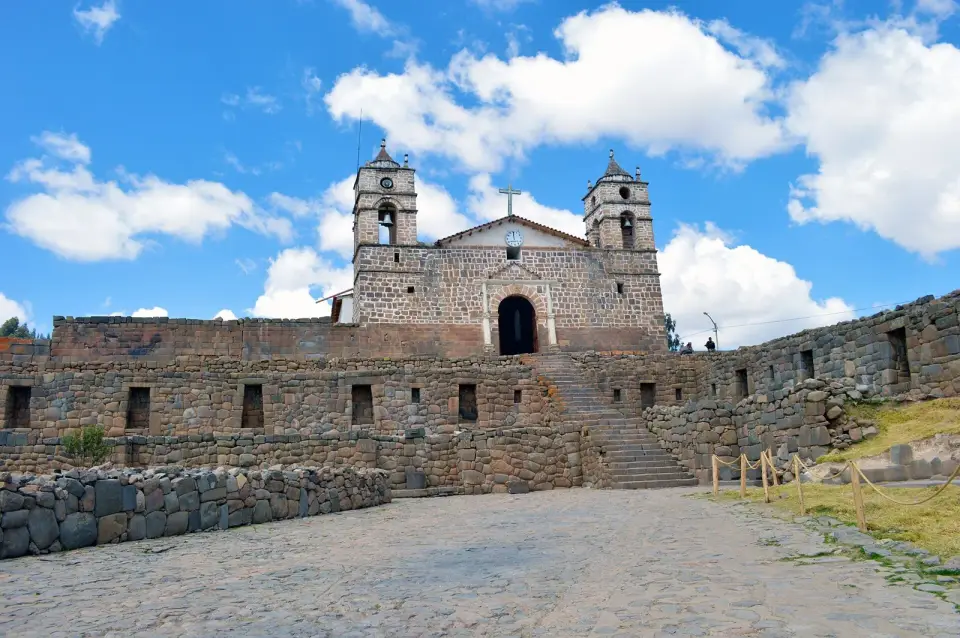
Wari, a short drive from the city, was the capital of an empire that preceded the Incas, with large walls and a tomb complex that shows sophisticated stonework. Some distance away, the Pampa de la Quinua is the site of the battle of Ayacucho in December 1824, which effectively ended Spanish rule in South America, and the village of Quinua is known for its ceramics. A day trip by taxi or tour can combine the two.
The Wari culture flourished before the Incas and influenced art and administration across much of the Andes, which makes the site important for understanding how the later empire arose. At Quinua, a monument on the plain commemorates the battle, and the village has small workshops where potters make the clay churches placed on rooftops. Take sun protection and water, since there is little shade on either site.
Crafts and food
Ayacucho is known for its retablos (painted boxes with miniature scenes), carved alabaster, and textiles. Food includes puca picante, a peanut-based stew, and mondongo, a hearty soup, plus a range of sweets and cheese. Markets are good for fruit, snacks and regional specialities.
Retablos are made by families who have passed the craft down for generations, and a visit to a workshop is the most direct way to understand it. Buy from the maker if you can, and ask about the story behind a piece. Avoid items made from protected materials, and ask the seller about the origin. For general advice, see souvenirs; and local markets make a good first stop for something to eat.
Getting there and when to go
Ayacucho has an airport with flights from Lima, and long buses over mountain roads from Lima, Cusco and Huancayo. The road journeys are slow and affected by landslides and blockades in some periods. The dry season, roughly May to September, is the most reliable, while the rainy months, roughly December to March, bring greener hills and more disruption.
A flight from Lima saves many hours (see flying in Peru), and buses covers the overland alternative. If you travel by road, choose daytime departures where possible and allow spare days. If roads close unexpectedly, see strikes and blockades for what to do.
Fitting Ayacucho into a trip
Ayacucho is not on the standard circuit, which is part of its appeal. It sits between the coast and the southern highlands, and a few days here can complement a route through Lima, Arequipa and Cusco. Because the roads are long, most visitors fly in and out, or combine it with a flight onward to Cusco.
The southern loop itinerary shows how a trip around the main southern sights is built, and Ayacucho is best treated as an extra for travellers who have more time. If you are on a short first visit to Peru, put your days into the more famous places, and keep Ayacucho for a return trip when you want something quieter.
Practical tips
Carry a warm layer, since evenings are cool at this altitude, and sun protection for the day. Cash is useful in markets and small shops, and cards may not be accepted everywhere. Many museums and churches have short opening hours or close for lunch, so plan your day around them.
Spanish is the main language, and Quechua is widely spoken in the region, so a few polite phrases are appreciated; see Spanish phrases. Take care with your belongings in markets, and use registered taxis at night. Overall the city is calm and friendly, and the main practical challenge is the length of the journey to get there.
Map
Weather in Ayacucho
Forecast: MET Norway
Frequently asked questions
Is Ayacucho worth visiting?
Yes for history, crafts and Holy Week, particularly if you want to avoid the main tourist circuit.
Is Ayacucho safe?
The city is generally welcoming, but conditions can change in the wider region. Avoid remote roads at night.
How do I get to Ayacucho?
By plane from Lima or by long-distance bus. The flight saves many hours of mountain road.
When is Holy Week in Ayacucho?
It follows the Christian calendar, so the dates change each year, falling in the days before Easter Sunday. Book accommodation and transport as early as you can.
How many days do I need in Ayacucho?
Two nights covers the centre and a day trip to Wari and Quinua. Add more if you want to see workshops or to join Holy Week.
What is a retablo?
A retablo is a small painted wooden box with scenes in miniature, often showing religious or village life. They are a traditional craft of the region, and make a lightweight souvenir.
Is altitude a problem in Ayacucho?
Less than in Cusco or Puno, but some visitors notice it. Take it easy on the first day, drink water, and speak to a doctor if you have a medical condition.
Can I visit Ayacucho as part of a trip to Cusco?
Yes, though overland travel is long. Many people fly to Ayacucho from Lima and then continue to Cusco by air or by a long road journey.