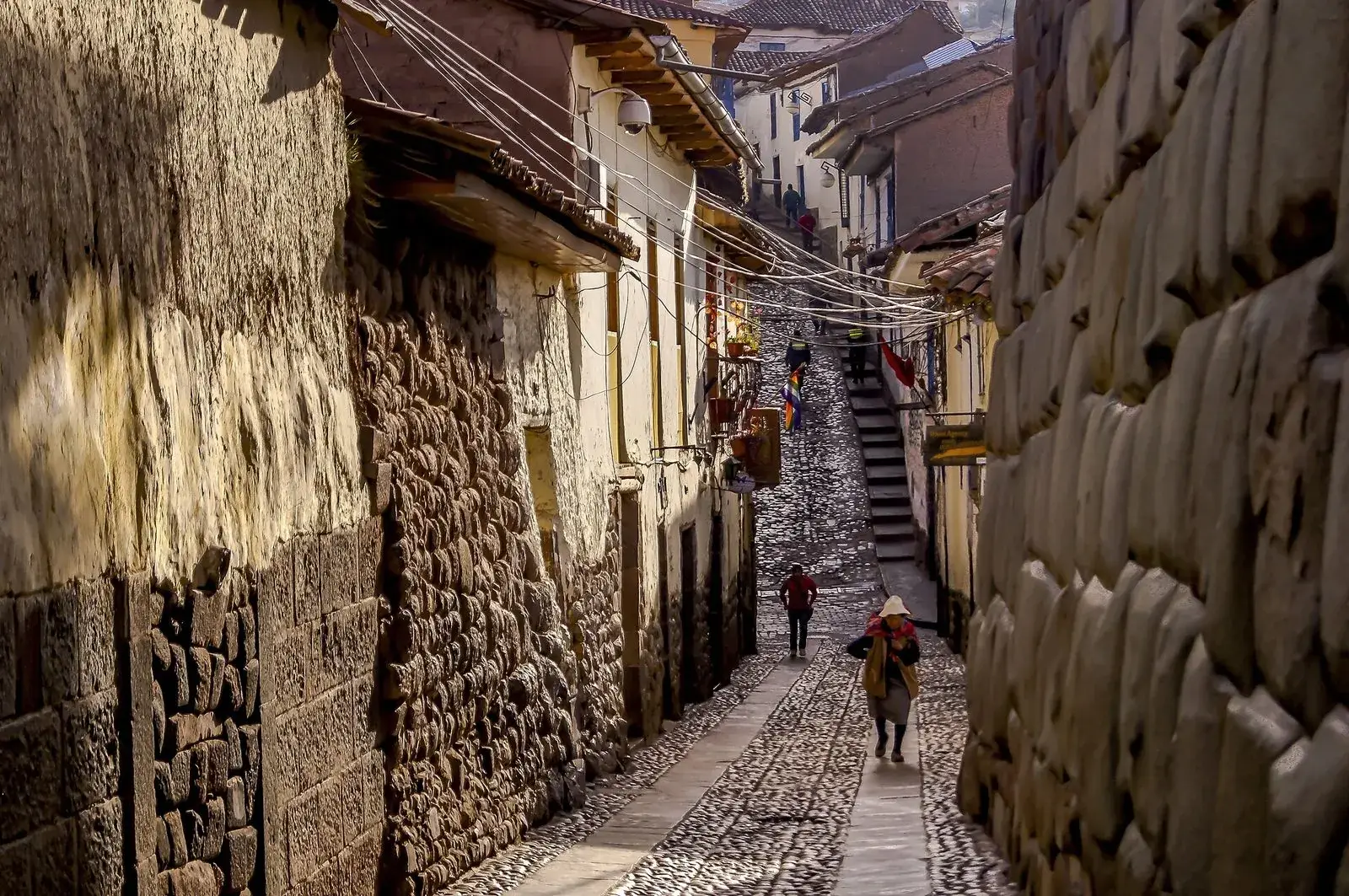
These comparisons exist for the moment when you have narrowed Peru down to two options and cannot decide. Each comparison sets out the criteria first (time, altitude, effort, cost level, crowds, season and risk), then gives a verdict by type of traveller and says when the answer changes.
In this section
-
 Comparison
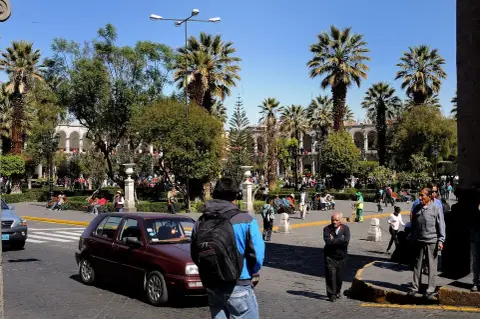
Cusco or Arequipa?
Cusco is the essential stop for Inca heritage and Machu Picchu; Arequipa is the gentler, lower, more relaxed city. Most trips fit one for sure and the other if time allows.
-
 Comparison
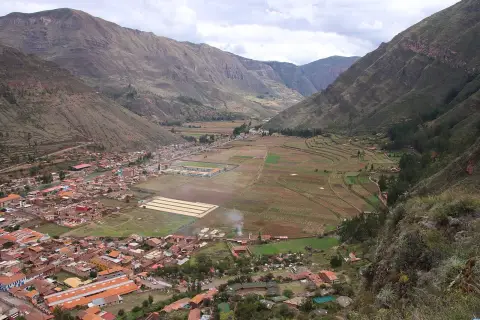
Sacred Valley or Cusco as a Base
Cusco has more to do and more choice; the Sacred Valley is lower, quieter and closer to the Machu Picchu trains. Many travellers split their nights between the two.
-
 Comparison
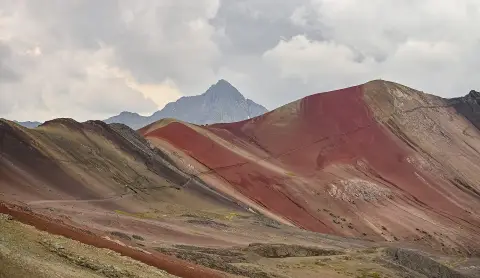
Rainbow Mountain vs Humantay Lake
Both are early-start day trips from Cusco at serious altitude. Humantay is shorter and easier on the legs; Rainbow Mountain goes much higher and asks more of you.
-
 Comparison
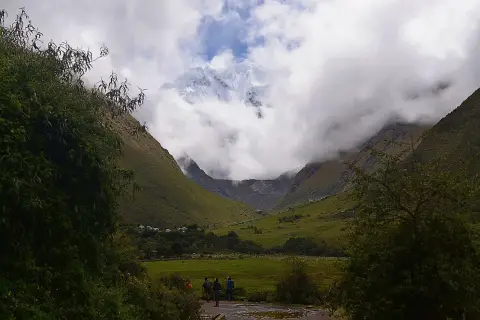
Inca Trail vs Salkantay
The Inca Trail is the classic, with Inca sites along the way and a limited permit system; Salkantay is wilder, higher and easier to book, but reaches Machu Picchu less directly.
-
 Comparison
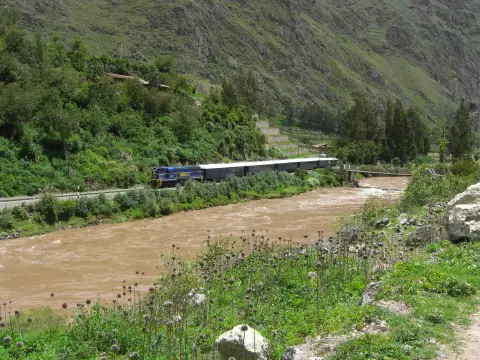
Machu Picchu: Train or Trek?
The train is quick, comfortable and fits a short trip; a trek turns the arrival into the main event but costs days, effort and early booking.
-
 Comparison
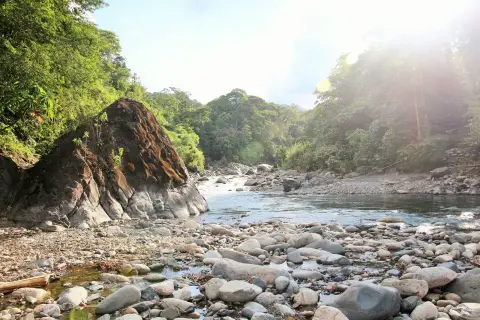
Tambopata, Manu or Iquitos?
Tambopata is the easiest and most popular jungle stay; Manu is remote and wildlife-rich but needs more time; Iquitos suits river-based trips and a different kind of Amazon.
-
 Comparison
Miraflores or Barranco?
Miraflores is the polished, practical choice with the most services; Barranco is the artistic, nightlife-led neighbourhood with more character and fewer conveniences.
-
 Comparison
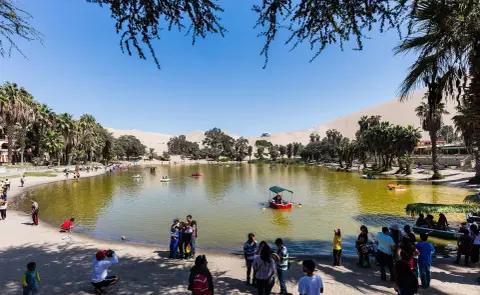
Paracas or Huacachina?
Paracas is for sea wildlife, desert coastline and a calm seaside stay; Huacachina is for dunes, sandboarding and a backpacker atmosphere. Many itineraries use both, but short trips need to choose.
-
 Comparison
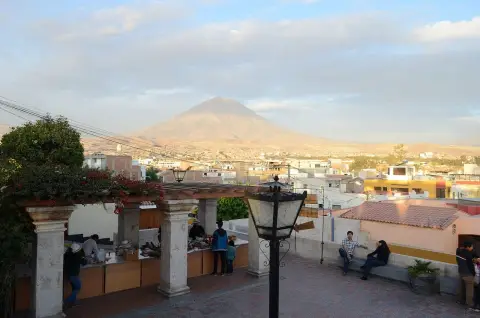
Puno or Arequipa?
Arequipa is the better city to spend time in; Puno is the base for Lake Titicaca and its islands. They do different jobs, so the real question is which one your route needs.
-
 Comparison
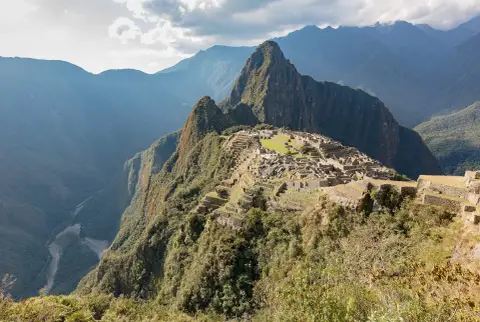
Huayna Picchu vs Machu Picchu Mountain
Huayna Picchu is the steep, dramatic climb with the classic view down on the ruins; Machu Picchu Mountain is longer, higher and calmer, with a broader panorama.
-
 Comparison
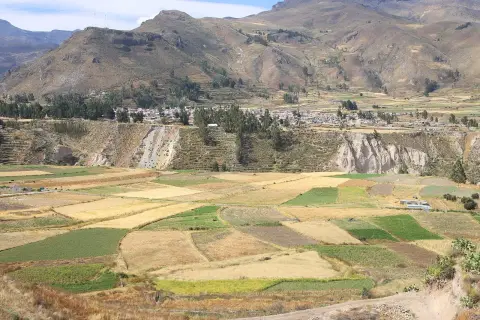
Colca Canyon: Tour or Independent?
A tour from Arequipa is simple and time-efficient; going independently gives more time at the canyon and a lower cost level, but takes more planning and more days.
-
 Comparison
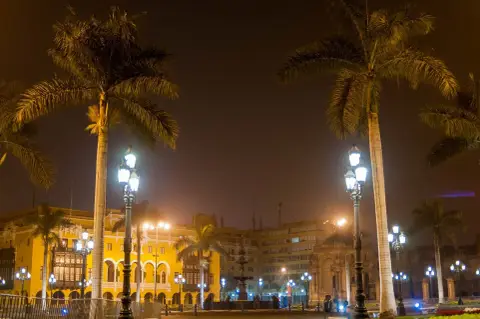
Is Lima Worth Two Days?
Lima is worth two days if you care about food, museums and the coast, and not worth more than a night if you only want the Andes and the ruins.
-
 Comparison
Is Arequipa Worth Visiting?
Arequipa is worth a stop for a handsome colonial city, good food and an easier altitude, especially on a route through southern Peru, but it is not essential on a short first trip.
-
 Comparison
Is the Peruvian Amazon Worth It?
The Amazon is worth it for nature lovers with at least three or four spare days and realistic expectations; it is a poor fit for those wanting guaranteed big-animal sightings or a tight, city-and-ruins itinerary.
-
 Comparison
Is Huacachina Worth It?
Huacachina is worth it for a short, fun adrenaline stop if you like dunes and a social atmosphere; it is skippable if you are short of time or want something quiet or cultural.
-
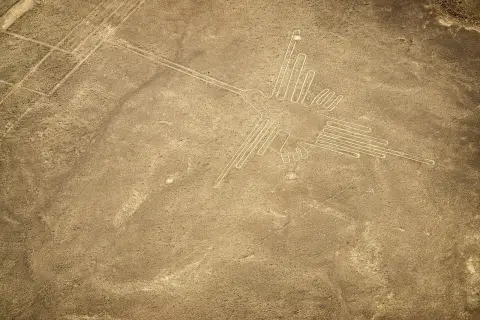 Comparison
Is the Nazca Flight Worth It?
The Nazca flight is worth it for those fascinated by the mystery of the lines and comfortable in small planes; it is skippable for anyone prone to motion sickness, nervous about light aircraft or short of time.
-
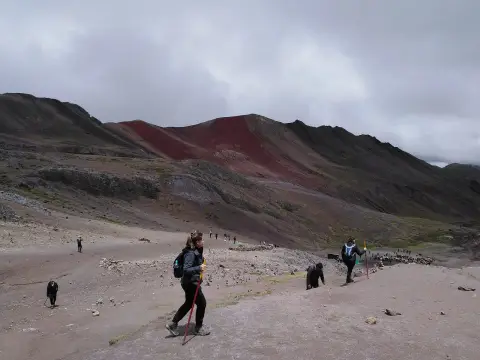 Comparison
Is Rainbow Mountain Worth It?
Rainbow Mountain is worth it for fit, acclimatised hikers who accept the early start and the crowds; it is skippable for anyone short of time, unsure about altitude or hoping for the colours seen in photos.
-
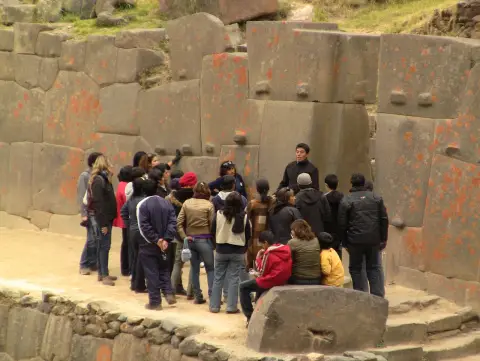 Comparison
Best Tours in Peru Compared
A side-by-side look at the day tours and activities travellers book most, with what is normally included, what costs extra and how to compare two offers.
-
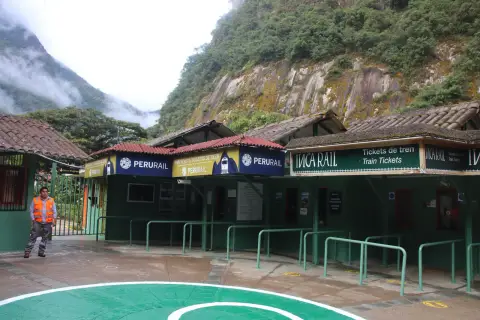 Comparison
Machu Picchu Trains Compared
A decision guide to the Machu Picchu train services, operators and departure points, and how the choice interacts with your ticket time and night in Aguas Calientes.
How these comparisons work
Most Peru planning problems are not about whether a place is good. They are about whether it is good enough to justify the time it costs you, which in Peru is often a full day of travel at each end. So every comparison here starts from the same short list of criteria: how much time it takes, what altitude you will be at, how demanding it is physically, the cost level in plain terms, how crowded it gets, which season suits it and what the main risks are.
We do not declare a single winner, because the honest answer usually depends on who is asking. Instead each comparison ends with a verdict by traveller type, and says what would change it: a short trip, a bad-weather month, a bad knee, a family with small children. If you have not yet fixed the length of your trip, start with how many days to spend in Peru, because almost every verdict here shifts with the days you have.
Choosing between places
If you are deciding where to base yourself, start with the city and base comparisons: Cusco or Arequipa, the Sacred Valley or Cusco as a base, Miraflores or Barranco in Lima, Puno or Arequipa, and Paracas or Huacachina on the south coast. These are mostly questions of altitude, atmosphere and how much time you have, and the answer often turns on whether you arrive from the coast or from the highlands.
A good rule of thumb is that every change of base costs part of a day. Two bases in a week is comfortable; four is a tour of bus stations.
Is a stop worth it at all?
If you are unsure whether a stop deserves a place in your plan, the "is it worth it" questions get a clear answer and a note on who should skip each one. They cover Lima, Arequipa, the Amazon, Huacachina, the Nazca flight and Rainbow Mountain.
These are the places where visitor opinion splits most sharply, usually because the cost is a long journey or an early start and the reward depends on weather, expectations and the kind of traveller you are. A verdict that says "skip it if" is as useful as one that says "go".
Choosing between treks and routes
The Machu Picchu comparisons are the most consequential, because they involve permits, booking windows and several days of your trip. Inca Trail or Salkantay, train or trek, Huayna Picchu or Machu Picchu Mountain: each comparison lays out the trade-offs, and each is worth reading before you pay a deposit, because the permit and ticket systems reward early decisions.
For the day hikes around Cusco, Rainbow Mountain and Humantay Lake are compared directly, and for Colca the question is whether you need a tour or can go independently.
Choosing an Amazon region
For deciding on the jungle, the main regions are compared so you can match a lodge area to your time and budget: where to go in the Peruvian Amazon. It sets out how each gateway is reached, what kind of wildlife and lodge experience each offers, and how many days you realistically need once the flights are counted.
The Amazon is the hardest choice to reverse, because the gateways are far from each other and flights are not cheap. Settle it early, then fit the rest of the route around it.
How to use the verdicts
Treat a verdict as a default, not an order. Read the line that begins "the answer changes if" before you decide, because that is where your own circumstances usually sit: fixed dates in the rainy season, a trip of ten days rather than three weeks, a travelling companion who is sensitive to altitude.
When two comparisons seem to disagree, check the length of trip each one assumes. A recommendation that makes sense for three weeks can be wrong for one, and the reverse.
Frequently asked questions
Which comparison should I read first?
Start with the one that affects the most days of your trip. For most first-time visitors that is how to reach Machu Picchu, then where to base yourself around Cusco.
Are specific tour companies recommended?
No. They compare options and places, not businesses. Choosing a trekking agency covers how to judge an operator.
Why is there no single winner in each comparison?
Because the best choice depends on the traveller. A fit hiker with three weeks and a family with a week and young children can reasonably choose opposite options, so each comparison gives a verdict by traveller type.
How current are the comparisons?
The geography and altitudes rarely change, but permit rules, ticket systems and schedules do.
What if my choice is not covered here?
Check the destinations for a single place, or the itineraries if you are comparing whole routes. The same criteria apply: time, altitude, effort, crowds, season and risk.
Should I decide the comparisons before booking flights?
Decide the big ones first: the Amazon region, whether you will trek to Machu Picchu, and whether you will include the south. These determine your arrival and departure airports and how many internal flights you need.