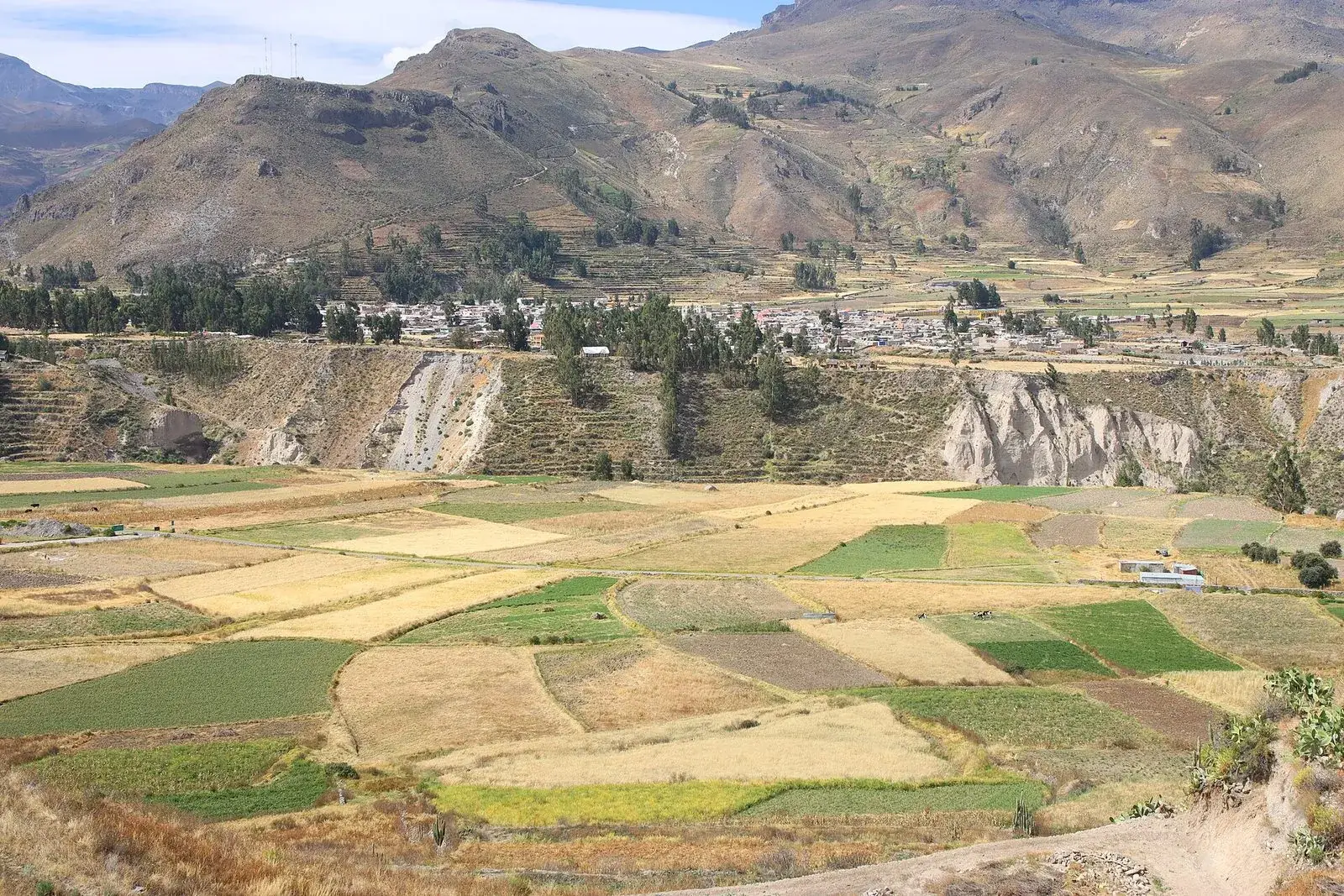
Take a tour if you have two or three days, want the condors and the viewpoint without logistics, and are happy with a fixed schedule. Go independently if you have more time, speak some Spanish, like flexibility, or want to hike into the canyon at your own pace. Either way, plan for altitude and an early start.
The criteria
Time: tours from Arequipa are sold as one-day or two-day trips. The one-day version is very long, with many hours on the road for limited time at the canyon, so many travellers prefer the two-day option. Going independently usually needs at least two nights to be worthwhile.
Altitude: the road from Arequipa climbs to a high pass of around 4,900 m, and the main canyon villages sit at about 3,600 m. This is the main health consideration, since you rise quickly from a lower city.
Effort: the tour mostly involves sitting in a vehicle with short walks. Independent travel adds public transport connections, possible hiking and more decision-making.
Cost level: a tour bundles transport, a guide and sometimes meals, and is priced as a package. Independent travel can cost less per day, especially in small guesthouses, but individual bus tickets, entrance fees and tours add up, and the saving depends on how you travel.
Crowds: the main condor viewpoint is busy in the early morning, particularly when tour groups arrive. Independent travellers can arrive at less crowded times or stay overnight nearby.
Season: the dry months from roughly May to November offer the clearest weather. The rainy season brings cloud and, at times, road interruptions.
Risk: altitude, cold early mornings and, on independent trips, road delays or missed connections. Hiking in the canyon is steep and hot.
How the two options differ in practice
On a tour, the day is built around the viewpoint where Andean condors are most often seen in the morning, with stops at villages, viewpoints and sometimes thermal baths. It is efficient, but the schedule is fixed, and you may spend a significant part of the day in a minibus. A guide provides context on the villages and traditions, which many visitors value. See Colca tours to understand how these trips are usually organised.
Going independently means taking local buses from Arequipa to the main canyon towns, staying overnight and choosing your own timetable. You can spend a full morning at the Cruz del Condor viewpoint, walk part of the canyon and have a slower evening in the villages. The trade-off is that connections are less frequent, information can be inconsistent and a delay can eat into your plans. See Arequipa to Colca route to understand what to check.
What a two-day tour usually includes
Most two-day packages follow the same outline. The first day is a long drive from Arequipa over the high plateau, with a stop at a viewpoint near the pass, a visit to one or more villages and an overnight stay in a canyon town. Some include a visit to hot springs in the evening. The second day starts before dawn for the condor viewpoint, with breakfast afterwards, a few more stops and a return to Arequipa in the afternoon.
Because itineraries vary, ask what is included: meals, entrance to the canyon area, the hot springs and the hotel. The canyon entry ticket is often charged separately, and the price depends on your status. Ask the operator whether it is included, and keep your passport handy.
Many operators will drop you in the canyon or at the town of Chivay at the end if you want to continue independently, which is a useful middle path. Arrange this at booking, not on the day.
Independent travel in detail
Independent travel suits those who enjoy a slower pace. Buses leave from Arequipa's bus terminal for the main canyon towns, and from there you can walk or take local transport to villages and viewpoints. A common pattern is two nights: arrive in the afternoon, rest, be at the condor viewpoint early the next day, then walk or continue to another village.
You will need to carry cash for small guesthouses and local buses, since card payment is not guaranteed in the villages. Basic Spanish is a real help, because timetables are not always written down and are sometimes changed on the day. See Arequipa to Colca route and ask your Arequipa accommodation about schedules.
Remember the early start: reaching the condor viewpoint at the best time usually means leaving the village in the dark, so book a taxi or a seat the evening before.
Trekking into the canyon
If your aim is to walk, the canyon offers routes that descend steeply to the river and climb out again, often with an overnight stay at a basic lodge at the bottom. The descent is hard on the knees and the climb out is a long, hot effort at altitude. Trails are not always marked, and a local guide adds safety as well as knowledge.
You can arrange a guide in the villages or book a trekking package in Arequipa. For the main routes, see the Colca trek, and for the wider context, the Colca Canyon.
Walking in the heat of the day is the most common mistake. Start early, carry plenty of water, bring sun protection and plan your return rather than hoping for a lift. If you are unsure of your fitness, a tour with short walks is the safer option.
Verdict by traveller type
Short itineraries and first-time visitors: a two-day tour.
Hikers and slow travellers with at least three or four days: independent, or a mix of independent travel and a local guide for the walking.
Anyone worried about altitude: a tour with a reputable operator who monitors the group, or skip the canyon.
Solo travellers: either works; tours are an easy way to meet people, independent travel is cheaper if you are comfortable with local buses.
The answer changes if you want to trek into the canyon itself, which is better planned with a guide, or if the roads are disrupted by rain, in which case ask your accommodation about conditions before committing. For a broader view of the trade-off between booked and self-organised travel, see guided versus independent.
Frequently asked questions
Can I do the Colca Canyon in one day from Arequipa?
Operators sell it, but it is a very long day with limited time at the viewpoint. A two-day trip is generally more comfortable.
When are condors most likely to be seen?
Early to mid-morning is the usual window, though sightings are never guaranteed.
Do I need to buy a ticket for the canyon?
A visitor entry fee is commonly charged for the canyon area and is often separate from the tour price. Ask the operator if it is included, and carry your passport.
Is Colca Canyon suitable for children?
The altitude and the long drive make it a tiring trip for young children. For older children, a two-day tour with short walks may be manageable. Check with a doctor first.
Should I stay in the canyon or return to Arequipa?
Staying overnight lets you reach the condor viewpoint early and avoids the longest day trip. If you only have a day, the return in the evening is the price of the shortcut.
Is it better to go in the dry season?
The dry months give the clearest weather and more reliable roads, while the rainy season may bring cloud and delays. Condors can be seen in both, but the views are better in clear conditions.
Can I go from Colca to Cusco or Puno?
Some buses and tours continue from the canyon to Puno or Cusco, but they run on schedules that change, so ask locally. Doing so can save you a return to Arequipa.