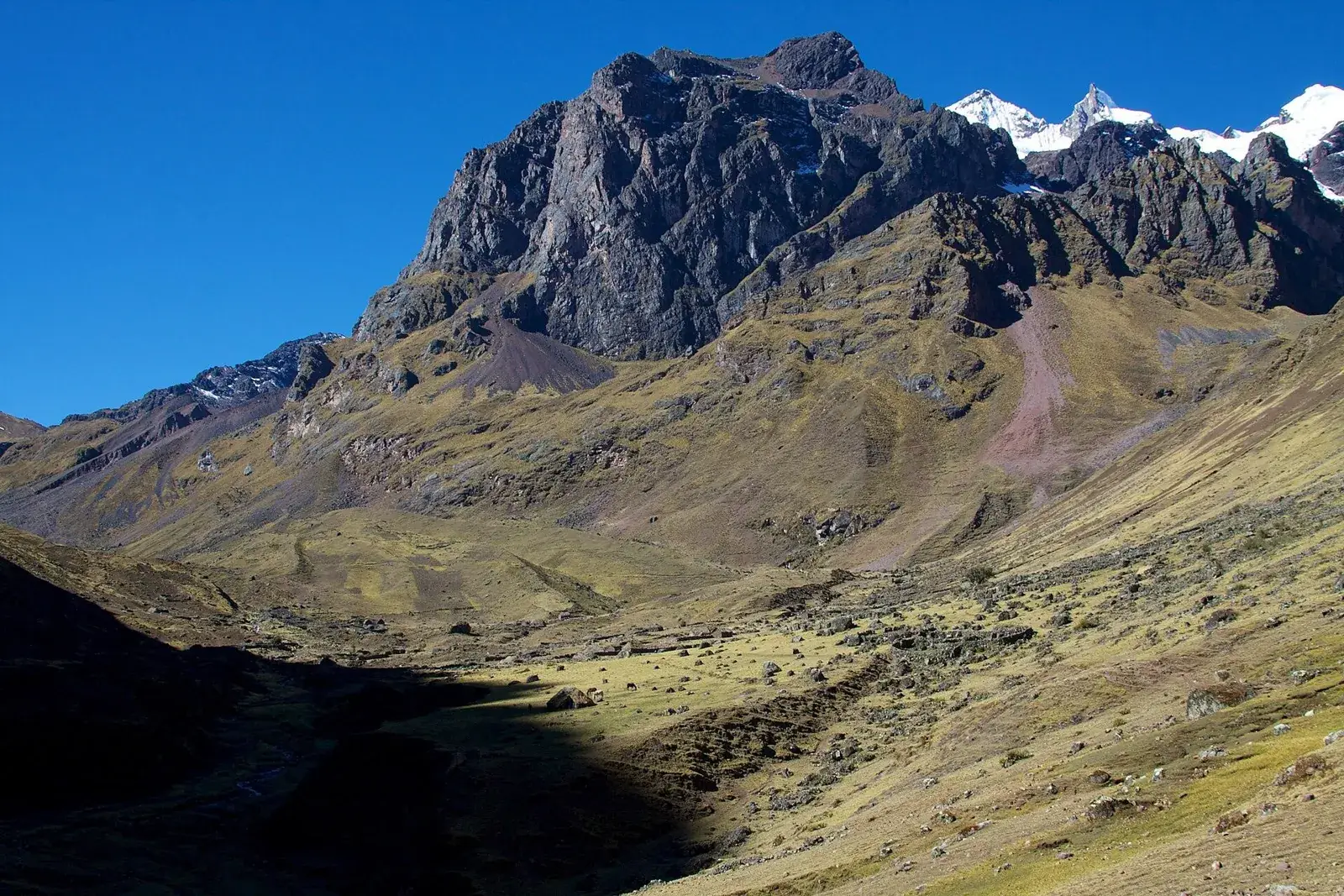
Peru has treks for almost every level, from half-day lake walks to circuits of ten days above 4,500 m. Most first-time visitors choose between the Inca Trail, the Salkantay trek and the Lares trek around Cusco, or a day hike such as Humantay Lake. The Cordillera Blanca near Huaraz offers the best mountain scenery, and Huayhuash and Ausangate are for experienced walkers.
Whatever you pick, altitude matters more than fitness: arrive early and acclimatise before anything long.
In this section
-
 Trek
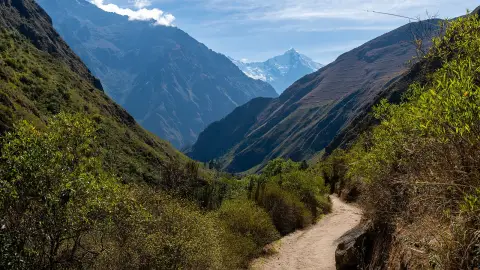
Inca Trail to Machu Picchu
The classic four-day walk to Machu Picchu on original Inca paths, regulated, permit-only and best booked months ahead.
-
 Trek
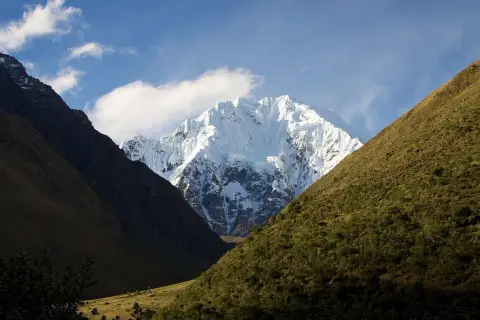
Salkantay Trek
A high, scenic alternative to the Inca Trail that crosses the Salkantay pass and reaches Machu Picchu without a permit quota.
-
 Trek
Rainbow Mountain (Vinicunca)
A striped mountain at around 5,000 m, reached on a very long day from Cusco that is harder than the distance suggests.
-
 Trek
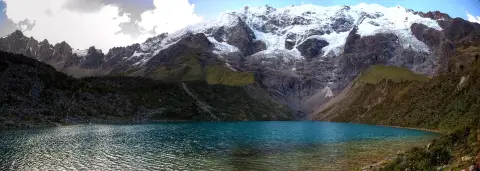
Humantay Lake
A turquoise glacial lake below the Humantay peak, reached by a short but steep climb on a long day from Cusco.
-
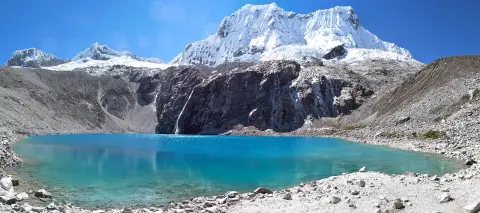 Trek
Laguna 69 Hike
A demanding day hike in the Cordillera Blanca to a vivid glacial lake beneath Chacraraju, best done after acclimatising in Huaraz.
-
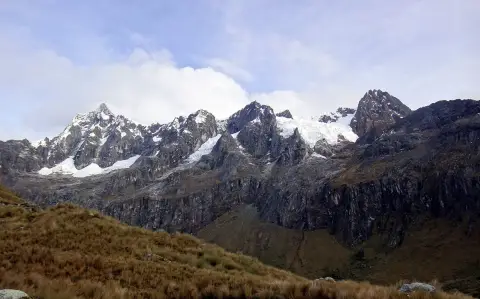 Trek
Santa Cruz Trek
A four-day walk through glacial valleys and over a high pass, often called the most beautiful trek in the Cordillera Blanca.
-
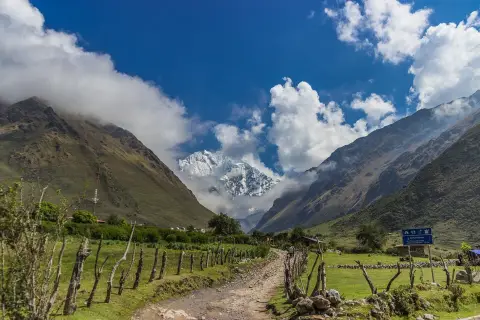 Guide
Best Trekking Tours in Peru
How to choose the tour that fits your time, fitness and interests, route by route, with the trade-offs for each.
-
 Guide
Acclimatisation for Peru Treks
Practical itinerary advice for adjusting to altitude before a trek, with warning signs and when to descend.
-
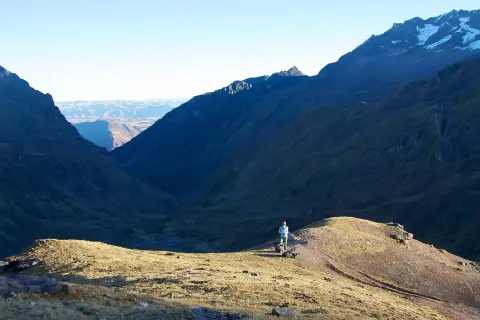 Trek
Lares Trek
A quieter three-day walk through herding and weaving communities, a gentler and more cultural alternative to other Machu Picchu treks.
-
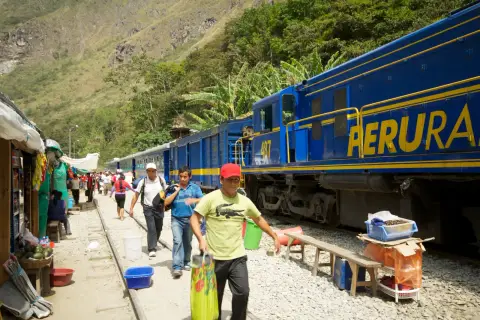 Trek
Inca Jungle Trek
A multi-activity route to Machu Picchu that swaps long hiking for biking, rafting and short walks, with its own risks.
-
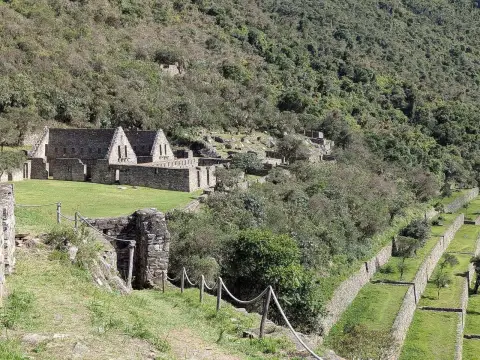 Trek
Choquequirao Trek
A demanding, quiet walk to a large Inca site that few visitors reach, descending into a canyon and climbing out the other side.
-
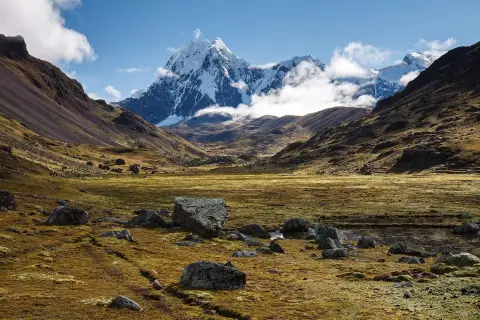 Trek
Ausangate Trek
A remote, high-altitude loop beneath a 6,000 m glaciated peak, for walkers already used to altitude.
-
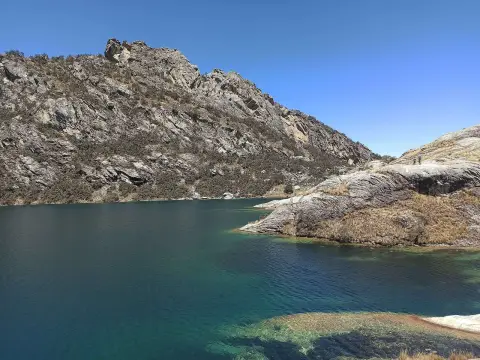 Trek
Laguna Churup
A half-day climb with a short rope-assisted scramble, close to Huaraz and a good first test of your altitude tolerance.
-
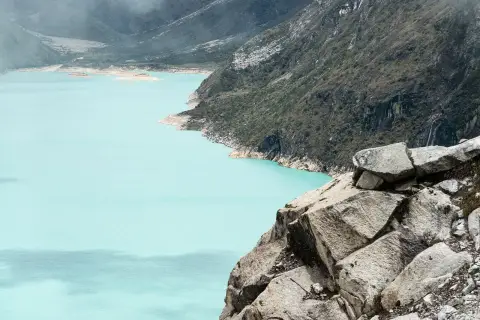 Trek
Laguna Parón
A large turquoise lake under a pyramid-shaped peak, reachable by a long road drive with only a gentle walk, ideal for a rest-friendly day.
-
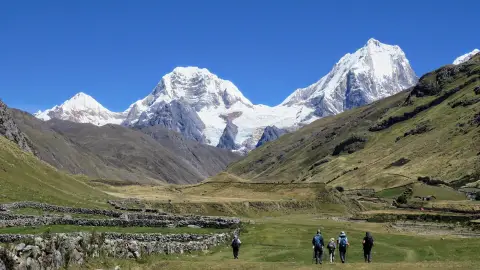 Trek
Huayhuash Circuit
A long loop around a compact range of 6,000 m peaks, with repeated high passes, remote camps and little room for error.
-
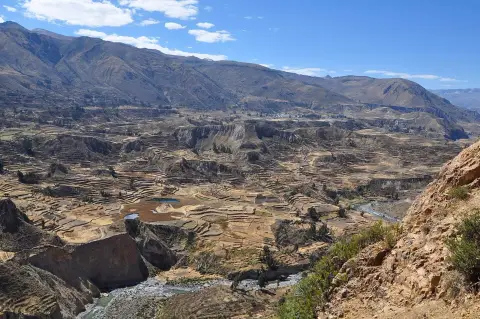 Trek
Colca Canyon Trek
A steep walk into one of the world's deepest canyons, with a green oasis at the bottom and a tough climb back out.
-
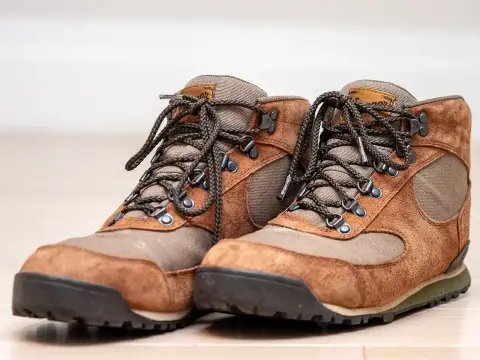 Guide
Trekking Gear for Peru
A realistic kit list for Peruvian treks, with what to bring from home, what to rent locally and what operators normally supply.
Two trekking regions, two different experiences
Trekking in Peru is concentrated in two areas. Around Cusco, the routes are cultural as much as scenic: they cross high passes, but they also pass Inca ruins, farming villages and, for several of them, end at Machu Picchu. The Inca Trail, the Salkantay trek, the Lares trek and the Inca Jungle trek all belong to this group, along with the remote Choquequirao and Ausangate routes.
Around Huaraz, in the Cordillera Blanca and the Cordillera Huayhuash, the draw is pure mountain landscape: glaciers, turquoise lakes and peaks above 6,000 m. Culture plays a smaller part, and the routes feel wilder. Day hikes such as Laguna 69, Laguna Churup and Laguna Parón make good introductions, while Santa Cruz is the classic multi-day route and Huayhuash the serious circuit.
Matching a route to your level
If you want a first multi-day trek with Machu Picchu at the end, the Inca Trail is the best known, but it needs a permit booked well ahead. Salkantay and Lares are more flexible on dates, and Lares is generally the gentler of the two. The Inca Jungle trek mixes walking with cycling and other activities and suits people who do not want a long, pure hike.
For fit walkers who like quiet trails, Santa Cruz, Choquequirao and Ausangate reward the effort. Huayhuash is the most demanding of the group, with long days, repeated high passes and camping that is genuinely remote.
A useful way to choose is to ask three questions in order: how many days you can spare, how many of them you can spend at altitude before the walk starts, and whether you care more about ruins or about mountains. The answers usually narrow the field to two or three routes.
Tours and activities
Bookable online, chosen for their traveller reviews.
-
★ Top rated From €23 per person
-
Day trip From €29 per person
-
★ Top rated From €49 per person
Machu Picchu
Machu Picchu Entry Ticket for Circuit 1, 2 or 3
-
★ Top rated From €22 per person
Day hikes are a different category
Humantay Lake, Rainbow Mountain and Laguna 69 are short in distance but happen at very high altitude, so they are harder than they look on a map. They are sold as long day trips with a very early start and a transfer of several hours each way, which makes them tiring even for fit people. Read about Humantay Lake and Rainbow Mountain, or Rainbow Mountain versus Humantay, before choosing.
The Colca trek offers the opposite profile: a steep descent into the canyon and a hard climb out, at lower altitude but with heat and dust as the main challenges. Most of these day trips are best placed after a few days of acclimatisation, not at the start of a trip.
Season and booking
The dry season, roughly May to September, is the main trekking window: clear skies, cold nights and the most crowded trails. The wet season brings mud, cloud and a higher chance of landslides or cancelled departures, and some routes close for maintenance during part of it. Shoulder months can work well, but weather is less predictable. For what to expect month by month, see dry season.
Plan permits and operators early for anything regulated. Most multi-day routes are sold as organised trips with guides, porters or muleteers and camping equipment, and some routes legally require it. Choosing an agency explains what to check, and gear covers what to carry and what you can rent locally.
Building trekking into a longer trip
A multi-day trek works best when it comes after a few days of lower, gentler sightseeing. A common pattern is to land in Lima, fly to Cusco, spend two or three nights in the Sacred Valley and only then start walking. For how to build that buffer, see acclimatisation, and the trekking itinerary puts it into a day-by-day plan.
Leave a spare day after the trek as well. Weather delays, blocked roads and tired legs are all more likely than people expect, and an onward flight booked for the evening you finish is a common source of stress. If Machu Picchu is part of the plan, remember that its tickets are separate from the trek on most routes.
Independent walking or an organised trip
Some routes can be walked without an operator, but many cannot. The Inca Trail requires a registered operator, and remote circuits such as Huayhuash are risky without experience, navigation skills and self-sufficiency. In the Cordillera Blanca, many day hikes can be done by public transport and a national park ticket, while the longer routes are usually sold with arrieros and mules.
An organised trip takes care of tents, food, porters and the Machu Picchu ticket, but quality varies widely. Look at the guide ratio, group size and porter conditions rather than only the price. Best tours sets out the checks in detail.
Frequently asked questions
What is the best trek in Peru for a first-timer?
For a first multi-day trek, many people pick the Inca Trail if they can get a permit, or the Lares trek for a gentler and more flexible option. For a single day, Humantay Lake is a popular first taste of high-altitude walking.
Do I need to be very fit?
Reasonable fitness helps, but altitude is the real obstacle. A moderately fit person who has acclimatised usually does better than a very fit person who arrived the day before.
Can I trek in Peru without a guide?
Some routes can be walked independently, but others legally require a licensed guide or a registered operator, and remote routes are risky without experience.
How many days do I need for a trek in Peru?
A day hike needs one day plus acclimatisation beforehand, while the main Cusco routes take three to five days. Allow at least three extra days at altitude before a multi-day trek and one spare day afterwards.
Which month is best for trekking in Peru?
June to August is the driest and clearest window in the Andes, though also the coldest at night. May and September are often a good compromise with fewer people.