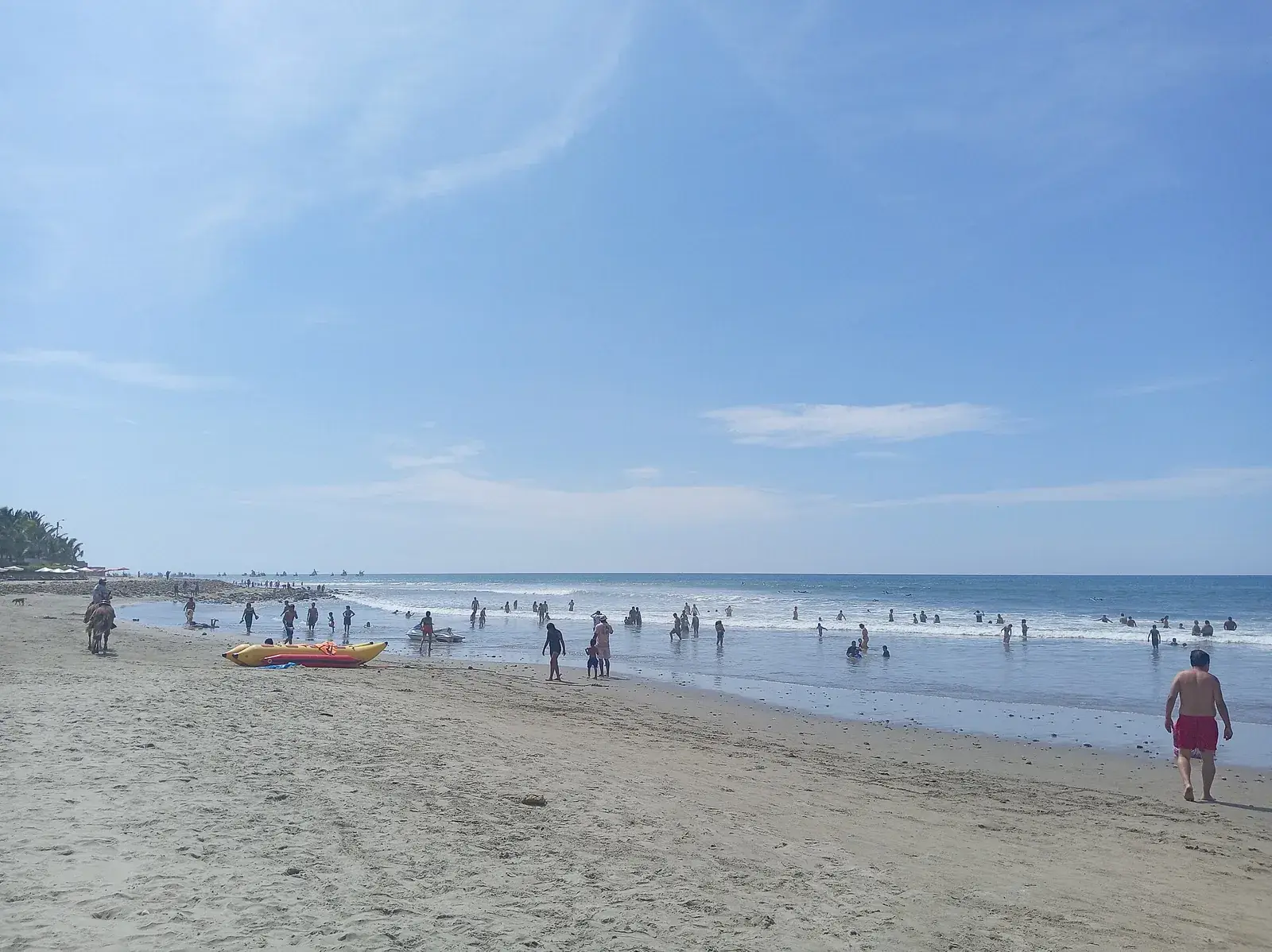
Mancora is a beach rest stop: two or three nights is enough, longer if you surf or want to do nothing. It has the warmest sea in Peru and sunshine through most of the year, which makes it a good contrast to the mountains. It can be lively and loud, so choose where you stay with that in mind.
In this section
-
 Attraction
Punta Sal Beach
A long, sheltered beach with warm, calm water in the Tumbes region, a quieter alternative to Máncora a short drive to the north.
-
 Attraction
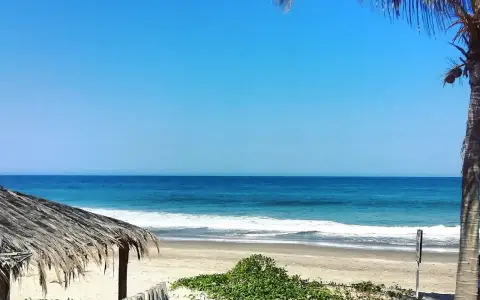
Vichayito and Las Pocitas
Two relaxed beach areas south of Máncora, with small hotels, open sand and a slower pace than the main town.
-
 Attraction
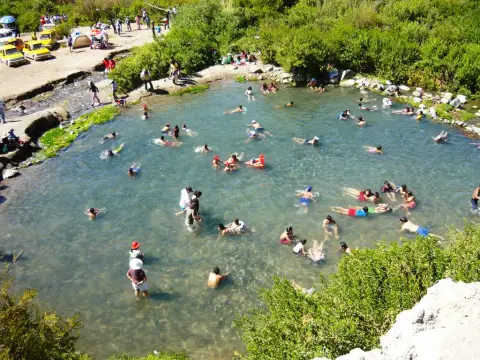
Fernández Hot Springs
A small, little-visited hot spring in the dry forest inland from Máncora, reached by a rough track and best treated as a half-day change from the beach.
A different Peru
Mancora sits near the border with Ecuador, where the cold current that chills the rest of the Peruvian coast gives way to warmer water. The climate is tropical, with dry scrub inland and palm-lined sand along the shore. The town grew from a fishing village around the main highway, which runs through the middle of it, and it still has something of a roadside feel with moto-taxis and shops.
Its role is simple: sun, sea and food. It does not offer museums or colonial architecture. Travellers who have spent days among Andean ruins and high passes often find that a few days here reset the body, because the air is thick and warm, the pace is slow and nothing is expected of you. If you want a contrast with the cooler beaches further south, such as those near Paracas, this is it.
Beaches and surf
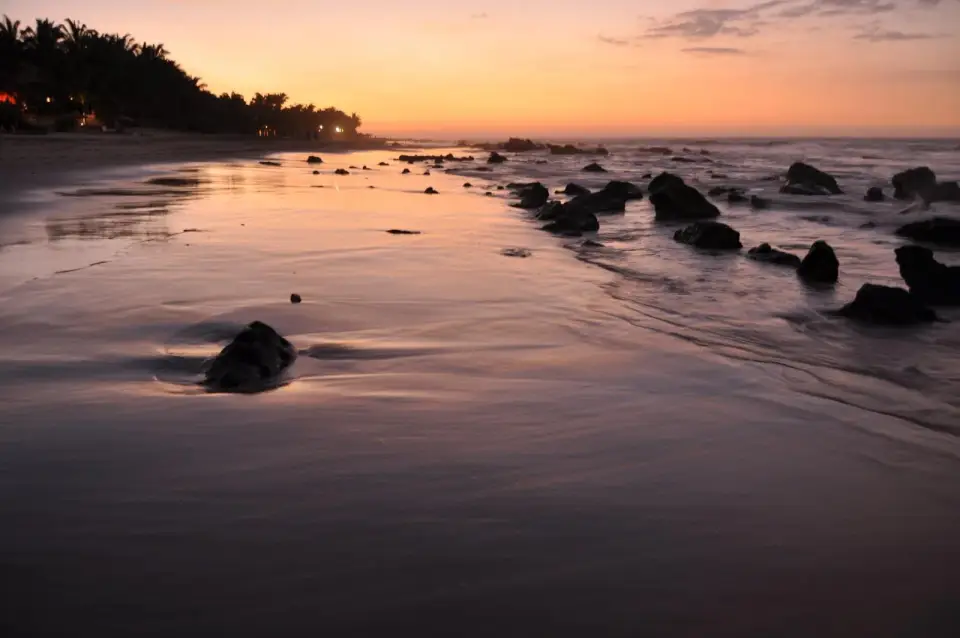
The main beach is long and wide, with consistent waves that suit beginners as well as more experienced surfers, depending on the season. Kitesurfing is also popular because of steady winds in some months. North and south of the town are quieter beaches, some with boutique hotels and some with almost nothing. In the evening, sunset on the beach and fresh fish are the main entertainment.
Surf schools and board rental are easy to find, and lessons are the obvious way to spend a first day. Ask schools about their safety rules and the state of the sea, because currents can be strong, and take shade seriously: the sun on the equatorial coast burns quickly, even through cloud. Evenings are warm enough for dinner by the sea, and beach bars set up tables on the sand.
Whales, turtles and day trips
Between roughly July and October, humpback whales travel along this coast and boat trips go out to see them from nearby ports. Sea turtles are also seen in some places. Neighbouring fishing villages and hot springs inland offer a change from the beach, and mangroves to the north form a nature reserve. Ask local operators about the season and responsible practice.
Whale-watching boats should keep a respectful distance and limit time near the animals, and a good operator will explain the rules before you board. Sightings cannot be guaranteed. Day trips by taxi or small tour are easy to arrange in town, and the countryside inland offers a quieter side of the region, with villages, farms and dry forest that rarely feature in beach itineraries.
Where to stay
The central strip along the highway is the loudest part, with bars and hostels, and sleeps lightly. Quieter areas lie a short drive south or north, with bungalows and small resorts. Choose by atmosphere: if you want to party, stay in town; if you want calm, stay out of it.
Rooms near the beach are the most expensive, and air conditioning or a good fan matters in the humid months. Mosquito protection is also useful, since the coast is tropical. Look at the location carefully before booking: a hotel described as close to the beach may still be a long walk, and one at the heart of town may have music until the early hours. Ask about water and electricity supply, which can be patchy in smaller places.
Food and evenings
The fish is the point. Ceviche, grilled fish, rice with seafood and fried fish with sweet potato are everyday dishes, and the best places are usually simple. Eat lunch at a seafood restaurant where the catch is on display, and keep dinner light if the weather is hot. Fresh coconut water and fruit juices are common drinks.
The evening scene runs from quiet dinners to loud beach bars, and the most lively nights are at weekends and in the high season. Take care with drinks in crowded places, keep an eye on your belongings and agree taxi fares in advance. For the regional cooking, see food in the north, and the general advice on safety in Peru applies on the beach as elsewhere.
When to go
The warmest weather is roughly from December to April, with hot days and a warm sea, and this is also the busiest period for Peruvian holiday-makers. From roughly May to November it is cooler and often cloudier, though still mild. Surf conditions vary through the year.
If you want guaranteed sun and calm hotel rates, neither extreme is perfect: the high season is hot and busy, and the cooler months can be grey. The shoulder months offer a balance of mild temperatures and fewer people. See weather by region for how the coast differs from the Andes and the Amazon.
Getting there
Mancora is a long way from Lima. Overnight buses take many hours, and flights serve the airports at Talara and Tumbes, followed by a road transfer. It is more common to approach it from the north coast, combining it with Chiclayo or Trujillo.
See Lima to Máncora to compare the main options. Overnight buses are cheaper but tiring, while a flight and a transfer save time but cost more. Whichever you choose, avoid arranging a tight connection with a flight home, and leave a day of margin. If you are coming from the north, Trujillo and Chiclayo make natural stops on the way.
Fitting Máncora into a trip
Máncora suits the end of a trip, when legs are tired and a few days of sunshine are welcome, or the end of a northern loop. The northern itinerary places it after the archaeological sites. It is less natural as a stopover between Lima and the Andes, since it is far from both.
If your trip is mainly mountains and ruins, you can skip the beach altogether, and use the time elsewhere. For a different kind of coastal stop, with desert scenery and wildlife, consider Paracas instead. The choice depends on whether you want warm water and surf or nature and archaeology.
Map
Where to sleep
-
Máncora
Beach town on the north coast, from surf hostels to resorts
A beach town with surf hostels, boutique hotels and resorts, restaurants and bars within walking distance of the sand. Easy to reach from the airport at Talara and by overnight bus.
Keep in mind: The main road is noisy with traffic, and the beach is quieter further from the centre.
Find hotels → -
Vichayito
Quieter beach and bungalow resorts a short ride south of town
A quieter stretch of beach just south of Máncora, with bungalow resorts and small hotels facing the sea. Good for couples and for families who want space.
Keep in mind: There are few restaurants within walking distance, and you will take a mototaxi or taxi to Máncora for nightlife.
Find hotels →
Weather in Máncora
Forecast: MET Norway
Frequently asked questions
Is Mancora good for swimming?
Yes, the sea is warmer than elsewhere in Peru, although currents and waves can be strong. Follow local lifeguard advice.
When is whale-watching season?
Roughly July to October, though sightings are never guaranteed.
Is Mancora a party town?
Parts of it are. Quieter beaches nearby offer calmer alternatives.
How many days should I spend in Mancora?
Two or three nights is enough for most travellers. If you plan to take surf lessons or join a whale-watching trip, add a day or two.
Do I need a visa or special documents to reach Ecuador from Mancora?
Border rules differ by nationality and can change. Carry your passport.
Is Mancora safe for solo travellers?
Many people travel there alone and have no problems, but the usual precautions apply: watch belongings on the beach, take care at night and avoid walking alone on empty stretches of sand.
Is it good for beginners to learn to surf?
Yes, conditions are friendly for beginners in many months, and schools offer lessons and board hire. Check the sea conditions with your instructor, and use sunscreen and a rash vest.
Is Mancora crowded?
In the high season, from roughly December to April, and during national holidays it can be crowded and noisy. In other months it is calmer, and quieter beaches are within easy reach.