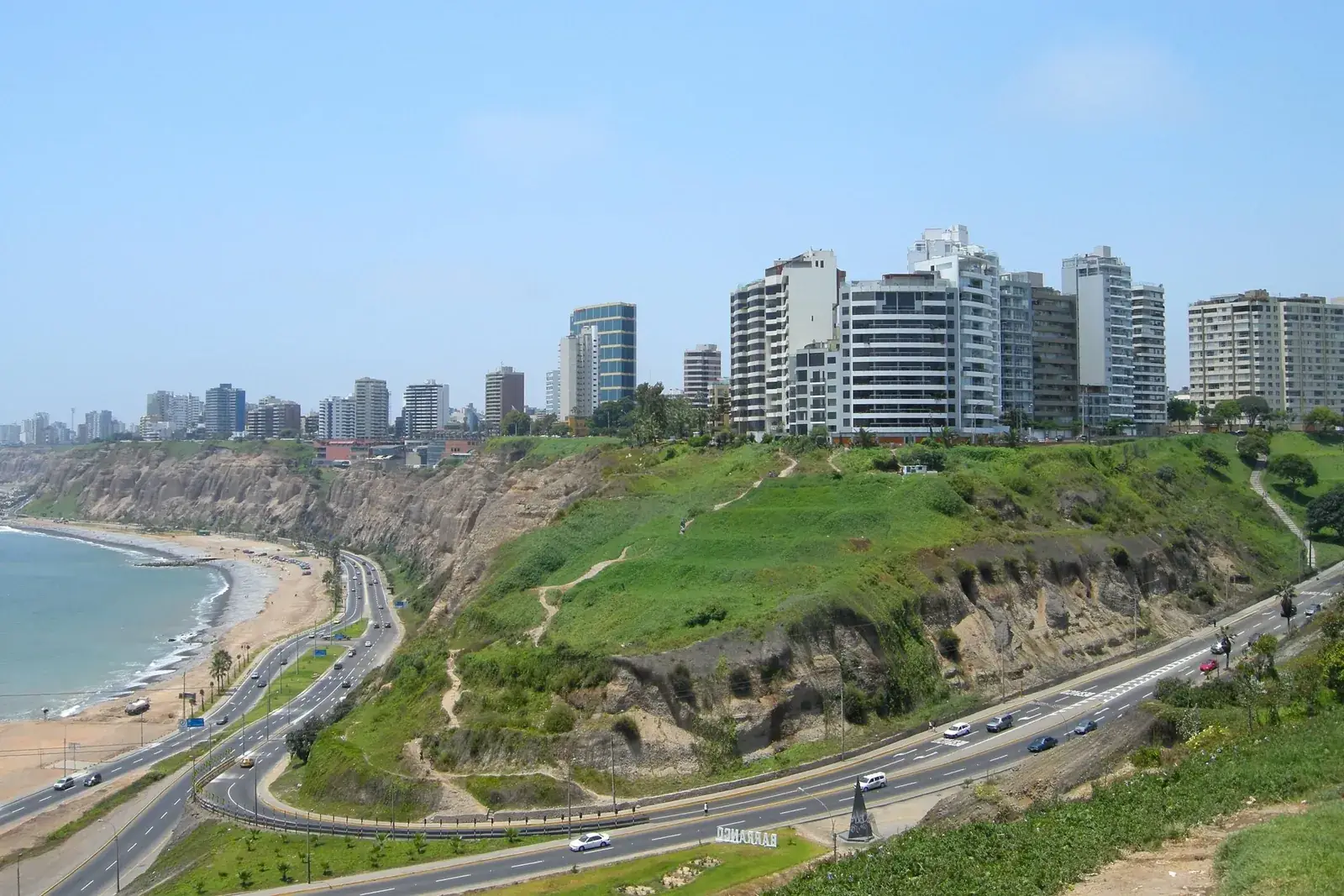
Two nights is enough for a first look at Lima, three if food and museums matter to you. Base yourself in Miraflores or Barranco, spend one day on the historic centre and a museum, and keep an evening for a long dinner. Lima is usually a gateway rather than the main event, but it rewards anyone who gives it more than a transfer night.
In this section
-
 Destination guide
Where to Stay in Lima
Lima is a huge, spread-out city, and the district you sleep in shapes your trip more than the hotel itself.
-
 Destination guide
Things to Do in Lima
Lima rewards a short stay with colonial plazas, adobe temples, excellent museums and one of Latin America's strongest food scenes.
-
 Destination guide
Best Tours in Lima
Lima's tours fall into a few clear types, and some are better done independently.
-
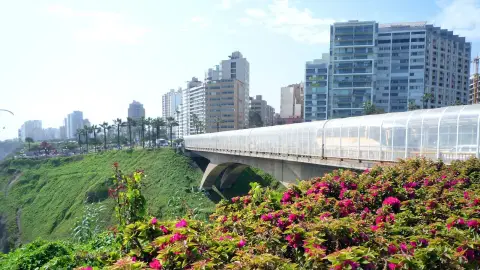 Attraction
Miraflores, Lima
Lima's polished coastal district: clifftop parks, restaurants and an easy base for a first visit.
-
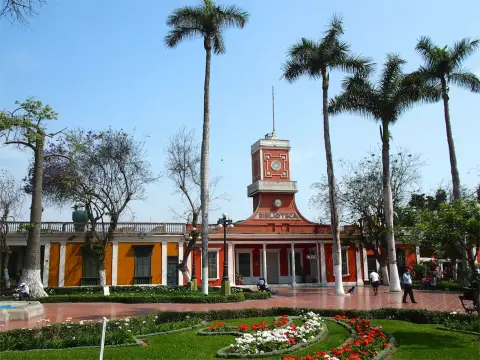 Attraction
Barranco, Lima
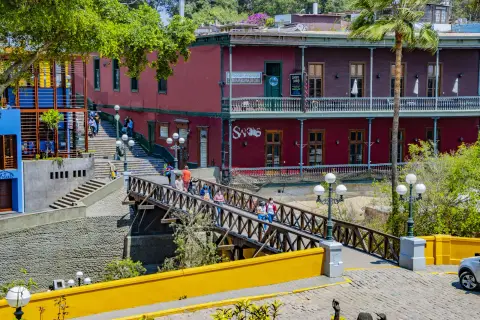
Lima's artistic neighbourhood of old mansions, murals, galleries, bars and a famous wooden bridge.
-
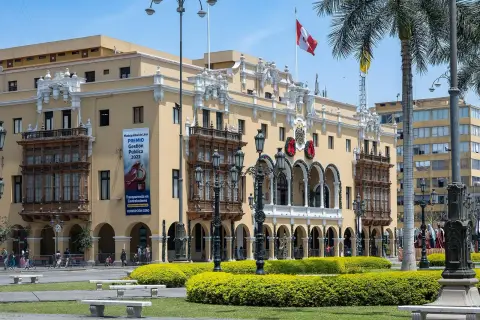 Attraction
Lima Historic Centre
Colonial Lima around the Plaza Mayor: cathedral, convents, balconies and a lot of history, best seen with a plan.
-
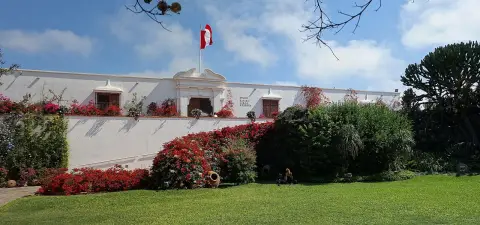 Attraction
Larco Museum
A well-presented private museum of ancient Peruvian art, and the best single introduction to the cultures you will meet elsewhere.
-
 Attraction
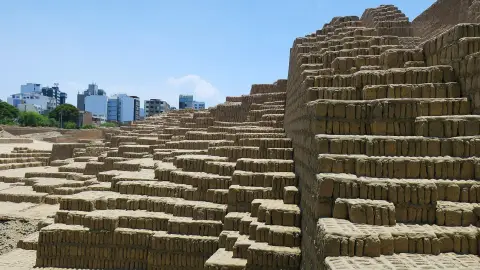
Huaca Pucllana
A large pre-Inca adobe and clay-brick temple mound surrounded by Miraflores apartment blocks.
-
 Attraction
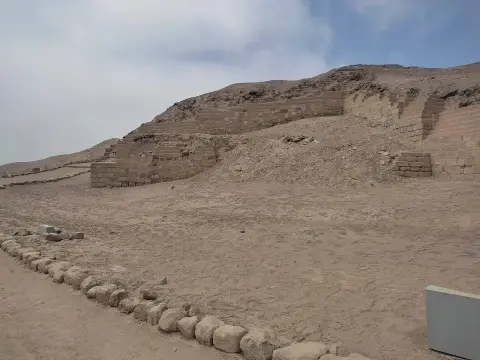
Pachacamac
A large pre-Hispanic religious centre on the coast south of Lima, with temples, pyramids and a site museum.
-
 Attraction
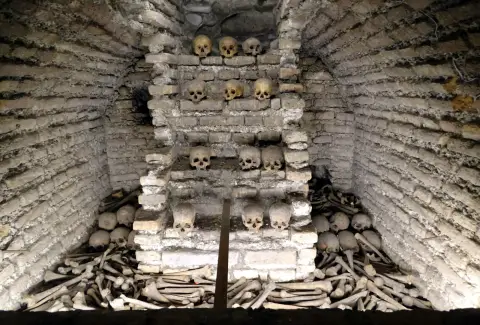
San Francisco Convent and Catacombs, Lima
A colonial Franciscan complex in Lima's historic centre, known for its library, cloister and underground ossuary.
-
 Attraction
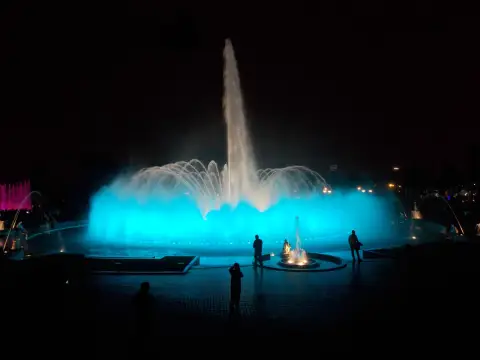
Magic Water Circuit in Lima: Fountain Park
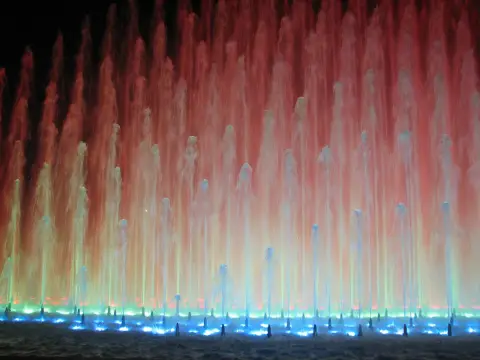
A park of lit and choreographed fountains near Lima's centre, best seen after dark.
-
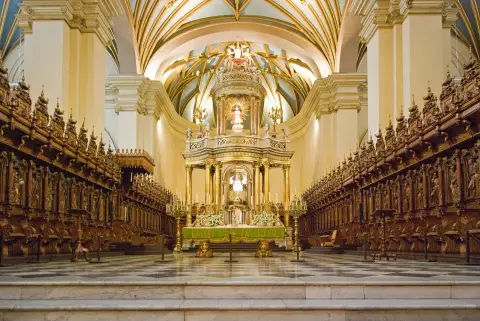 Attraction
Lima Cathedral
The oldest and largest church in Peru, on the Plaza Mayor, with carved choir stalls, rebuilt after earthquakes and holding the remains attributed to Pizarro.
-
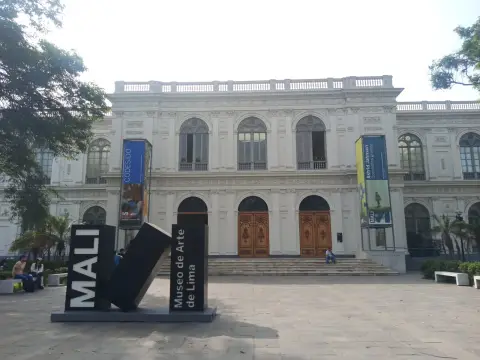 Attraction
Museum of Art of Lima (MALI)
Lima's main art museum, in a Victorian-era exhibition palace at the edge of the historic centre, covers Peruvian art from pre-Columbian times to today.
-
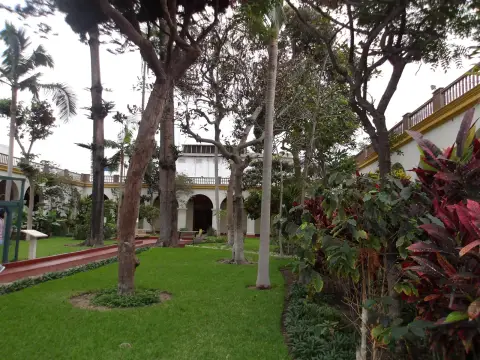 Attraction
National Museum of Archaeology (Lima)
Peru's oldest and broadest national museum, in Pueblo Libre, whose long closure for rebuilding makes checking its status the first step of any plan.
-
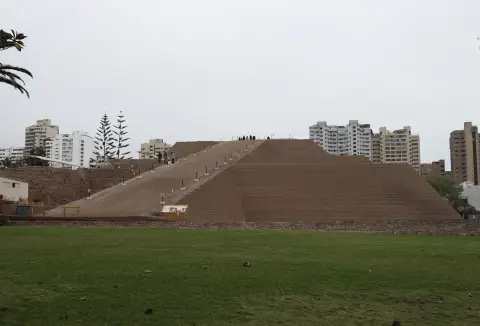 Attraction
Huaca Huallamarca
A stepped adobe pyramid of about 19 m with a small site museum, among the apartment blocks of San Isidro.
-
 Attraction
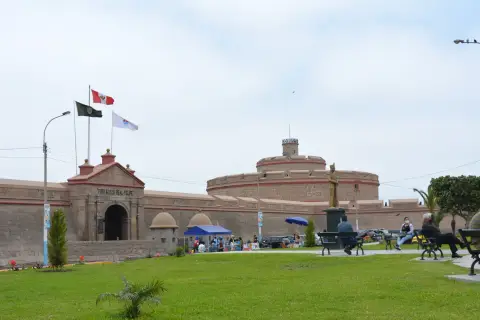
Real Felipe Fortress
The great stone fortress built after the 1746 earthquake to defend Callao, now an army museum on the edge of the port.
-
 Attraction
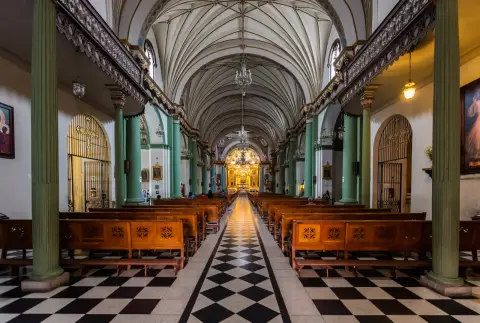
Santo Domingo Convent
A 16th-century Dominican convent in Lima's historic centre, known for its tiled cloister, its library and the tombs of three Peruvian saints.
-
 Attraction
Parque de las Leyendas
A large municipal zoo and botanical garden in San Miguel, built around pre-Inca huacas, that suits a family half day in Lima.
-
 Attraction
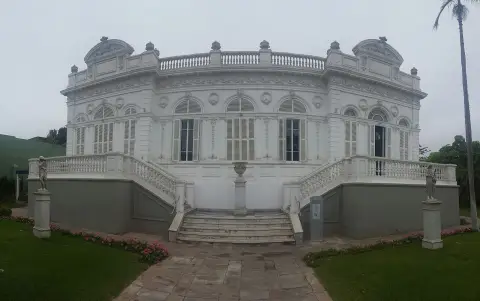
Pedro de Osma Museum
A small museum of Peruvian viceregal art in a 1906 seaside mansion in Barranco, built around one collector's lifetime of buying.
What kind of city Lima is
Lima is enormous, sprawling and mostly grey in appearance, built on a coastal desert where it almost never rains. Pizarro founded it in 1535 as the capital of Spanish South America, and it kept that role for centuries. Today it is home to a very large share of the country's population, and traffic is a fact of life. Do not expect a compact, pretty old town like Cusco or Arequipa. Expect instead a chain of very different districts joined by long roads, each with its own character.
The reward is the setting and the food. Cliffs drop to the Pacific along the southern districts, with parks, paragliders and sea views, and the city has built a global reputation for its restaurants, from market counters to tasting menus. The mismatch between a plain skyline and a very rich table surprises many first-time visitors.
How many days to spend
One full day plus an evening is the minimum if you are passing through. Two nights lets you see the historic centre, one of the major museums and a cliff walk without rushing. Three nights makes sense if you want a food tour, a day out to the Pachacamac ruins and a night in Barranco.
Most international flights arrive late at night or early in the morning, so build in a buffer if you have a connection. Flying out to Cusco on the same day as a late arrival is possible but tiring, and a first night in Lima is often the easier choice. If you are unsure whether the city deserves more than a transfer, is Lima worth visiting weighs it against the other places competing for your days.
A useful rule is to put Lima at the start of the trip, when you are still adjusting to the time zone, and to treat the last night as a spare. Lima is also where you fly home from, and a morning departure is easier from a hotel you already know.
Tours and activities
Bookable online, chosen for their traveller reviews.
-
★ Top rated From €52 per person
-
★ Top rated From €85 per person
-
★ Top rated From €94 per person
-
★ Top rated From €55 per person
Tours and activities
Bookable online, chosen for their traveller reviews.
-
-
-
-
Which district to choose
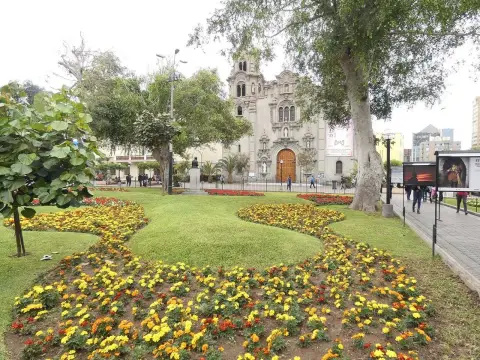
Miraflores is the practical default: safe by Lima standards, full of restaurants, close to the cliff-top parks and well served by taxis. Barranco is smaller and more bohemian, with art galleries, bars and a pedestrian bridge, and it suits travellers who want atmosphere over convenience. San Isidro is quieter and business-oriented. The historic centre has the colonial plazas and churches but is better visited by day than slept in.
Distances between the districts are short on the map but can be slow in traffic, so choose one base and move around by taxi rather than changing hotels. The comparison of Miraflores and Barranco goes deeper into the choice. See where to stay in Lima for the practical side of picking a bed.
What to see in the historic centre
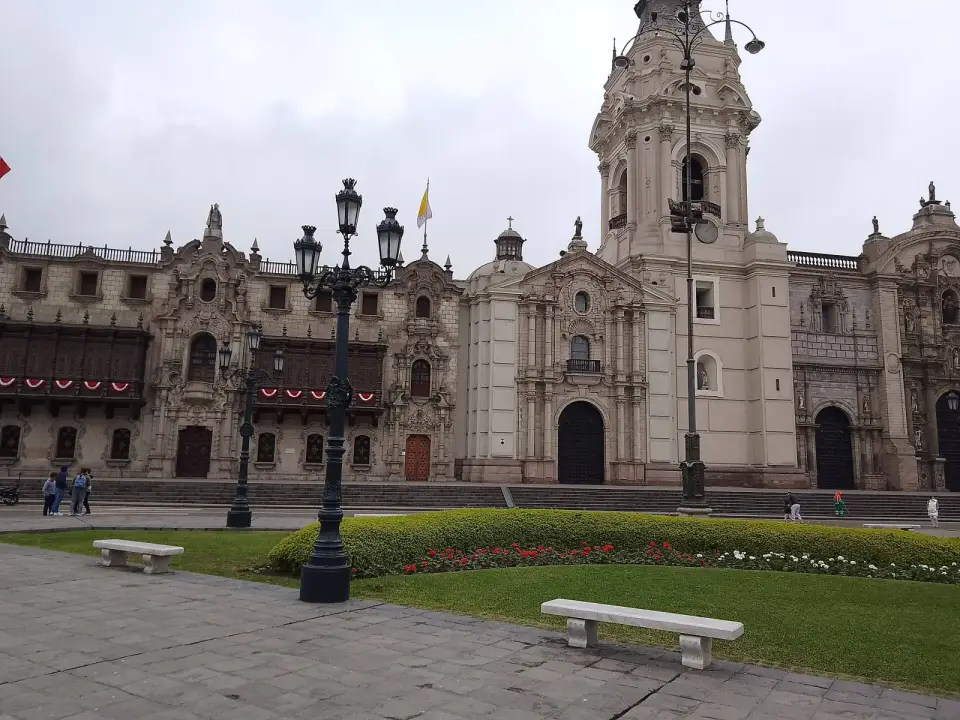
In the historic centre, the Plaza Mayor with the cathedral and government palace and the San Francisco convent and its catacombs are the usual stops, and the centre is listed as a UNESCO World Heritage Site. Wooden balconies, a legacy of the colonial era, line several streets and are one of the most photogenic details of the old town. The full walk is described in the historic centre of Lima.
Go in the morning, when the streets are busier and easier to read, and keep valuables out of sight while you walk. A guided walking tour can add context that signs rarely provide. See tours in Lima to understand what to expect from them. The centre is best treated as a half day, not a full one.
Museums, ruins and the cliffs
The Larco Museum has a well-regarded collection of pre-Columbian art in a garden setting, and the Huaca Pucllana is an adobe pyramid that sits incongruously among the apartment blocks of Miraflores. Further out, Pachacamac is a large coastal ceremonial site that predates the Incas and fits a half-day outing.
On the cliffs, the walk along the Miraflores boardwalk and the Parque del Amor is an easy half day, especially near sunset. Barranco's small streets and its famous footbridge are a short stroll away along the same cliff edge. For a longer list of options by interest, see things to do in Lima.
Eating in Lima
Food is the strongest single reason to stay a third night. The classic dishes are ceviche, raw fish cured in lime juice, and lomo saltado, a stir-fry that shows the Chinese influence on Peruvian cooking. Lunch is the main meal for ceviche, since it is traditionally eaten fresh and early. See what to eat in Lima for the dishes to look for and how to order them.
If you prefer a guided introduction, food tours in Lima combine market visits with tastings. Book popular restaurants ahead, particularly for dinner at weekends, and treat a pisco sour as an evening drink rather than an aperitif at lunch. Tap water is not generally recommended for drinking, so follow the advice on water and food safety.
Weather and when to go
Lima has two moods. From roughly December to April the weather is warm and often sunny. From roughly May to November a low cloud layer called garúa hangs over the city, giving grey skies, damp air and cool temperatures, although it almost never produces heavy rain. The grey sky does not stop you visiting, but it matters if beach time or sea views are the point of your stay.
Because Lima's season runs opposite to the Andean dry season, the best weather in the capital falls in the Andean rainy months. That is rarely a reason to change your dates, since you will spend only a few days here, but it explains why photographs of the coast taken in July look so different from those taken in February. For regional comparisons, see weather by region.
Getting in and out
Lima's international airport is in the district of Callao, some distance from Miraflores. Allow generous time for the road journey, which varies a great deal with traffic, and arrange the airport transfer before you land if you arrive at night. Domestic flights to Cusco, Arequipa and other cities leave from the same airport.
For overland journeys, long-distance buses leave from terminals around the city. The routes to Paracas and to the Andes are described on their own. See Lima to Cusco to compare flying with the very long road journey. Taxis and ride-hailing apps are the normal way to reach any terminal.
Map
- Lima
- Miraflores District
- Barranco District
- Historic Centre of Lima
- Larco Museum
- Huaca Pucllana
- Pachacamac
- San Francisco Convent and Catacombs
- Magic Water Circuit
- Lima Cathedral
- Museum of Art of Lima (MALI)
- National Museum of Archaeology, Anthropology and History
- Huaca Huallamarca
- Real Felipe Fortress
- Santo Domingo Convent
- Parque de las Leyendas
- Pedro de Osma Museum
Where to sleep
-
Find hotels
Miraflores
Easy first base: restaurants, parks and the cliff-top walk
-
Find hotels
Barranco
Art, nightlife and a seaside feel, quieter by day
-
Find hotels
San Isidro
Calm business district with parks, close to Miraflores
-
Find hotels
Historic Centre
Colonial sights on the doorstep, busy by day and quiet at night
Weather in Lima
Forecast: MET Norway
Frequently asked questions
Is Lima worth visiting or should I skip it?
It depends on your interests. If you like food, museums and city life, two days is rewarding. If you only want mountains and ruins, one night is enough.
Is it better to stay in Miraflores or Barranco?
Miraflores is the easier all-round choice for a first visit, and Barranco is better for nightlife and character. Both are close to each other, so you can stay in one and spend an evening in the other.
Does it rain in Lima?
Almost never in the sense of real downpours. In winter there is persistent grey cloud and drizzle-like mist instead.
Is Lima safe for tourists?
Most visitors have no trouble, but petty theft is common, so basic precautions matter. Stay in Miraflores or Barranco, use official taxis or apps and avoid walking with a phone in hand. See safety in Peru for a proportionate overview.
Can I do a day trip from Lima?
Yes. Pachacamac is the easiest half-day trip, and the coast south of the city offers longer excursions, such as Paracas with its islands, which many travellers do over a night or two rather than in one day.
How do I get from the airport to Miraflores?
The usual options are a pre-booked transfer, an official airport taxi and a ride-hailing app. Journey time depends heavily on traffic and the time of day, so allow extra time for a flight. Avoid unofficial drivers who approach you in the arrivals hall.
Do I need cash in Lima?
Cards are widely accepted in Miraflores, Barranco and larger restaurants, but small shops, markets and some taxis want cash in soles. Take money from ATMs inside banks or malls, and see money in Peru for tips.
Does Lima have an altitude problem?
No. Lima is at sea level, so you can arrive and start sightseeing at once. It is a good place to spend the first night before heading up to Cusco, and an even better one if you can add a day to rest.