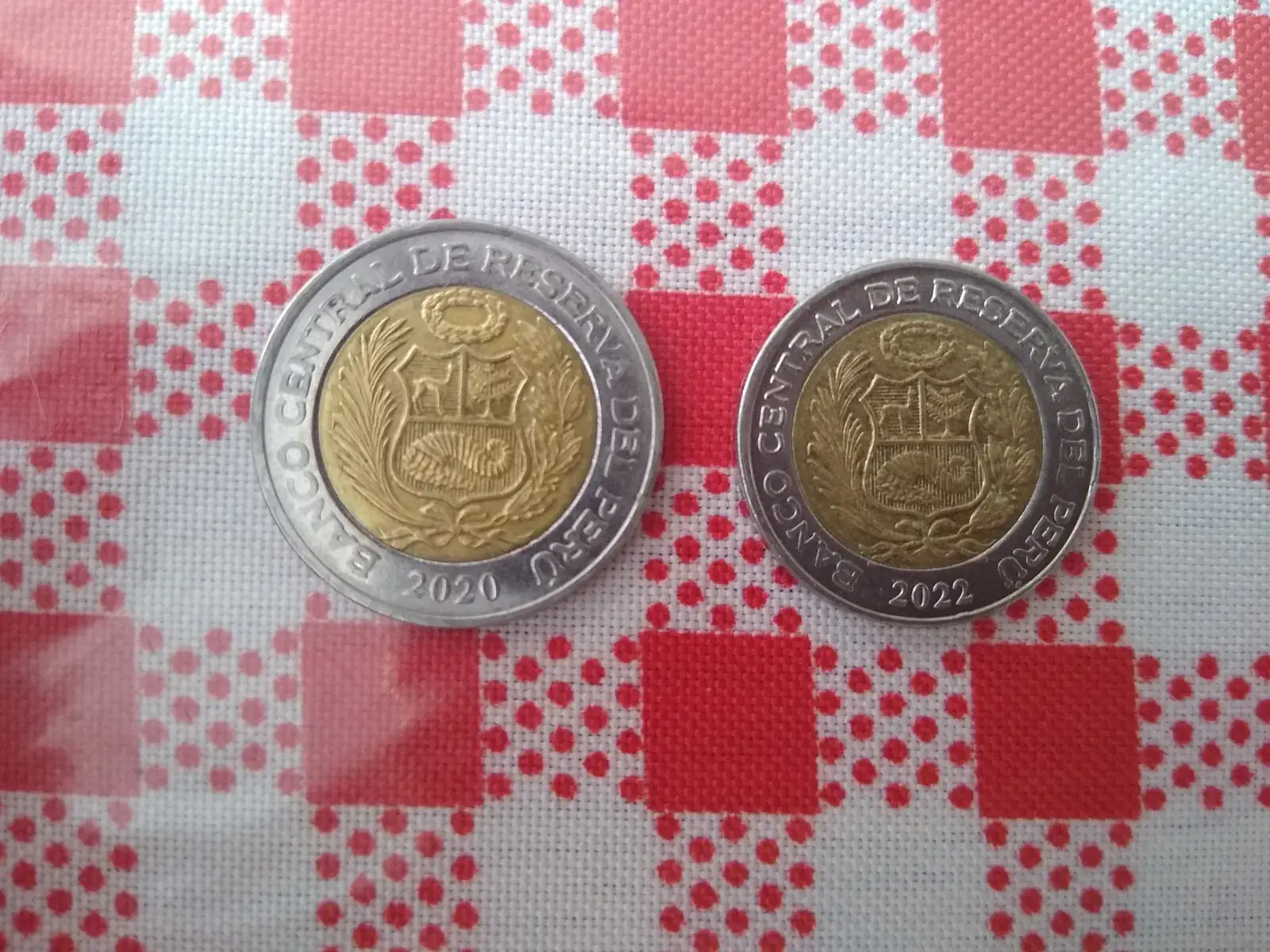
Peru's currency is the sol (plural soles, code PEN). Cash machines are common in cities and larger towns, cards are accepted in hotels and many restaurants, but cash is still essential for markets, small shops, taxis, buses and rural areas. Carry small notes and coins, because change is often hard to find.
The currency
The sol is divided into 100 céntimos. Coins and notes are in everyday use, and you will want a stock of low denominations for tips, snacks, market stalls and local transport. Large notes can be hard to break in small shops and taxis, so spend them in shops or restaurants first.
Some tourist businesses quote or accept US dollars, particularly tour operators and some hotels. Prices in dollars and in soles may not be equivalent, so ask which currency a price is in before you agree to it. For everyday spending, soles are simpler and usually cheaper. For how far a day's budget goes in different regions, see daily costs.
Cash machines and cards
Cash machines are widespread in Lima, Cusco, Arequipa and other cities, and many take foreign cards. Withdrawal limits and fees depend on the machine and on your own bank, so ask your bank about foreign charges before leaving. Machines inside banks, shopping centres and hotel lobbies are safer than those on the street. Cover the keypad and avoid withdrawing when you are being watched.
Visa and Mastercard are the most widely accepted cards, and contactless payments are common in modern shops. In small towns and on treks, cash is the norm, and machines may be out of order or empty at weekends or during holidays. Withdraw before you head for the mountains or the Amazon (see Inca Trail for what to pay in cash), and do the same before a long weekend, when machines in smaller places can run dry.
Changing money safely
Exchange offices and banks in cities offer competitive rates. Street money changers exist, particularly near borders and some plazas, and they are a common place for counterfeit notes and short-changing. If you use one, count the money carefully and do not hand over your cash first.
Check notes you receive. Damaged or heavily taped notes may be refused by shops, and it is reasonable to ask for a replacement. Keep your money in more than one place, and keep a small emergency reserve separate from your wallet. For the tricks around change and fake notes in more detail, see scams.
Paying for tours, hotels and entry fees
Larger purchases follow different habits. Hotels and established tour agencies in the main cities usually accept cards, sometimes with a surcharge, and often want a deposit to confirm a booking. Ask whether a card surcharge applies before you pay, and keep the receipt. Entry to some archaeological sites, museums and national parks is paid at the gate, and card machines there can be unreliable, so carry cash for them. Official Machu Picchu tickets are bought online in advance and not at the site.
For treks, check in advance what is included and what you need to pay in cash on the trail, such as tips, toilets, snacks, showers or porters' extras. For the usual practice, see tipping.
Card safety and your bank at home
Tell your bank that you are travelling, set up transaction alerts and check whether your card works abroad without a chip-and-PIN problem. Carry at least two cards from different accounts, kept in separate places, so that one lost or blocked card does not leave you stranded. Save your bank's international contact number somewhere other than your phone, and keep your insurer's number with it, as the travel insurance advises.
In shops and restaurants, keep the card in sight when you pay, and ask for the portable machine to be brought to the table. If a payment is offered in your home currency rather than soles, decline it and pay in soles, since the conversion rate is usually worse. Contactless limits and the need for a PIN depend on your bank.
Budget habits that save money
Prices for visitors are higher in the most visited places than in ordinary local restaurants and markets. Eating the fixed-price set lunch, taking shared transport and booking some activities directly can lower costs substantially, as the saving tips explains.
Spend carefully on safety, though: do not save money by choosing unregistered transport or unlicensed trek operators. And remember that tourism wages are modest, so fair prices for crafts and guided services matter, as the responsible travel points out.
Frequently asked questions
Should I bring US dollars to Peru?
A small amount of clean, undamaged notes can be useful as a back-up, but soles are better for daily spending. Torn or marked dollar notes are often refused.
Can I use a credit card everywhere?
No. Cards work in hotels and many restaurants and shops in cities, but not in markets, small towns, buses or on treks. Carry enough cash for each day's small purchases.
Is it better to withdraw cash or exchange it?
Many travellers withdraw soles from cash machines. Compare your bank's fees with exchange office rates, and avoid exchanging large sums at the airport unless you need soles immediately.
Are there cash machines on the way to Machu Picchu?
There are machines in Cusco and in Aguas Calientes, but they can run out of cash or break down. Withdraw what you need before leaving Cusco, particularly if you are doing a trek.
Will shops accept torn notes?
Often not. Shopkeepers check notes closely and may refuse damaged ones, so ask for replacements when you receive change and do the same with your own.
Do I need to tell my bank I am travelling?
It is a sensible precaution, since unfamiliar foreign payments can trigger a block. Many banks also let you manage travel notices in their app.
How much cash should I carry?
Enough for a day or two of small purchases, with the rest in a hotel safe or a separate place. Withdraw in larger amounts only when you are heading to places where machines are scarce.