Take out travel insurance before you pay for non-refundable bookings. For Peru, check four things in particular: medical cover and evacuation, whether altitude and trekking are covered and up to what height, cancellation and delay cover for flights and tours, and theft limits. Read the exclusions, since policies differ in ways that matter.
Why it matters here
Peru involves things that standard cover may handle differently: remote areas, mountain roads, internal flights, adventurous activities and weather or protest disruption. Medical care in cities is available, and private clinics in Lima and Cusco treat visitors, but costs can be high without cover and evacuation from a remote area can be costly.
Insurance also protects the money you have already spent. Many Peru trips include non-refundable items such as Inca Trail permits, Machu Picchu tickets, train seats and internal flights. Buy the policy soon after you make the first big payment, because some cover for cancellation starts only once the policy is issued, and some benefits depend on buying within a set period of your first deposit.
What to check in the policy
Medical and emergency evacuation: look at the limit, whether the insurer pays hospitals directly or reimburses you, and whether repatriation is included. A 24-hour assistance line is useful.
Altitude and activities: some policies exclude or limit cover above a stated height, or exclude trekking, rafting, sandboarding or paragliding unless you add an option. Compare the altitude limit with the highest point of your plan, which on some treks and excursions is well above 4,000 m. Ask the insurer in writing if the wording is unclear.
Cancellation, interruption and delay: check which reasons are covered. Strikes and road blockades are sometimes excluded or only covered under conditions, so read that part of the policy if your plans are tight. Baggage and theft: note per-item limits for cameras and phones, and the requirement to obtain a police report.
Treks, altitude and adventure activities
A policy that says it covers hiking may still stop at a modest altitude, which would leave you uninsured on the highest sections of the Salkantay trek, the Huayhuash circuit or a day at Rainbow Mountain. Read how the policy defines trekking, whether a guide is required, and whether mountaineering with ropes or ice axes is excluded.
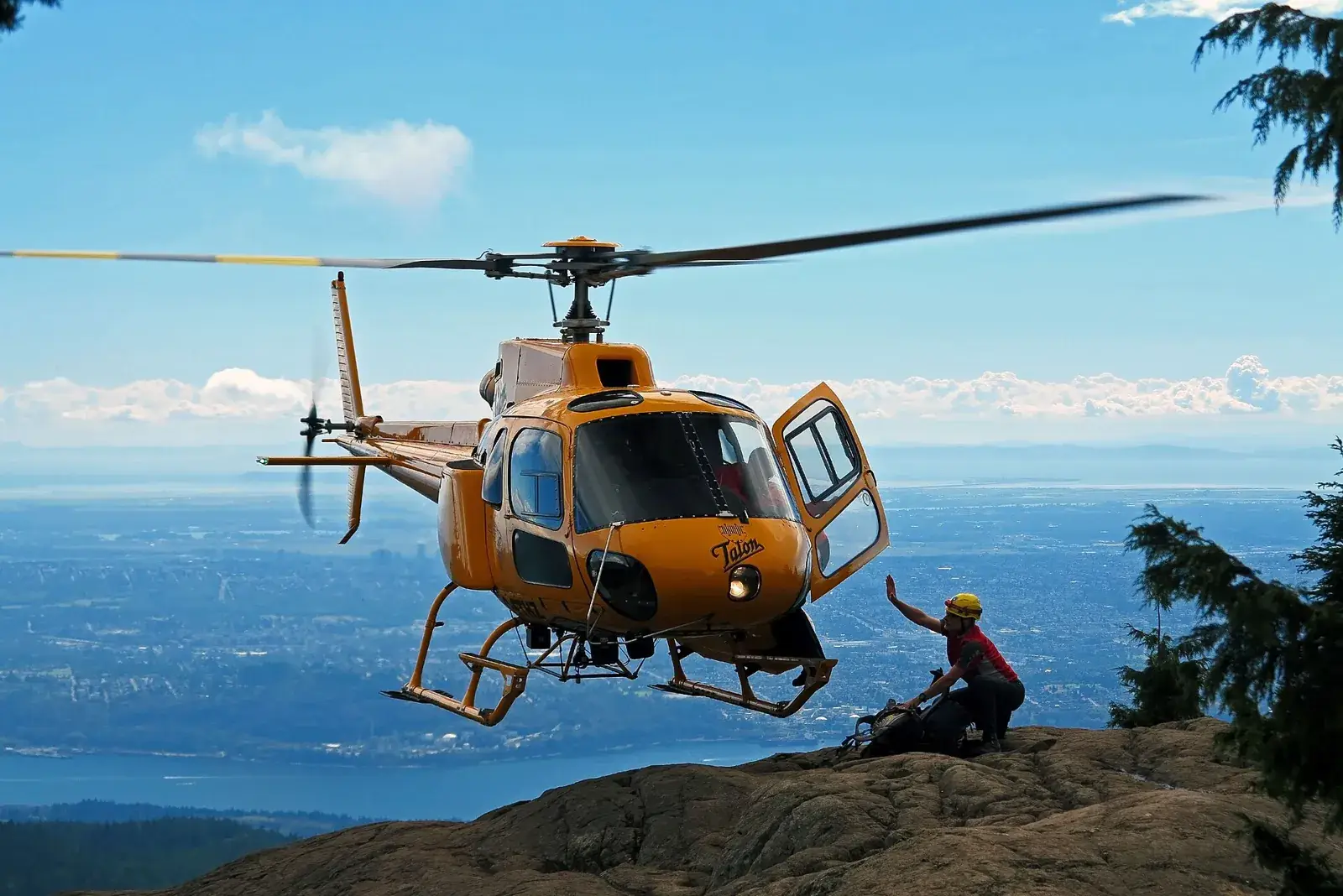
Altitude sickness itself is a medical condition covered by many standard policies, but only where altitude is within the stated limit. Check that high-altitude evacuation, including helicopter transport, is included. For the planning side, see altitude; the insurer decides the rest.
Pre-existing conditions and declarations
If you have a medical condition, declare it exactly as the insurer asks. Cover can be refused or reduced if a claim relates to something you did not disclose, and a vague answer is not safe. Some insurers add the condition for an extra premium, others exclude it entirely, and some require a doctor's letter that you are fit to travel.
Pregnancy, recent surgery, heart or lung conditions and mental health treatment all have their own rules. Ask a doctor or travel clinic about the medical side and a broker or insurer about the policy side, and keep the declaration and the policy documents together.
If you need to claim
Keep receipts, medical reports and any police report. Contact the insurer's assistance line as soon as possible, before large expenses where you can, since many policies require prior approval. Take photographs of damage, and keep documents for tickets and bookings that you cannot use. Credit cards sometimes include travel cover, but conditions vary, so compare it with a dedicated policy.
For theft, follow the steps in the scams and obtain a copy of the police report before you leave the town. Insurers often set a time limit for reporting a loss, so do it the same day.
Questions to ask an insurer
Before buying, ask a few direct questions and keep the answers in writing. Is emergency evacuation from remote areas covered, and who arranges it? What is the highest altitude covered for trekking? Are named adventure activities included? What is the excess on a claim? Does the policy cover strikes, natural events and missed connections? Can you extend cover if you stay longer? Compare at least two or three policies, because the cheapest is often the one with the narrowest wording, and the right choice depends on your plans rather than on the price alone.
If you hold an annual policy or a card benefit, check how it treats a trip of this length and whether it covers hospital bills abroad.
Insurance and entry rules
Some countries have required proof of medical cover for entry at times, and travellers are sometimes asked about it at check-in or border control. Whether this applies now is covered in the entry requirements. Even where nothing is required, carry a printed copy of the policy certificate and the assistance number.
Save the policy number and insurer contacts alongside the local emergency numbers, and give a copy to someone at home. A policy that sits unread in an inbox is of little use during a medical emergency at night.
Frequently asked questions
Is travel insurance compulsory for Peru?
Even where it is not required, it is strongly sensible for medical costs and cancellations.
Does insurance cover the Inca Trail?
Only if the policy covers trekking and the altitude reached. Check before you buy.
Will insurance cover a strike or blockade?
Sometimes, with conditions. Read the delay and cancellation sections carefully, and see the strikes and blockades for planning.
When should I buy travel insurance?
Soon after you make your first non-refundable payment, so that cancellation cover applies. Some benefits require you to buy within a set number of days of the first deposit.
Does my credit card insurance replace a policy?
Rarely in full. Card cover often has lower limits, narrower activity lists and conditions on how you paid, so compare it with a dedicated policy.
Will insurance pay for a helicopter evacuation?
Only if the policy lists emergency evacuation and the situation qualifies. Ask the insurer how evacuation from remote high-altitude areas is arranged and who approves it.
What happens if I miss a flight because of a strike?
It depends on the cause listed in the policy. Keep proof of the disruption, contact the airline first and notify the insurer promptly.