Entry rules depend on your nationality and change from time to time. Citizens of many countries can enter as tourists without a visa for a limited stay. Check passport validity, onward travel and any health or arrival forms before you book.
Passport and visa
Your passport should be valid for the period required by Peru, and many countries require it to remain valid for at least six months after arrival. Check the condition of your passport, since airlines can refuse boarding for a damaged one.
Visitors from many countries, including most of Europe and North America, have historically been able to enter Peru as tourists without a visa, for a stay of up to 90 days at the discretion of the immigration officer. Nationals of other countries need a visa in advance. The rule depends on your own nationality.
Length of stay and entry stamp
The number of days granted is decided at the border and is recorded on your entry record. Ask for the number of days you need if the officer offers fewer, and check what was recorded. If you overstay, you may face a fine and difficulty on departure. If you plan a long trip, or a loop into Bolivia, Chile or Ecuador and back, think about how the days add up, and read the money for what to carry on arrival.
Keep any entry slip or digital record safely, since you may be asked to show it when you leave or when you check into hotels. Airlines can also ask for proof of onward or return travel, so keep your tickets accessible; see flights for the main routes in.
Other documents to prepare
Some travellers are asked for proof of funds, accommodation details or travel insurance. Many countries ask for an online arrival or customs form. Yellow fever vaccination is recommended for visits to parts of the jungle, and some countries ask for a certificate on arrival from risk areas, so read the health and vaccines and confirm with a travel clinic.
Carry copies of your passport, tickets and insurance separately from the originals, and store scans in a secure cloud folder. Save the emergency contacts with them. A printed copy of the first hotel booking and the return ticket also helps if a form or an airline agent asks for them.
Arriving at Lima airport
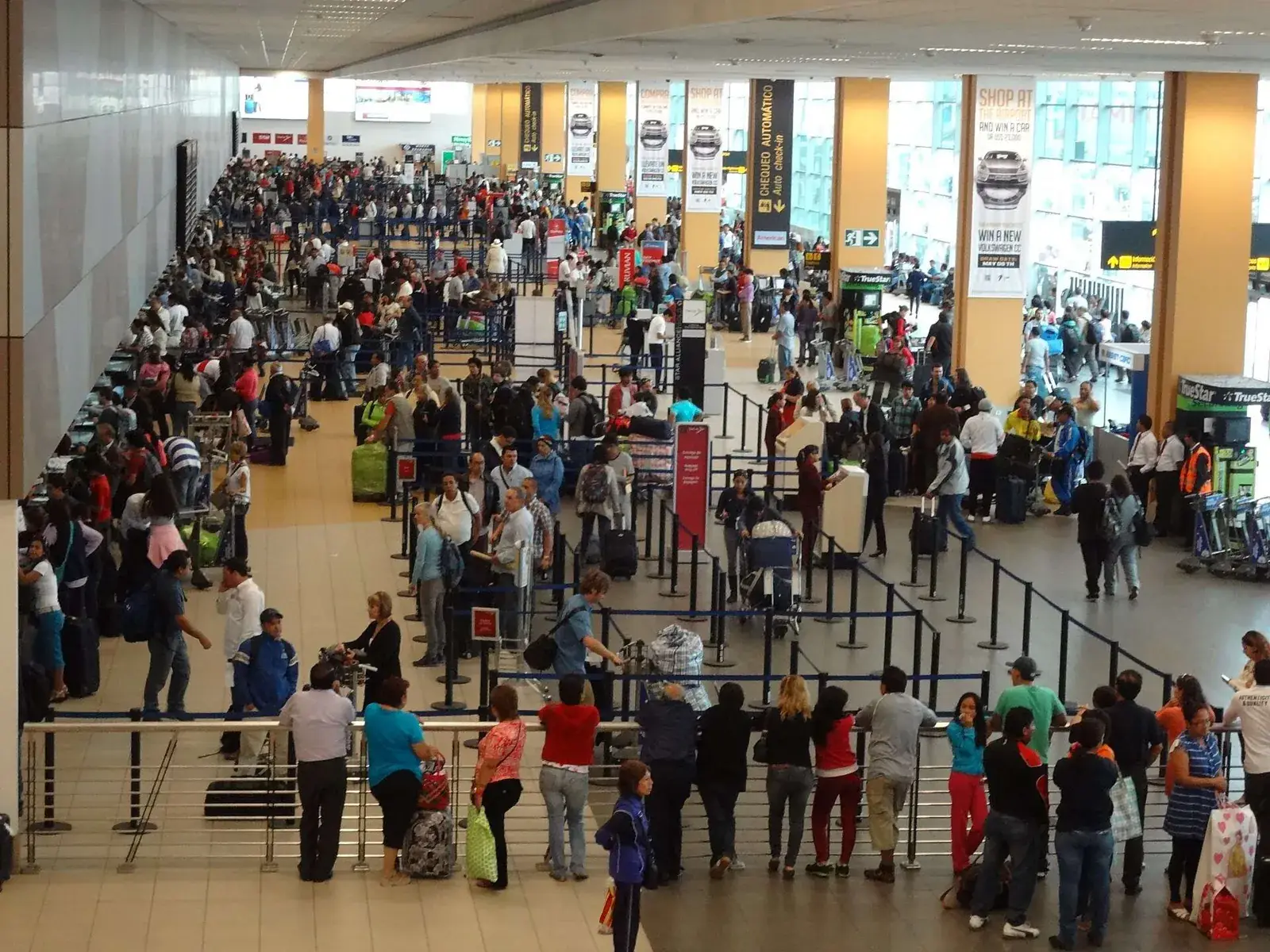
Most international visitors arrive at Lima airport, where the sequence is immigration, baggage claim and customs. Queues can be long when several long-haul flights land together, so do not book a tight onward connection on the same day. Have your accommodation address, passport and any form ready, and answer the officer's questions briefly and truthfully, including your planned length of stay.
Customs rules apply to cash, food, plants and animal products, and travellers are usually asked to declare amounts above a threshold set by the authorities. For the onward journey, see the Lima airport transfer.
Land borders and onward travel
Entering overland from Bolivia, Ecuador, Chile, Colombia or Brazil follows its own procedures, and they differ between crossings. For the Lake Titicaca crossing, where you may be asked to complete exit and entry formalities on both sides, see Bolivia border.
If you leave Peru for another country and plan to return, you may be granted a new stay or not, depending on the rules. Ask the officer, and keep the new record. Do not assume that the countdown restarts. For flights out of the region, some airlines will want to see the visa or entry rules for your next destination.
Minors, dual nationals and special cases
Children travelling with one parent, with grandparents or without parents may need written consent and extra documents. Rules differ between countries and airlines, so ask the airline and the relevant embassies early. Dual nationals should check which passport to use to enter and leave, since a mismatch between the passport on arrival and on departure can cause delay.
Travellers on work, study or volunteering plans need different permissions from tourists, and tourist entry is generally not valid for paid work. A digital nomad staying longer should read the digital nomads and settle the relevant visa category before arrival.
Frequently asked questions
Do I need a visa for Peru?
It depends on your nationality. Many visitors can enter as tourists without one.
How long can I stay as a tourist?
Commonly up to 90 days, set by the immigration officer on entry.
Can airlines stop me boarding?
Yes, if your documents do not meet the entry rules, so check them before the flight. Airlines are fined for carrying passengers who are refused entry and tend to check carefully.
Can I extend my stay in Peru?
Extensions are handled by the immigration authority and may involve a fee and a visit to an office. Ask early rather than waiting for the last day, and keep the receipt.
Do I need a return ticket?
Airlines and officers can ask for proof of onward or return travel. A ticket out of Peru, by air or by land, avoids problems at check-in.
Is my passport valid enough if it expires in five months?
Many countries and airlines insist on six months, so a passport that expires sooner is a risk. Renew it before travelling and carry the new document.
Do I need vaccination certificates to enter Peru?
Requirements change. A yellow fever certificate may be asked of travellers who have recently been in risk countries, so read the health.