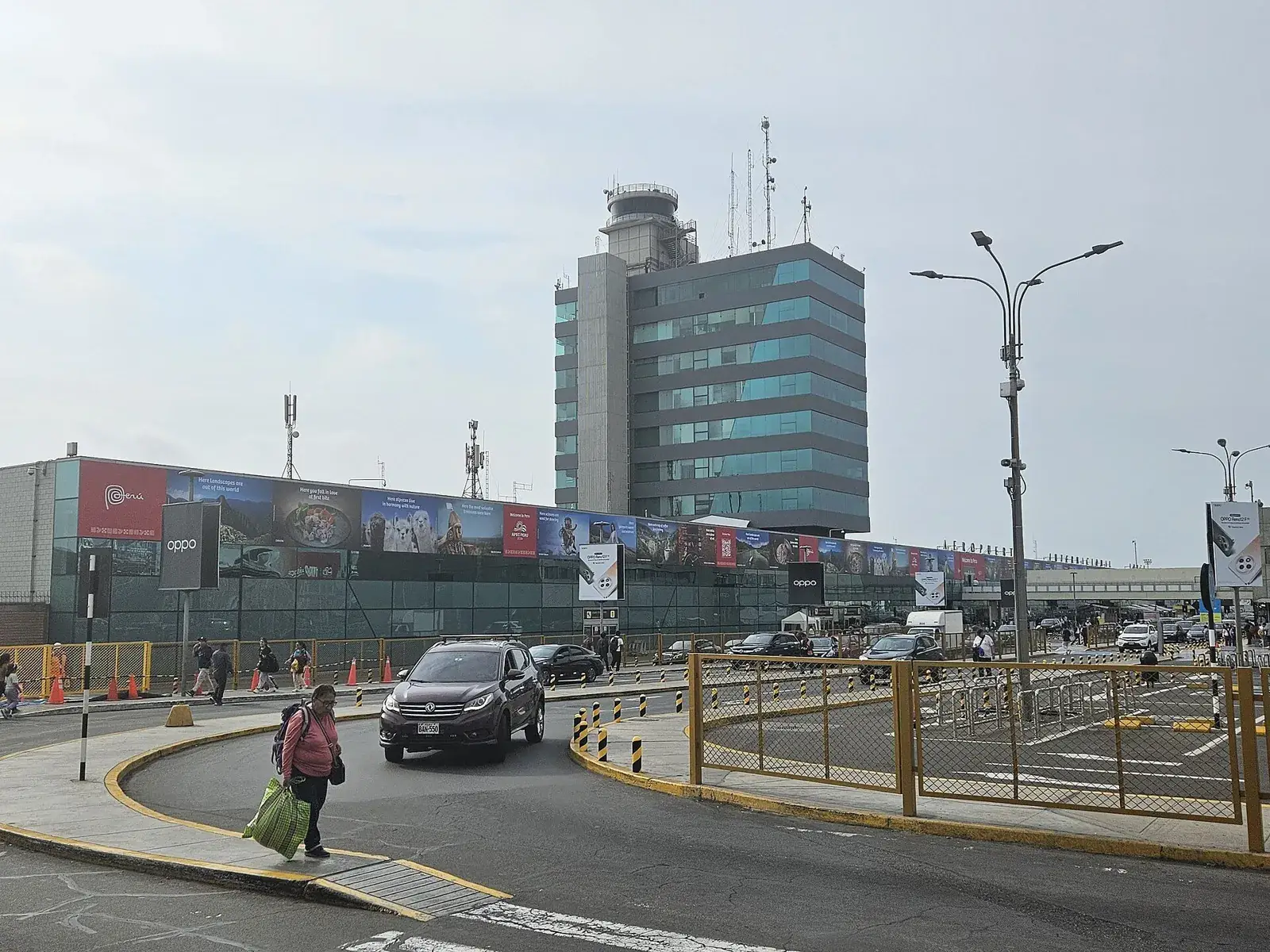
Almost all international visitors land at Lima's Jorge Chávez airport, then continue by domestic flight or bus. The other airports you are likely to use are Cusco for Machu Picchu, Arequipa, Juliaca for Lake Titicaca, Puerto Maldonado and Iquitos for the Amazon, and Trujillo, Chiclayo or Piura for the north. Each is in or close to its city, except Juliaca, which is about an hour from Puno.
Lima: the gateway
Jorge Chávez International Airport sits in Callao, west of the centre. It is the arrival point for nearly all intercontinental flights and the hub of the domestic network. A new terminal has opened in recent years, so older descriptions of the layout may be out of date. Leave generous time for the road to or from the city, because traffic is heavy at most hours. Many long-haul flights arrive late at night or early in the morning, so book your first hotel night to match.
Lima airport to the city lists the ways to reach the centre and the districts where visitors usually stay, such as Miraflores.
The airports in the Andes and the Amazon
Cusco's airport is close to the city and handles most flights to the Machu Picchu region. Arequipa's is small and efficient, a short ride from the centre. Juliaca's airport serves Lake Titicaca; Puno is about an hour away by road, and transfers are by taxi or shared transport. In the Amazon, Puerto Maldonado has an airport near the city for Tambopata lodges, and Iquitos has one that is the only practical way in for most visitors, since the city has no road to the rest of the country.
A new international airport for the Cusco area, at Chinchero, has been planned for years. Do not assume you will use it.
Arriving and leaving: general advice
Use official taxi desks or a booked transfer rather than touts inside the terminal, and agree the price before you leave. Many airports have ride-hailing pickup areas, though rules vary. Keep luggage with you through arrivals, and do not leave valuables visible in a taxi. For international departures, arrive earlier than you think: queues at check-in and security can be long, and the road to Lima's airport is unpredictable.
Taxis and ride-hailing explains how fares and apps work in Peruvian cities, and for sensible habits on arrival, see safety.
Smaller airports in the north and south
Beyond the main tourist airports, regional airports serve the northern coast and highlands. Trujillo, Chiclayo and Piura are the usual entry points for the northern coast; Cajamarca, Ayacucho and Tarapoto serve other regions. Services are typically one or a few flights a day, mostly to and from Lima, so these airports suit travellers with a particular goal in the north rather than a general sightseeing route.
For the southern circuit, Arequipa and Juliaca carry most of the traffic, with Cusco the busiest of the Andean airports. Check which airport is closest to your actual destination; for the coast south of Lima, the Lima to Paracas route is normally made by road.
Getting to and from each airport
Most airports are within a short taxi ride of the centre; Juliaca is the exception, an hour from Puno. Cusco's airport is close to the historic centre, and a transfer to the Sacred Valley can start directly from the terminal, which is useful if you plan to sleep at lower altitude; see Cusco airport for the options.
Official taxi desks, hotel transfers and pre-booked cars are the dependable choices on arrival. Buses and shared vans exist at some airports but are rarely worth the confusion with luggage. If you travel with a tour operator, check whether the airport pickup is included, and confirm the name or sign of the driver in advance.
Timing, connections and international flights
If you connect in Lima between an international and a domestic flight, leave a comfortable gap. International arrivals involve immigration, baggage claim and customs before you re-enter the check-in hall, and the walk or transfer can take more time than expected. Booking both legs on a single ticket protects you if the first one is late; with separate tickets, a missed connection is yours to solve.
Do not schedule a domestic flight on the same day as a long-haul departure. A day of slack before flying home is the cheapest insurance you can buy. The pieces on missed flights and domestic flights explain what happens when connections break.
Frequently asked questions
Which airport do I fly into for Machu Picchu?
Cusco. From there you continue by road or train to Ollantaytambo or Aguas Calientes.
How far is Juliaca airport from Puno?
About an hour by road. Taxis and shared transport run between the two.
Is there a direct international flight to Cusco?
Mostly no; international passengers usually connect through Lima. Occasional regional services may exist.
Which airport is closest to Paracas and the Ballestas Islands?
Most visitors travel from Lima by road rather than flying. Regional air links to the coast exist but are limited, so do not assume you can fly.
Is Lima airport open all night?
Flights arrive and depart at night, and the terminal operates around the clock for international services. Facilities such as shops and exchange counters may have limited hours.
Can I leave luggage at the airport?
Most large airports have left-luggage services, though availability and prices vary. Cusco hotels often store bags for guests who return after a trek or an overnight stay.
Will I feel altitude sickness landing in Cusco?
Many people feel mild effects, such as a headache or breathlessness. The risk depends on individual factors, so read the altitude sickness and talk to a doctor before you go if you have concerns.