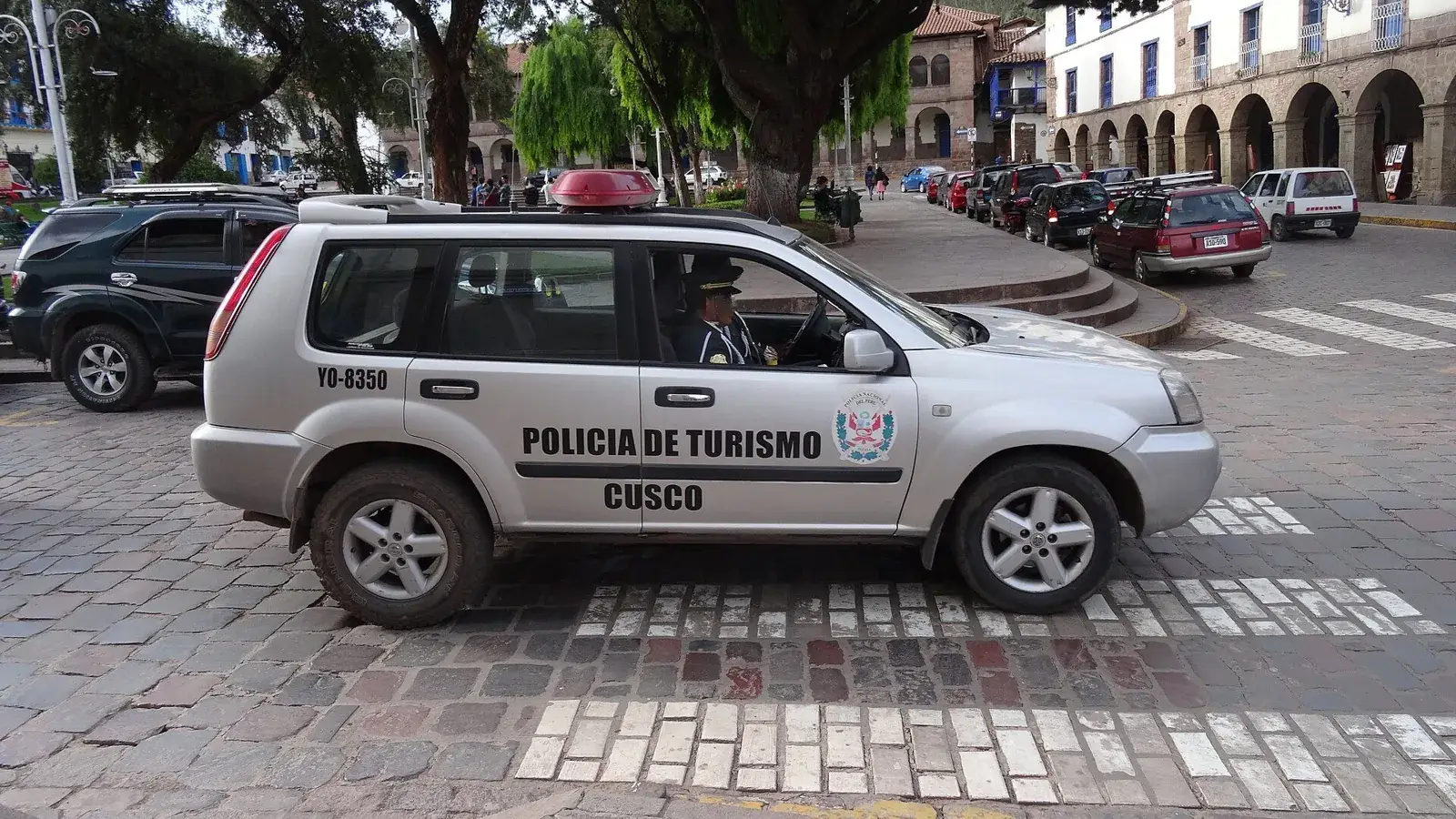
Most visitors travel through Peru without serious problems. The risks you are most likely to meet are petty theft in busy places, taxi and transport hassles, and disruption from weather or protests. Serious crime exists, mostly away from tourist routes. Use ordinary city habits.
The realistic picture
Peru receives large numbers of visitors every year, and the tourist circuits through Lima, Cusco, the Sacred Valley, Arequipa and the lake region are well established, with hotels, guides and a tourist police presence. Most incidents reported by travellers are opportunistic: a phone taken from a table, a bag lifted in a crowded market or bus station, or a taxi that charges far too much.
Crime levels differ by city and by neighbourhood, and they change. Lima, like any large capital, has areas that visitors are advised to avoid after dark, while the districts popular with tourists, such as Miraflores and Barranco, are generally better patrolled. Local advice from your hotel is usually the most current guide.
Everyday habits that help
Keep your phone and wallet out of sight on the street and on public transport. Do not leave bags on the floor or the back of a chair in restaurants. Carry a copy of your passport and leave the original in a hotel safe where possible. Use a taxi arranged by your hotel, a licensed airport taxi or a ride-hailing app rather than hailing one on the street at night; see taxis and apps for the options.
On overnight buses, keep valuables with you rather than in the luggage hold, and choose reputable companies. Avoid displaying expensive jewellery or cameras in crowded places. Take cash only as you need it, and use cash machines inside banks or shopping centres where you can. See scams for the specific tricks to recognise.
Roads, weather and natural hazards
Road travel in the mountains can be slow and risky. Landslides and heavy rain can close routes in the wet season, and protests can block highways for days. Allow slack in the plan around flights and treks, and read strikes and blockades before committing to tight connections. Peru is also in an earthquake zone, so it is worth knowing the evacuation signs in your hotel.
For outdoor activities, choose operators that use certified guides and decent equipment, and do not go on high treks alone without a guide or local information. Take out travel insurance that covers medical care and evacuation.
Night, nightlife and drinks
Evenings are where most visitors lower their guard. Walking back alone from a bar late at night in an unfamiliar neighbourhood is the situation most often mentioned in traveller reports, so book transport home in advance or use an app. Keep an eye on your drink, accept drinks only from people you trust and stay with your group. Some travellers report drink spiking in nightlife districts in several countries, and Peru is no exception, so the usual precautions apply.
Excessive alcohol at altitude also affects you more than at home, which raises the risk of falls and poor decisions. If you are travelling alone, see solo female and solo travel for more specific habits.
Regions that need more care
Most tourist routes avoid the few areas where government advisories are strongest, but advice does name specific regions, usually remote jungle valleys and border zones associated with illegal activity, and areas affected by periodic unrest. Go over your route with your operator. Do not take off-route trips with unlicensed guides into remote areas.
Large demonstrations are mostly political and can start quickly in city centres, for example in Lima or in southern towns. Avoid gatherings, follow local advice and keep your accommodation informed of your plans. This is one reason emergency contacts are worth saving offline.
Health, food and the small things
For most visitors the likeliest problem is an upset stomach, not crime. For sensible habits, see water and food, and for topics for your doctor, health. Sun at altitude is intense, so use sunscreen and a hat, and take the first days easy, as explained in altitude.
Keep your documents safe, store digital copies, know your insurer's emergency number and tell your bank that you are travelling. These small steps are what turn a theft or a lost bag from a crisis into an inconvenience.
Frequently asked questions
Is Lima safe for tourists?
The districts most visitors use are generally considered manageable with normal care. Avoid walking alone at night in unfamiliar areas and use registered taxis or apps.
Is it safe to take buses?
Established companies on main routes are widely used by travellers. Keep valuables with you and avoid the cheapest operators at night. Details are in bus.
Who do I call in an emergency?
See emergency contacts.
Is Cusco safe at night?
The historic centre is busy and popular with visitors, but petty theft and drink-related problems occur. Stay on lit, well-used streets, and arrange transport back to your hotel after late evenings.
Is tap water safe, and does that affect safety?
Most travellers avoid tap water and choose bottled or treated water. Stomach problems are far more common than serious crime, so follow the water and food advice.
Is Peru safe for solo travellers?
Many people travel alone in Peru without problems, and the tourist circuits are well used by solo visitors. Choose accommodation in central, well-reviewed areas and keep someone informed of your plans.
Should I worry about earthquakes?
Peru is seismically active, but most trips are unaffected. Note the exits and the evacuation signs in your hotel, and follow staff instructions if there is a tremor.