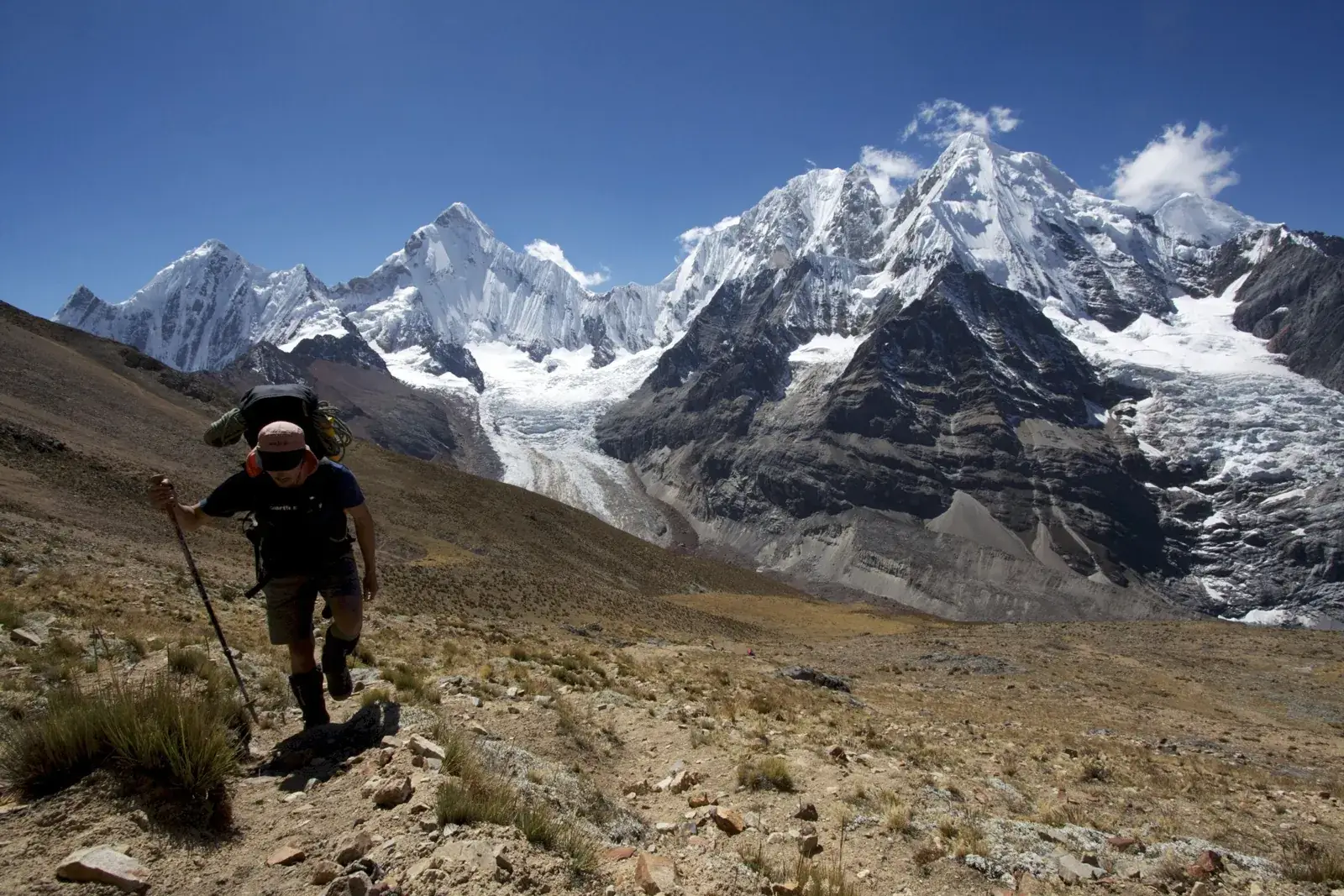
Peru is well set up for solo travellers: a clear main route, plenty of hostels and small hotels, and group tours that let you join without a partner. Stay in central areas, use official taxis or apps at night, share your plans with someone and book Machu Picchu in advance. Mix independent days with a few group excursions to meet people and share costs.
Why Peru works for solo travellers
The main route from Lima to Cusco, Machu Picchu, Arequipa, Lake Titicaca and back is well trodden, so transport, tours and accommodation are easy to arrange. Hostels in Lima, Cusco, Arequipa and Huaraz tend to be social, with shared kitchens, common rooms and organised outings. Small guesthouses and family-run hotels also welcome solo guests, though single rooms are not always cheaper than doubles.
The biggest challenge for a solo traveller is cost-sharing. Private transfers and some tours are priced per vehicle or per group, so going alone can be expensive. Joining a group excursion is usually more economical, and a good way to meet others.
Habits that keep it smooth
Use the same sensible habits you would in any big city. Book accommodation in central, well-lit areas and arrive in daylight when possible. Use registered taxis or ride-hailing apps instead of hailing cars on the street, particularly after dark. Keep phones and cameras out of sight in crowded places, carry a copy of your passport, and divide cash and cards between bags. Be cautious about accepting drinks or food from strangers.
Tell someone where you are going, particularly on treks and remote excursions, and make sure your travel insurance covers medical care and evacuation at altitude. Road blockades and strikes can affect plans when you move between regions. The safety and the scams give the details.
Meeting people, and being alone well
Group tours to Machu Picchu, the Sacred Valley, Rainbow Mountain, Colca Canyon and the Ballestas Islands are the easiest way to meet other travellers. Multi-day treks such as Salkantay put you in a small group for several days, which works well if you like company. Cooking classes, walking tours and hostel events are other social options.
Equally, Peru is a fine place to be on your own. Cities have good cafés and bookshops, markets are friendly, and a morning alone at an archaeological site can be a highlight. Build in rest days so you are not always on a schedule.
A route that suits one traveller
A simple solo route runs Lima, Cusco, the Sacred Valley, Machu Picchu and then south to Arequipa and Lake Titicaca. Each leg has frequent flights or buses, plentiful accommodation and organised tours, so you never need to commit far ahead except for Machu Picchu and any trek.
Start with a day or two in Lima to settle in, then move to altitude gradually. Hostels in the first cities help you find travel companions for the next leg, and you can split transfers and tours with them. Keep the last day free before any international flight, in case buses or flights are delayed. The ten-day itinerary is a useful base to adapt.
Practical tips
Learn a few Spanish phrases, since English is less common outside tourist areas. Download offline maps and keep emergency numbers handy. For treks, choose a reputable agency and check what is included; how to choose a trekking agency explains what to ask. Before you commit, ask whether a group trip will charge a single supplement for a private room or tent.
Keep a small amount of cash in a separate place, and use a money belt or inner pocket in crowded markets and buses. A power bank and a phone with a local SIM or eSIM make navigation and contact much easier.
Budget and costs when alone
Solo budgets are rarely half of a couple's, because rooms, private transfers and some tours do not halve. Dormitory beds, shared tours, local lunches and public transport keep costs down, while private rooms and taxis raise them. Mixing accommodation, for example dorms in cities and a private room after a trek, balances comfort and cost.
For where savings are real, see budget travel. A few well-chosen group tours often cost less per person than private ones, and also give you company.
Women travelling alone
Many women travel alone in Peru without incident, but a few extra habits are worth building, such as choosing accommodation with good reviews, avoiding isolated areas at night and trusting your instincts about transport and drivers. Dress norms are relaxed in cities and more conservative in small villages.
The dedicated solo female travel goes through these points in more detail, including what to do if you feel uncomfortable. Hostels with female dorms and group tours are useful ways to meet companions on the first days.
Frequently asked questions
Is Peru safe for solo travellers?
Many people travel alone without problems, using common-sense precautions. Read the safety guide.
Where do solo travellers meet others?
In hostels, on group tours and treks, and in cooking classes or walking tours in Lima, Cusco and Arequipa.
Are group tours cheaper for solo travellers?
Generally yes, because private tours are priced per vehicle or group. Check whether a single supplement applies.
Can I trek alone in Peru?
Most multi-day treks are booked through an operator and run as groups, so you join others. Independent trekking on remote routes is riskier, so seek local advice first.
Is it safe to take night buses alone?
Many travellers do, using reputable companies and keeping valuables close. Prefer daytime travel on mountain roads and read the bus for how to choose.
Do I need to speak Spanish?
Not strictly, but basic phrases make daily life easier, especially in small towns. Learning to ask for directions and to order food is enough to start.
What is the best month for a solo trip?
May and September give dry mountain weather with lighter crowds, and hostels are livelier in the dry season. Rainy-season travel is cheaper but less predictable.