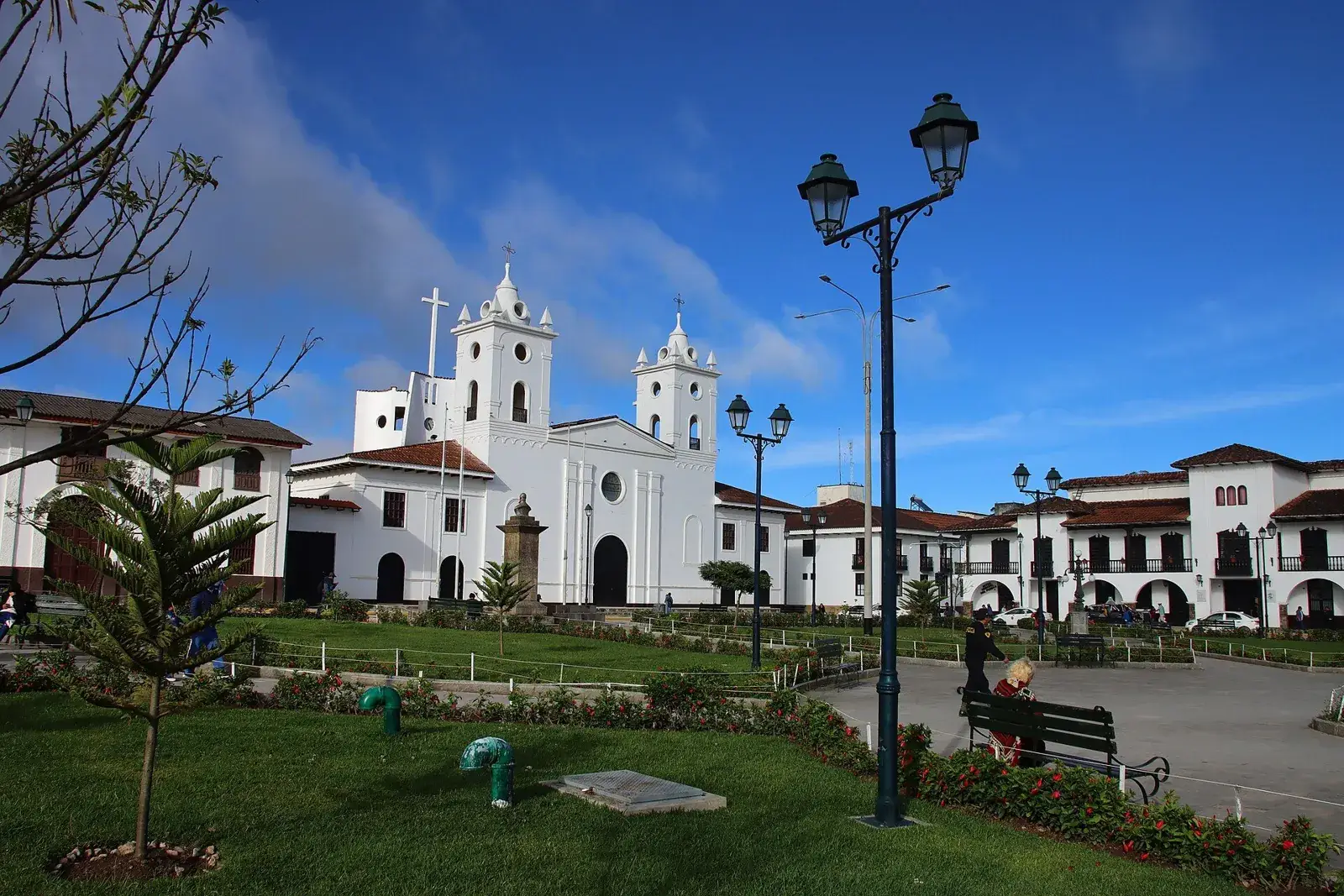
Plan three or four nights around Chachapoyas to see Kuelap, the Gocta waterfall and one or two other sites without rushing. The region is remote, and the journey is long, which is why it is quiet. Roads and access arrangements change, particularly for Kuelap, so stay flexible with dates.
In this section
-
 Attraction
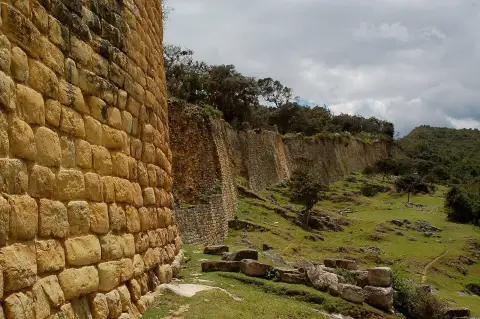
Kuélap Fortress
A huge walled hilltop settlement in the northern Andes, reached by a cable car from the valley.
-
 Attraction
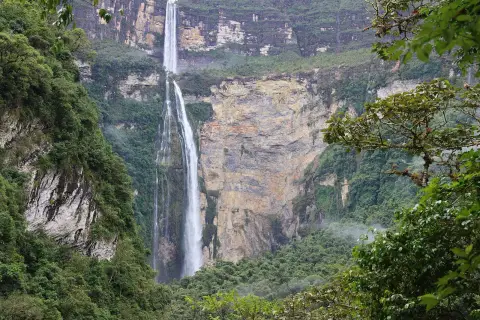
Gocta Waterfall
A two-tiered waterfall dropping from a cloud-forest cliff, reached on a half-day to full-day hike.
-
 Attraction
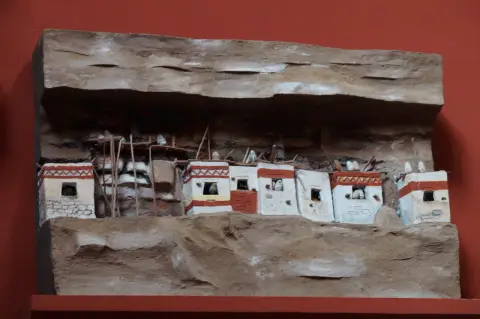
Leymebamba Museum and Condor Lagoon Mummies
A small highland town whose museum shelters the Chachapoya mummies recovered from a cliff tomb above Laguna de los Cóndores.
-
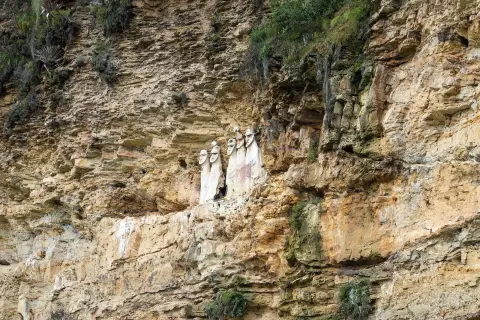 Attraction
Karajía Sarcophagi
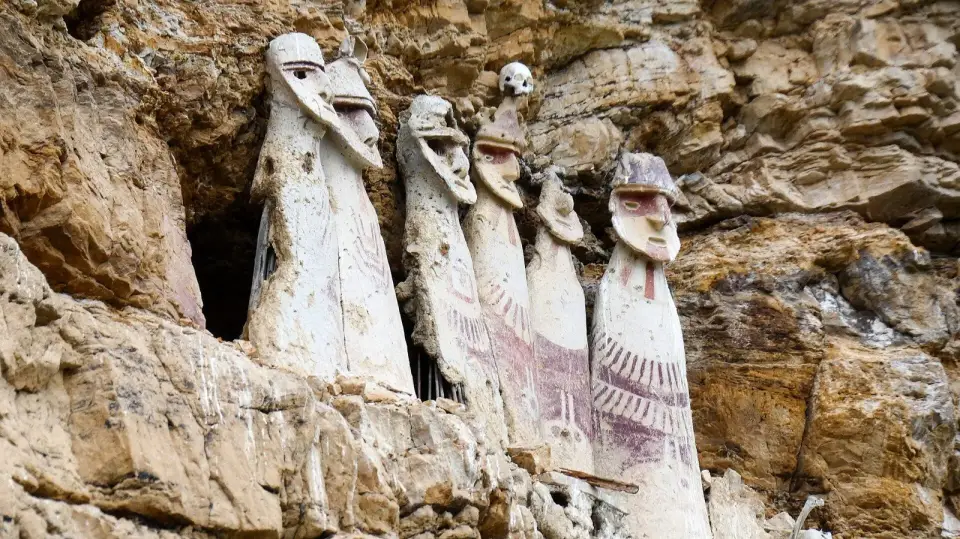
Seven life-size clay burial figures of the Chachapoyas culture, standing on a ledge in a limestone cliff above a forested valley.
-
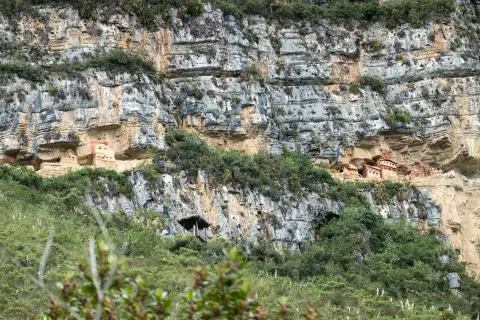 Attraction
Revash Mausoleums
Painted, house-shaped funerary buildings tucked under a limestone cliff in the Chachapoya highlands of Amazonas.
-
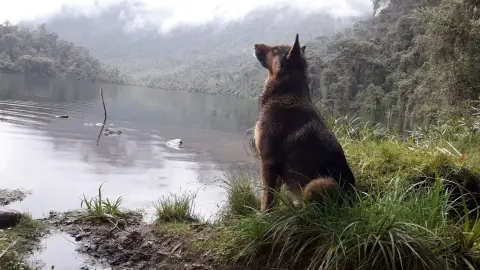 Attraction
Laguna de los Cóndores
A remote cloud-forest lake above Leymebamba, with Chachapoya cliff tombs reached by a multi-day trek.
-
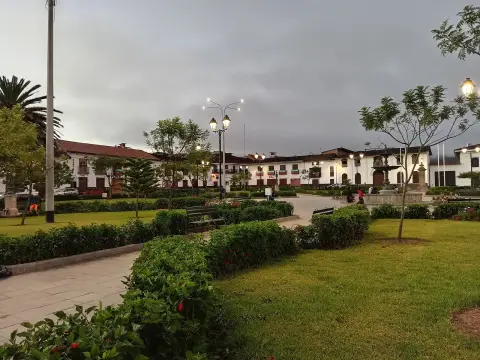 Attraction
Chachapoyas Plaza de Armas
The tidy colonial square at the centre of Chachapoyas, and the grid of old streets, market and viewpoints that make up the town's walkable centre.
The cloud people
The Chachapoyas culture, often called the cloud warriors, lived in the forested mountains of the north-east Andes before the Incas conquered them. They built stone settlements on ridges, painted cliff tombs and fortified towns, and much of this still lies unexcavated under forest. The Inca conquest and later the Spanish period reshaped the region, but the sites are among the least visited major archaeology in Peru.
Travellers who know the south often remark on how few other visitors they meet here, which makes the sites feel closer to how explorers once found them. The town of Chachapoyas itself is a pleasant, small colonial place with a main square, a market and simple restaurants. It serves as the base for everything. Evenings are quiet, mornings start early, and the hills around the town are often wrapped in mist. The pace is slower than in the south, and visitors who are patient are rewarded with real space and silence at the sites.
Kuélap
Kuélap is a walled settlement on a mountain top, with massive stone walls and hundreds of circular house foundations inside. It is one of the largest pre-Inca stone constructions in South America. For years access involved a long road and walk; a cable car now makes the visit easier. Operating arrangements, tickets and schedules change. Bring layers, since weather on the ridge changes quickly, and expect mist.
Inside the walls, the round houses stood on platforms, and some still show decorative friezes. Trees and bromeliads cling to the stonework, giving the site an overgrown feel quite unlike the manicured ruins of the south. Allow a half day, including time to walk the circuit. Wear shoes with grip, because the paths can be slippery, and bring a rain layer in any season.
Gocta and other sights
The Gocta waterfall drops in two tiers through cloud forest and is among the tallest in the world, a title that depends on how it is measured. Reaching the base involves a walk of several hours from a village, partly through forest. Other sights include the Karajía sarcophagi, clay figures set in a cliff face, the Leymebamba museum with mummies recovered from a lake, and the Revash cliff tombs. Distances are large, so choose a couple rather than trying to fit all.
The walk to Gocta is rewarding but muddy, so wear good shoes and carry a waterproof layer. Local guides from the villages are the usual way to visit, and their fees support the communities. Because roads are rough and distances long, plan each excursion as a half day or more, and ask your hotel or an agency to arrange transport.
Getting here
The journey is part of the experience. Buses from Chiclayo and other northern cities take many hours over mountain roads, and flights serve a nearby airport in some periods. It is common to reach the town overnight. The roads in the wet season, roughly December to March, can be affected by landslides, so leave a margin in your plan.
For the options from the capital, including combinations of flights and buses, see Lima to Chachapoyas. Because road conditions and flight schedules change, allow some slack in your plans. If you suffer from motion sickness, take a remedy suggested by a doctor or pharmacist for the winding road.
When to go
The drier months, roughly May to September, give the most reliable weather, although mist is never far away. The rainy season turns trails to mud and can hide views, but waterfalls run full. Dress for rain at any time of year.
If you can choose, the dry season is better for the long walks and for the road journeys. In the wet months, allow extra days in case a road is blocked. Mornings tend to be clearer than afternoons, so start sightseeing early and keep the afternoon flexible. The weather by region differs here from the southern Andes.
Where to stay and eat
Because tourism here is small in scale, it is wise to arrange transport and guides a day ahead rather than on the morning itself, and to confirm departure times. Hotels in Chachapoyas range from simple rooms to comfortable boutique places, and a few lodges lie outside the town, close to the sights. Choosing a base in town gives you access to restaurants and transport, while a lodge near Gocta or Kuélap gives a quieter night and a shorter morning journey.
Food draws on the northern highlands: soups, potatoes, trout and local cheeses, with fruit from the lower valleys. Many restaurants close early. The regional dishes are outlined in food in the north. Try a local coffee, since the surrounding valleys grow it, and carry snacks on long excursion days.
Planning the region sensibly
Plan three nights at least: a day for Kuélap, a day for Gocta and a day for either the museum and tombs or a rest. Add a night if you want to use the region as a stepping stone to or from Cajamarca, because the journeys are long. The northern itinerary shows how this area fits with the coast and the highlands.
Keep your schedule flexible. Strikes and road blockades occasionally affect northern routes, so read about strikes and blockades before booking tight connections. Carry cash in soles, since machines are few, and leave a spare day before an international flight. The region rewards time and patience, and the quiet it offers is part of why it is worth the effort.
Map
Where to sleep
-
Chachapoyas
Base for Kuélap and Gocta
A small town with a main square, restaurants and tour agencies, and a good choice of simple hotels. It is the practical base for the region.
Keep in mind: The sights are far from town, so plan early starts, and one night is not enough for more than one of them.
Find hotels →
Weather in Chachapoyas
Forecast: MET Norway
Frequently asked questions
How many days do I need?
Three nights lets you see Kuélap and Gocta. Four or five lets you add the museum and cliff tombs.
Is the area difficult to reach?
It takes a long day of travel from the coast. It rewards patience with very few crowds.
Is Chachapoyas suitable for hiking?
Yes. There are many trails, though they can be muddy and the altitude is moderate rather than extreme.
Is Kuélap worth the journey?
For most visitors interested in archaeology, yes. The scale of the walls, the setting and the quiet are memorable. If you only want famous ruins and short transfers, the south may suit you better.
Do I need a guide for Gocta?
Local guides are usually required or strongly recommended for the walk, and they can explain the forest and the wildlife. Ask at the village before you set out.
Can I visit Chachapoyas from Cajamarca?
Yes, though the journey is long and usually involves a change or an overnight stay. Look at the northern itinerary for a route.
What should I bring for the cloud forest?
A waterproof jacket, quick-drying layers, grippy shoes, insect repellent and a hat. Mist and rain are common, and trails are muddy. A small day pack with snacks and water is essential.
Is it a good place for birdwatching?
Yes, the cloud forest is rich in birds, and local guides can help you find them. Early morning is the best time, and binoculars are a useful addition to your kit.