Laguna de los Cóndores, also called Laguna de las Momias, is a lake in the cloud forest of the Amazonas region, in the district of Leymebamba. Its cliff tombs held the Chachapoya mummies now displayed in the Leymebamba museum. The lake can be reached only on foot or on horseback, usually on a guided trek of three to four days that starts in Leymebamba. The walk is long and largely uphill, so go in the drier months, with a licensed guide and warm, waterproof clothing.
Map
What the lake is
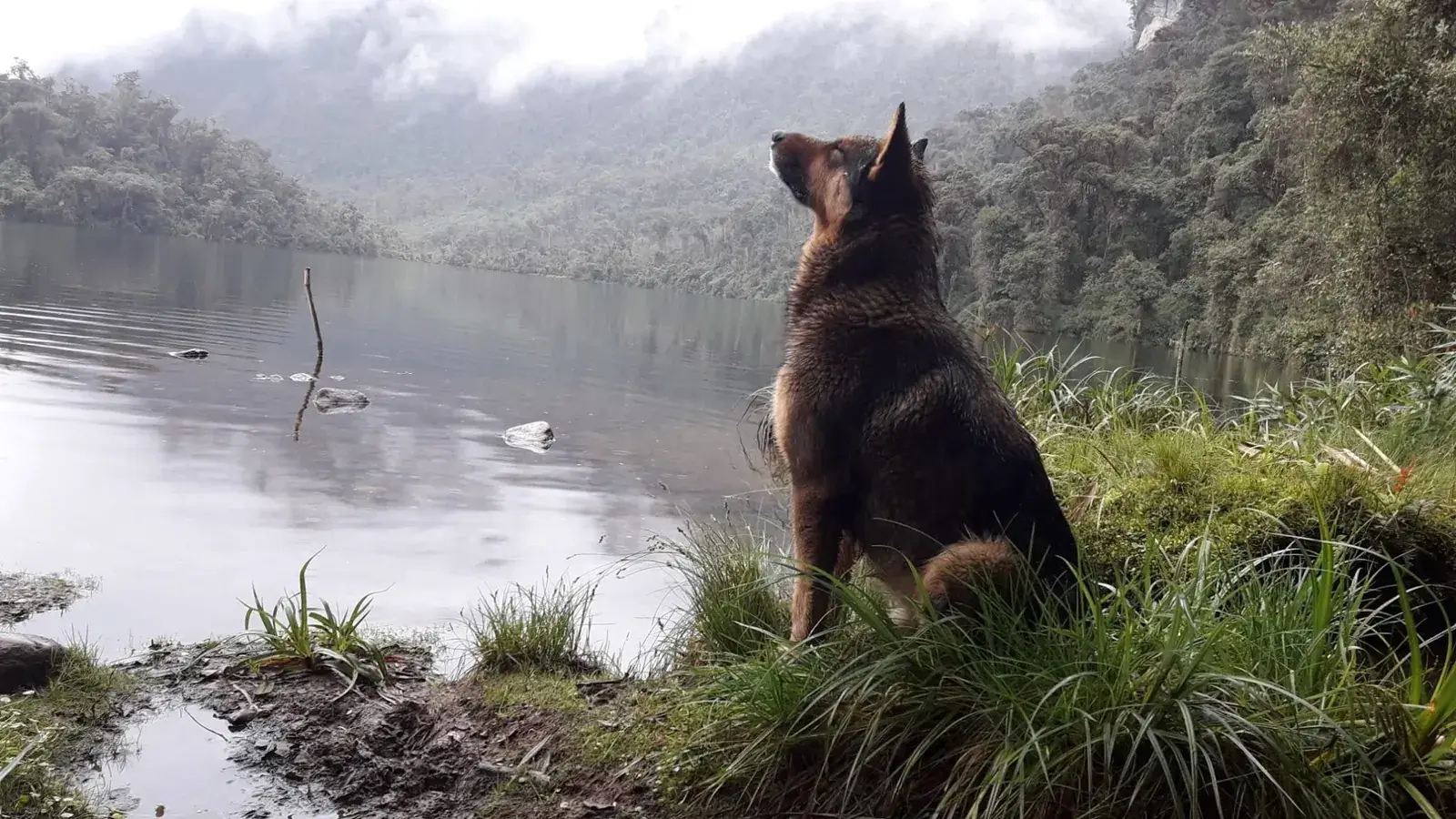
Laguna de los Cóndores is a lake of roughly three kilometres in length set in the cloud forest of the eastern Andes, in the district of Leymebamba, south of Chachapoyas. It is also known as Laguna de las Momias, the lake of the mummies. The first name comes from the condors seen gliding along the rock walls, the second from what was found on those walls.
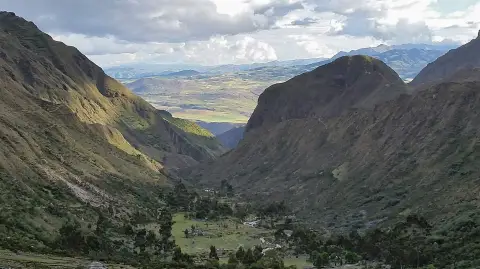
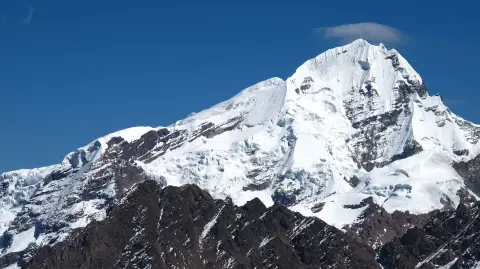
The lake lies at about 2,600 m, well below Cusco and low enough that most people feel the altitude only on the way in, since the route crosses a high ridge, reported at around 3,800 m, before it drops towards the water. It is a wet, green, mossy place with orchids, bromeliads and mist, a different world from the dry stone of the highland ruins. It sits within the wider Chachapoyas area described on the Chachapoyas destination page.
How the tombs were found
The cliff tombs became known in 1996, according to the most detailed published account, though some sources give 1997. Local men working for a rancher from Leymebamba came across funerary buildings on a ledge above the lake. News spread, and before the authorities could secure the site, looters had reached it and damaged many of the bodies. Tourists and others also moved bundles for photographs, and some were left exposed to the rain.
A rescue operation followed. The remains and the objects around them were carried out on horseback to Leymebamba, and the tombs were documented. The number of mummy bundles was first estimated at around 70 and then revised upward to more than 200, with 219 the figure given in the archaeologist Sonia Guillén's account, along with over 2,400 other objects. Counts differ slightly between sources, so treat them as approximate.
The Chachapoya and their funerary buildings
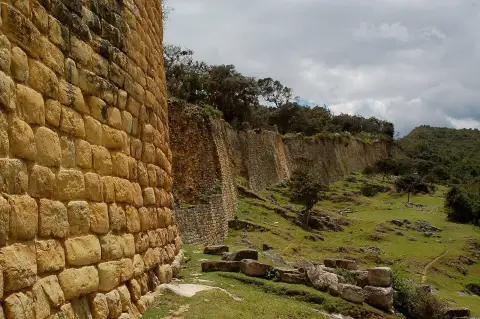
The Chachapoya were the people of these cloud forests before the Inca conquest, builders of the fortified city of Kuélap and of many hillside settlements. They are often called the "warriors of the clouds", a label that tells you more about Inca opinion than about daily life.
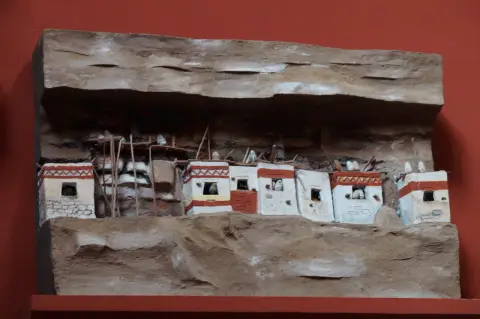
At the lake, the burials were placed in about six mausoleums, cube-shaped chambers built into a natural recess of a steep rock wall, with three built walls and the cliff as the fourth. They had two levels and small windows. Inside, individual bodies sat in a seated, wrapped position, bundled in textiles, often with pottery, wooden objects, ornaments and cloth. Some items show Inca influence, which fits the period when the region came under Inca rule. The site is a rare case where perishable material such as cloth, cord and wood survived, which is why it matters so much for understanding the culture.
The trek in outline
There is no road to the lake. The usual approach is a guided trek of three days and two nights, or four days with an extra night or a rest day, starting from Leymebamba. The first day is the hardest: operators describe about nine to ten hours of steep, mostly uphill walking over a high ridge, with horses or mules for luggage and often a saddle horse for each trekker.
The route passes through grazing land, then forest and boggy sections, and ends at simple cabins near the shore. On the second day a small boat crosses the lake, and a climb of about an hour leads to the tombs. The return to Leymebamba is on the last day, mostly downhill but long. The distance is not reliably published, so ask the operator for hours of walking per day. Mud, rain and river crossings are normal, and the ground can be slippery.
When to go
The drier months, roughly May to September, are the sensible choice, as the trail is firmer and the views along the ridge are more likely to be clear. This is also the dry season in much of the Andes. The wetter months bring heavy rain, deeper mud and the risk of cancelled departures, and the rainy season page explains what that means in practice.
Even in the dry season the cloud forest is damp and the nights at the cabins are cold. Weather at the lake changes within hours, so expect mist and a shower on any day. If your dates are flexible, build in a spare day at the end of your time in the region rather than a flight the next morning.
Effort, altitude and who it suits
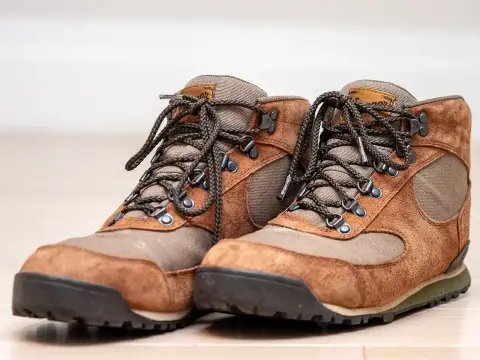
This is a demanding trek for people used to walking all day, though riding for part of the way is an accepted option. The first day involves a climb to roughly 3,800 m, so a few days in Chachapoyas (about 2,300 m) first helps, and the notes on altitude sickness apply, although symptoms are milder than on the Cusco treks. Good boots, a rain jacket, gaiters and a warm layer matter more than special equipment; the trekking gear and packing list pages cover it.
The trek suits people with an interest in archaeology and in remote, quiet places, and who are comfortable with basic cabins and wet clothes. It does not suit travellers with limited time, small children, or anyone expecting a tourist site with facilities. If you want the mummies without the trek, the museum is the alternative.
The museum alternative and what to combine
Most of what was recovered from the tombs is shown in the Leymebamba museum, a few kilometres from the town, which makes it possible to see the mummies and the textiles in a day. The Leymebamba museum page covers the displays. Visiting the museum first makes the trek more meaningful, and visiting afterwards puts the objects back in their setting.
Around the trek, the usual companions are Kuélap, the great hilltop fortress, and the Gocta waterfall. The lake can also link a route between Chachapoyas and Cajamarca, and the northern Peru itinerary shows how these stops fit together.
Where to sleep
-
Find hotels
Chachapoyas
Base for Kuélap and Gocta
Frequently asked questions
Can I visit Laguna de los Cóndores without a trek?
No road reaches the lake, so a walk or horse ride of about nine to ten hours on the first day is part of the visit. If you only want to see the mummies, the Leymebamba museum displays the remains recovered from the tombs.
How many days does the Laguna de los Cóndores trek take?
Operators usually offer three days and two nights, or four days with an extra night. Allow one more day in Leymebamba or Chachapoyas before and after for transport and rest.
Is the Laguna de los Cóndores trek difficult?
Yes, the first day is long, steep and muddy, and the trail crosses a ridge at roughly 3,800 m. Riding a horse for part of the way is common, but you still need to be fit, and rain makes it harder.
Are the mummies still at the lake?
The bodies were moved to Leymebamba for protection after the looting, and they are on display at the museum. At the lake you see the empty cliff mausoleums, the walls and the setting, not the bundles.
When is the best time for Laguna de los Cóndores?
The drier months, roughly May to September, give firmer ground and better views. Check the current forecast with your operator, because cloud-forest weather is changeable even then.
Can I go without a guide?
A guide is strongly advised and is normally part of the package: the route is long, unmarked in places and far from help. Operators also arrange horses, cabins and boat crossings, so ask what is included and see the page on choosing an agency.
How do I get from Chachapoyas to the start of the trek?
Leymebamba is south of Chachapoyas by road, a drive of roughly two hours. Many operators pick up in Chachapoyas for an extra cost, while others start from the town of Leymebamba, so confirm the meeting point.