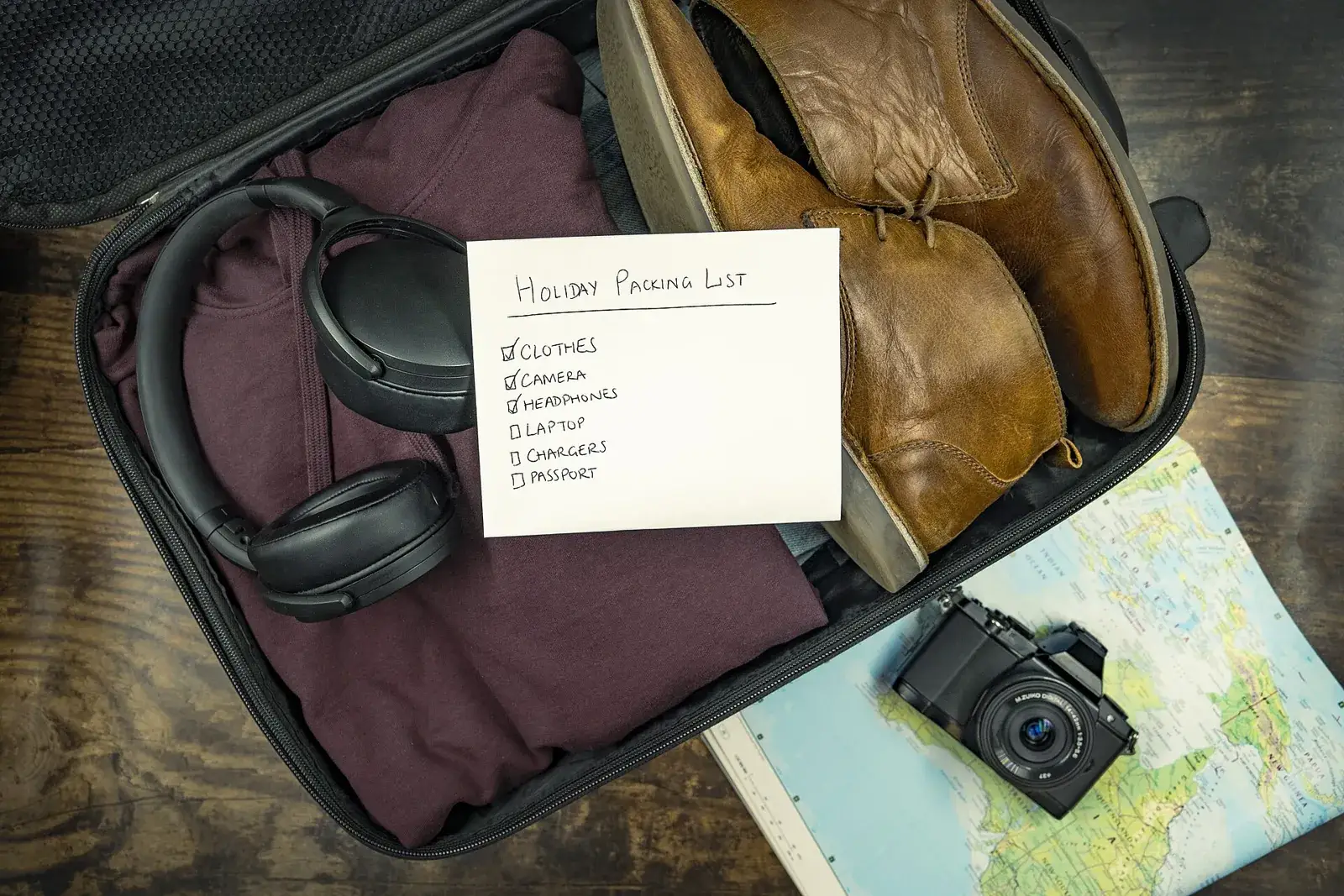
Pack for several climates: layers for cold Andean mornings and nights, sun protection for strong high-altitude light, a rain layer, and light clothing for the coast and jungle. Bring comfortable broken-in footwear, a small day bag, any medication you need, and copies of key documents. Travel light, since you will often move by bus or small plane.
The layering principle
In the Andes, a sunny afternoon can feel warm and the night can fall close to freezing, especially in the dry season. The easy answer is layers: a thin base layer, a warm mid-layer such as fleece or a light down jacket, and a windproof or waterproof shell. A hat and light gloves are worth having for early starts, sunrise tours and nights in Cusco, Puno or Huaraz.
On the coast, the winter months can be grey and cool, while summer is warm. In the Amazon, light, quick-drying long sleeves protect against insects and sun, and a rain jacket covers the frequent showers. See weather by region to understand how the seasons differ between the three zones.
Essentials by category
Clothing: several breathable tops, convertible or quick-drying trousers, a warm layer, a rain shell, a sun hat, swimwear if you want to use a hotel pool or a hot spring, and enough socks. Footwear: comfortable walking shoes for cities, and sturdy shoes or boots if you plan to hike. Break boots in before you leave.
Sun and skin: high-factor sunscreen, lip balm with protection and sunglasses, since ultraviolet exposure is strong at altitude. Insect repellent for the jungle and some valleys. A reusable water bottle, and a small first-aid kit with personal medication in original packaging.
Day gear: a small daypack, a power bank, a plug adapter, a head torch for treks and early starts, and a lightweight dry bag or rain cover for the pack. A copy of your passport, insurance details and emergency contacts should be kept apart from the originals.
Documents, money and electronics
Keep documents in one slim, waterproof folder: passport, printed or offline copies of tickets and bookings, insurance policy details, vaccination records and any permits. Check entry requirements before packing, since airlines may ask for onward travel. Carry some soles in small denominations, as described in money.
For electronics, bring a universal adapter and check your devices against the voltage in electricity. A phone with offline maps, a spare cable and a power bank are the basics. A small padlock is useful for hostel lockers and for bags on overnight buses.
Trekking and Machu Picchu add-ons
If you plan to walk the Inca Trail or another multi-day route, see trek gear for sleeping bags, poles, boots and clothing in detail. Many agencies hire out sleeping bags and mats, and porters' weight limits mean that your own bag has a cap, so confirm it with the operator.
For a day at the citadel, see Machu Picchu packing to understand what the site allows: small bags are usually permitted, large rucksacks are generally not, and rules about items such as tripods, umbrellas and food are set by the authorities and change.
Health and comfort items
Bring enough of any regular medication, plus a margin, in its original packaging, with a copy of the prescription. Ask a doctor or travel clinic about what else to carry; see health and vaccines for topics to raise. Blister plasters, a basic pain reliever, rehydration sachets and hand sanitiser are common choices, but the exact kit is a medical decision.
Earplugs and an eye mask help in noisy hotels and on night buses. A lightweight towel, a small travel wash kit and zip bags for damp clothes make long trips easier. A scarf or buff serves as sun cover, neck warmer and dust mask on unpaved roads.
What you can buy locally
Cusco and Lima sell trekking clothing, ponchos, hats, gloves, sunscreen and basic gear, often at reasonable prices, and warm alpaca items are a popular purchase. Quality varies, so inspect seams and zips. Do not leave essentials such as prescription medication until you arrive.
Hiring sleeping bags, poles and mats is usually possible through trek operators. Check what the operator provides and the condition of rental gear before you set off. Technical or specialist equipment is better brought from home. If you are watching costs, see saving tips to understand where buying locally pays off.
What to leave at home
Skip valuable jewellery, bulky items and anything that you would be upset to lose. A suitcase with wheels is less convenient on cobbled streets and in small hotels with stairs, so consider a duffel or a backpack. Some domestic flights and trains limit luggage size or weight, so check the limits with the airline or train company before packing.
Leave space for souvenirs, and remember that some items cannot be taken home; see souvenirs to understand what to check. A packing cube system makes it easier to move between hotels without unpacking everything each night.
Frequently asked questions
Do I need a rain jacket in the dry season?
It is still wise to bring a light shell, as mountain weather can change quickly and the Amazon has showers all year.
Can I buy hiking gear in Cusco?
Yes, basic gear is widely available, but bring boots and any technical items from home.
How much luggage should I bring?
As little as you can manage, and check airline and train luggage limits for your route.
Do I need hiking boots for Machu Picchu?
No. Comfortable shoes with good grip are enough for the citadel, and boots are a choice for those doing treks. Wet stone steps are slippery, so avoid smooth soles.
What should I wear in Lima?
Lima is mild year-round, with a grey, damp winter and a warm summer. Light layers and a jacket for evenings are enough for most visits.
Is a sleeping bag necessary?
Only for camping treks, and most agencies rent them. Ask what is provided and bring a liner if you prefer your own hygiene layer.
Should I pack a first-aid kit?
A small personal kit is sensible, with medication agreed with a doctor. Pharmacies in cities are plentiful, but supplies on treks and in remote areas are limited.