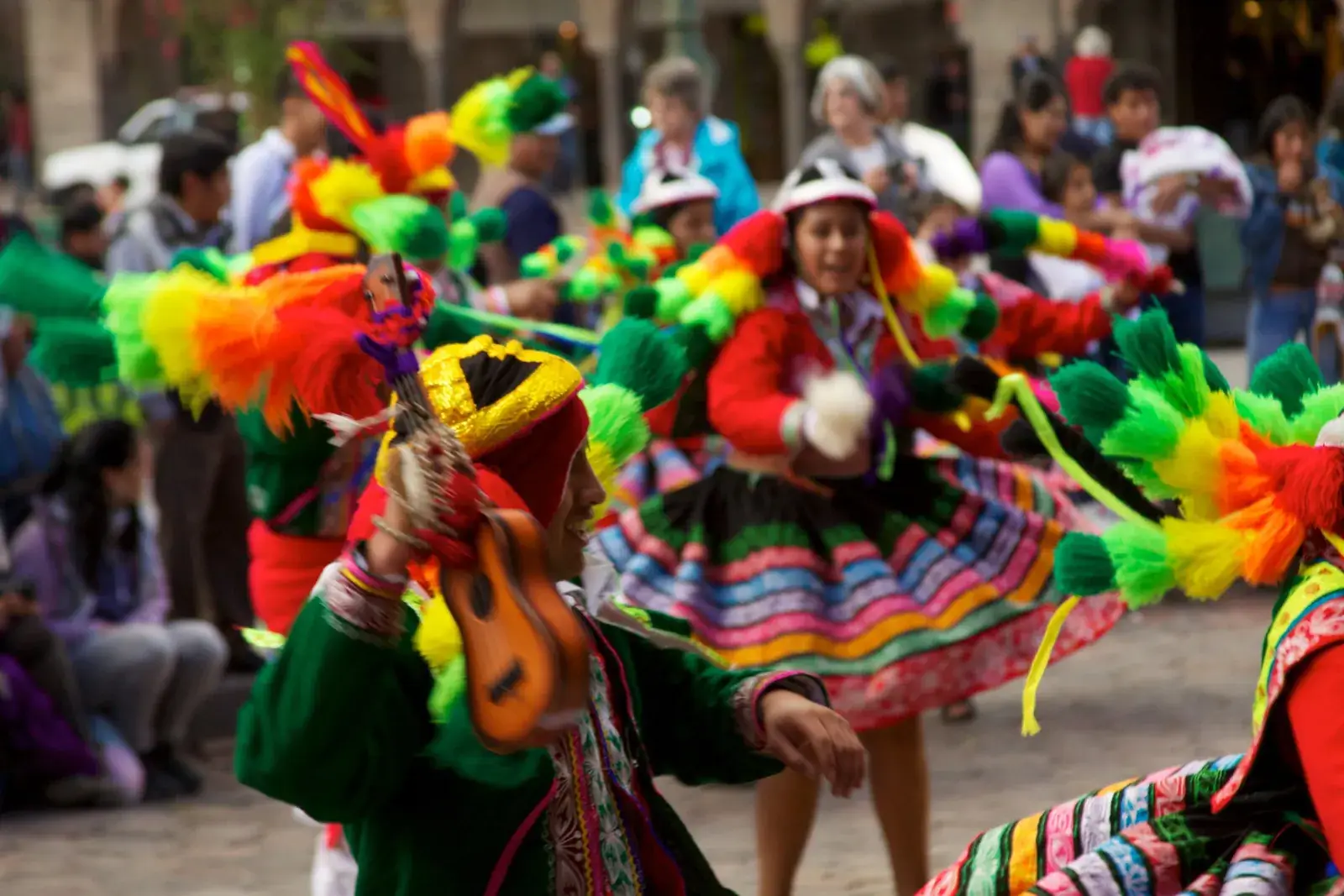
Peru's culture is the product of more than five thousand years of continuous human history: early coastal and Andean civilisations, the Inca state, three centuries of Spanish rule and a republic built on a mix of Indigenous, European, African and Asian influences. Most of it is still visible, in ruins, churches, markets, festivals, textiles and the languages people speak.
This section explains the background to what you will see, in nineteen articles. Start with the history overview, then follow the themes that match your route.
In this section
-
 Guide
Peruvian History in Brief
A compact timeline of Peru from the first settlers to the present, linked to the places where each period can be seen.
-
 Guide
Pre-Inca Civilisations of Peru
A guide to Peru's civilisations before the Incas and the sites and museums where each can be seen.
-
 Guide
The Inca Empire: Tawantinsuyu
How the Inca Empire was built, governed and lost, and where to see its legacy in Peru.
-
 Guide
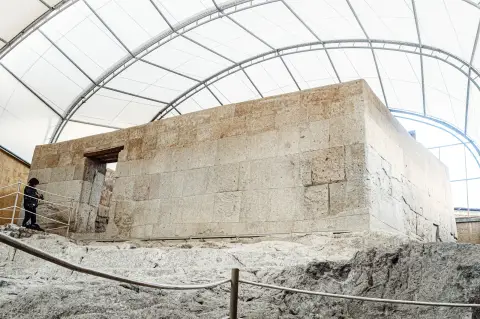
The Spanish Conquest and Colonial Peru
From Pizarro's arrival in 1532 to the Túpac Amaru II rebellion, a clear account of the conquest and of 300 years of colonial rule.
-
 Guide
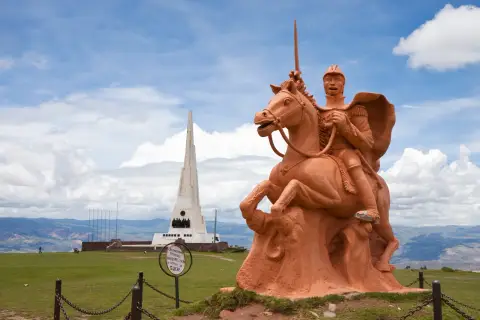
Independence and the Peruvian Republic
Peru's road from the proclamation of 1821 to the battle of Ayacucho, and a short outline of the republic's 19th and 20th centuries.
-
 Guide
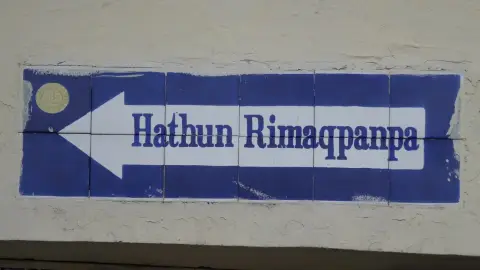
Languages of Peru: Quechua, Aymara, Spanish
Peru is a multilingual country: Spanish is dominant, but millions speak Quechua or Aymara and dozens of Amazonian languages survive.
-
 Guide
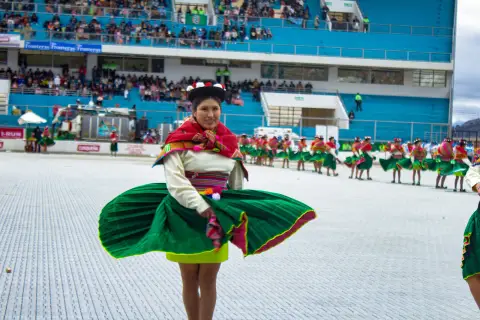
Festivals in Peru
Peru's biggest festivals, when they fall, what a visitor sees and how early to book.
-
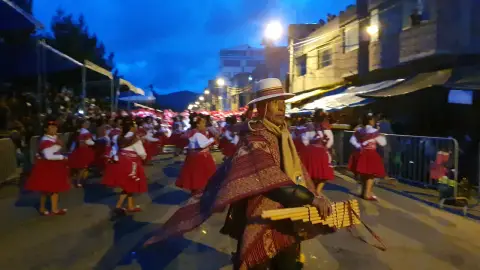 Guide
Music and Dance of Peru
A guide to Peru's main musical styles, instruments and dances, and where visitors can hear them.
-
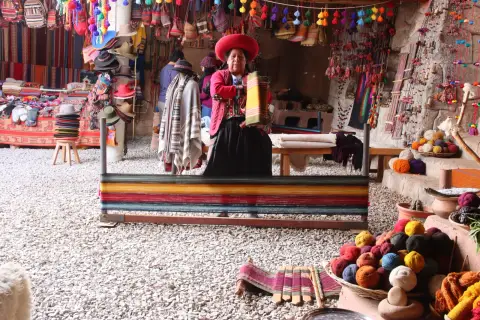 Guide
Andean Textiles: Weaving, Dyes and Buying
Weaving is one of the oldest living arts in Peru; this guide explains fibres, dyes, patterns, the main weaving communities and how to buy fairly.
-
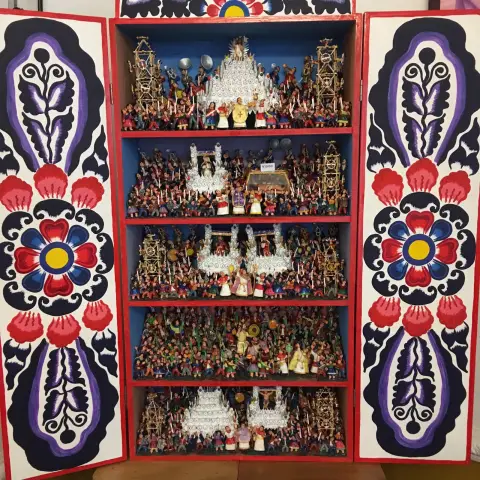 Guide
Peruvian Crafts: Retablos, Pottery and More
A regional guide to Peru's main handicrafts, what makes each one distinct, and how to buy them ethically and legally.
-
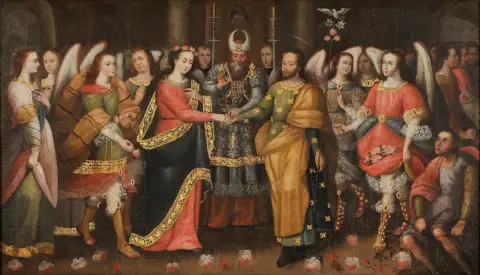 Guide
The Cusco School of Painting
The colonial painting tradition of Cusco, its Quechua and mestizo artists, its recurring images and the churches and museums where it is on view.
-
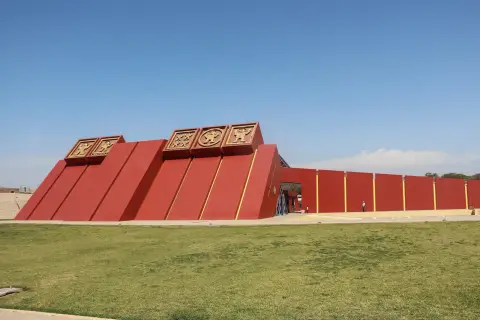 Guide
Museums in Peru: Lima, Cusco and the Regions
Which museums are worth a visit in Lima, Cusco and the regions, what each holds and how to plan around closures and fees.
-
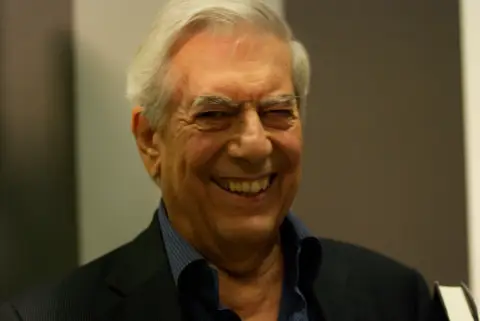 Guide
Peruvian Literature: What to Read Before You Go
A reading guide to Peruvian writers, from the colonial chronicler Inca Garcilaso to Nobel laureate Mario Vargas Llosa, linked to places you can visit.
-
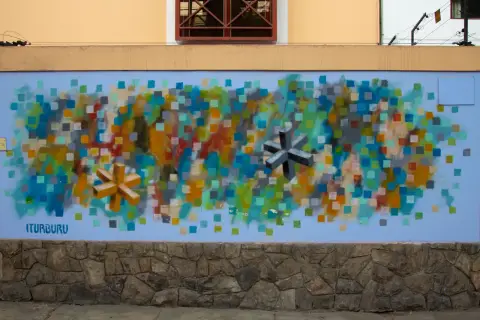 Guide
Contemporary Art in Peru: Lima and Beyond
Where and how to see modern and contemporary Peruvian art, from the abstract painting of Szyszlo to Barranco's galleries and street murals.
-
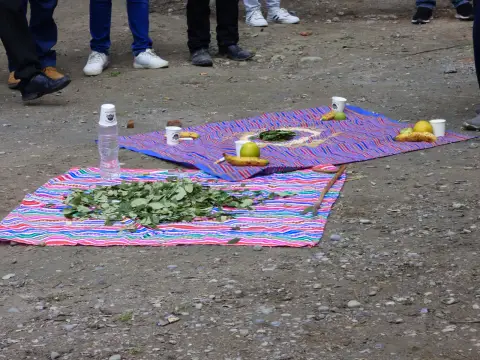 Guide
Andean Beliefs and Pachamama
How Andean communities relate to the land, the mountains and the saints, and how visitors can behave respectfully.
-
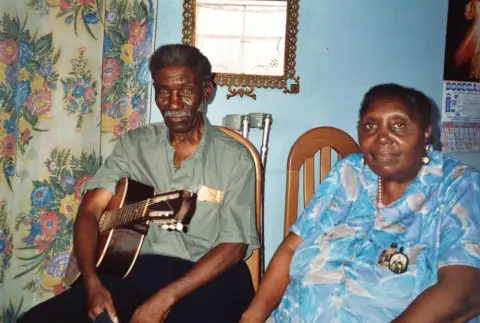 Guide
Peoples and Cultures of Peru
An overview of Peru's peoples, from Andean and Amazonian Indigenous nations to Afro-Peruvian, Chinese and Japanese Peruvians.
-
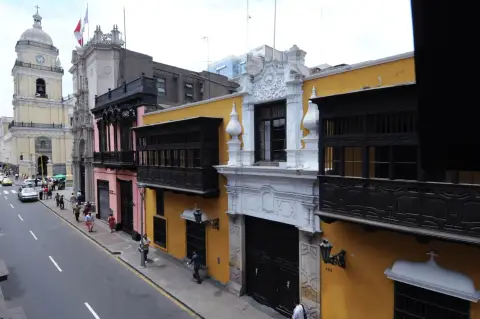 Guide
Colonial Architecture in Peru
How Spanish building styles mixed with Andean stonework and materials, and where to see the best colonial churches, balconies and courtyards.
-
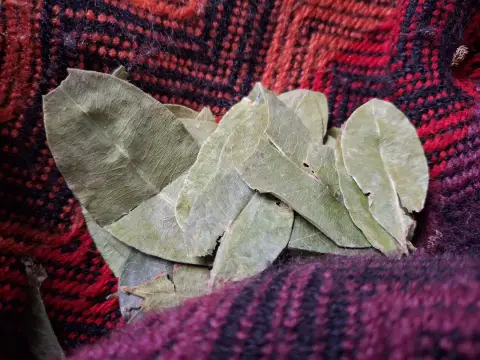 Guide
The Coca Leaf in Peru
What coca is, how Andean people use it, whether tourists can drink it and why it must stay in Peru.
-
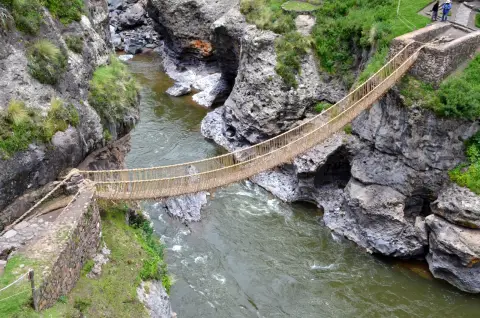 Guide
Inca Engineering: Terraces, Roads, Stone
How the Incas built terraces, roads, stone walls and water systems, and where to see them.
A country with several pasts
Peru is often summed up as "the land of the Incas", but the Inca state lasted barely a century before the Spanish arrived in 1532. Long before, societies on the desert coast, in the highlands and on the edge of the Amazon had built temples, irrigation systems and cities. Anyone planning a trip to Machu Picchu will find the picture much richer if they place it in that longer story.
The best way in is the chronological one. Peruvian history in brief runs from the first settlers to the present day, and the two articles that follow deal with the great pre-Hispanic periods: pre-Inca civilisations, from Caral to Chachapoya, and the Inca Empire itself. For the technical side of that empire, see Inca engineering, which covers terraces, roads, stonework and the quipu.
Conquest, colony and independence
The arrival of Francisco Pizarro and his men changed Peru for good. The Spanish conquest explains how a few hundred Europeans, helped by an Inca civil war, disease and Indigenous allies, overthrew the largest state in the Americas. The colonial centuries that followed left the churches, plazas and balconied mansions that fill the old centres of Lima, Cusco and Arequipa, described in colonial architecture.
The break with Spain came in the 1820s, and independence covers the campaigns, the leaders and the uncomfortable fact that the new republic changed little for most Indigenous people. Together these three articles supply the dates and names that museum labels and guides take for granted.
Peoples, languages and beliefs
Peru has a population of mixed ancestry and many identities: Quechua and Aymara communities in the highlands, dozens of Amazonian peoples, Afro-Peruvians on the coast, and descendants of Chinese and Japanese migrants. Peoples of Peru gives an overview of who lives where, without reducing anyone to a stereotype.
Language is closely tied to identity. Spanish is the main language, but Quechua is spoken by millions and Aymara by many around Lake Titicaca; languages of Peru explains the picture and a few useful phrases. Beliefs are just as layered. Andean beliefs describes the veneration of mountains and Pachamama, and how it coexists with Catholicism, while the coca leaf looks at a plant that is both sacred and legally sensitive.
Festivals, music and dance
Much of Peruvian culture is performed rather than displayed. Festivals in Peru covers the calendar of religious processions, Inti Raymi, Carnival and village fiestas that can transform a town for days. Music and dance are inseparable from these events, and music and dance explains the instruments, the regional styles and the difference between highland huayno and coastal marinera.
A visitor with a flexible schedule can often plan part of a trip around a festival, but dates move, prices rise and rooms fill early, so the articles also say what to check before booking. Respect for processions and for people in costume is a recurring theme.
Textiles, crafts and colonial art
Weaving is one of the oldest Andean arts, with a tradition that reaches back to Paracas burial cloths and still shapes the patterns worn in villages near Cusco. Textiles explains fibres, dyes, designs and how to judge what you are buying. Crafts of Peru widens the view to ceramics, retablos, carved gourds, silverwork and the regional markets where they are made and sold.
The colonial period also produced a distinctive painting tradition. The Cusco School describes the Andean painters who adapted European religious imagery, often with local flowers, fruit and costume, and tells you where to see their work in churches and museums.
Museums, books and contemporary art
For objects that explain the story, museums in Peru lists what each major collection is best for, from gold and textiles to the ceramics of the north coast. Reading helps as well: Peruvian literature introduces the novelists and poets, including Nobel laureate Mario Vargas Llosa, whose books are a good companion to the places you visit.
Contemporary art closes the loop by showing how today's painters, photographers and street artists deal with the same themes of memory, identity and landscape. Lima's galleries and the murals of Barranco are the easiest places to start.
How to use this section on a trip
Choose the articles that match your route. A visit to Cusco and the Sacred Valley goes well with the Inca Empire and Inca engineering pages; the north coast is easier to understand after the pre-Inca article; Lima and Arequipa reward a read of colonial architecture and the Cusco School.
Cultural sites are living places. Local communities live and work around many of them, so ask before photographing people, keep to marked paths, and never buy objects that look like genuine antiquities. Peruvian law protects archaeological heritage, and removing it is a serious offence. Guides who know the region add far more than any text, and hiring a local one also supports the people who care for these places.
Frequently asked questions
Where should I start with Peruvian history?
Start with the history overview, which gives the full timeline in one read. Then pick the period that matches your route, such as the Inca Empire for Cusco or the pre-Inca article for the north coast.
How old is Peruvian civilisation?
The first people reached the region many thousands of years ago, and the city of Caral on the north-central coast dates to around 3000 BC, among the oldest in the Americas. The Inca Empire is therefore a late chapter, not the beginning.
Is Peru's culture only Inca?
No. Peru includes the heritage of dozens of earlier cultures, Spanish colonial traditions, African influences on the coast and Asian migrations. Cuisine, music and festivals all show these layers.
Which museums are best for an overview?
Lima and Cusco hold the main collections, and several smaller museums on the north coast are excellent for specific cultures. The museums article compares them so you can choose by interest and time.
Do I need to speak Spanish or Quechua?
Spanish is enough almost everywhere, and English is common in tourist services. A few Quechua words such as *allillanchu* (hello) or *sulpayki* (thank you) are appreciated in the highlands.
Which festivals are worth planning around?
Inti Raymi in Cusco in June, Holy Week in Ayacucho, Carnival in the highlands and the Virgen de la Candelaria festival in Puno are the best known. Dates and crowds change, so see the festivals article before booking.
Can I take photos of people in traditional dress?
Ask first, and accept a refusal. In places where people dress for tourists, a small tip is normal, and in markets and villages a smile and a purchase often open the way.