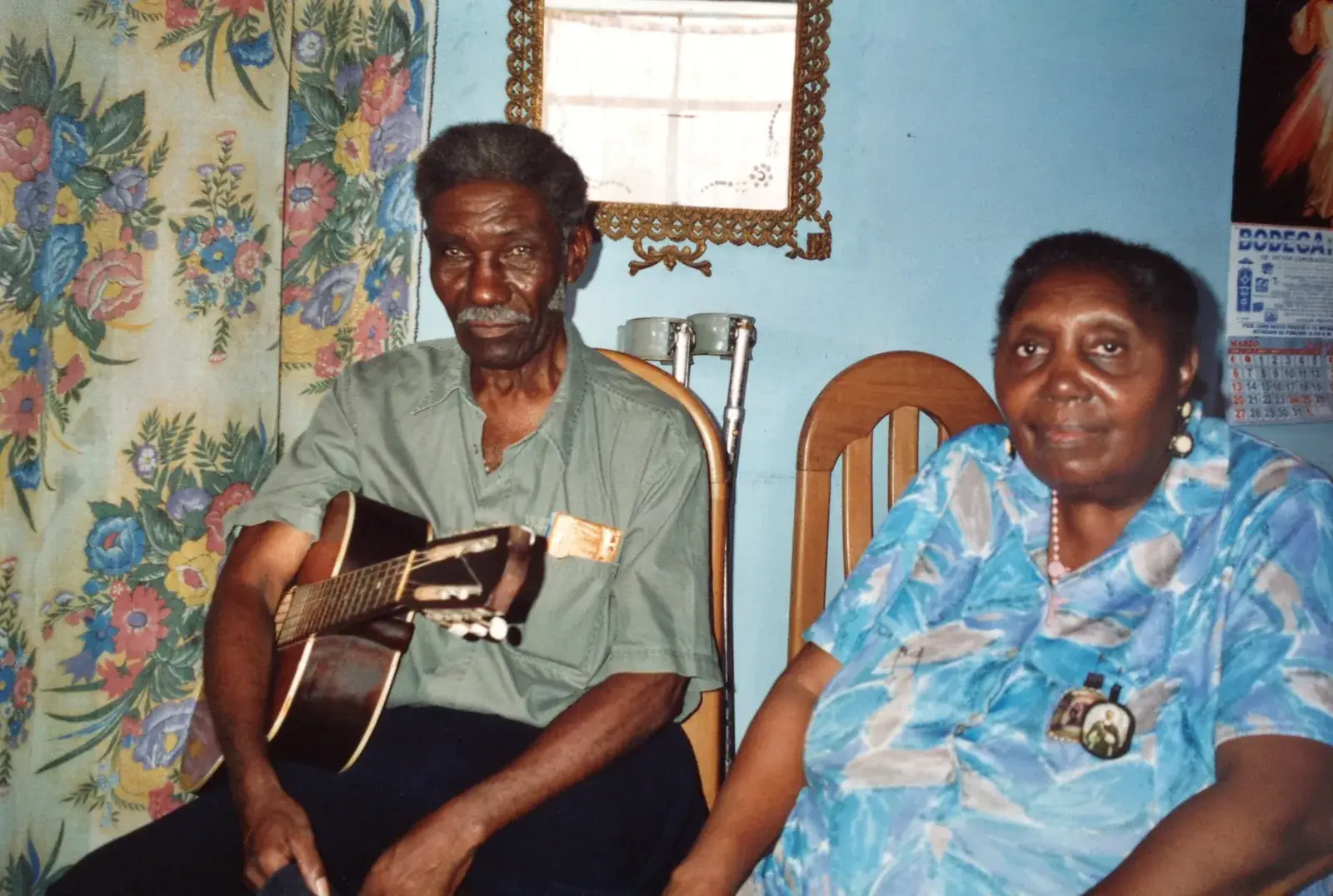
Peru is a multi-ethnic country where most people identify as mestizo (of mixed Indigenous and European heritage), with large Quechua and Aymara populations in the Andes, dozens of Indigenous peoples in the Amazon, and communities of African, Chinese, Japanese, European and Middle Eastern descent. Regions differ in language, food, dress and history, so "the Peruvian" does not exist as a single type.
For visitors, the key rules are to ask before photographing people, to pay fairly for services and goods, to visit communities through arrangements they have agreed to, and to avoid treating living cultures as scenery.
A country of regions
Peru is usually divided into three natural regions: the dry coast, the mountainous sierra and the forested selva. Each has developed its own way of life, shaped by climate and history, and each has its own sense of identity. People from the coast, the highlands and the jungle often joke about one another, and they eat, speak and celebrate differently.
The 2017 census asked people how they identify themselves. A majority chose mestizo, a substantial share chose Quechua, and smaller shares chose Aymara, white, Afro-Peruvian and Indigenous Amazonian options. These categories are rough, because identity is fluid and a person may be Quechua-speaking, urban and proud of Spanish heritage at the same time.
Migration is the great force of the last seventy years. Millions of highlanders moved to Lima, which is now a city where Andean and coastal cultures overlap, from food to music to business. For the longer story that led to this mix, see the history of Peru and the languages of Peru.
Coast: Lima and the northern valleys
The coast has been home to successive civilisations, from the Moche and Chimú in the north to the Nasca in the south, and the descendants of those people remain, mixed with later arrivals. Fishing communities such as those near Máncora and Paracas keep traditions linked to the sea, including small reed boats called caballitos de totora, still used on the north coast.
Modern coastal culture is described as criollo: a Spanish-speaking, urban culture shaped by Lima's colonial past, with its own food, music and humour. Its cuisine, from ceviche to chifa, and its music, from vals to festejo, are cornerstones of the national image; see the music and dance of Peru.
In the north, the horse, the straw hat and the cult of the saints give a distinct flavour. The coastal desert also hosts large irrigated farms and fast-growing cities. To understand the earlier cultures of the coast, read Chan Chan and Sipán, where archaeology and living communities meet.
Highlands: Quechua and Aymara
The highlands are the heartland of the Quechua, descendants of peoples brought into the Inca state, and of the Aymara around Lake Titicaca. Quechua is spoken by millions of people, with regional variants that are not all mutually easy to understand. Aymara is spoken mainly in the Puno region and over the border in Bolivia.
Rural life revolves around potatoes, maize, quinoa and herding llamas and alpacas, organised in communities that share land and labour. Dress, especially women's hats, skirts and woven cloth, indicates the village; see textiles. Quechua people are not a relic of the past: they are teachers, doctors, politicians and entrepreneurs, and many live in cities.
On Lake Titicaca, the Uros live on floating reed islands and the community of Taquile on a rocky island is known for knitting; both now rely heavily on tourism, which brings income and pressure. Read Taquile and the Uros Islands for how to visit. In the Cusco region, the Q'eros are often described as keepers of old traditions, though this image is itself partly a tourist invention.
Amazon peoples
The Peruvian Amazon is home to dozens of Indigenous peoples speaking languages from several families. The Ministry of Culture officially recognises 55 Indigenous peoples nationally, most of them in the lowlands. Larger groups include the Asháninka, the Awajún and the Shipibo-Konibo, the last known for geometric designs on cloth and pottery. Some communities in remote reserves, in Manu and elsewhere, live in voluntary isolation, and the law protects their right not to be contacted.
Daily life combines fishing, farming of cassava and plantains, hunting and gathering, with growing involvement in schools, health posts and the cash economy. Communities are fighting for land titles against logging, mining and oil, so tourism can matter for income but can also divide opinion.
Choose lodges and tours in which the community owns, runs or has a negotiated stake. Never try to visit isolated groups. See Iquitos, Tambopata and Manu for the regions and what to eat in the Amazon for the food.
Afro-Peruvian communities
Africans were brought to Peru as enslaved people from the sixteenth century, to work on coastal sugar and cotton estates, in households and in cities. Slavery was abolished in 1854. Afro-Peruvian communities remain strong in the south of Lima, Ica and Chincha, and in the north near Piura, and they have shaped Peruvian food, music and religion.
Their cultural contribution includes the cajón, the festejo, anticuchos, the dessert picarones and the devotion to the Señor de los Milagros, described in festivals in Peru and Afro-Peruvian music. For a long time, the community was under-represented in history books and public life; this has been officially acknowledged, and the state has issued apologies and put in place measures against discrimination.
Visitors can learn from museums, cultural centres, and festivals in the Chincha area, where dance and music are performed. As in other places, racism remains a problem, so listening to Afro-Peruvian voices is more valuable than relying on tour clichés.
Chinese and Japanese Peruvians
From the mid-nineteenth century, tens of thousands of Chinese labourers, mostly from Guangdong, were brought to work on plantations and guano islands under harsh contracts. Their descendants built businesses and shaped Lima's cuisine through chifa, the Peruvian version of Cantonese cooking; read chifa. Lima's Barrio Chino, close to the historic centre, preserves this heritage.
Japanese immigration began in 1899, with contract workers coming to coastal plantations. The community, called Nikkei, faced discrimination and wartime hardship, including property seizures and, in some cases, deportation to the United States during the Second World War. Alberto Fujimori, president in the 1990s, was the best-known Peruvian of Japanese descent, and a controversial figure.
Nikkei cuisine, combining Japanese technique with Peruvian ingredients, is now internationally famous: see Nikkei food. Other communities include Italians, Germans in towns such as Pozuzo, Arabs and Jews, who each left their mark on commerce, food and architecture in Lima and beyond.
Visiting communities respectfully
Community-based tourism can be positive when it is organised by the people who live there. Look for programmes where hosts set the price, where a significant share of the income stays in the community, and where the visit is arranged in advance rather than by turning up unannounced. Agree on what is included, and carry small change for purchases.
Ask before taking photographs, especially of children and in homes. Many people expect a payment for posing; either pay it or decline. Do not hand out sweets or money to children, which encourages begging; if you wish to help, donate to a school or health post through a known organisation. Dress modestly, greet people, and learn a few words of Quechua or Spanish: see useful Spanish phrases.
Buy crafts directly from makers and pay a fair price, as discussed in responsible travel. Avoid tours that treat a village as a human zoo, and be honest if an experience feels staged. A visit works best when it is a conversation between equals.
Frequently asked questions
What ethnic groups live in Peru?
Most Peruvians are mestizo, with large Quechua and Aymara populations in the Andes and dozens of Indigenous peoples in the Amazon. There are also Afro-Peruvian, Chinese, Japanese, European and Arab-descended communities.
How many Indigenous peoples are there in Peru?
The Ministry of Culture officially recognises 55 Indigenous peoples, speaking 47 Indigenous languages. Most are in the Amazon, while a smaller number are Andean.
Are the Incas still alive?
The Inca state ended in the sixteenth century, but its descendants live on, notably among Quechua-speaking communities. The word Inca refers strictly to the ruler and his state, so most people today call themselves Quechua or Peruvian.
Is it OK to take photos of local people?
Always ask first. Some people ask for a small payment, and some decline. Do not photograph children, ceremonies or homes without permission, and respect a refusal.
Why is Peruvian food influenced by China and Japan?
Chinese labourers arrived from the 1840s and Japanese from 1899, and their descendants opened restaurants and adapted their cooking to Peruvian ingredients. The result is chifa and Nikkei cuisine.
Do people in the Peruvian Amazon live in isolation?
Most live in settled communities with schools, boats and mobile phones. A small number of groups, mainly in Manu, Madre de Dios and the north-east, live in voluntary isolation and legally should not be contacted.
Is it safe to visit Uros and Taquile?
Yes, in terms of personal safety, and they are well-established destinations. The more important question is how to visit responsibly: choose community-run options, buy crafts directly and ask before taking photographs.