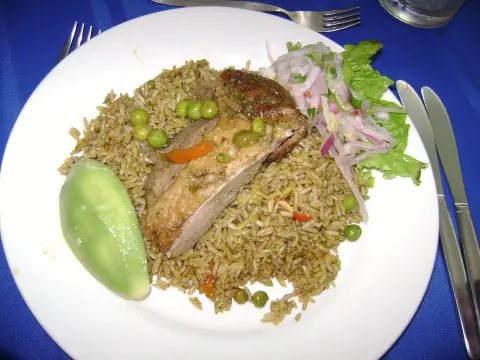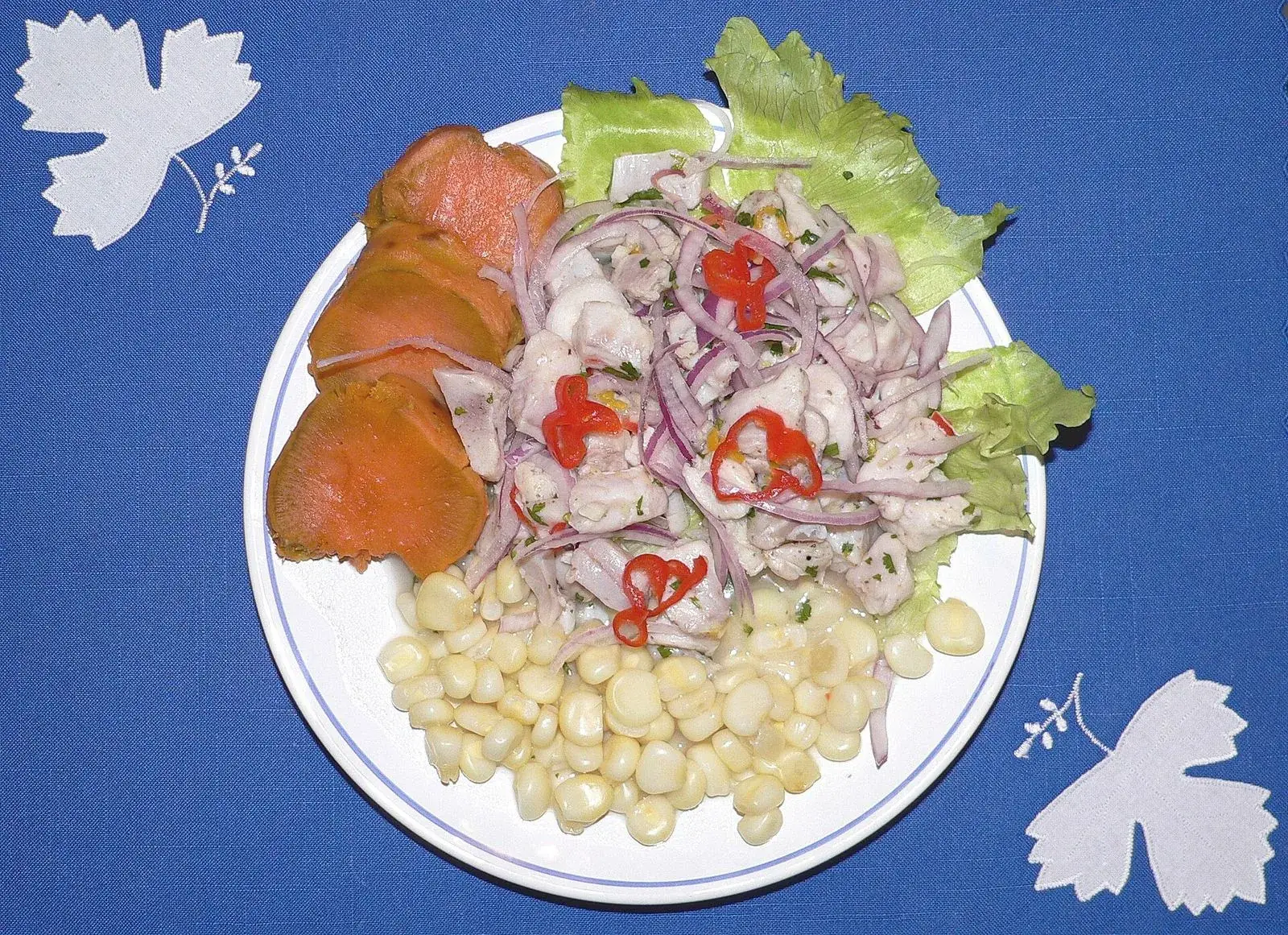
Chifa is Peru's Chinese-Peruvian cooking, born from Chinese immigrants who adapted their techniques to local ingredients. Typical dishes are arroz chaufa (fried rice), tallarín saltado (stir-fried noodles), wantán soup and sweet-and-sour chicken. Portions are large and made for sharing, and chifa restaurants are among the best-value meals in most Peruvian towns.
How chifa began
Chinese labourers, mostly from southern China and speaking Cantonese, began arriving in Peru in the middle of the nineteenth century to work on plantations and in other jobs. Over time, many settled and opened small restaurants and shops. Short of familiar ingredients, they cooked with what was available, mixing wok techniques with Peruvian produce such as ají, sweet potato and local fish.
The word chifa is often explained as coming from Cantonese words for eating rice, though the etymology is not entirely settled. Today it is a normal part of Peruvian eating: families go to a chifa for celebrations, and the cuisine has influenced home cooking and restaurants well beyond the Chinese community. Lima has an area of historic chifa restaurants near its centre, and almost every city has its own.
Dishes to order
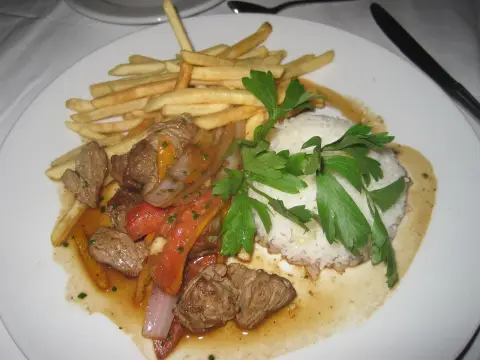
Arroz chaufa is Peruvian fried rice, with egg, spring onion, soy sauce and a choice of chicken, pork, beef, seafood or a mix. Tallarín saltado is the noodle equivalent. Lomo saltado, the stir-fried beef with chips, is chifa in spirit and has its own entry.
Wantán frito are crispy fried dumplings served with a sweet-and-sour sauce, and sopa wantán is a clear soup with dumplings and noodles. Aeropuerto combines fried rice and noodles in one dish. Pollo a la naranja, chicken in an orange sauce, and chicharrón de pollo, crispy chicken pieces, are other common choices. Kam lu wantán, a Peruvian-Chinese mix of fried dumplings with pieces of meat and a sweet sauce, is a classic.
Portions are generous and usually shared: order two or three dishes for two people and add rice. Many dishes contain soy (wheat), egg and shellfish, so allergy sufferers should ask.
Tours and activities
Bookable online, chosen for their traveller reviews.
-
★ Top rated From €52 per person
-
★ Top rated From €23 per person
-
Day trip From €38 per person
-
★ Top rated From €85 per person
Where and when to eat chifa
Chifa restaurants range from simple local places with plastic tables to large banquet halls. Lunch and dinner are both busy, and weekend family meals are a tradition. For travellers, chifa is useful when you want a familiar, filling meal that is easy to share, when you are tired of heavy highland food, or when you are travelling on a modest budget.
Vegetarians will find a few options, such as arroz chaufa with vegetables or egg, but stock and sauces may contain meat or shellfish, so ask carefully. Chifa also tends to be open later than traditional lunchtime restaurants, which helps if you arrive in a new town in the evening.
Chifa in Lima
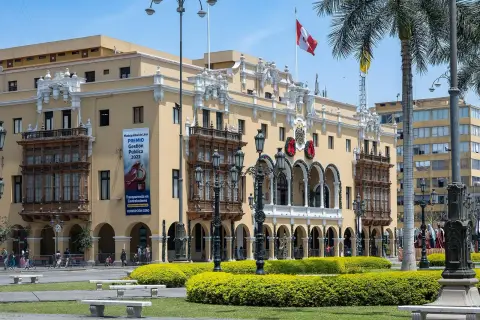
Lima has the greatest concentration of chifa, from family-run places in residential districts to larger restaurants near the historic centre, where older Chinese-Peruvian businesses cluster. The area has its own character, with signs in Chinese and Spanish, bakeries, grocery shops and restaurants that have operated for decades.
Many Limeños regard chifa as everyday food rather than a special occasion. Delivery and takeaway are common, and a plate of arroz chaufa is a standard lunch. Higher-end restaurants offer more refined versions, with attention to technique and presentation, while neighbourhood places focus on volume and flavour.
For visitors, a chifa meal is an inexpensive way to eat a large, satisfying meal and to see a different side of the city. Order for the table, share the dishes and add a pot of tea. For wider context on the city, see Lima for the districts.
Chifa across the country
Chifa is not limited to the capital. In almost every Peruvian town, a chifa restaurant is one of the dependable options for a quick evening meal, and in many places it is among the only places open late. In the north, for instance, Piura and other cities have a strong tradition of chifa restaurants, and northern Peruvian cooking often mixes with Chinese-Peruvian influences.
In the Andes, chifa restaurants offer a respite from soups and starch, with vegetables and quicker cooking. In the Amazon, they use local ingredients such as plantain and river fish. Standards vary, so the usual approach applies: choose a busy place with a steady local crowd.
Because the menu is similar across the country, chifa is a useful fallback when you are tired, hungry and unsure where to eat. Prices are generally lower than in tourist-oriented restaurants, and the sharing format suits groups.
How to order and share
The easiest way to order is to choose one rice or noodle dish per two people, then add one or two shared plates, such as chicken in sauce or fried dumplings. A soup to start is common, and many menus offer a set for two or four people that includes a range of dishes at a fixed price. Ask what the portions look like if you are unsure, because they are often larger than expected.
Tea is usually served at the table, and rice comes with most dishes. Condiments such as soy sauce and a chilli paste or sauce sit on the table, so you can adjust the seasoning. Sweet-and-sour sauces are often very sweet by Western standards.
If you have dietary restrictions, say so early. Soy sauce contains wheat, and shellfish and egg appear in many dishes. For vegetarian options, see vegetarian.
Chifa and Peruvian identity
Chifa shows how migration shapes a cuisine. Chinese cooks adapted to what they found, Peruvians adopted the techniques, and the result belongs to both. Ingredients such as ginger, soy sauce, spring onion and wok methods are now part of general Peruvian cooking, and dishes such as lomo saltado would not exist without them.
The same pattern appears with other communities. The Japanese arrived later, and Nikkei cooking, with its raw fish and precise cuts, has influenced the modern restaurant scene. Together they illustrate why Peruvian cuisine is described as a mix rather than a single tradition. See food for the other influences.
If you want to understand this side of the culture, a chifa meal is a good starting point. Ask the staff about the dishes, listen to how the family-run places talk about their food, and enjoy the sociable, shared style of eating.
Frequently asked questions
Is chifa real Chinese food?
It is its own cuisine, rooted in Cantonese cooking and shaped by Peruvian ingredients and tastes. It does not match what you would eat in China.
What is a good first dish?
Arroz chaufa with chicken is the standard starting point, and easy to share.
Is chifa cheap?
It is often good value because portions are big and designed for sharing, though prices vary by restaurant.
What does aeropuerto mean on a chifa menu?
It is a dish that combines fried rice and fried noodles, usually with chicken, vegetables and sometimes more than one meat. The name is a local joke, since it is a mix of everything on one plate.
Is chifa suitable for vegetarians?
Partly. Vegetable or egg fried rice is common, but stocks and sauces may contain meat or shellfish. Ask carefully, and see vegetarian for useful phrases.
Is chifa safe to eat as a visitor?
Because most dishes are cooked at high heat and served hot, chifa is generally a safe option. Choose a busy restaurant with a steady local crowd, as anywhere.
Where is the best chifa in Peru?
Lima has the widest choice, but almost every town has a reliable chifa. The best advice is to ask locals which one they use for family meals.