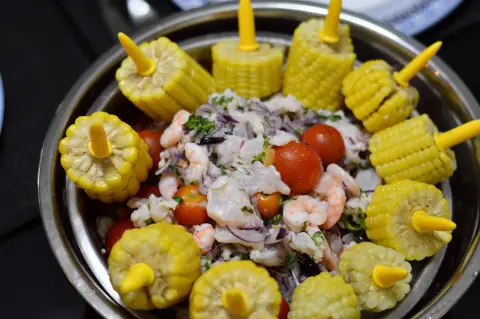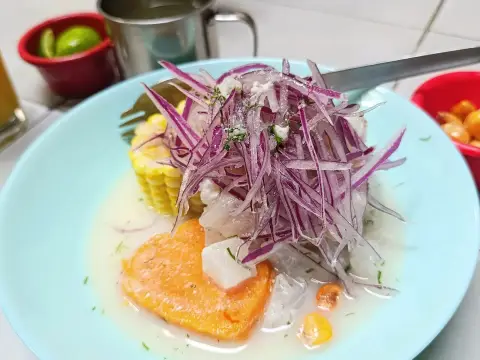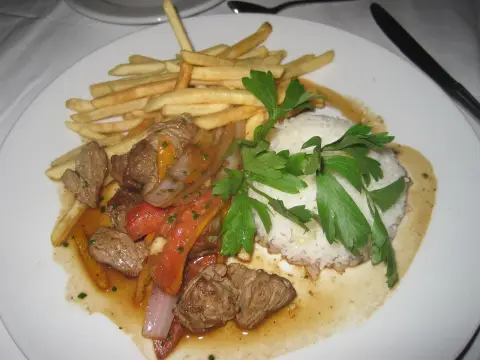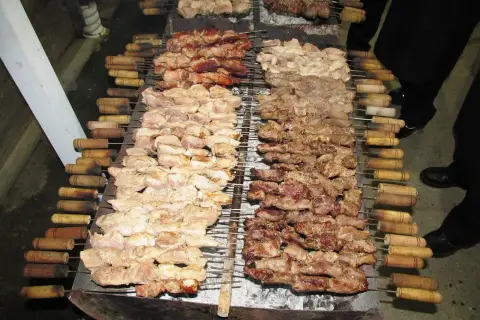
In Lima, start with ceviche or tiradito at lunch, then try causa, lomo saltado and anticuchos over the following days. Finish with picarones or suspiro a la limeña and wash it down with chicha morada. The city draws on every region of Peru, so you can taste highland, coastal and Amazon dishes in one trip, but the fresh fish of the Pacific is the speciality.
Seafood first
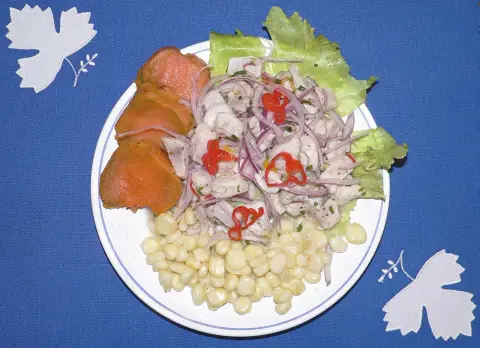
Lima sits on the Pacific, and its seafood is the reason many visitors come. Ceviche is the headline: raw fish cut into pieces, briefly marinated in lime juice with chilli and red onion, and served with sweet potato and toasted or boiled corn. Because the fish is only lightly cured, it is traditionally a lunchtime dish, and many cevicherías close in the late afternoon.
Tiradito is a close relative: the fish is sliced thinly like sashimi and dressed with a chilli sauce, without the onion and corn. It shows the Japanese influence on Lima cooking, which has its own label, Nikkei. Other coastal dishes worth looking for are jalea, a mixed platter of fried seafood, and arroz con mariscos, a rice dish with shellfish.
Fish soups are also part of the coastal repertoire. Chilcano de pescado, a clear broth made from fish heads and bones, is a traditional restorative, and parihuela is a richer seafood soup in a spiced tomato base. Both are most often found in dedicated seafood restaurants rather than in set-lunch places.
Classics from the kitchen
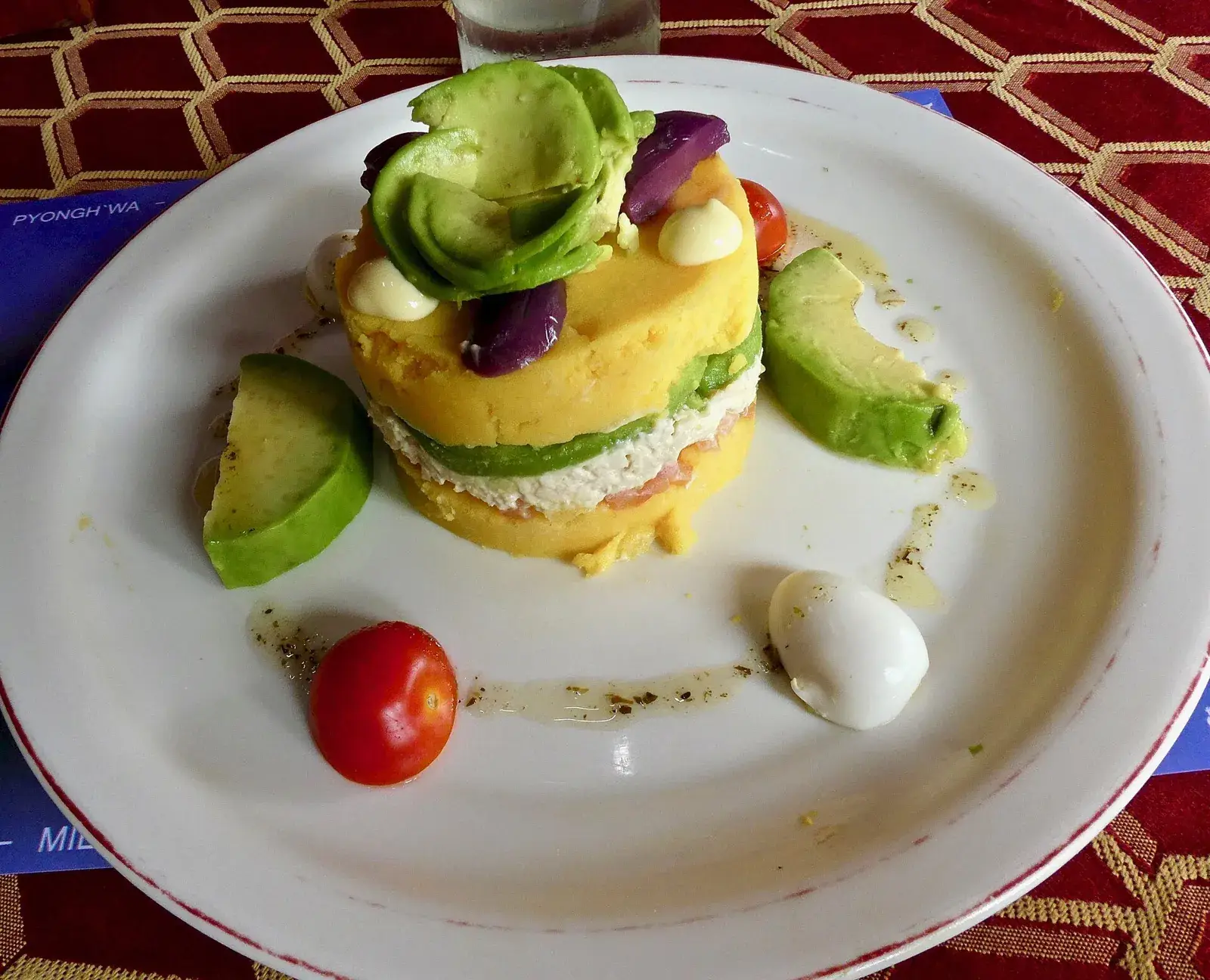
Causa is a cold layered dish of yellow potato mashed with lime and ají amarillo, filled with chicken, tuna or crab and often topped with avocado. Papa a la huancaína is boiled potato under a creamy yellow sauce of fresh cheese and chilli, and it is also one of the easier starters for vegetarians.
For a main course, lomo saltado, strips of beef stir-fried with onion and tomato and served with rice and fried potatoes, is the dish that shows the Chinese influence on the city. Ají de gallina, shredded chicken in a creamy chilli sauce, is the comforting alternative. Both deserve a closer look.
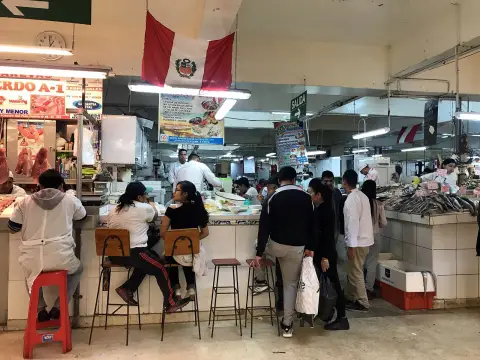
Some of the best everyday food is the set lunch, the menú, served in small local restaurants across the city: a soup, a main and a drink, and a good way to eat well on a modest budget. Menus change daily and are usually written on a board by the door, so reading it before you sit down is the easiest way to see what the kitchen is proud of that day.
Tours and activities
Bookable online, chosen for their traveller reviews.
-
★ Top rated From €52 per person
-
★ Top rated From €23 per person
-
Day trip From €38 per person
-
★ Top rated From €85 per person
Chifa and Nikkei: the immigrant kitchens
Lima's food cannot be understood without the Chinese and Japanese communities. Chifa, the Chinese-Peruvian cooking that grew from nineteenth-century immigration, is part of ordinary life: arroz chaufa, tallarín saltado and wantán dishes are served in neighbourhood restaurants all over the city, with portions made for sharing. The historic centre has a concentration of older chifa restaurants.
Nikkei cooking, the fusion of Japanese technique and Peruvian ingredients, is more recent as a restaurant trend but has long roots in the Japanese-Peruvian community. It shows up in tiradito, in sushi rolls filled with local fish and chilli, and in tasting menus at the upper end of the market.
For a visitor, the practical point is that eating in Lima does not have to mean eating the same dish three times. A chifa dinner, a Nikkei lunch and a market breakfast can be three genuinely different meals in a single day.
Street food, desserts and drinks
In the evening, anticuchos, grilled skewers of marinated beef heart, appear at street stands and in family restaurants, served with potato and corn. Sweets include picarones, ring-shaped fritters made from squash and sweet potato and served with a syrup, and suspiro a la limeña, a milk caramel topped with meringue.
To drink, chicha morada is a sweet, non-alcoholic drink made from purple corn, spiced with cinnamon and clove. The bright yellow Inca Kola is a national favourite. Pisco sour is the classic cocktail, and Lima's bars range from simple to elaborate; see the pisco for the drink and its background.
Breakfast has its own street culture. Fresh juice, pan con chicharrón, a roll filled with fried pork and sweet potato, and tamales sold from carts are common in the morning, and they are among the cheapest and most local meals in the city.
Neighbourhoods for eating
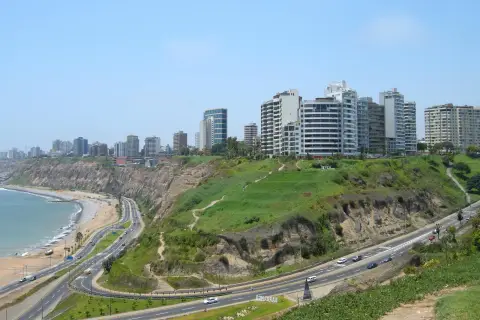
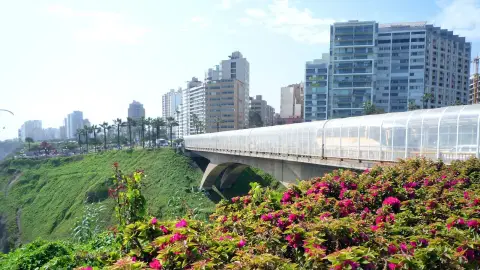
Neighbourhoods matter. Miraflores and Barranco have the most visitor-oriented restaurants and bars, with a mix of well-known names, cevicherías and cafés close to the coast. They are the easiest places to eat on a first visit and the best places for creative cooking, but prices are higher than elsewhere in the city.
The historic centre and districts further out are where you find the more traditional, local places: chifa restaurants, picanterías, and small family kitchens that depend on lunchtime trade from nearby offices and markets. Surquillo and other market districts are well known for fresh produce and cheap cooked meals.
If you want help navigating all this, Lima food tours compare market visits, cooking classes and walking tastings. For how the districts of the wider city fit together, see Lima.
Ordering and timing
Lima eats at set hours. The main meal is lunch, typically starting around midday and reaching a peak in the early afternoon, and many traditional restaurants close or reduce their menu in the late afternoon. Dinner is later and lighter, and street food appears after dark.
Ordering is straightforward. Most restaurants give a printed menu, and set-lunch places announce the options by voice or on a board. Servers will usually suggest a starter and a main to share, and sauces such as ají are served on the side. Asking for "poco picante" is understood everywhere.
Reservations are wise for well-known restaurants, especially at weekends, while everyday places rarely take them. Allow a long lunch if you are eating somewhere popular, because the queue and the kitchen set the pace rather than the clock.
Mistakes to avoid
The most common mistake is eating ceviche in the evening from a place that is not a dedicated cevichería. Fish is at its best at lunch, and a late-night ceviche from a kitchen focused on other dishes is a gamble. Another is filling up on a large breakfast before a tasting tour, which leaves no room for the real thing.
Many visitors also order only the famous dishes and miss the humbler ones: a bowl of soup, a plate of fried fish with rice, a set lunch with a dessert. These are often the meals that locals remember.
Finally, be careful with timing around travel. If you are flying on to Cusco soon after a heavy meal and a couple of pisco sours, remember that altitude amplifies both. Keep the largest meals for your last night in Lima, not the one before an early flight.
Frequently asked questions
Is it safe to eat ceviche in Lima?
Ceviche is made with raw fish, so choose a busy place with a quick turnover and eat it at lunchtime when the fish is freshest. If you are pregnant or have a weakened immune system, ask a doctor before eating raw fish.
What should I eat on my first day in Lima?
Something light and local: causa or ceviche at lunch is a good start, and a menú lunch is an easy introduction. Save the pisco sours for the evening.
Are there good options for vegetarians in Lima?
More than elsewhere in Peru. The capital has vegetarian restaurants, and many standard restaurants offer salads, quinoa dishes and papa a la huancaína. See the vegetarian for details.
What is the difference between ceviche and tiradito?
Ceviche is cut into cubes and mixed with lime, onion and chilli, while tiradito is sliced thinly like sashimi and covered in a chilli sauce. Tiradito usually comes without onion, sweet potato or corn.
Where can I try a pisco sour in Lima?
Most restaurants and bars in Miraflores and Barranco serve one, and many hotels run tasting sessions. Ask for it made with fresh lime, and keep it for the evening.
How much should I budget for a meal in Lima?
A set lunch in a local restaurant costs far less than a dinner in a well-known restaurant in Miraflores, and the gap between the two is large. Read the posted menu prices, and see daily costs for planning.
Do restaurants in Lima close in the afternoon?
Many traditional ones do, particularly cevicherías that serve fresh fish at lunch. Larger restaurants in Miraflores and Barranco often stay open all day.