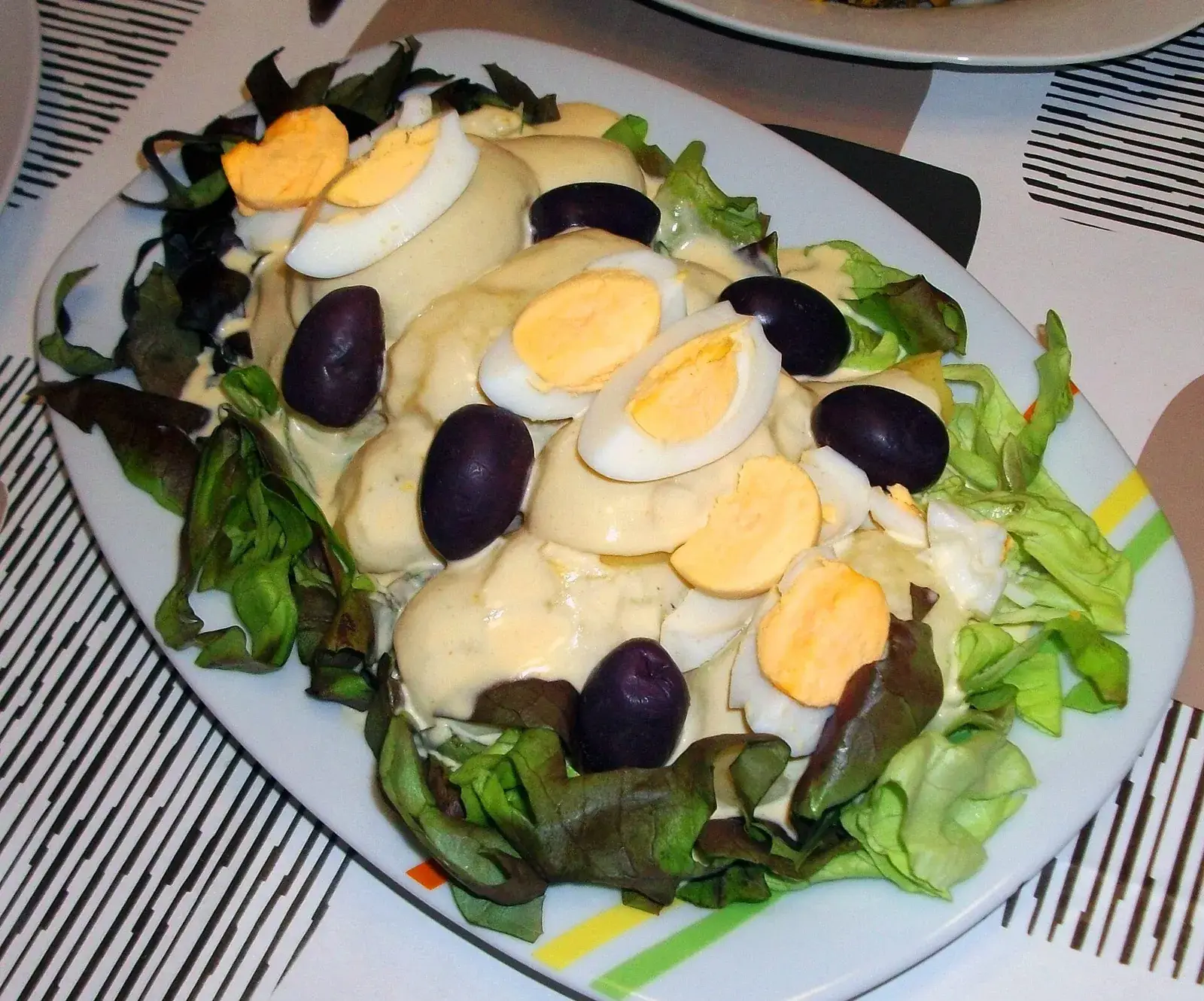
Vegetarian travel in Peru is workable but needs some planning. It is easy in Lima, Cusco, Arequipa and the main visitor towns, where dedicated vegetarian restaurants exist. It is harder in small towns, on trails and in the Amazon, where meat or fish is the default. Soups and sauces often use meat stock, so say "sin carne ni pescado" (without meat or fish) and ask about stock. Vegans will have a harder time.
Where it is easy
In Lima, Cusco, Arequipa and the Sacred Valley, vegetarian and vegan restaurants are well established, along with cafés and places that cater to visitors. Many ordinary restaurants also list vegetarian options, and Andean ingredients lend themselves to meat-free eating: quinoa, many kinds of potato and maize, beans, avocado and fresh cheese.
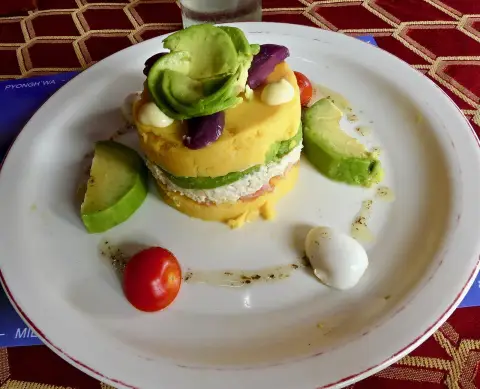
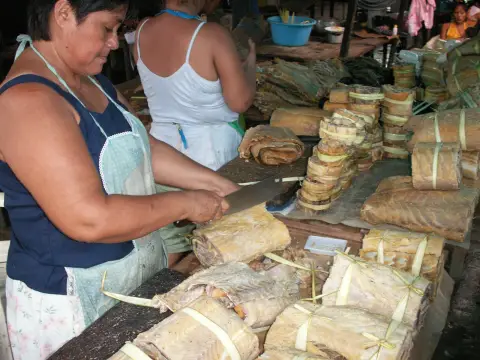
Dishes that are often vegetarian or easily made so include papa a la huancaína, potatoes in a cheese and chilli sauce; solterito, a cold salad of broad beans, corn, cheese and onion; ocopa, potatoes in a peanut and herb sauce; and humitas and tamales with cheese or corn. Fresh fruit juices, avocado sandwiches and bread with cheese are available almost everywhere. Chifa restaurants can serve vegetable or egg fried rice.
Some organised trekking operators and lodges can cater for vegetarians with advance notice, and you should always tell them when booking.
Where it is harder
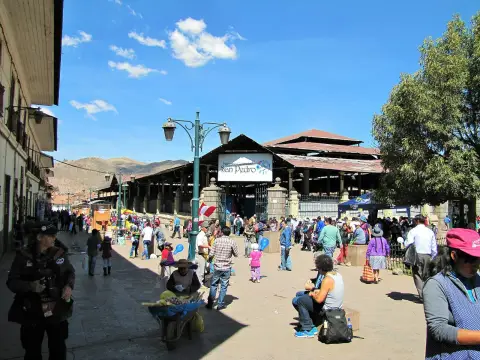
Outside the visitor circuit, the idea of a meatless meal can be unfamiliar. In small towns and markets, the standard set lunch comes with a soup that is usually made with meat or bones, and a main of meat, fish or chicken. Rice, potatoes and salad may be all that is left, which makes for a dull plate. Eggs are the most common fallback.
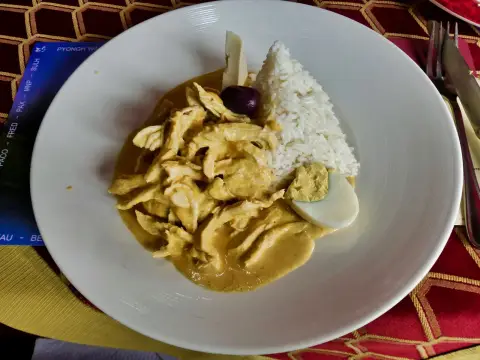
Hidden ingredients matter. Soups, stews, beans and rice may be cooked with meat stock, lard or ham, and some sauces contain fish or shrimp. Chicken counts as meat for most people, but some cooks are less strict about it. Be specific: "no como carne, ni pollo, ni pescado" (I eat no meat, chicken or fish) is clearer than "soy vegetariano", and be ready to repeat it.
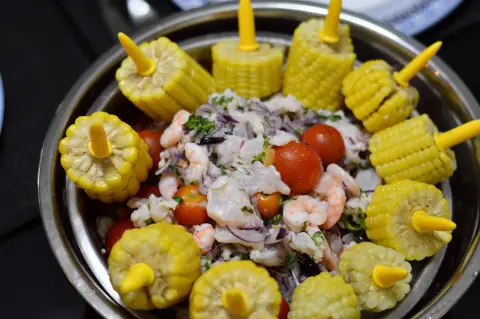
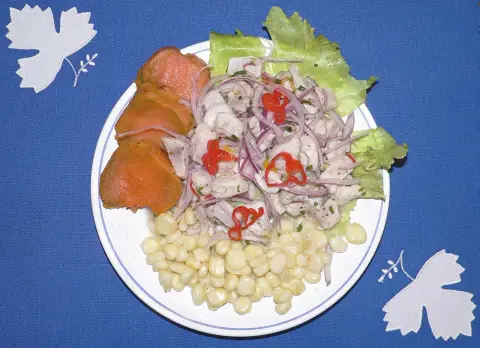
Ceviche, anticuchos and cuy are central to the cuisine, so a vegetarian will skip some of the headline dishes. The Amazon, with its fish-based diet, is the most difficult region, though fruit, plantain, cassava and rice are available.
Tours and activities
Bookable online, chosen for their traveller reviews.
-
★ Top rated From €52 per person
-
★ Top rated From €23 per person
-
Day trip From €38 per person
-
★ Top rated From €85 per person
Practical tips
Use the lunchtime menú as a starting point: ask whether the soup can be made without meat, or whether a salad or egg dish can replace the main. Markets offer fruit, bread, cheese, nuts and fresh juices that are easy to eat without a restaurant. Supermarkets in cities sell cereal bars, nuts and dried fruit, which is useful on travel days.
For trekking and tours, notify the operator before you travel, and take a few snacks, since the options on the trail are limited. Keep a note in Spanish on your phone of what you do and do not eat.
Useful phrases
A few Spanish phrases do most of the work. "No como carne, ni pollo, ni pescado" explains that you avoid all three. "¿Tiene algo sin carne?" asks whether there is something without meat. "¿El caldo es de carne?" checks the stock, and "sin carne, por favor" asks for the dish without it. For eggs and dairy, "Soy vegano, no como huevos ni lácteos" is the clearest.
Say them slowly and show a written version if you can. In tourist areas, many staff speak some English, but in local restaurants a short, clear sentence helps. A friendly tone matters more than perfect grammar, and cooks are usually keen to help once they understand.
For more general vocabulary, see Spanish phrases; it is worth saving the key sentences on your phone for use when the signal is poor. Check your wording with a Spanish speaker if you have serious allergies, because the consequences of a misunderstanding are bigger.
Regional notes: Lima, Cusco, Arequipa and the Amazon
Lima has the widest choice, with vegetarian restaurants, vegan cafés and fine-dining venues that include meat-free tasting menus. Many Nikkei and modern Peruvian restaurants can adapt dishes if asked in advance.
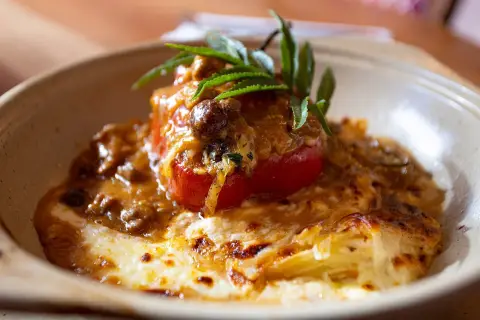
Cusco and the Sacred Valley cater well for visitors, and many cafés serve quinoa dishes, soups, salads and Andean grains. Check soups for stock. Arequipa offers ocopa, soltero de queso and potato dishes, while the signature rocoto relleno is made with meat.
In the northern and southern highlands, choices narrow, and you may rely on eggs, rice, potatoes and cheese. In the Amazon, tell your lodge in advance. Plantain, cassava, rice, beans and fruit are available, but fish is the default protein and variety is limited. Planning ahead makes a big difference in all these regions.
Staying healthy and well fed
Vegetarians who rely on rice, potatoes and bread for several days may miss protein and vegetables. Look for eggs, beans, lentils, quinoa, nuts and cheese, and eat fruit and salad where it is safe to do so. For how to choose raw foods, see water and food safety; a doctor or travel clinic can advise on supplements for a longer trip.
Carry snacks for long bus journeys and early starts, since restaurants may be scarce. Nuts, dried fruit, cereal bars and bread are easy to pack. For trekking, arrange meals with your operator in advance, and confirm what the camp kitchen can provide.
If you eat out in groups, chifa restaurants are often a practical place to find a vegetable dish that everyone can share, as long as you check the stock and sauces. The wider food helps you plan which regional dishes suit your diet.
Frequently asked questions
Is Peru good for vegetarians?
It is manageable, and good in the main visitor cities, but not as easy as in countries with a strong vegetarian tradition. Expect to explain your needs often.
How do I say I am vegetarian in Spanish?
Say "No como carne, ni pollo, ni pescado" and ask about the stock: "¿El caldo es de carne?". Simply saying "soy vegetariano" may still leave you with chicken or fish.
Can I eat vegan in Peru?
In Lima, Cusco and Arequipa, yes, with some effort. Elsewhere it is difficult.
What vegetarian dishes are typical of Peru?
Papa a la huancaína, solterito, ocopa, humitas and quinoa dishes are the most common. Check each for hidden stock or fish before ordering.
Can I eat vegetarian on the Inca Trail or other treks?
Most operators can provide vegetarian meals if you tell them when you book. Confirm the details before departure and bring snacks for variety.
Is cheese and egg easy to find?
Yes. Fresh cheese, eggs and bread are available almost everywhere, which makes them the standard fallback. In the Andes, cheese is often served with corn or potatoes.
Are there vegetarian options in a set lunch?
Sometimes. Ask whether the soup is meat-free and whether the main can be replaced by an egg dish, a salad or rice with vegetables. Many small restaurants will adapt if you ask politely.