In Cusco, eat what the altitude calls for: a hot soup, such as quinoa or chuño soup, trout, native potatoes, and corn with fresh cheese. Alpaca and cuy are the meats most tied to the region, and chicha de jora is the traditional maize drink. Eat lightly on your first day, since heavy meals and alcohol feel worse at about 3,400 m.
Soups and staples of the highlands
Cold days and thin air make soup the centre of the Andean meal. Quinoa soup is the one most visitors meet first, made with the grain, vegetables and often a little meat. Chairo, a hearty soup from the region, is made with dried potato (chuño), meat, and vegetables, and is worth trying when the weather turns cold.
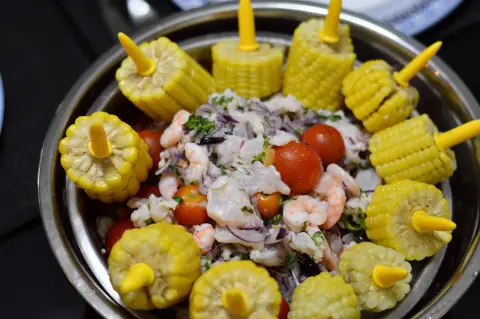
Potatoes are not just a side. The Andes grow hundreds of varieties, in different colours and textures, and you will often see several on one plate. The same goes for maize: Cusco and the Sacred Valley are known for large-kernelled white corn, served boiled on the cob with a slice of fresh cheese, a combination that works as a snack or a side. Look for fresh cheese too, as part of a simple breakfast or in a classic soup.
Chuño, the freeze-dried potato, is the clearest sign of how highland cooks adapted to the climate. Potatoes are left to freeze at night and dry in the sun, which preserves them for months, and the result has a strong earthy taste that appears in stews and soups.
Meats and mains
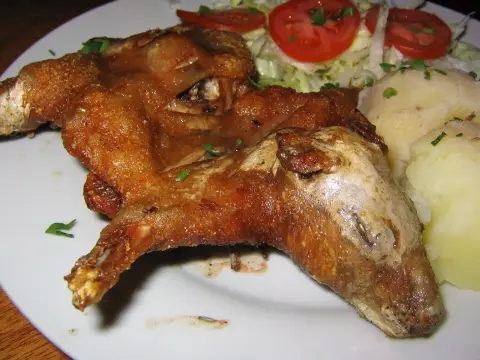
Trout, farmed in the cold lakes and rivers of the region, is common and simple: fried or grilled with rice and salad. Alpaca meat is lean and often served as a steak or in a stew, and it is increasingly common in restaurants aimed at visitors. Cuy, or guinea pig, is the most famous regional dish and is eaten at celebrations; it has its own.
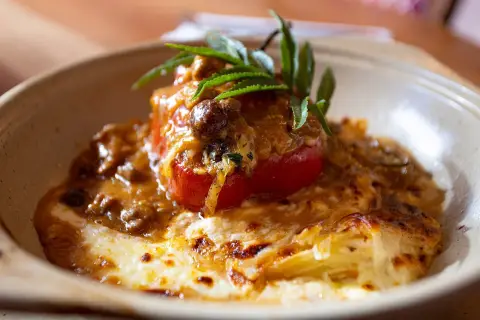
Rocoto relleno, a stuffed hot pepper, is better known as an Arequipa dish but appears on menus across the south. Lomo saltado and ají de gallina are also on almost every menu, so a visitor who wants something familiar will never be short of choices.
Chiri uchu is a festive dish with a mix of cold meats and cheese, and it is associated with the celebrations around Corpus Christi, so you are most likely to find it around that time of year. Outside the festival, restaurants may serve a version on request or as a special.
Pork, lamb and beef are also eaten in the highlands, usually roasted or stewed. Weekend lunches in the countryside often feature a pachamanca, food cooked underground with hot stones, which is usually organised for groups and booked ahead.
Tours and activities
Bookable online, chosen for their traveller reviews.
-
★ Top rated From €52 per person
-
★ Top rated From €23 per person
-
Day trip From €38 per person
-
★ Top rated From €85 per person
Markets, drinks and sweets
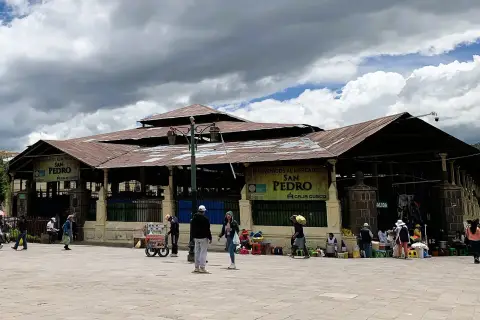
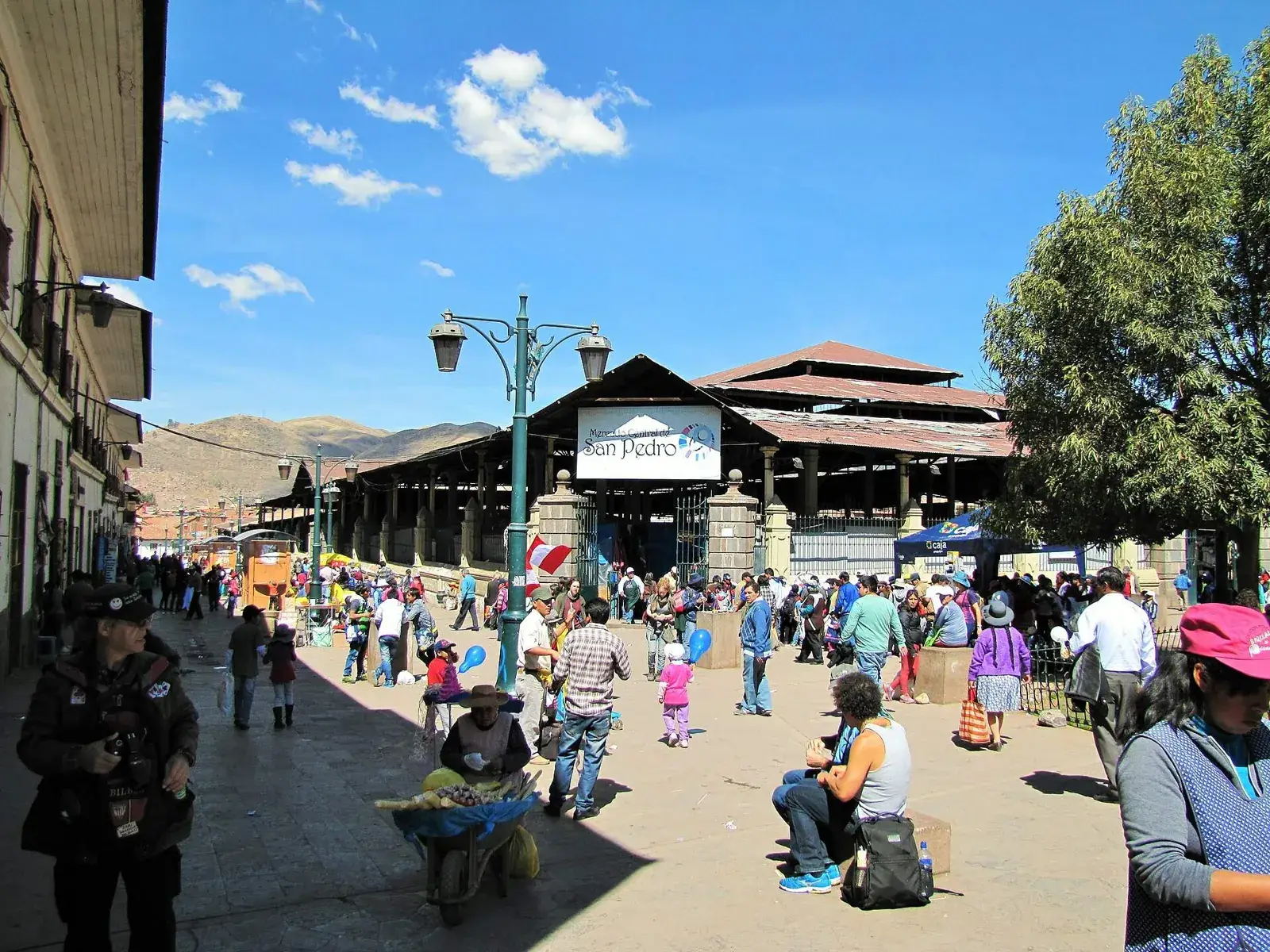
The central market of San Pedro is the best place to see Andean produce: dozens of potato varieties, cheeses, fruit stands and counters serving cheap lunches and fresh juice. Look at the stalls with the longest queues of locals, and use the usual food-safety common sense for salads and raw items.
Chicha de jora is a mildly alcoholic drink made from fermented maize, traditionally served in small local bars, which often mark the entrance with a flag or a pole. Hot chocolate and Andean pastries are widely sold, and breakfast often comes with fresh bread and cheese.
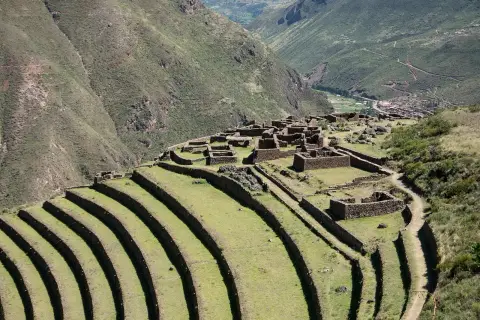
The Sacred Valley adds its own produce. Fruit and vegetables grown on the lower valley floor reach Cusco's markets, and corn from the valley is celebrated in local festivals. Hot drinks made from muña, an Andean mint-like herb, or from anise and chamomile are served as digestifs after a heavy meal.
Eating in the Sacred Valley
The Sacred Valley has a growing number of restaurants that use produce from the surrounding farms, from simple lunch places on the road between villages to hotel dining rooms. Corn, trout, quinoa and native potatoes appear on many menus, and dishes tend to be lighter than those in the city because the valley floor is lower and warmer.
Lunch is a natural stop on a day tour, and organised tours often include a buffet in a valley restaurant. Buffets are convenient, but if you have time, a smaller restaurant in a village such as Ollantaytambo or Urubamba offers a better sense of local cooking.
Dietary requests are easier to manage in the valley than in remote areas, because many restaurants cater to international visitors. Ask for the soup of the day, which often reflects what is in season.
Breakfast, street snacks and the afternoon
Cusco's day starts with fresh bread, often with cheese, jam or avocado, and with fruit juices and coffee or herbal tea. Egg dishes are widely available, and many hotels serve a buffet. Tamales and humitas, steamed maize parcels, are a traditional morning snack.
In the afternoon, tea and coffee houses serve hot chocolate and cakes, and small stalls sell choclo con queso, corn with cheese, from carts. Street food is cheap and convenient, though the usual rules apply: stick to busy stalls with food cooked in front of you.
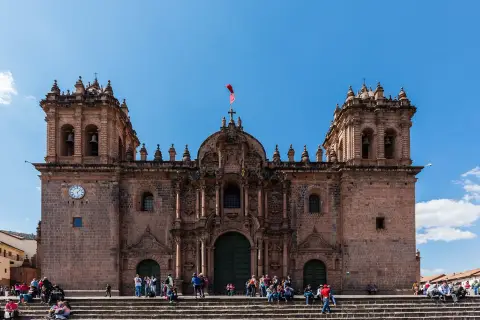
Dinner begins early compared with southern Europe, and many restaurants serve until late evening. The old centre around the main square has the greatest choice, though prices there tend to be higher. A few streets uphill or away from the square, local restaurants with a set menu are usually cheaper and more traditional.
A first-days eating plan
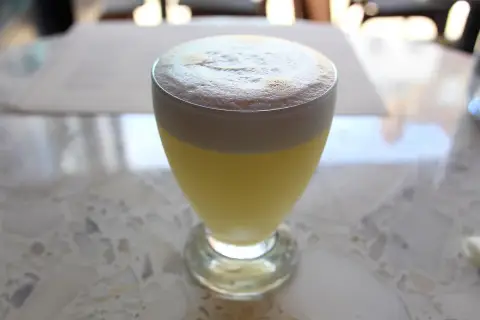
The best plan for new arrivals is to start gently and build up. On the first day, eat soup, rice, boiled potatoes and grilled trout, and drink water and coca tea. Leave the pisco sours and heavy fried dishes until you have slept well at altitude, usually after two or three nights. See altitude sickness for symptoms and when to see a doctor.
When you feel settled, try alpaca, a corn-and-cheese snack at San Pedro market, and a late-afternoon chicha in a traditional bar. If you are curious about cuy, arrange it in advance. The cooking takes time, and most restaurants ask you to order ahead.
For food-conscious visitors, the two topics that most often need advance planning are vegetarian food and pisco. See Cusco for the city in context.
Frequently asked questions
Should I eat cuy in Cusco?
Only if you are curious. It is a traditional dish, takes time to cook and is usually ordered in advance, and it is a celebratory meal rather than an everyday one. See the cuy guide.
Is the food in Cusco heavy?
It can be, with fried dishes and large portions of starch, but lighter soups and grilled trout are easy to find. A set lunch is usually the best balance.
Can I eat vegetarian in Cusco?
Yes. The city has many vegetarian-friendly restaurants because of its visitor numbers, and quinoa, potatoes, corn and cheese are staples. Soups, however, are often made with meat stock, so ask.
Is alpaca meat good to eat?
It is lean, tender when well cooked and milder than many expect, often compared to lean beef. It is served as steak, in stews or in burgers, and it is easy to find in restaurants aimed at visitors.
Can I drink alcohol on my first day in Cusco?
It is better not to. Alcohol feels stronger at altitude and can worsen headaches and sleep problems. Wait until you have acclimatised for two or three days, and drink water alongside.
Where can I eat cheaply in Cusco?
Local set-lunch restaurants away from the main square and the counters of the central market are the usual answer. Check the menu on the board and compare it with prices elsewhere before you sit down.
What is chicha de jora?
A mildly alcoholic drink made from fermented maize, traditionally served in small local bars, often marked by a flag or pole at the door. It is cloudy and slightly sour, and it is an acquired taste for many visitors.