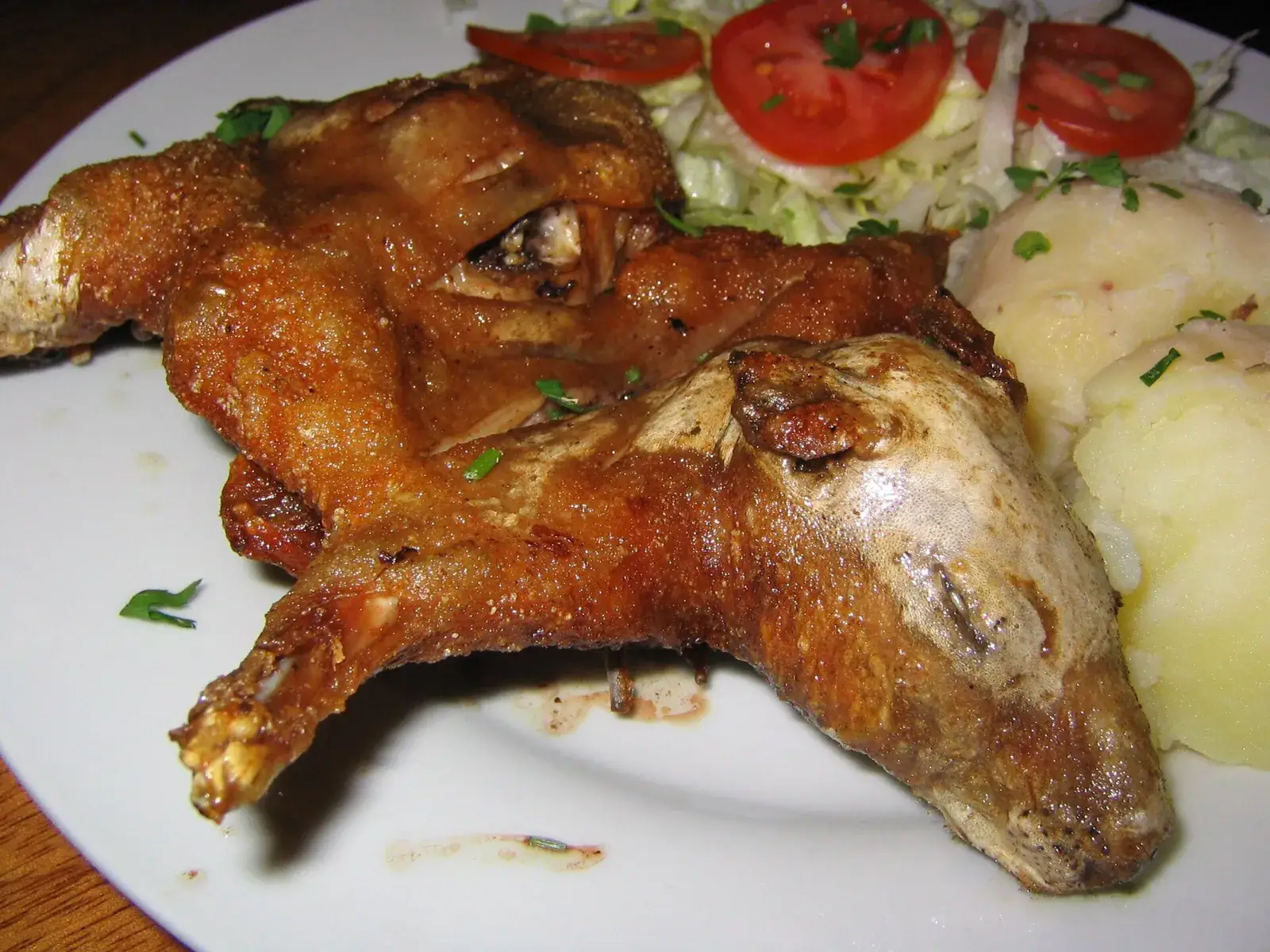
Cuy is guinea pig, raised in Andean homes for generations and eaten mainly at celebrations and special meals. It is usually served whole, roasted (al horno) or flattened and fried (chactado), with potatoes and salad. There is little meat on it, the skin is often the part many people enjoy, and it takes time to prepare, so it is commonly ordered ahead. Try it if you are curious; skip it if you are not.
Why guinea pig
In the Andes, cuy is not a novelty or a pet food. Guinea pigs were domesticated in the region long before the Spanish arrived, and families have traditionally kept them in the kitchen or a corner of the house, feeding them on plant scraps. They are an efficient source of protein in places where cattle are costly. They also have a ritual role in some Andean communities, where they appear in ceremonies and healing practices.
Eating cuy today is mostly reserved for celebrations, family gatherings and festivals, and for restaurants that cater to visitors. In the highlands around Cusco, Arequipa and Cajamarca, you will see it on menus and in roadside restaurants. The meat is dark and rich, often compared by visitors to rabbit or to dark poultry, though the experience varies.
How it is cooked and served
Cuy al horno is roasted in an oven, often marinated in herbs, garlic and chilli, until the skin is crisp. It is usually served whole, sometimes with the head, and with boiled or fried potatoes and a salad. Cuy chactado, popular around Arequipa, is flattened under a stone or a weight and fried until it is crunchy. In some areas, cuy is also cooked in a stew or in an earth oven, as part of village feasts.
The animal is small, and there is not much meat, so a whole cuy is often shared between two people as a main course, or eaten as a taste. Eating it is a bit hands-on: people tear the meat from the bones with their fingers, and the crisp skin is considered a delicacy by many. The cooking takes time, which is why restaurants often ask you to order in advance, an hour or more ahead.
If you are uncomfortable with a whole animal on the plate, some restaurants serve it cut up or boned, and the dish is no more than a meal for those who like it.
Tours and activities
Bookable online, chosen for their traveller reviews.
-
★ Top rated From €52 per person
-
★ Top rated From €23 per person
-
Day trip From €38 per person
-
★ Top rated From €85 per person
Deciding whether to try it
There is no obligation. Many Peruvians themselves eat cuy only a few times a year, and the dish is not part of daily life on the coast. If you do want to try it, choose a restaurant with local custom, ask how long it takes and whether it is served whole, and share it so that you can taste without committing to a full portion.
Vegetarians and anyone uncomfortable with the idea should simply pass: there are plenty of other regional dishes, and the vegetarian options list them. If you are travelling with children, check how they feel about a whole animal on the table before you order.
Food-safety advice is the same as for any meat: it should be thoroughly cooked and served hot.
Cuy in Cusco and the Sacred Valley
In the Cusco region, cuy is the best-known festive dish, and many restaurants aimed at visitors list it as a regional speciality, often with a note that it must be ordered ahead. Some arrange demonstrations of the preparation, from marinating to roasting, as part of a tourist lunch.
Near Cusco and in the Sacred Valley, village restaurants sometimes cook cuy over wood fires, and you may see the animals kept in a traditional kitchen. The Cusco food places cuy alongside trout, alpaca, soups and corn, so you can decide whether to order it or to try another regional dish instead.
Prices are generally higher than for other mains because the dish takes preparation time, and a whole animal is more than one person usually wants. Check the price on the menu before ordering, and ask whether it is a whole or half portion.
Cuy in Arequipa and Cajamarca
Around Arequipa, cuy chactado is a speciality of the picanterías in the farmland outside the city. The flattened, fried animal is served with potatoes, and the skin is crisp and golden. It often appears alongside other regional dishes at lunch, which makes it possible to taste a small piece with the rest of the meal.
In the northern highlands, Cajamarca is another place where cuy is a regular dish, and it is often served at family celebrations and weekend lunches. Local restaurants prepare it in the same ways, though the sauces and sides reflect the region.
On the coast, cuy is rarer and usually a visitor-oriented item; the northern Peru food says where it does appear. If you want to try it, the highland towns are the places where it is cooked most regularly and with the best technique.
Ethics, culture and etiquette
For many visitors, eating an animal that is kept as a pet at home is the main obstacle. It helps to remember the cultural context: in the Andes, cuy has been a food animal for thousands of years, and raising it is a source of family income and protein. Eating it is not a mark of cruelty, and Peruvians generally do not regard it as strange.
At the table, behave as you would with any dish. If you do not like it, leave politely, without commenting loudly. If your hosts serve it at a family meal, eating a little is a gesture of respect, and declining kindly is also acceptable.
Responsible sellers handle the animals humanely and cook them thoroughly. If you are curious about how it is raised, ask the restaurant. A good one will be happy to explain, and the answer tells you something about the place.
Practical tips for ordering
Ask about the time needed, and plan your meal around it. A restaurant that says forty minutes to an hour is being realistic; one that promises it in ten may have it ready-cooked. Order drinks and a starter while you wait, and keep other dishes simple, such as a soup or salad.
Eat it while it is hot and crisp. Use your hands where locals do, ask for a finger bowl or napkins if needed, and share the dish if you are unsure. Pair it with potatoes, corn and a spicy sauce, and a cold drink.
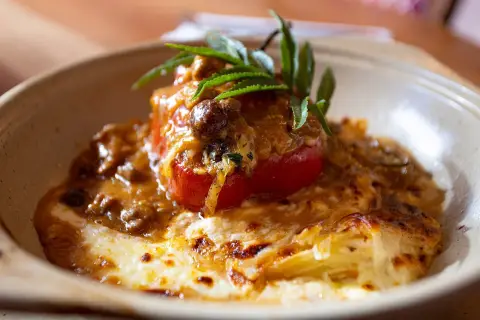
For a sense of the wider menu, return to the food, and for a heartier regional dish with a fierce reputation, see rocoto relleno.
Frequently asked questions
What does cuy taste like?
Visitors often describe it as similar to rabbit or dark poultry, rich and a little gamey, with crisp skin. Opinions vary.
Do I need to order cuy in advance?
Often, yes. It takes a good while to roast or fry, so many restaurants ask you to order and come back, or to book earlier in the day.
Is cuy only for tourists?
No. It is a traditional dish for celebrations in Andean communities, though everyday eating habits have changed.
How much does cuy cost?
More than most mains, because the dish takes preparation time. Check the menu price, and ask whether it is a whole or half portion before ordering.
Is it safe to eat cuy?
Yes, if it is thoroughly cooked and served hot. Choose a restaurant with a steady local trade and avoid any that serve it lukewarm.
Is cuy served with the head?
Often, especially in traditional preparations, though some restaurants cut up or bone the animal on request. Ask when you order if this matters to you.
Can I see how cuy is raised?
Some community tourism visits near Cusco and in the Sacred Valley include a home kitchen where the animals are kept. Ask the operator in advance, and respect the family's privacy.