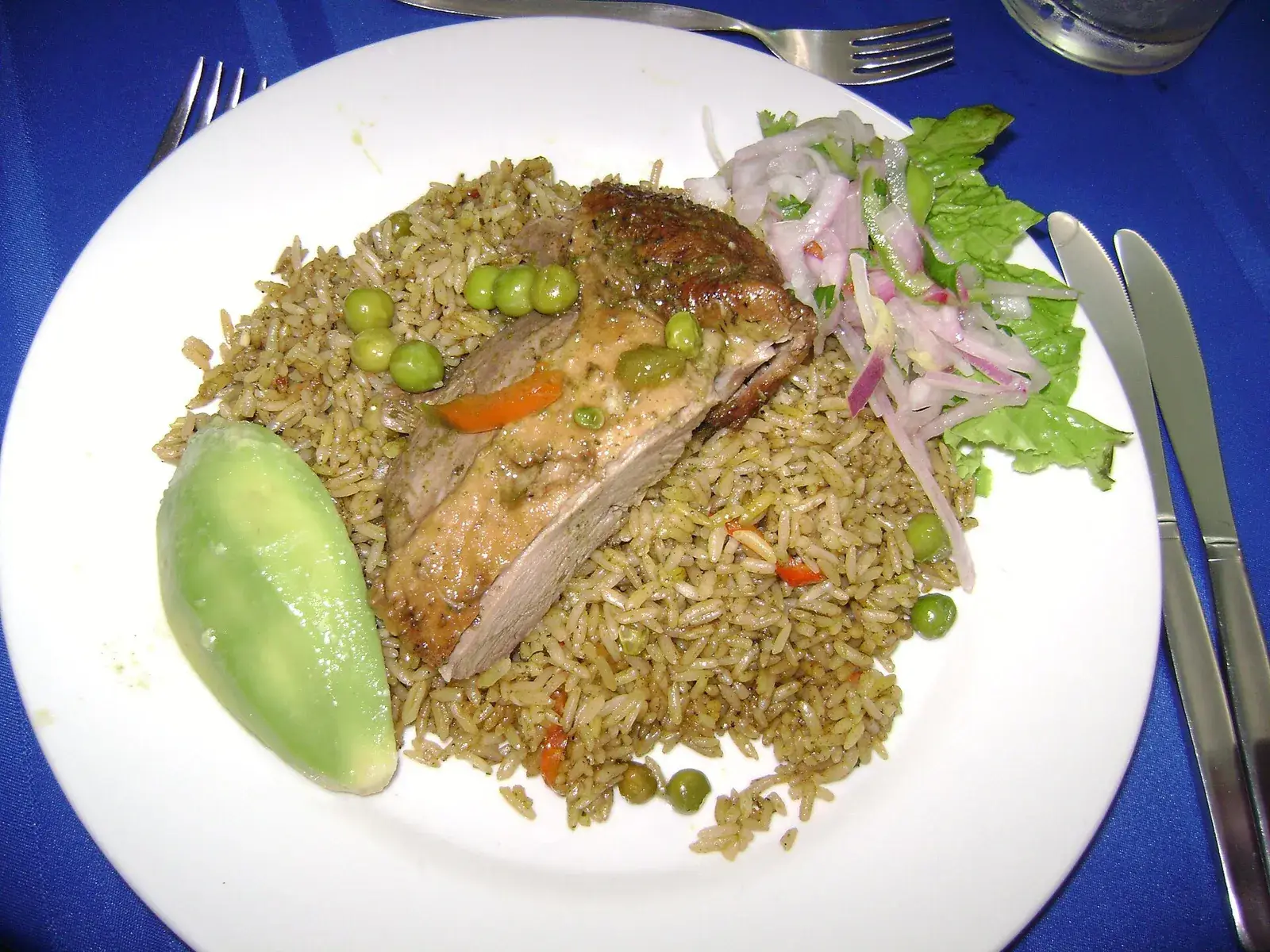
Northern Peru is a good region for food. Look for arroz con pato in Chiclayo, cabrito (kid goat) stew with beans, ceviche in the northern style around Piura, and cecina, dried and smoked meat. Trujillo and Chiclayo are the usual bases, and each has its own habits, markets and sweet treats. Plan lunch as your main meal, since many traditional places serve their best dishes then.
Chiclayo and the Lambayeque kitchen
Chiclayo is often named among Peru's best food cities. Arroz con pato is rice cooked with duck, coriander and beer, giving a green colour and a deep flavour. Cabrito, young goat, is stewed with dark beer and chicha de jora and served with beans, rice and cassava. Many families treat it as a special-occasion dish.
Look also for cecina, salted and dried meat, and for tamales and humitas from morning stalls. For something sweet, King Kong is a layered biscuit-like pastry with fruit paste and caramel, associated with the Lambayeque region. The markets and street stalls of the city are a good place to see regional produce, from the large limes to the variety of chillies.
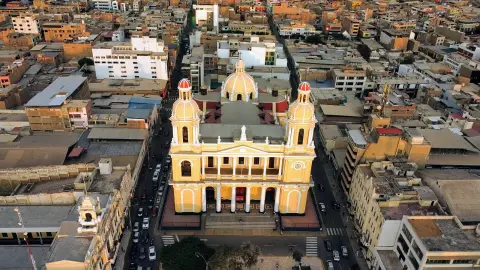
Chiclayo is a practical base for eating, because many of the best-known dishes are served in the same city and a short taxi ride covers the main restaurants. It is also the natural stop for visitors heading to the museums and pyramids of the region, which are covered in Chiclayo.
Trujillo, Piura and the coast
Trujillo has its own ceviche tradition, and its cooking links the sea with the farms of the surrounding valleys. Look for sudado, a fish stew cooked with tomato and onion, and for shambar, a wheat and bean soup with pork and ham, traditionally prepared on certain days of the week in the region's markets and restaurants.
Further north, Piura and the beaches around Máncora are known for ceviche made with the local small, very sour limes, often with fish caught the same day, and for the cooking of the northern coast generally. Piura is also known for sweets such as natilla and for chifa-style and seafood restaurants. The dry, hot climate of the north makes cold chicha and fruit drinks especially welcome.
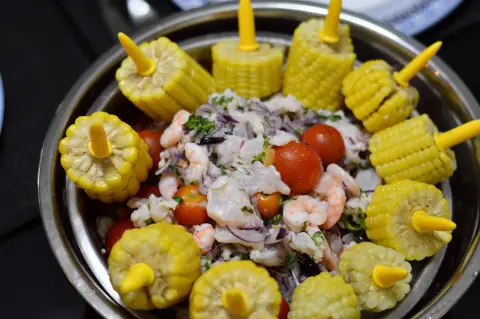
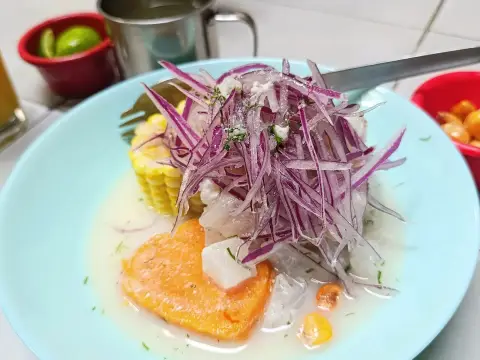
Shellfish and crab appear in many places, and the northern style of ceviche tends to be lightly seasoned and served in a generous portion, often with a side of fried cassava.
Tours and activities
Bookable online, chosen for their traveller reviews.
-
★ Top rated From €52 per person
-
★ Top rated From €23 per person
-
Day trip From €38 per person
-
★ Top rated From €85 per person
Cajamarca and the northern highlands
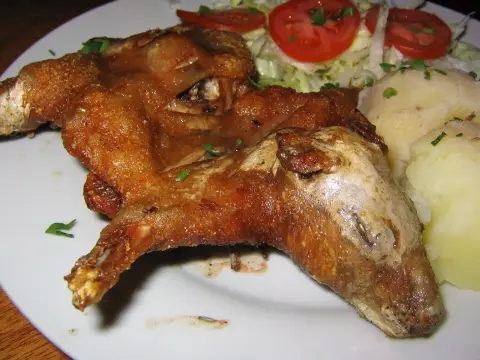
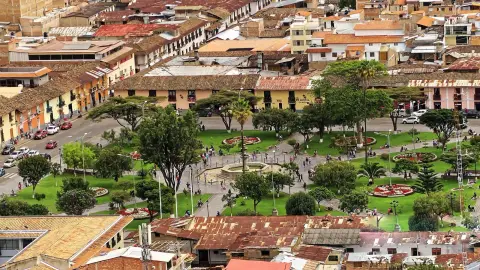
Inland, the cooking changes completely. Cajamarca is known for dairy: soft cheeses, manjar blanco (a milk caramel) and butter, thanks to the cattle on the surrounding high pastures. Look for cuy, local sausages and humitas, and for caldo verde, a green soup of potato, herbs and cheese.
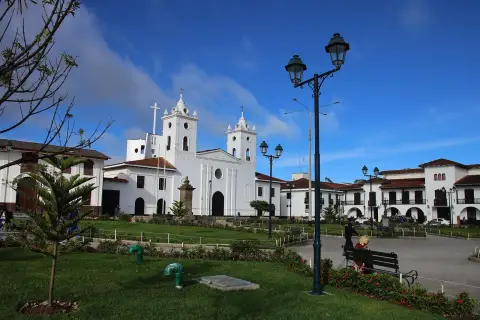
Chachapoyas and the Amazonas region mix highland and jungle traditions, with dishes such as juanes and local coffee. These cities are small, so food is often home-style and served in simple restaurants.
The northern highlands are cooler and greener than the coast, and the cuisine reflects it: hearty breakfasts with bread and cheese, soups that arrive before every meal and a stronger reliance on dairy than elsewhere in Peru. A visitor travelling from Chiclayo or Trujillo up to the mountains will notice the change in two or three hours.
Ceviche in the north
The north is the best place to compare ceviche with the Lima style. Fish tends to be cut a little larger, the portions are generous and the lime is sharper, thanks to the small, very acidic limes grown locally. Cassava is a standard side, and black clams, conchas negras, are a regional speciality in the far north.
Because the climate is hot, the rules about freshness matter even more: eat ceviche at lunchtime, in a busy place, and avoid the dish if it has been sitting. See ceviche to understand what to look for in detail.
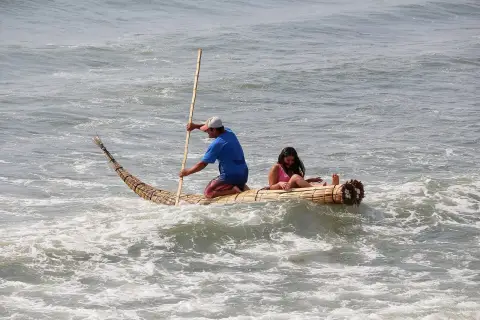
Around Máncora, cevicherías cluster near the beach and the fishing port, and the quality is generally good when the boats have come in. Fishing communities in the region sell the morning's catch directly, which is why lunch is the right time for ceviche. If you want to avoid raw fish, grilled fish with rice and salad is always available.
Markets, sweets and drinks
Northern markets are lively places, and the Chiclayo market is especially known for its crowded stalls selling food, herbs and traditional remedies. For visitors, the food counters are the interesting part: cooked lunches, juices and snacks at low prices. Keep to busy stalls and food served hot, as elsewhere.
Sweets are a regional strength. King Kong in Lambayeque, natilla in Piura and manjar blanco in Cajamarca each have their own followings, and many bakeries sell small boxes as souvenirs. A box of regional sweets travels well and makes a better gift than another generic souvenir.
Drinks are varied: chicha de jora, fruit juices, local beers and, in the hot north, a jug of chicha morada on the table at lunch. Chicha is more commonly served in rural restaurants called chicherías.
Building a food route through the north
For visitors planning a trip, the north works well as a food-and-archaeology route: Trujillo and its nearby sites, Chiclayo and its museums, and perhaps Cajamarca or Chachapoyas inland. The northern Peru itinerary shows how these stops can be linked, and the destination guides cover what to see between meals.
Travel times are long. Road journeys between the main cities take several hours, and buses are the normal option, so schedule your main meal at lunch in each town and keep dinner light. If you arrive in a city in the evening, choose a restaurant near your hotel rather than searching across town.
If you only have a day in one place, make it Chiclayo for the cooking and arroz con pato, then use the rest of the trip for the archaeology. Many travellers rank the north's food as an unexpected highlight of their Peru trip.
Frequently asked questions
When is the best time to eat ceviche in the north?
At lunchtime, when the fish is freshest. Many ceviche places close around the middle of the afternoon.
What is arroz con pato?
A dish of rice cooked with duck, coriander, chilli and beer, typical of Chiclayo and the Lambayeque region. It is commonly served at lunch.
Is the food in the north safe for visitors?
The usual rules apply: busy places, hot food, bottled or treated water. The warm climate makes seafood freshness an extra reason to eat at lunch and at popular venues.
Is northern ceviche different from Lima ceviche?
Yes. It usually uses smaller, more acidic limes, is served with fried cassava and comes in generous portions. Black clams are a speciality in the far north.
What is cabrito?
Young goat, stewed slowly with dark beer or chicha de jora, and served with beans, rice and cassava. It is a festive dish in the north and is commonly served at lunch.
Which northern city is best for food?
Chiclayo is the one most often recommended for regional dishes, while Trujillo and Máncora are better for seafood. Cajamarca is the choice for dairy and highland cooking.
Can vegetarians eat well in northern Peru?
It is harder than in Lima or Cusco, because meat and fish dominate regional cooking. Rice, beans, cassava, humitas and cheese are the usual fallback. See vegetarian for useful phrases.