Start with the three topics that affect almost every Peru trip: altitude, entry requirements and money. Then read up on the safety, health and packing topics that match your route.
In this section
-
 Guide
Choosing a Trekking Agency
A checklist for comparing trekking operators on the things that matter: licences, safety, porters, group size and what the price really covers.
-
 Guide
Altitude Sickness in Peru
Altitude in Peru in plain language: which places are high, what people notice and how to schedule your first days.
-
 Guide
Is Peru Safe?
A calm, factual overview of the risks most visitors actually meet in Peru and the sensible habits that reduce them.
-
 Guide
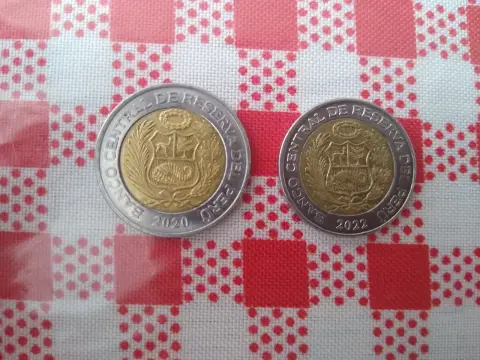
Money in Peru
Everything practical about the Peruvian sol, cash machines, card use and exchanging money.
-
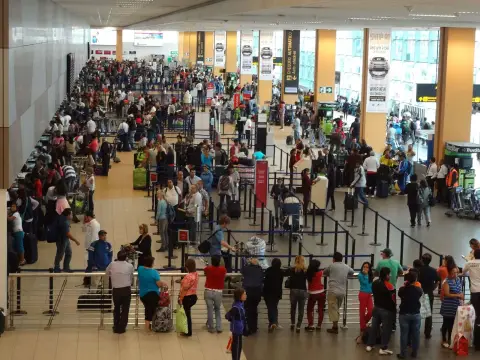
-
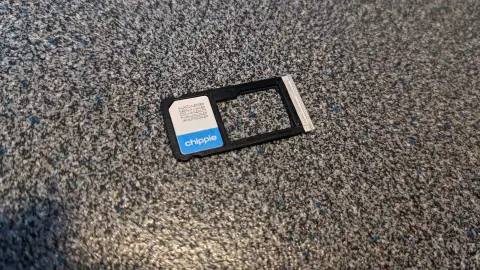 Guide
SIM and eSIM in Peru
The options for mobile data in Peru and what to know about coverage, registration and unlocked phones.
-
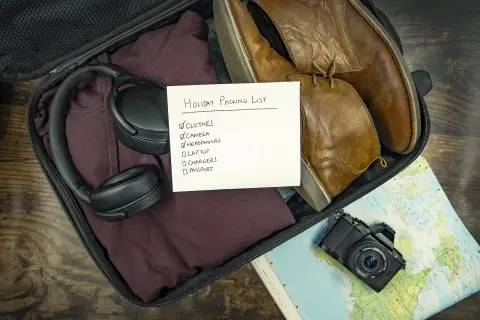 Guide
Peru Packing List
A region-aware packing list for a trip that can cross desert, high mountains and rainforest.
-
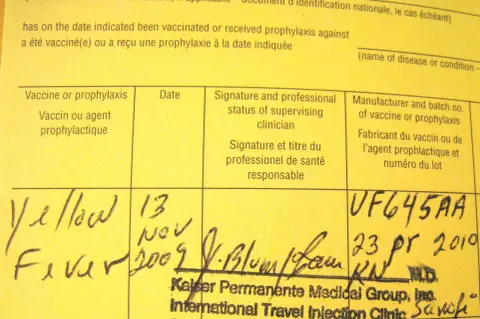 Guide
Health and Vaccines for Peru
A general overview of the health topics to raise with a doctor or travel clinic before a trip to Peru.
-
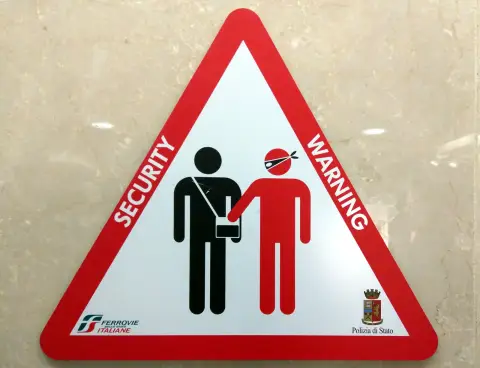 Guide
Common Scams in Peru
A factual list of the tricks aimed at visitors in Peru and the simple habits that defuse them.
-
 Guide
Travel Insurance for Peru
A checklist for choosing travel insurance that fits a Peru itinerary with altitude, treks and domestic transport.
-
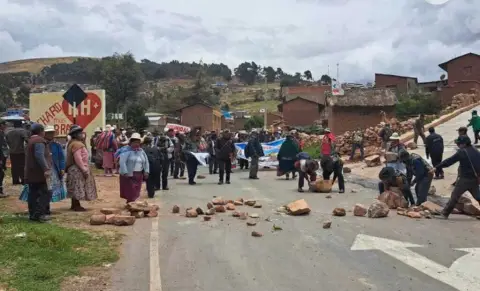 Guide
Strikes and Road Blockades
What to know about protests, strikes and blocked roads in Peru, and how to keep an itinerary resilient.
-
-
 Guide
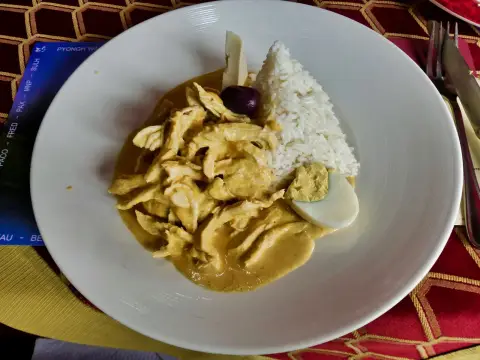
Water and Food Safety in Peru
General habits for drinking safely and eating adventurously in Peru without wrecking your trip.
-
 Guide
Festivals and Holidays in Peru
A calendar of the festivals and holidays that shape travel in Peru, and how they affect prices and availability.
-
 Guide
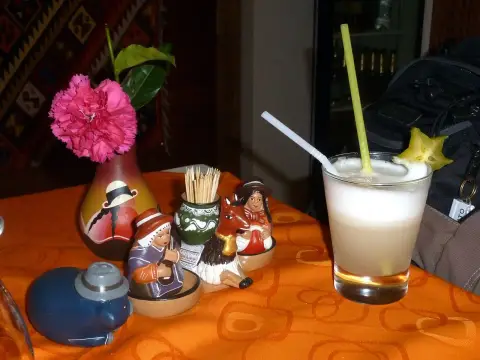
Tipping in Peru
Tipping customs in Peru across restaurants, tours, treks and hotels, in practice.
-
 Guide
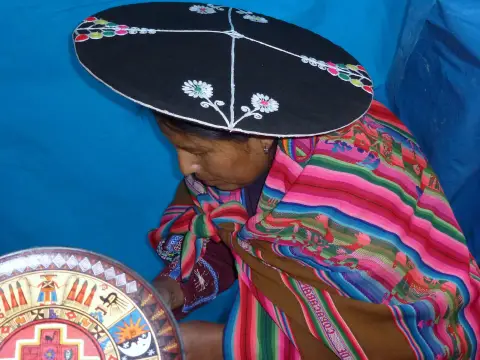
Etiquette in Peru
The everyday manners, photography rules of thumb and cultural sensitivities that help visitors in Peru.
-
 Guide
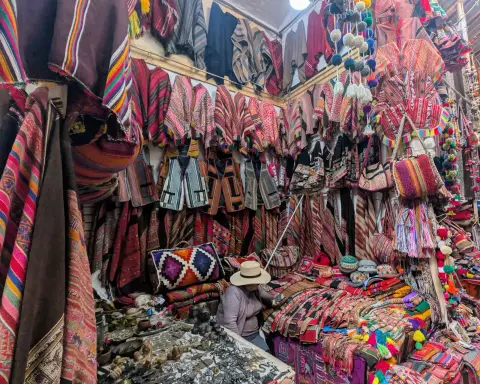
Spanish Phrases for Peru
A short phrasebook of the Spanish that works best in Peru, plus a few local words and Quechua greetings.
-
 Guide
Electricity and Plugs in Peru
Peruvian voltage, plug types and how to keep your devices charged, in brief.
-
 Guide
Solo Female Travel in Peru
Balanced, practical guidance for women travelling on their own, based on common travel practice and local advice.
-
 Guide
Accessible Travel in Peru
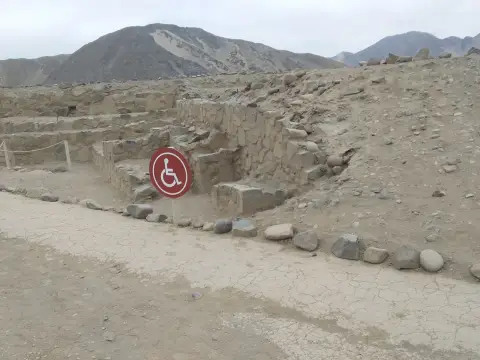
An honest overview of access for wheelchair users and travellers with reduced mobility, and how to plan around the limits.
-
 Guide
Responsible Travel in Peru
Practical ways to make your trip fairer for communities and lighter on fragile places.
-
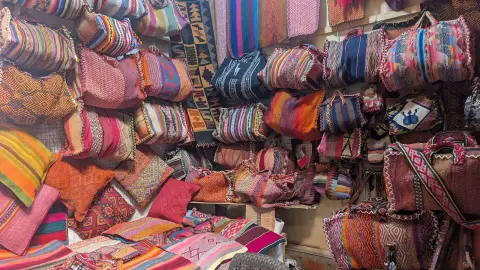 Guide
Souvenirs From Peru
The crafts and foods worth buying in Peru, how to judge quality and what to avoid.
-
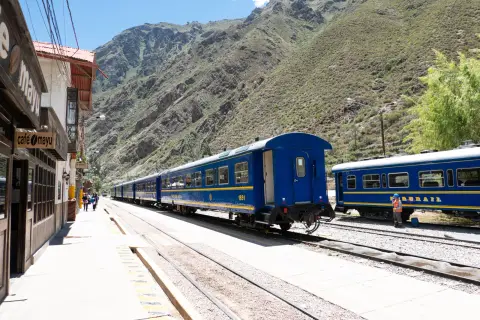 Guide
When to Book Machu Picchu, Flights and Hotels
A booking order for a Peru trip, with the items that sell out first, the effect of season and festivals, and what can wait.
-
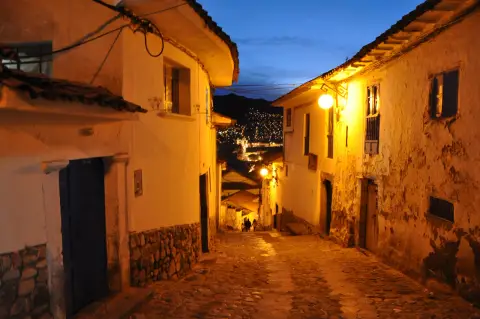 Guide
Altitude Day by Day: Cusco and Machu Picchu
Applies general altitude advice to three real route orders and to the high days on Rainbow Mountain and Salkantay.
-
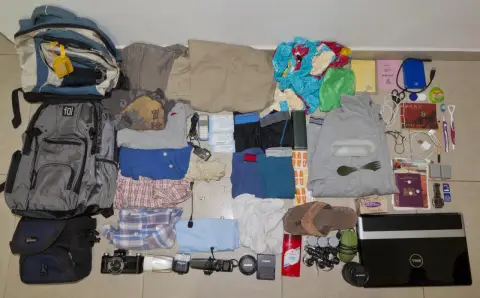 Guide
Peru Trip Checklist: Before You Fly
A timeline checklist for a Peru trip, from the months before departure to the first two days at altitude.
-
 Guide
Peru Travel Glossary: Words You Will Hear
A themed glossary of the Spanish and Quechua words visitors meet in Peru, with what each means in practice.
What to read first
Peru is easy to enjoy and easy to plan badly. Most of the avoidable problems come from a short list of causes: arriving at altitude without time to adjust, assuming that a rule or a price from a blog post is still current, and underestimating how long overland journeys take.
Three topics are worth reading about before you book anything. See altitude to understand why Cusco and the Andes affect people so differently and how to build a gentler first few days. See entry requirements to understand what to check about passports, stay lengths and onward travel. See money for the currency, cash machines and cards, which matter more here than in many countries because small businesses often prefer cash.
Staying healthy and safe
Health advice on this site is general information, never a treatment plan. For vaccines, medication and any pre-existing condition, talk to a doctor or a travel clinic and follow the guidance of recognised national and international health authorities. Health and vaccines, altitude sickness and water and food safety each point you in that direction.
Safety in Peru is mostly a matter of ordinary city sense, a little preparation for road and weather disruption, and knowing the handful of scams aimed at visitors. Safety and scams are covered in a factual and proportionate way rather than an alarming one. Strikes and road blockades matter if you have a tight connection, because protests can close roads for days, particularly in the south.
Everyday practicalities
Some topics are small but save time: a local SIM or eSIM for maps and ride-hailing, a packing list that copes with cold nights and hot days in the same week, the right plug adapter, a few Spanish phrases and an idea of what to tip. Each has its own detail: SIM and eSIM options, the packing list, plugs and voltage, Spanish phrases and tipping.
There is also advice on travel insurance, emergency numbers, and festivals and public holidays, which can fill hotels and close services. Read about insurance before you pay for tours, since the policy has to be bought early to be useful.
For particular kinds of traveller
Not every topic applies to every trip, and some are written for a specific situation. Solo female travel covers the practical habits that women travelling alone tend to find useful, without overstating the risks. Accessible travel looks at mobility, hills, cobbles and altitude from the point of view of travellers who need step-free or low-effort options.
Families, older travellers and photographers have their own planning advice for each type of traveller, and the first-timers advice gathers the decisions that most people make in the same order. Use those as a second layer once you know which of these tips affect your route.
Travelling well, not just safely
A trip goes further when the money you spend reaches the people you meet. See responsible travel to understand how to choose operators, behave around communities and wildlife, and handle the crowding that affects the most famous sites. Etiquette covers greetings, photography and the small courtesies that make everyday exchanges easier.
To buy crafts that are genuinely local, and for the items that cannot legally be taken home, see souvenirs. Together these tips are about leaving a good impression as much as avoiding problems.
Apps and tools on the road
Connectivity shapes how much of this you can sort out as you go. A good map app that works offline, a ride-hailing app for city taxis, a translation tool and a way to keep copies of your documents are the basics, and a list of apps shows the types worth installing before departure rather than at the airport.
If you are still budgeting, the daily costs put the money advice in context.
How to use these guides
Each topic separates what is stable from what changes. Stable facts, such as altitude figures or the general climate pattern, are stated plainly. Volatile facts, such as entry rules, exchange practices, ticket systems and emergency numbers, are flagged as such.
A sensible rhythm is to read the whole set once when you start planning, then return to the three or four topics that apply to your route in the final fortnight. Keep your confirmations in one folder alongside your tickets and insurance documents.
Frequently asked questions
What is the single most useful thing to prepare for Peru?
Your first days at altitude. A relaxed start in Cusco or the Sacred Valley, with time to adjust, improves the rest of the trip more than any gadget or booking.
Are these tips official advice?
No. They are general travel information, not official advice.
How far ahead should I check entry and health requirements?
Settle them when you book. Vaccines in particular can need weeks of lead time, so speak to a travel clinic early. For general advice, see health and vaccines.
Which tips matter most for a first trip?
Altitude, entry requirements, money, safety and the packing list cover most first-time problems. Add scams and strikes if you have a tight schedule or plan to travel overland.
Do I need to read every tip?
No. Read the core topics for any trip, then pick the ones that match your plans: solo travel, accessibility, trekking gear or connectivity. Each topic stands alone and links to the others where they overlap.
Where do I find planning help beyond practical tips?
The planning hub covers routes, timing and budgets. These tips assume you have a rough route and want to avoid the common practical mistakes.