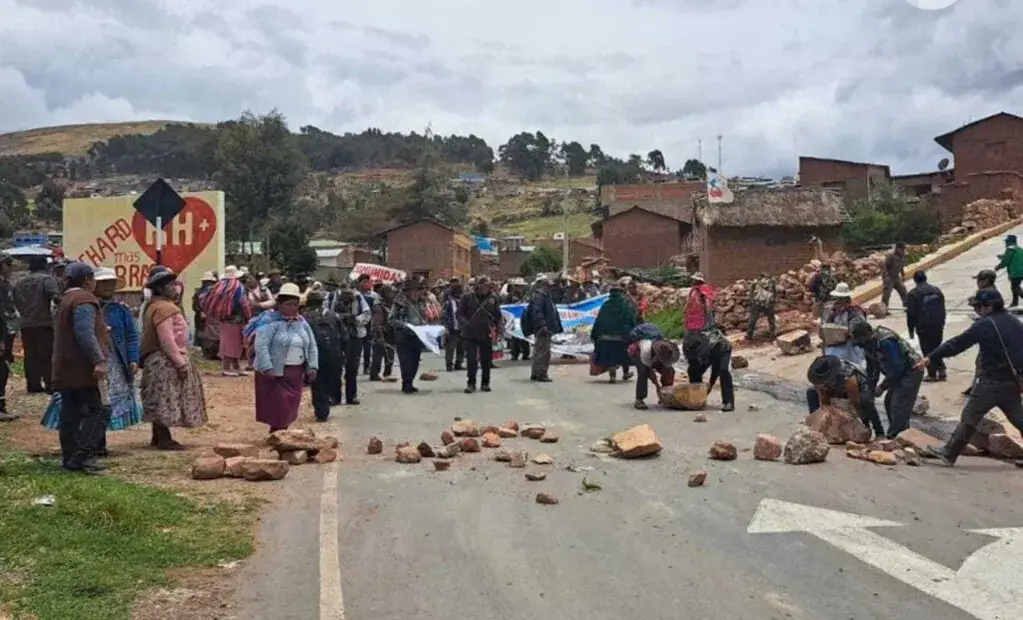
Strikes and road blockades happen from time to time in Peru, mostly on highways in the southern and central Andes, and they can stop buses for days. They are usually announced, short-lived or localised, but they can break a tight itinerary. Keep slack around flights, avoid overland legs on the last days, and check local news and your operator before travelling.
What happens and why
Strikes by transport workers, farmers, miners, teachers or communities can lead to road blockades, where protesters stop traffic on a highway for hours or days. Protests may also affect city centres, train services or access to a site. Most tourism continues normally while this happens, and a blockade often affects one road or one region rather than the country.
Events can escalate quickly, though, and there have been periods of widespread unrest in the past that closed airports and disrupted travel. Treat a news report of unrest as a reason to check your plans, not necessarily to panic. See safety for this in the wider context of the risks visitors meet.
Where it tends to matter
Disruptions have been most common on roads linking the south and the highlands, such as routes to and from Cusco, Puno, Arequipa and the Sacred Valley, and on some Amazon and central highway routes. Flights usually continue, which is one reason travellers choose a flight for a key leg of the trip. Trains to Machu Picchu have in the past been suspended during protests.
Because conditions vary, there is no list of safe or unsafe roads. Ask your hotel and your operator, who usually know a day or two ahead. Long routes such as Cusco to Puno or Arequipa to Puno are the ones most often mentioned in traveller reports when southern roads are affected.
How to build resilience
Give yourself a buffer day before an international departure and avoid ending a trip with a long overland leg. Choose flexible tickets where the price difference is small, and keep refundable bookings for the last stages. Take insurance that covers disruption and read the conditions in travel insurance.
If a blockade does affect you, contact your operator, airline or hotel. Keep food, water and cash for a delay, and do not take a risky detour on foot or by unofficial transport. Alternative routes sometimes exist, but local advice matters more than a map.
Where to check current news
Check your government's travel advice, which names regions and recent unrest, and read local Peruvian news in Spanish or through a translation tool. Your hotel, tour operator and bus company often know about closures before the national media report them. Airlines and train companies publish their own notices about service changes, so subscribe to alerts for your bookings.
Peru's national highway authority and the transport ministry publish information about road status, and many travellers use mapping apps that show closures, though these can lag behind events. See apps for the kinds of tool that help. Verify any social-media report against a reliable source before changing your plans.
Designing an itinerary that survives a blockade
Put the hardest-to-replace items early: Machu Picchu tickets, Inca Trail permits and international connections cannot easily be rearranged, so avoid depending on a long road leg just before them. Where two cities are linked by both bus and flight, price both and decide in advance which you would switch to, as discussed in flights.
Consider ordering a trip so that you finish near an international airport, in or near Lima, with a spare day. Missed flights and weather and route show how quickly small delays compound.
If you are already stuck
Stay in touch with your accommodation and operator, and share your location with someone at home. Avoid joining a march or approaching a blockade. If you are on a bus that is stopped, follow the driver's advice and stay with the vehicle, as walking through crowds on highways at night is risky.
Make a list of your fixed commitments, such as flights and tour dates, and contact each provider early. Airlines and tour companies are often flexible when a documented disruption affects many customers. Keep receipts for extra food, lodging and transport, and tell your insurer promptly. See emergency contacts for the numbers to hold.
Frequently asked questions
Will a strike cancel my Machu Picchu visit?
Not usually, but protests have occasionally disrupted trains and access. Check with your operator before travelling.
How long do blockades last?
From hours to several days, depending on the cause. Local news and operators give the best current information.
Should I avoid Peru because of protests?
Most visitors travel without disruption. Keep your plan flexible and be ready to adjust.
Do flights keep running during blockades?
Often yes, because airports are not on the blocked roads, but access to the airport can be hard and past unrest has closed some airports. Confirm with the airline on the day.
Are blockades announced in advance?
Many are, by unions or communities, a few days earlier, and local media and operators usually know. Others begin suddenly, so keep contact details for your hotel and agency.
What is the safest way to cross southern Peru in a period of unrest?
A flight between main cities is usually the most reliable option, since roads can close for days. Ask your operator and airline, and keep the booking flexible.
Does insurance cover missed flights from a blockade?
Sometimes, if the policy lists strikes or civil disturbance and you did not travel against advice. Read the terms in travel insurance and keep proof of the disruption.