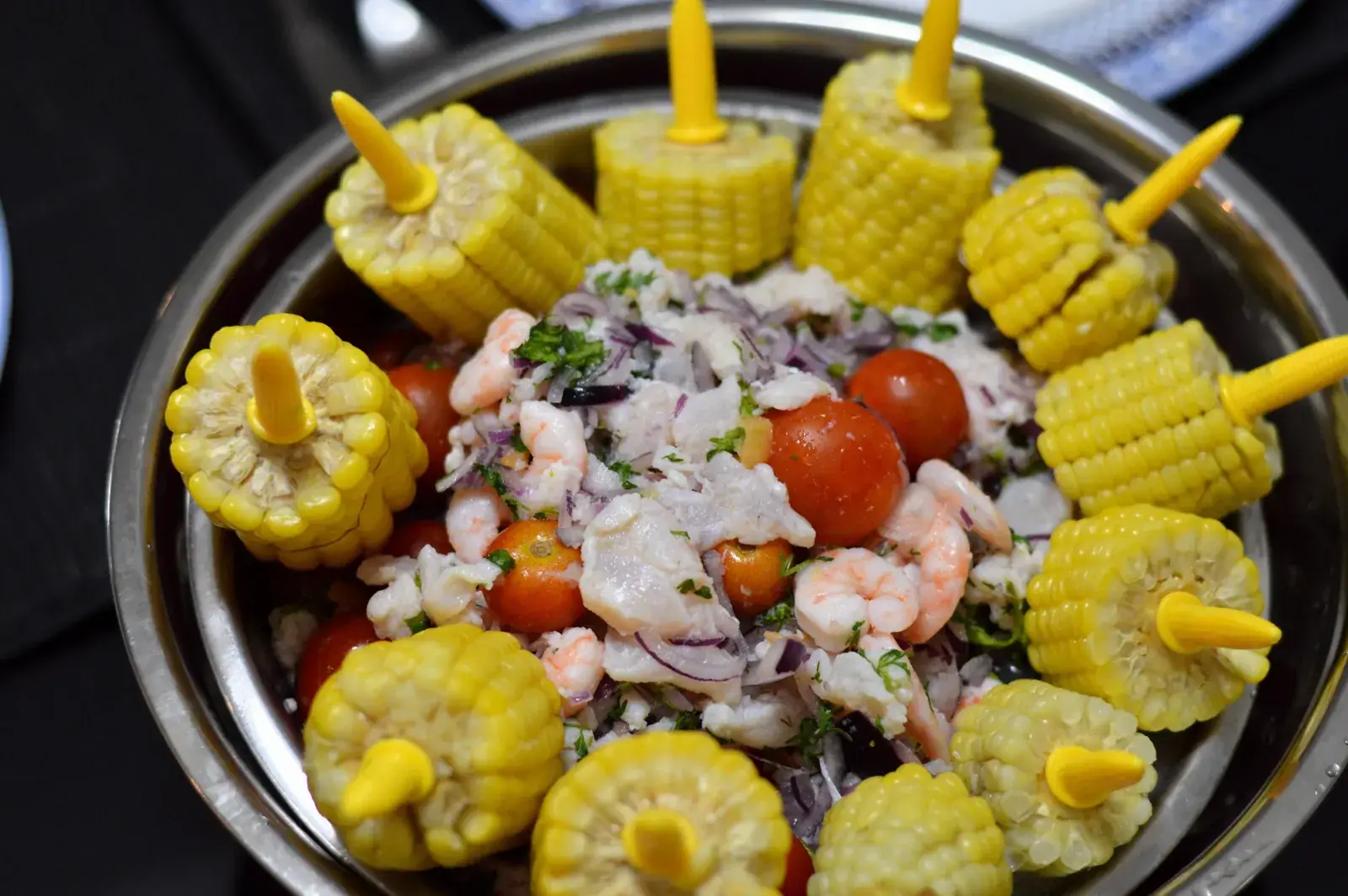
Peruvian food is best understood as three kitchens: the coast, with raw fish and lime; the Andes, with potatoes, maize, quinoa and slow-cooked meats; and the Amazon, with river fish, plantain and cassava. Add the Chinese, Japanese, Spanish and African influences that arrived over the centuries and you have one of the most varied cuisines in South America. Start with ceviche, lomo saltado and ají de gallina, then follow the region you are in.
In this section
-
 Guide
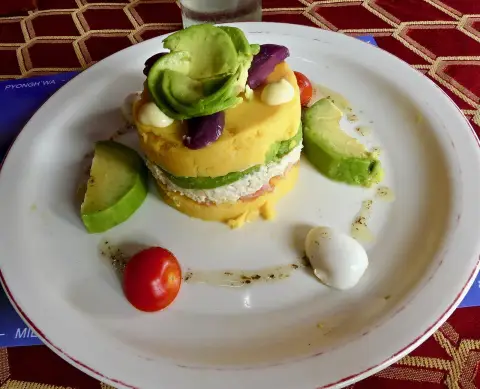
What to Eat in Lima
Lima pulls together the whole country's cooking, from raw fish on the coast to Chinese and Japanese influences.
-
 Guide
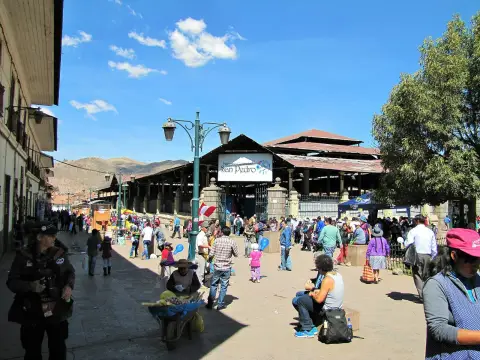
What to Eat in Cusco
Cusco's cooking is Andean: warming soups, native potatoes, big-kernel corn and meats suited to cold, high-altitude days.
-
 Guide
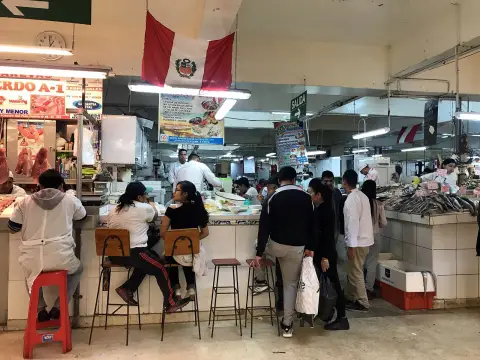
Lima Food Tours
Lima has food walks, market tours, cooking classes and tasting sessions; here is how to tell them apart and choose.
-
 Guide
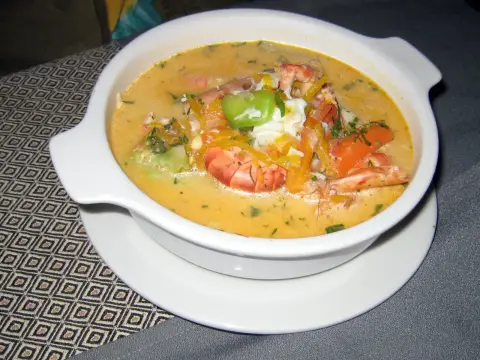
What to Eat in Arequipa
Arequipa has one of Peru's most distinctive regional cuisines, built around chillies, slow stews and the traditional picantería.
-
 Guide
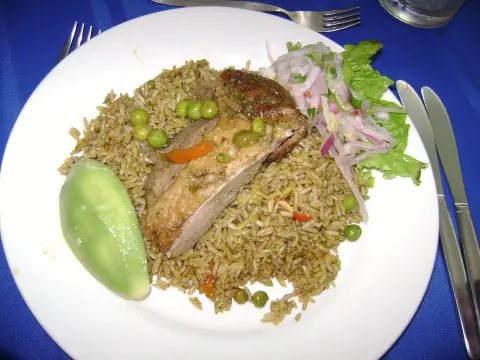
What to Eat in Northern Peru
The north coast has some of the country's strongest regional cooking: goat, duck, seafood and a famous style of ceviche.
-
 Guide
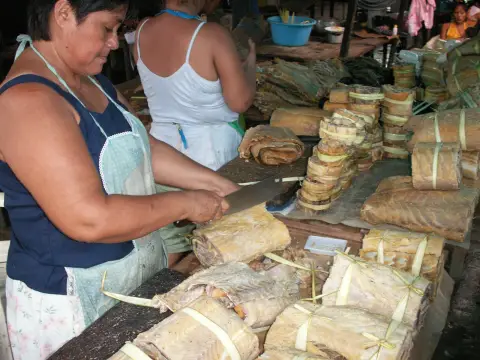
What to Eat in the Amazon
Amazon cooking uses river fish, cassava, plantain, palm and fruit found nowhere else in the country.
-
 Guide
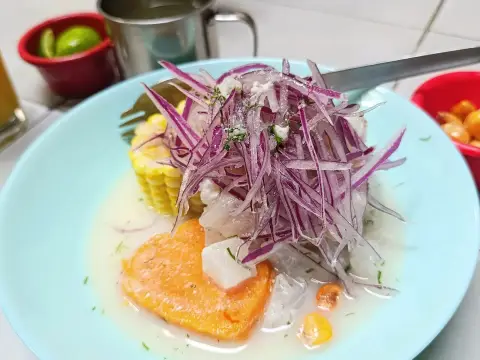
Peruvian Ceviche
Raw fish, lime, chilli and onion: Peru's best-known dish, and how to recognise a good one.
-
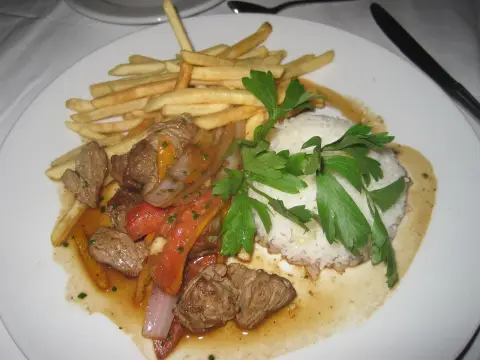 Guide
Lomo Saltado
A wok-fried mix of beef, onion and tomato served with chips and rice, and one of the clearest examples of Chinese influence on Peruvian cooking.
-
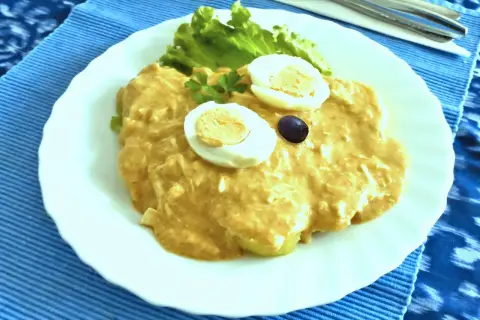 Guide
Ají de Gallina
A comforting dish of shredded chicken in a mild yellow chilli sauce, served with rice, potato, egg and olive.
-
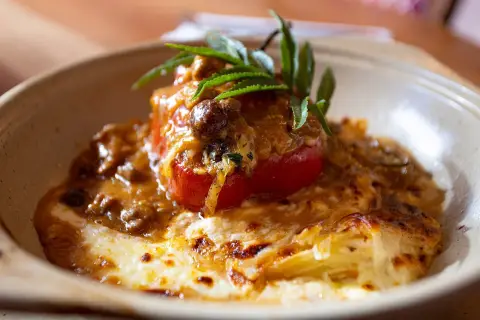 Guide
Rocoto Relleno
A hot rocoto pepper stuffed with spiced meat, topped with cheese and baked, the signature dish of Arequipa.
-
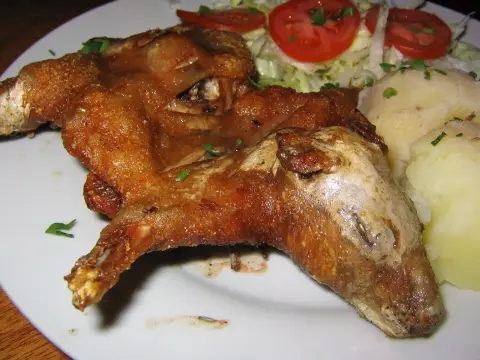 Guide
Cuy (Guinea Pig) in Peru
Guinea pig is an Andean tradition and a celebratory dish, served whole, roasted or fried, and it takes some planning to order.
-
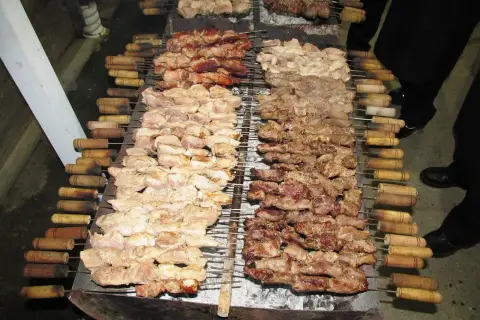 Guide
Anticuchos
Skewers of marinated beef heart grilled over charcoal, a street-food classic in the evening.
-
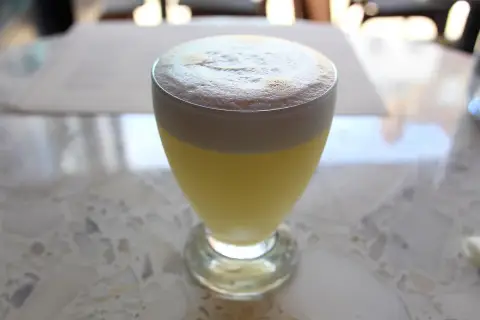 Guide
Pisco and Pisco Sour
Pisco is Peru's grape brandy and the base of the pisco sour; here is how it is made, the types, and drinking it responsibly.
-
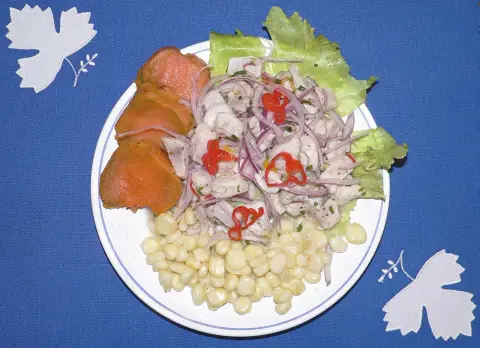 Guide
Chifa
Chifa is the fusion of Cantonese cooking and Peruvian ingredients, found everywhere from neighbourhood cafés to formal restaurants.
-
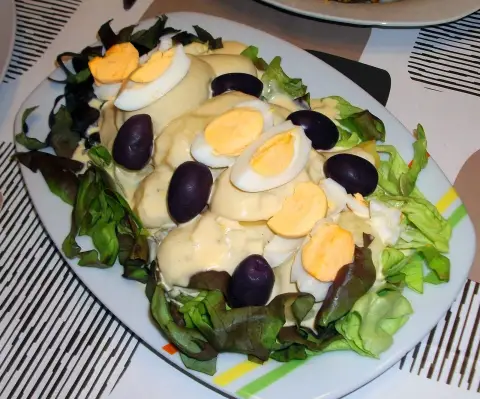 Guide
Vegetarian Food in Peru
Vegetarians can eat well in Lima, Cusco and other tourist cities, but meat is the default almost everywhere else.
-
 Guide
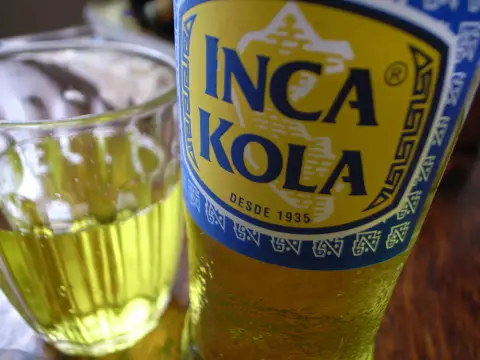
Inca Kola: Peru's Golden Soft Drink
Inca Kola is the bright yellow, sweet soft drink that Peruvians treat as the default partner for lunch, from chifa to roast chicken.
-
 Guide
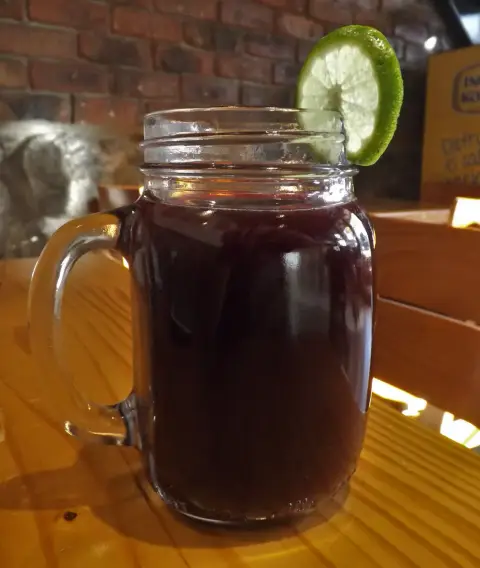
Chicha: Chicha Morada and Chicha de Jora
Chicha covers two very different Peruvian drinks: a sweet, non-alcoholic purple maize drink and a fermented maize beer of the Andes.
-
 Guide
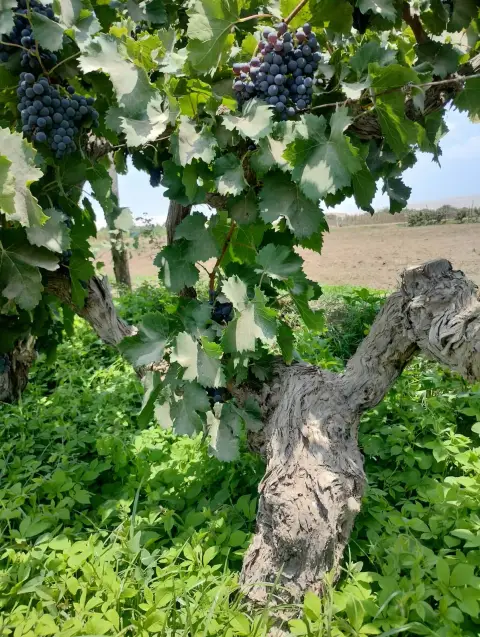
Peruvian Wine: Regions, Styles and Tastings
Peru has grown grapes since the colonial era; this guide covers the vineyard regions, the styles, and how wine fits beside pisco on the table.
-
 Guide
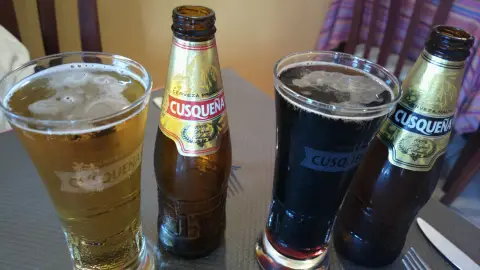
Peruvian Beer: Lagers, Craft and Customs
Peru drinks mostly pale lager, shared from big bottles, with a growing craft scene in Lima, Cusco and Arequipa.
-
 Guide
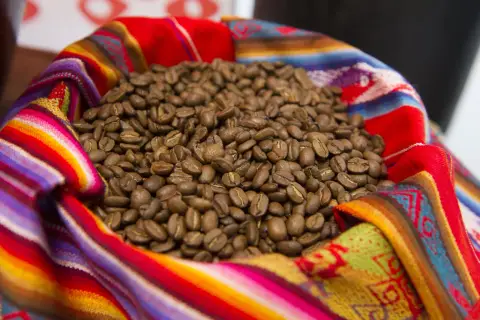
Peruvian Coffee: Regions, Cafés and Buying
Peru grows high-altitude arabica in many regions; this guide covers where, how it is served, and how to buy beans responsibly.
-
 Guide
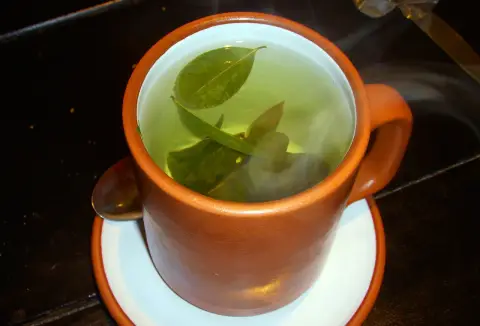
Peruvian Herbal Drinks: Coca Tea, Muña, Emoliente
Peruvians drink many herbal infusions; this guide explains mate de coca, muña and emoliente, with caution on coca leaf rules.
-
 Guide
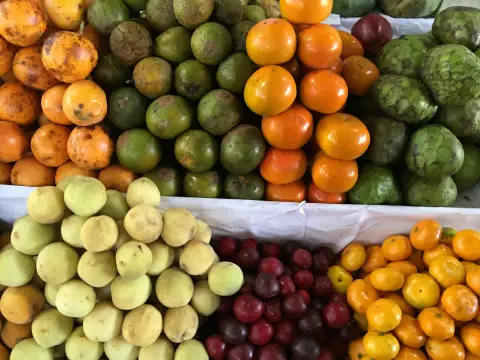
Peruvian Fruit Juices and Exotic Fruits
Peru's juice culture runs from market blenders to Amazon palm fruit; this guide names the fruits, where each is found and how to order safely.
-
 Guide
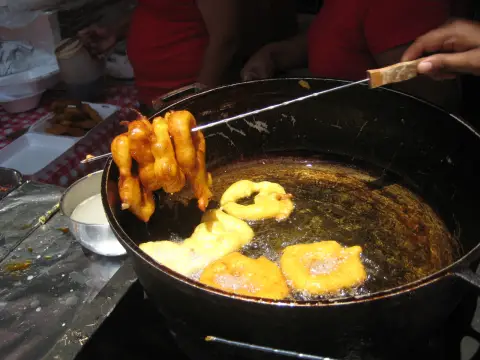
Peruvian Street Food
A guide to the snacks sold from carts, stalls and market counters in Peru, and how to eat them safely.
-
 Guide
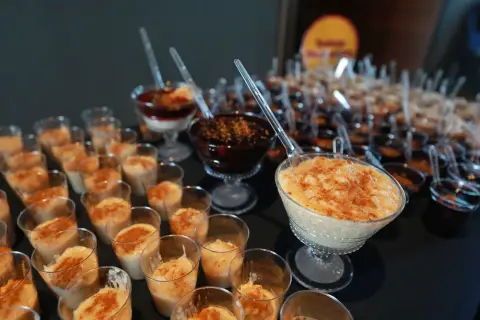
Peruvian Desserts and Sweets
What the classic Peruvian sweets are, how they taste and where to find them.
-
 Guide
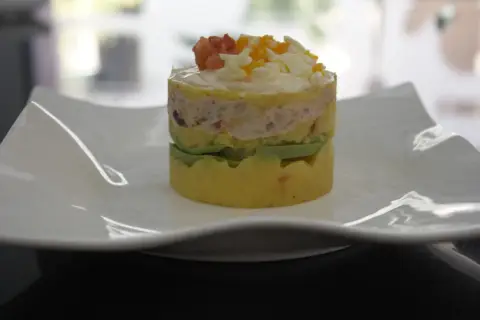
Causa and Papa a la Huancaína
How the two best-known Peruvian potato starters are made, where the stories say they come from and how to order them.
-
 Guide
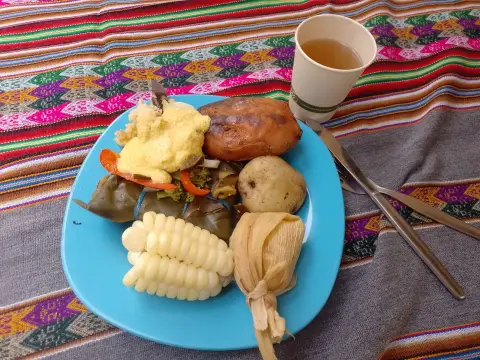
Pachamanca: The Andean Earth-Oven Feast
How pachamanca, the Andean feast cooked in an earth oven, is made, eaten and found by visitors.
-
 Guide
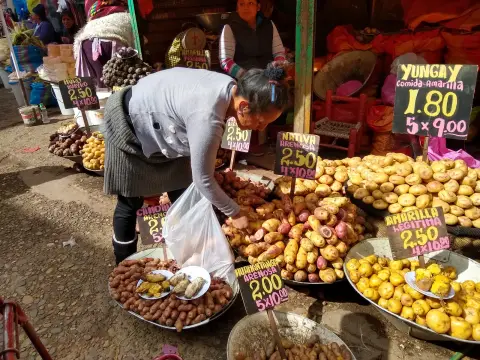
Andean Staples: Potatoes, Quinoa and Maize
The tubers, grains and beans that feed the Andes, and where visitors can see and taste them.
-
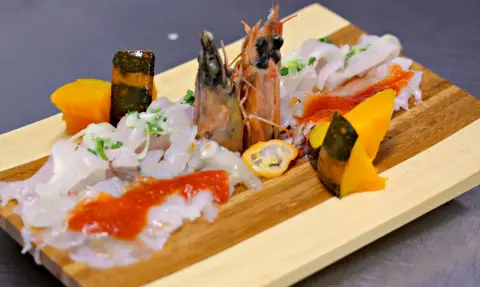 Guide
Nikkei: Japanese-Peruvian Cooking
How Japanese migrants shaped Peruvian cooking, what to order and how nikkei differs from chifa.
-
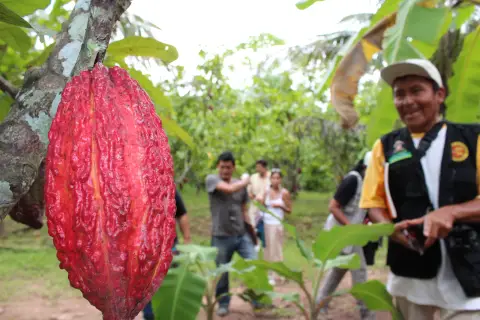 Guide
Peruvian Chocolate and Cacao
Where Peru's cacao grows, what makes it distinctive, and how to taste, learn about and buy good chocolate.
Three kitchens and a long list of influences
The coast gives Peru its best-known export: fresh fish cured in lime juice, served with sweet potato, corn and onion. Lima, with its restaurants, markets and cooking schools, is where most visitors meet this side of the cuisine, but the northern coast has its own traditions of goat stew, rice with duck and seafood stews.
In the highlands the cooking is built on the crops the Andes have supported for centuries: hundreds of potato varieties, several kinds of maize, quinoa, broad beans and chilli peppers such as rocoto. Meat is often roasted or slow-cooked, and soups are a daily staple at altitude.
The Amazon cooks with river fish, cassava, plantain, palm hearts and fruit that rarely appear elsewhere, often wrapped in leaves and steamed or grilled.
On top of this sit later arrivals. Spanish settlers brought rice, wheat, pork and dairy. Enslaved Africans shaped street food such as anticuchos. Chinese and Japanese immigrants gave Peru chifa and Nikkei cooking, both now part of everyday eating.
Where to start
If you only have time for a handful of dishes, begin with ceviche at lunchtime, lomo saltado for a hearty main, and ají de gallina for a gentle introduction to Peruvian chilli. Try anticuchos in the evening and a pisco sour before dinner, but not at altitude on your first day.
That order is deliberate. The three first dishes are mild, widely available and easy to judge, so they give you a baseline before you move on to stronger flavours such as rocoto, offal or fermented maize drinks. A single set lunch, the menú, is often the cheapest way to meet two or three of these dishes in one week without committing to a full restaurant bill.
Each dish has its own entry, and each region explains what to look for in Lima, Cusco, Arequipa, the north and the Amazon.
Tours and activities
Bookable online, chosen for their traveller reviews.
-
★ Top rated From €52 per person
-
★ Top rated From €23 per person
-
Day trip From €38 per person
-
★ Top rated From €85 per person
Regional guides: what changes as you travel
Food changes faster than the scenery. In Lima the choice is widest: seafood, Nikkei, chifa and creative restaurants share neighbourhoods, and every region of the country has a presence. In Cusco the menu turns to soups, trout, alpaca and maize, partly because the altitude shapes what people want to eat.
Arequipa has its own spicy, slow-cooked tradition centred on the picantería. The northern coast is the place for duck, goat and a different style of ceviche. The Amazon is the most different of all, with leaf-wrapped dishes and fruit you will not see in the Andes.
A practical consequence: the best plan is to eat the local speciality wherever you are, rather than ordering the same famous dish in every city. Ceviche in Cusco, for example, is made with fish that has travelled a long way, while trout is the sensible choice there.
Drinks and sweets worth knowing
Peru's most famous drink is the pisco sour, made from a grape brandy that has its own story in pisco. Beyond it, chicha morada is a spiced, non-alcoholic drink made from purple corn, and chicha de jora is a fermented maize drink served in traditional bars in the highlands. Inca Kola, a bright yellow soft drink, is a national favourite.
Coca tea is drunk everywhere in the Andes, and fruit juices, particularly in markets, are fresh and cheap. Coffee and cacao are grown in the country and appear increasingly on cafe menus.
Desserts lean sweet and creamy. Suspiro a la limeña is a milk caramel topped with meringue, picarones are ring-shaped fritters served with syrup, and mazamorra morada is a pudding made from purple corn and fruit. In the south, queso helado is a frozen milk dessert flavoured with cinnamon.
Adapting to dietary needs
Peruvian cooking is meat- and fish-centred, so dietary restrictions need planning. Vegetarians will manage in the main visitor cities, where dedicated restaurants exist, but should expect to explain themselves in small towns, on trails and in the Amazon, where soups and sauces often hide meat stock.
Gluten is present in many sauces through soy, bread and wheat, and nuts and dairy appear in classic dishes such as ají de gallina. If you have a serious allergy, write your restrictions in Spanish and show them in every restaurant; a spoken explanation can get lost.
Travellers who simply want a gentler stomach in the first few days can lean on soups, rice, boiled potatoes and grilled fish or chicken, and then explore more freely once they are settled.
Cheap, filling and local: where to eat
The menú, a fixed-price set lunch with a soup, a main and sometimes a drink, is the backbone of everyday eating and is found in small restaurants in almost every town. It is usually the best value and the most likely place to taste regional home cooking, though the dish list is short and changes daily.
Markets are the second great resource: counters serve cooked lunches, fresh juice and regional specialities at low prices, and they show you the produce behind the dishes. The same food-safety common sense applies as anywhere: choose busy counters, eat food that is served hot, and be wary of raw items you cannot peel.
For a more organised introduction, food tours in Lima combine markets, tastings and cooking classes, and food-focused trip planning helps you build a route around meals.
Food and the rest of your trip
Food interacts with your itinerary more than most visitors expect. Raw fish is a lunchtime dish, so plan Lima's ceviche for midday rather than evening. Alcohol and heavy meals feel worse at altitude, so keep the big feasts for the end of your stay in Cusco rather than the first night.
Late departures and early starts also matter. Many traditional restaurants close in the afternoon, and trekking mornings begin before cafes open, so arrange breakfast boxes through your operator or hotel the day before.
For the health side of eating, including water and street food, read the guidance on water and food safety.
Frequently asked questions
What is the national dish of Peru?
Ceviche is the dish most often called Peru's national dish, and it has official cultural recognition in the country. Many Peruvians would add lomo saltado, ají de gallina and others to the list.
Is Peruvian food very spicy?
Generally not. Chillies are used for flavour and colour, and the hot sauce usually comes on the side. Rocoto, which is much hotter, is the one to approach with care.
Which city has the best food in Peru?
Lima has the widest range, from market counters to formal restaurants. Arequipa and Chiclayo are often named for their regional cooking, and the best answer depends on whether you want variety or a strong local tradition.
Is street food safe in Peru?
It can be, if you choose stands with a steady queue, food cooked in front of you and served hot. Avoid anything that has been sitting out, and be cautious with raw salads and ice on your first days.
Do I need to book restaurants in advance?
For well-known restaurants in Lima, especially at weekends, booking ahead is wise. Everyday restaurants and set-lunch places rarely take reservations, and arriving a little before the main lunch rush is the usual approach.
Is tipping expected in restaurants?
A small tip is customary in sit-down restaurants, and some add a service charge to the bill, so check before adding more. See tipping for general practice.