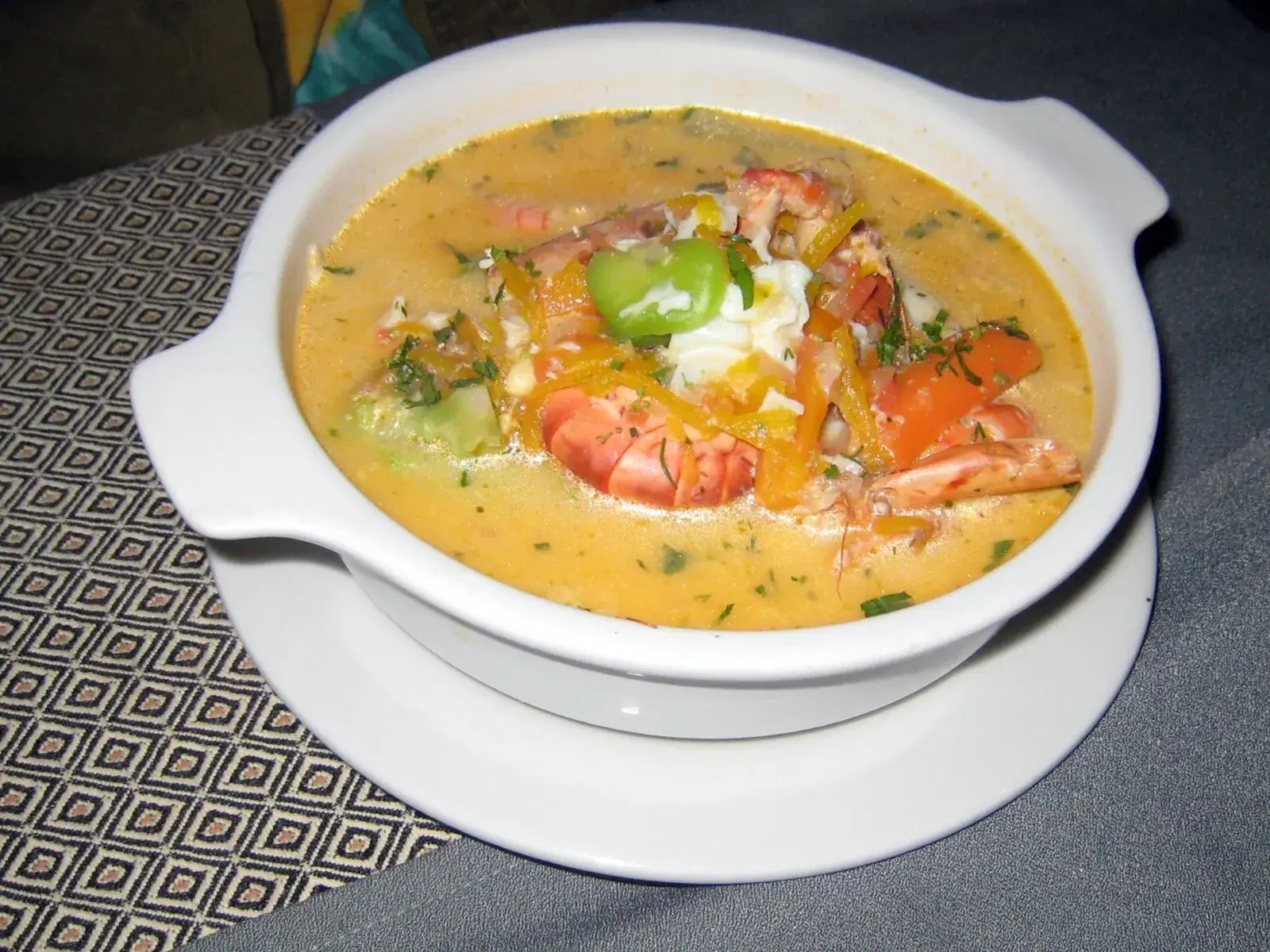
In Arequipa, try rocoto relleno, a stuffed hot pepper, adobo, a pork stew traditionally eaten for breakfast, and chupe de camarones, a rich shrimp soup. Ocopa, a potato dish with a herb and peanut sauce, is a good lighter choice. The best setting is a picantería, a traditional lunchtime restaurant that serves regional dishes, which usually closes by late afternoon.
The picantería tradition
Arequipa is often described as the culinary capital of southern Peru, and the picantería is the heart of that reputation. These are traditional restaurants, historically cooking over wood fires in clay pots, with long menus of regional dishes and a lunchtime rhythm: they fill from around midday and often close in the late afternoon. The name comes from the word for spicy, and chilli is central, but the heat is usually layered and flavourful rather than overwhelming.
The most useful advice is to go for lunch, go hungry, and let the staff suggest the day's dishes. Many picanterías serve a sampler or a set menu that lets you try several things at once.
Some picanterías still follow a weekly calendar, with particular dishes on particular days, so what you find on a Monday may differ from what is served on a Saturday. Ask what is cooking that day before you order from the long list, because the freshest dish is usually the one the kitchen is proudest of.
The dishes to look for
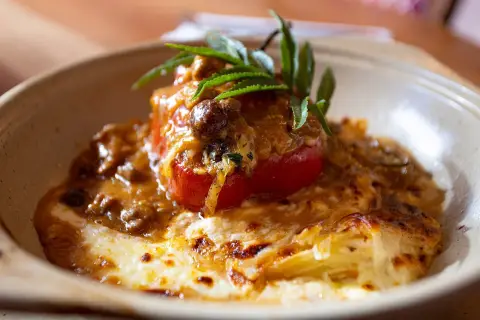
Rocoto relleno is the city's signature: a rocoto pepper, hot and fruity, filled with minced meat, onion, peanuts, olives and raisins, covered with cheese and baked, often served with a potato gratin. The pepper's heat can be tamed by blanching it, so the dish ranges from mild to fierce. It deserves a closer look.
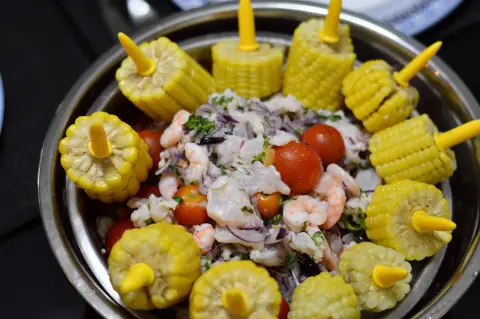
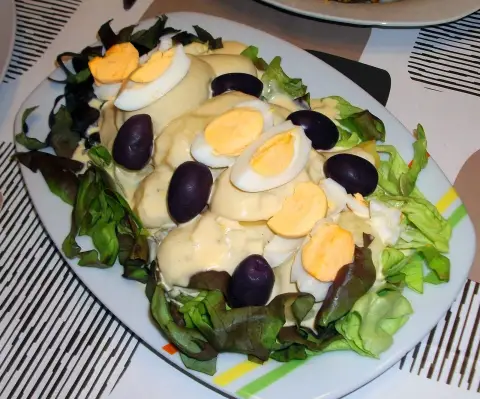
Adobo is a pork stew marinated in chicha vinegar and spices, and it is commonly eaten on weekend mornings with bread. Chupe de camarones is a thick soup of river shrimp, potato, corn, cheese, egg and milk, regarded as one of the region's great dishes. Ocopa is boiled potato covered in a green sauce of herbs, chilli and peanuts, and it works as a starter or a light meal. Soltero de queso, a salad of fresh cheese, broad beans, corn and onion, is another vegetarian-friendly choice.
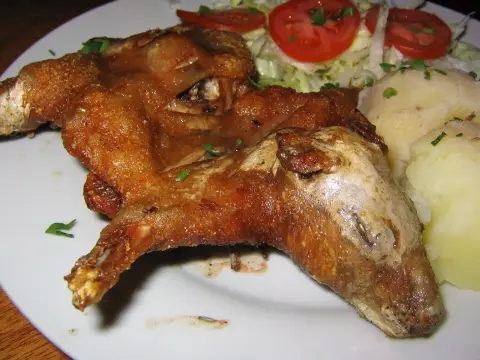
Cuy chactado, guinea pig flattened and fried until crisp, is a local speciality that appears in the campiña, the farmland around the city, as well as in town. Meat lovers may also see pastel de papas, potato gratin, and various chilli-based stews.
Tours and activities
Bookable online, chosen for their traveller reviews.
-
★ Top rated From €52 per person
-
★ Top rated From €23 per person
-
Day trip From €38 per person
-
★ Top rated From €85 per person
Sweets, drinks and altitude
Queso helado, which despite the name is a sweet frozen dessert flavoured with milk, sugar and cinnamon, is one of Arequipa's best-known sweets. Local fruit juices and herbal drinks are everywhere, and chicha is sold in some traditional places.
Arequipa sits at about 2,300 m, noticeably lower than Cusco, so appetite and digestion are usually less affected than in the high Andes. Even so, if you travel on to the Colca Canyon or Puno, which are much higher, take it easy with rich meals and alcohol the night before.
Wines and other alcohol are available, but a safer starting point for a first lunch is a fruit juice or a herbal tea. Chicha de guiñapo, a purple drink made from a special germinated maize, is one of the more unusual local specialities and is worth trying in small quantities.
The campiña and the countryside
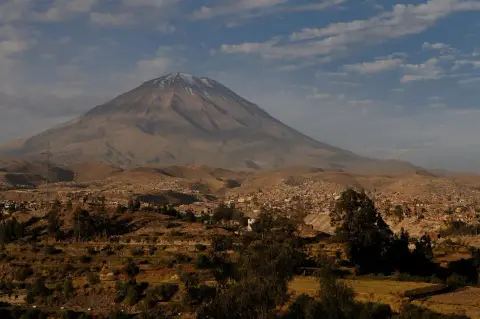
The farmland around Arequipa, the campiña, is where many of the dishes originate and where many picanterías sit. Irrigated terraces, built in the shadow of the volcano, grow the corn, potatoes, onions and chillies that feed the city. A lunch in the campiña, with a short ride from the centre, is a standard outing for locals on weekends.
Restaurants here are often open-air, with large kitchens, long communal tables and a relaxed pace that suits a long Sunday lunch. Cuy chactado, adobo and chupe de camarones are all regular dishes. They are also the places most likely to serve the local style of chicha.
Getting there is usually by taxi, since public transport to some of these places is less direct. Arrange the return ride in advance or ask the restaurant to call a taxi. Arrive before the lunchtime rush, and expect a leisurely meal.
Breakfast and street snacks
Breakfast in Arequipa can be a serious meal. Adobo with bread, tamales and a mug of hot drink are traditional on weekends, and cafés and bakeries serve fresh bread and pastries on any day. Market stalls offer juices, egg dishes and sandwiches that are cheap and quick.
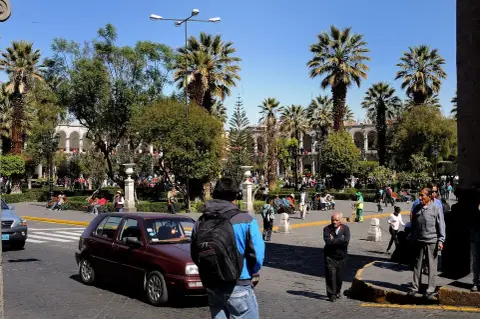
In the afternoon, stalls around the main square and in markets sell snacks such as fried cheese, choclo con queso and empanadas. Arequipa is also known for chocolate and for a variety of sweets that appear around celebrations.
For a quick, inexpensive lunch outside the picantería circuit, look for a menú in a small restaurant near the centre. It will be a simpler meal, but it gives a view of everyday cooking, and it often includes a regional soup or stew.
Planning your meals around sightseeing
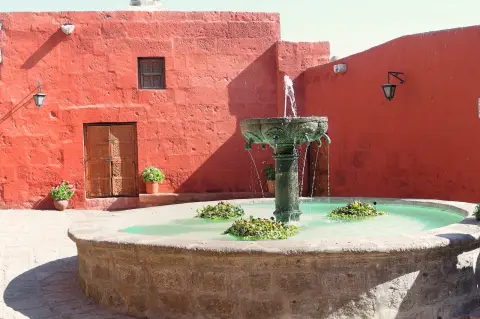
Arequipa's sights work well with its meals. A morning at the Santa Catalina monastery leaves you ready for a late-morning snack and an early lunch, while an afternoon walking around the centre suits a tea or a dessert. Evenings are cooler and quieter, with restaurants serving lighter meals.
If you are heading to the Colca Canyon, which starts early and involves high passes, treat the previous evening's meal as a pre-trek dinner: lighter, with plenty of water and no heavy alcohol. After the trip, many travellers return to town for a celebratory lunch.
For planning the wider trip, see Arequipa for what else to do; Cusco versus Arequipa helps if you are deciding how to split your time between the two cities.
Vegetarians and special diets
Arequipa is better than many Andean cities for vegetarians, because several local dishes are built on potatoes, cheese, corn and herbs. Ocopa, soltero de queso, papas with sauce and fresh juices are all easy choices. Chupe and adobo are not vegetarian, and the rocoto relleno is made with meat, though a meat-free version is occasionally available if asked in advance.
If you avoid chilli, say so clearly, since much of the cooking uses some, and ask for sauces on the side. Allergies to peanuts and dairy need attention, because both are common in Arequipa's sauces and dishes.
For useful phrases and explains how to ask about stock and sauces, which is the most common problem in the region, see vegetarian food.
Frequently asked questions
Is rocoto relleno very hot?
It can be, though cooks often blanch the pepper to reduce the heat. Ask whether it is mild, and eat it with the potato and cheese that come alongside.
What time do picanterías open?
Most open around midday and close in the late afternoon, so plan your main meal for lunch. Hours vary.
What is the best way to try several dishes?
Go with others and share, or ask for a sampler plate if the picantería offers one.
Is Arequipa better than Cusco for food?
It depends on what you want. Arequipa has a stronger single regional tradition, while Cusco has more choice for visitors. Many travellers enjoy both.
What is queso helado?
A frozen dessert made from milk, sugar and cinnamon, usually served in a small cup or cone. Despite the name, it does not contain cheese.
Is the food in Arequipa safe for visitors?
The usual rules apply: busy restaurants, hot food and bottled or treated water. Picanterías with a steady local crowd tend to be good bets.
Can I try cuy in Arequipa?
Yes, particularly cuy chactado, the crisp fried version. It often needs to be ordered in advance, so ask when you arrive. See the cuy for what to expect.