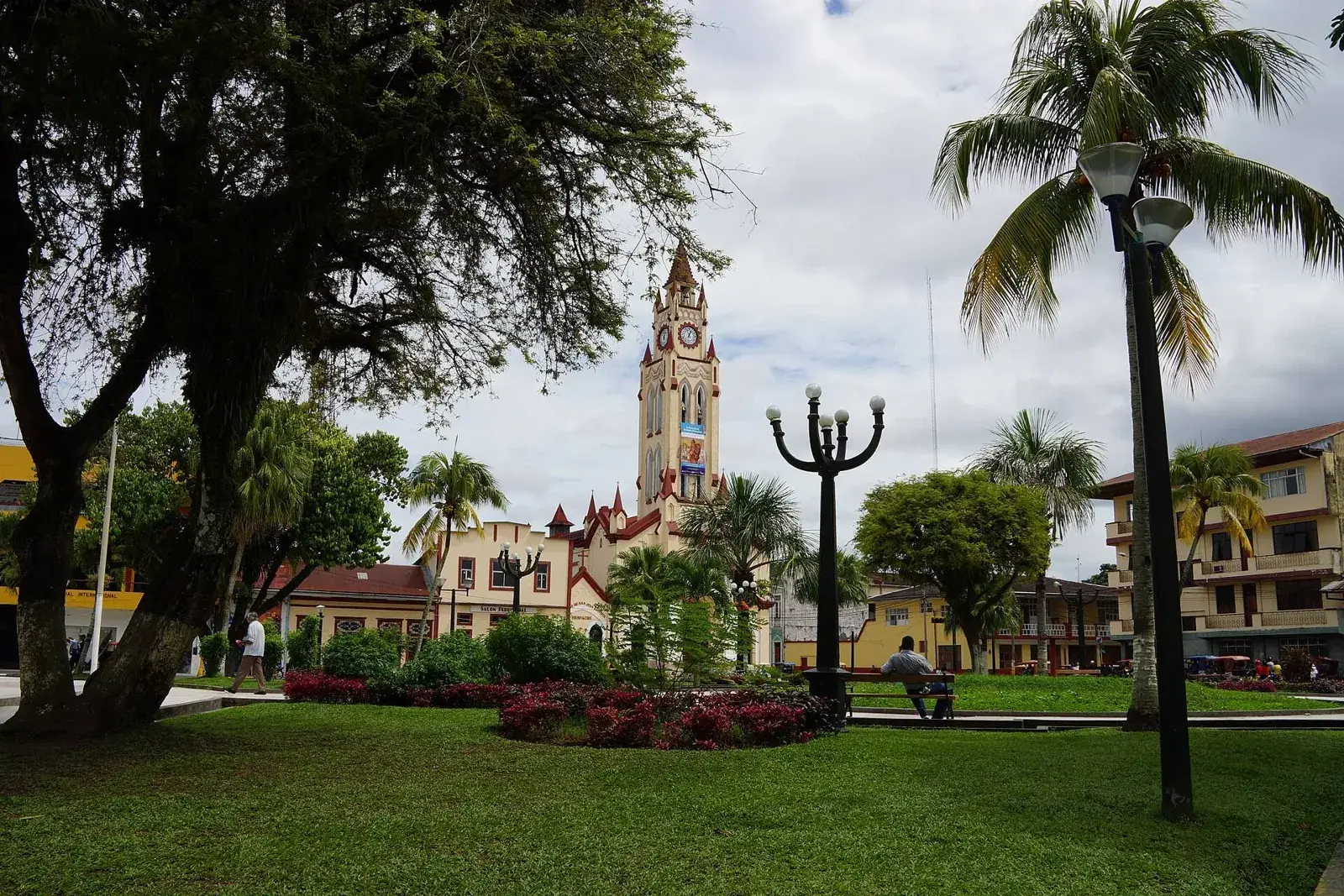
Iquitos is unusual: a city of several hundred thousand people that cannot be reached by road. You arrive by plane or by river boat. Spend one or two nights in the city, then spend most of your time on a jungle lodge or river cruise. Talk to a doctor or travel clinic well before you go, since the Amazon has health considerations that the Andes do not.
In this section
-
 Destination guide
Amazon Tours from Iquitos
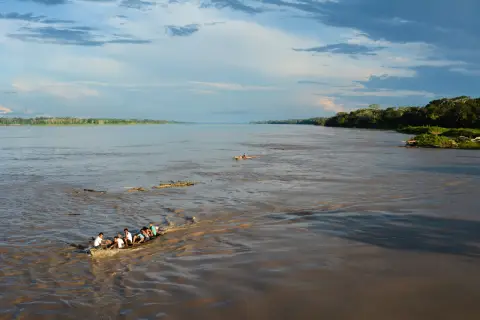
Iquitos is reachable only by air or river, and its tours range from half-day excursions to week-long river cruises.
-
 Destination guide
Where to Stay in Iquitos
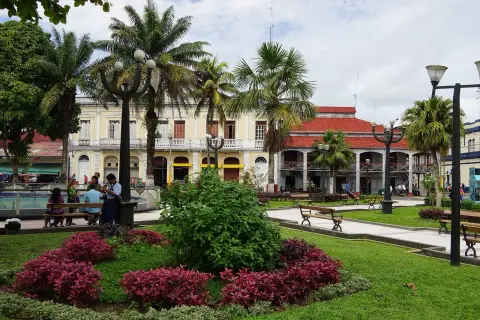
Iquitos is hot, humid and loud with motorbike traffic, so the area and the room's air-conditioning matter most.
-
 Attraction
Pacaya-Samiria Reserve
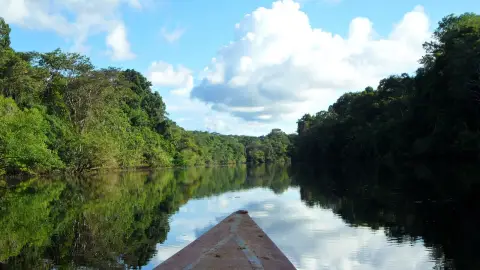
One of Peru's largest protected areas, a vast wetland forest of rivers and lagoons with pink dolphins, caimans and monkeys.
-
 Attraction
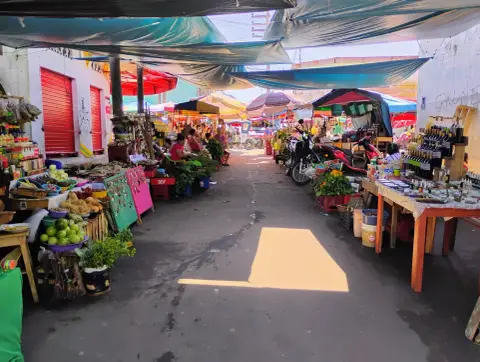
Belén Market
The sprawling riverside market and stilt-and-raft neighbourhood of Iquitos, vivid and useful to see, but crowded and best visited in the morning with a local guide.
-
 Attraction
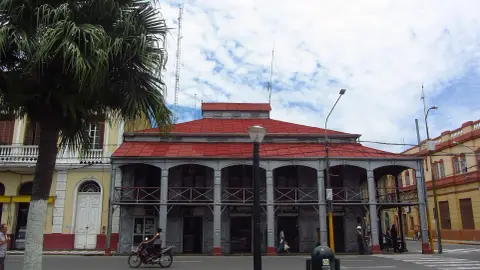
Plaza de Armas and Iron House
The central square of Iquitos and the prefabricated iron house on its edge, a rubber-boom landmark often credited, doubtfully, to Gustave Eiffel.
-
 Attraction
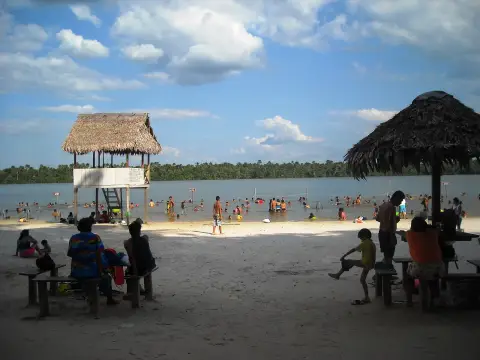
Quistococha Lake and Zoo
A lake and forest park south-west of Iquitos with a zoo, a sandy beach and short trails, easy to do in half a day.
-
 Attraction
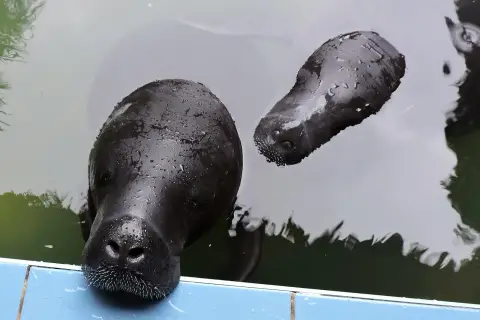
Amazon Manatee Rescue Center
A small rescue centre near Quistococha, south-east of Iquitos, that raises orphaned Amazonian manatees for release into the wild.
A city on the river
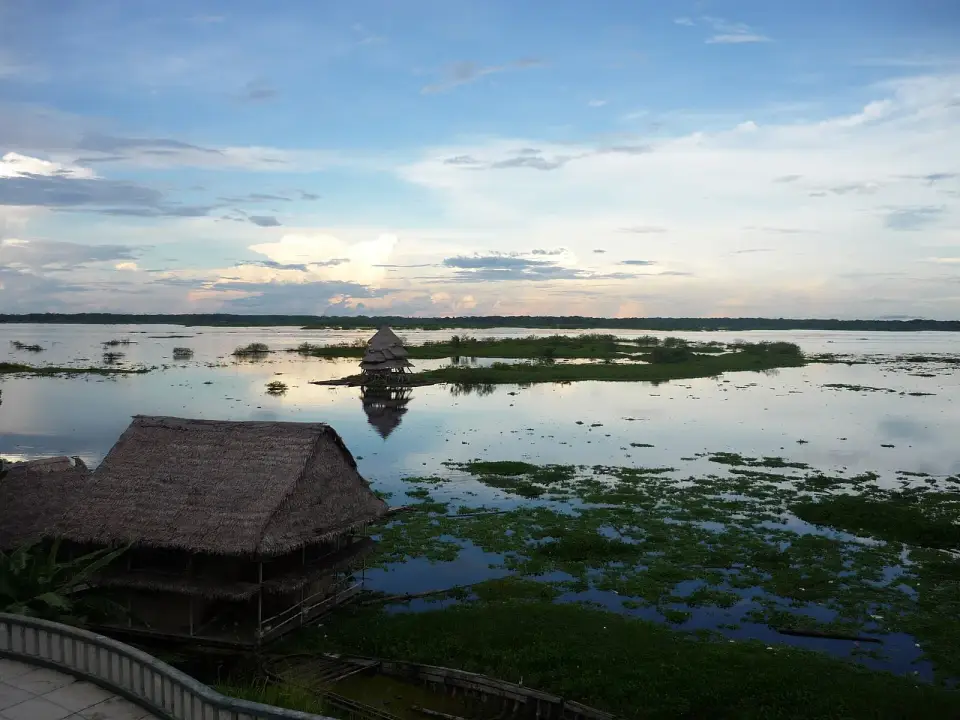
Iquitos grew during the rubber boom of the late nineteenth and early twentieth centuries, and a few grand tiled buildings from that time still stand on the riverfront. Today it is a hot, noisy city of motorbike taxis, markets and river traffic on the Amazon system. It does not feel like the Andean Peru of most itineraries, and that is part of the appeal.
The lack of roads shapes everything: goods and people come by water or air, prices for some items are higher, and the pace is slower. Treat the city as a staging post and a sample of jungle-town life. See getting from Lima to Iquitos for the usual routes, and why the flight is so much more common than the river journey.
What to see in town
Walk the riverside boulevard in the evening, when families and vendors gather. The market district of Belén is a dense mix of food stalls, fish, fruit and unfamiliar jungle products, and it is the most vivid place in the city, but it is crowded and requires care with your belongings, so go in daylight and consider a local guide. A small rescue centre for manatees and a butterfly farm are common half-day stops. Local dishes include fish cooked in leaves, and juices from jungle fruit.
See eating in the Amazon for the dishes to look for. Evenings are lively around the plaza, and motorbike taxis are the normal way to get around. Agree the fare before you set off, and keep valuables out of sight on the street.
Tours and activities
Bookable online, chosen for their traveller reviews.
-
From €54 per person
Lodges, cruises and the reserve
Most visitors leave the city for a lodge on a tributary or a multi-day river cruise. The Pacaya-Samiria National Reserve, a vast flooded forest, is the major protected area reached from here and is typically explored by boat with guides. Compare the length of the transfer, the style of accommodation, group size and the guide's qualifications, rather than the photographs. A well-run trip uses local guides and keeps wildlife viewing respectful.
See tours from Iquitos for the main formats, from short lodge stays to longer boat expeditions. Ask exactly what is included, how long the transfers take, and what happens if the weather or river levels change the plan. Expect to share a boat and simple facilities, and to move at the pace of the river.
Where to stay in the city
Most hotels are close to the central plaza and riverfront, within easy reach of restaurants and the boat docks. Air conditioning matters in the humid heat, as does reliable hot water and mosquito protection. Many tour operators collect guests from the hotel, so choose a place that is easy for a driver to find.
Because most people spend only a night or two in town, convenience is more important than luxury. Ask your hotel about storing luggage while you are away at a lodge, since most lodges ask you to bring only a small bag. See where to stay in Iquitos for the choices.
Iquitos or somewhere else in the Amazon
Iquitos suits travellers who want river life and a large wilderness area. Tambopata, near Puerto Maldonado, is a shorter flight from Cusco and has well-established lodges. Manu is remote and requires more time. The comparison of where to go in the Amazon explains which suits your time and budget.
If you are unsure the Amazon is worth the time at all, whether the Amazon is worth it is answered honestly. As a rule, travellers combining the jungle with Cusco and Machu Picchu choose Puerto Maldonado, while those who want the Amazon as the main event, or who are already in northern Peru, choose Iquitos.
When to go
The climate is hot and humid all year. The river rises in the wetter months, roughly from late year into early in the year, allowing boats to reach deeper into the forest, and falls in the drier months, exposing trails and beaches. Each season changes what you will see, so ask the operator what to expect on your dates.
Rain can arrive at any time, so a light waterproof is useful throughout the year. Travel plans in the Amazon are rarely rigid, and flights and boats can be delayed by weather, so avoid tight connections with an international flight. A buffer of a day or two is wise, and travel insurance should cover delays and medical evacuation.
Packing for the jungle
Light, long-sleeved clothing in quick-drying fabrics protects against insects and sun better than shorts and T-shirts. Pack a hat, strong insect repellent as advised by your doctor, a head torch, a dry bag for electronics and sturdy footwear that can get wet. Many lodges provide rubber boots, so ask before you buy.
Bring only what you can carry, as river transfers are by small boat and space is limited. Do not forget a copy of your passport and your insurance details, and check what the lodge provides in terms of drinking water and charging points. Health and vaccines is the place to begin when planning health precautions.
Map
Where to sleep
-
Find hotels
Iquitos centre
Plaza and riverfront for lodges, tours and restaurants
-
Find hotels
Amazon lodges
Jungle stays with meals, guides and excursions, reached by boat
Weather in Iquitos
Forecast: MET Norway
Frequently asked questions
How do I get to Iquitos?
By plane, typically from Lima, or by river boat from other Amazon ports, which takes days. There is no road connection.
Is Iquitos worth the trip?
If you want a river-city atmosphere and deep Amazon access, yes. If you only have a short trip, a lodge near Puerto Maldonado is simpler.
Do I need vaccinations?
Ask a doctor or travel clinic. Requirements and advice depend on your health and origin and can change.
How many days do I need in Iquitos?
Plan one or two nights in the city and two to four nights at a lodge or on the river. A shorter stay is possible but you will spend a large part of it in transit.
Is Iquitos safe?
Most visitors have no problems, but petty theft happens, especially in crowded markets. Use registered taxis or reliable motorbike drivers and take local advice, particularly on river trips.
What should I bring to the Amazon?
Light long-sleeved clothing, insect repellent as advised by a doctor, a waterproof layer and a head torch. A small bag is easier to carry on boat transfers, and most lodges give a packing list when you book.
Can I see pink river dolphins near Iquitos?
Sightings are possible on river trips, but wildlife is never guaranteed. Ask the operator what you are likely to see in your season, and treat any promises with caution.
Can I combine Iquitos with Machu Picchu?
Yes, but you would fly via Lima, since the two are far apart. Many people choose Puerto Maldonado for that reason, as it has direct flights from Cusco.