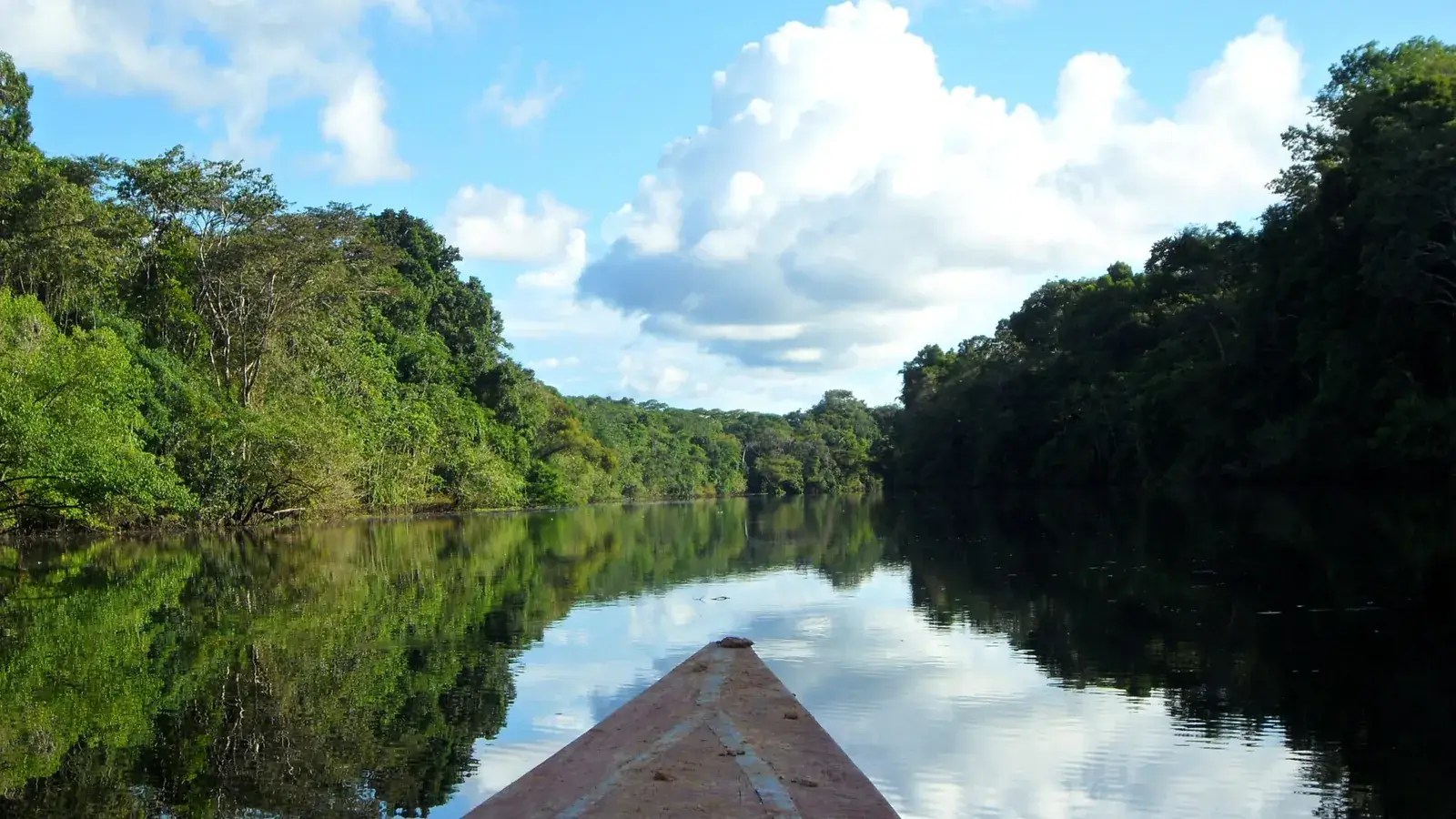
Pacaya-Samiria is a very large protected area of flooded forest and rivers in the Peruvian Amazon, reached by road and river from Iquitos. Trips run from a few days to a week or more and are usually done on a boat or at a lodge. Expect wildlife such as river dolphins, birds, monkeys and caimans, but also heat, insects and basic conditions. Choose a reputable operator and take health precautions seriously.
Map
What kind of place it is
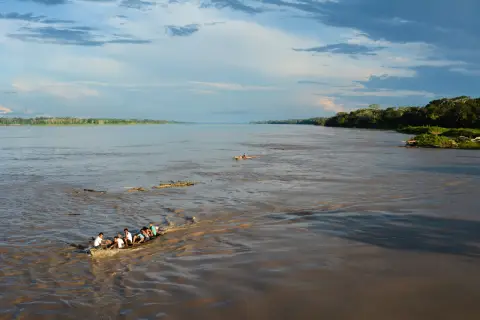
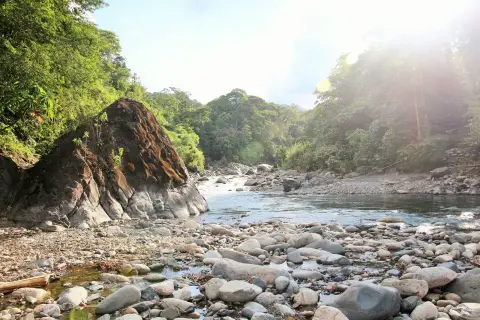
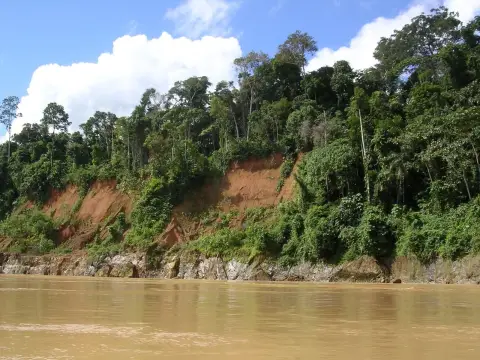
The reserve protects a large area of lowland rainforest between the Marañón and Ucayali rivers, which join to form the Amazon. Much of the forest is seasonally flooded, so the landscape changes depending on the time of year. In high-water months, boats can move among the trees, and in low-water months, the water retreats to channels and lagoons and more land opens up for walking.
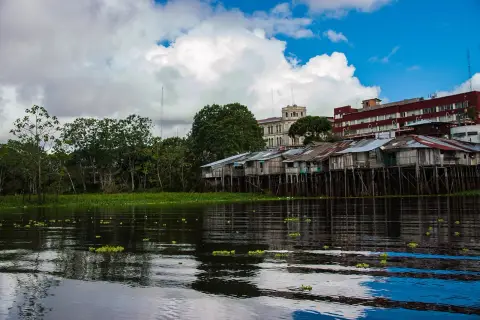
This is an area of rivers, lakes and swamp rather than a place with big viewpoints, and exploring is mostly by small boat or canoe. Communities live in and around the reserve, and many tourism projects are managed with local participation, which is a good reason to choose operators who work with them.
Wildlife and seasons
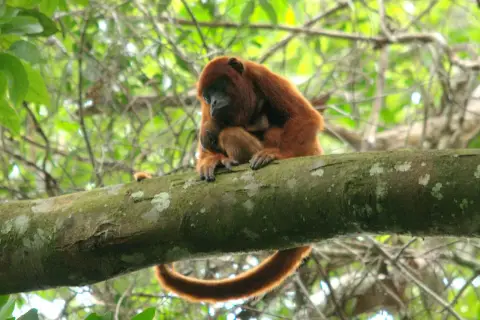
Visitors may see pink and grey river dolphins, giant river otters in some areas, manatees if lucky, many bird species, caimans, sloths and several species of monkey. Fishing for piranha is a typical activity on some trips. As in any rainforest, animals are often heard before they are seen, and sightings are never guaranteed.
Seasonal differences matter. High water, roughly from the wetter months, allows boats to get deeper into the forest, while low water concentrates wildlife along rivers and lagoons and makes some routes shorter. Exact months vary from year to year, so ask your operator what to expect for your dates rather than relying on general rules.
Temperatures are hot and humid all year, rain can fall at any time, and mosquitoes are present. Bring light long-sleeved clothing, repellent, rain gear, a head torch and a dry bag for electronics.
Tours and activities
Bookable online, chosen for their traveller reviews.
-
From €54 per person
Choosing a trip
Formats range from short river cruises and lodge stays close to Iquitos to multi-day expeditions into the reserve with camping and community stays. The reserve itself needs a permit and is generally entered with a registered operator and guide.
Ask clear questions before booking: how many days are spent inside the reserve and how many on travel, what the accommodation is, whether meals and water are included, who the guides are and how the operator supports local communities. Be cautious about low prices and about activities that disturb wildlife, such as handling animals.
Iquitos is only reachable by air or river, so allow for transport time, and weather and river levels can change plans. Entrance fees and permit rules for protected areas change, so ask the operator to confirm what is covered. See Iquitos tours for the usual formats.
A day in the reserve
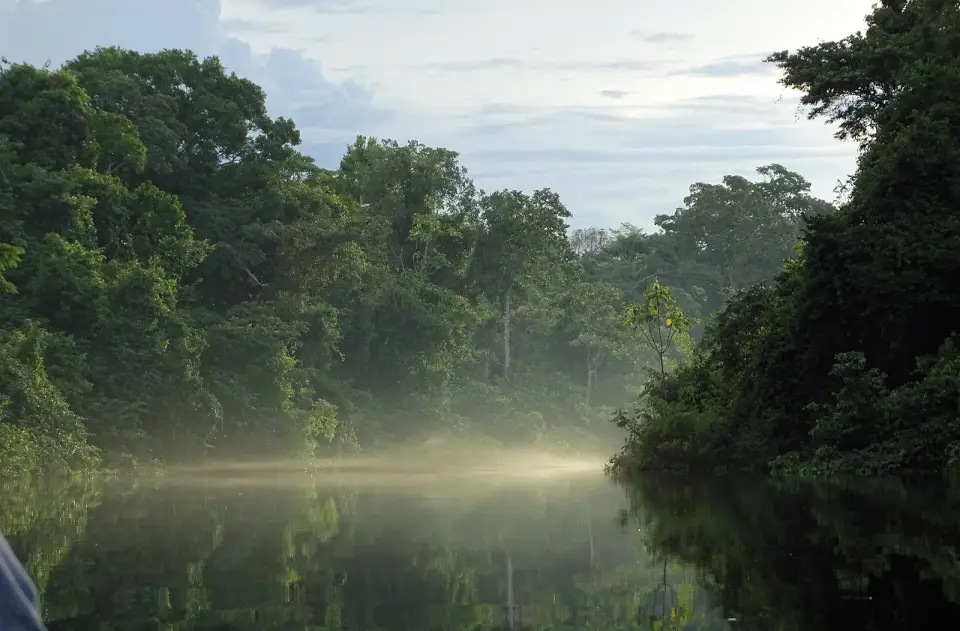
A typical day follows the rhythm of the river. Early mornings are the best time for wildlife, when birds are active and the air is cooler, so trips often start before breakfast in a small boat or canoe. Mid-morning may bring a walk if the water level allows, followed by a heavy, hot middle of the day with a long lunch and a rest.
Late afternoon is another good time for wildlife, and some trips include a night outing by boat to look for caimans with a torch, an activity that should be done only with a competent guide. Evenings are spent at a lodge or a campsite, with simple meals and the sound of frogs and insects.
Conditions vary with the format. Lodges and river boats offer a bed, mosquito netting and a shared bathroom, while camping trips are more basic. Meals are generally based on rice, fish and local produce. See food in the Amazon to understand what to expect. Always drink treated or bottled water, as explained in water and food safety.
Health, insects and what to pack
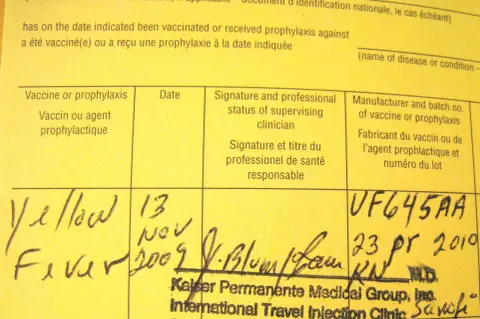
The Amazon is hot, humid and insect-rich. Mosquitoes carry diseases in this region, and a doctor or travel clinic should advise you on vaccines and malaria precautions well before your trip. See health and vaccines for general information, and it is no substitute for medical advice for your own situation.
Pack light, quick-drying long sleeves and trousers, a hat, insect repellent that you have checked with a doctor or pharmacist, a rain jacket, sturdy sandals or boots, a head torch and a dry bag for electronics. Keep medicines in waterproof containers and carry a basic first-aid kit.
Travel insurance that covers medical evacuation is worth arranging before you go, since help is far away and transport is by boat or small plane. Tell someone your plans, and follow your guide's instructions about swimming, wildlife and moving around at night. If anyone in your group has a health condition, ask the operator how they would manage a medical emergency.
Is Pacaya-Samiria the right Amazon trip?
Peru has several Amazon destinations, and the best choice depends on what you want. Pacaya-Samiria is about flooded forest, rivers and river life, with a slow pace and a strong sense of space. Other regions offer different strengths, such as clay licks and large-mammal chances in the south.
Where to see the Amazon sets the main options side by side, and whether the Amazon is worth it depends on whether a long trip into the jungle fits your schedule. For a full route that combines the jungle with other regions, see the Amazon itinerary.
Getting to Iquitos takes time. See Lima to Iquitos for the flights. Plan a buffer for delays, and consider where to stay in Iquitos if you want comfort before or after your trip. The more flexibility you allow, the better the experience will be.
Where to sleep
-
Find hotels
Iquitos centre
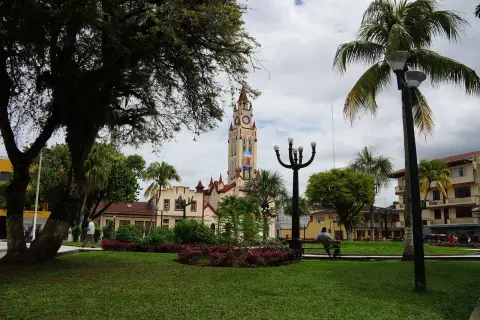
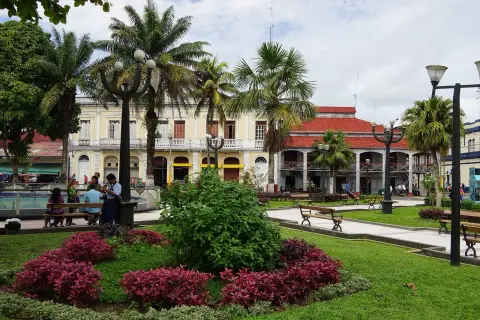
Plaza and riverfront for lodges, tours and restaurants
-
Find hotels
Amazon lodges
Jungle stays with meals, guides and excursions, reached by boat
Frequently asked questions
How long should I spend in Pacaya-Samiria?
Trips range from a few days to more than a week. Three to four days gives a good taste, and longer trips go deeper.
Do I need malaria tablets?
Ask a doctor or travel clinic before travelling. Advice depends on your health and itinerary, and mosquito protection is important in any case.
Can I visit independently?
Visits are normally arranged through registered operators and guides.
When is the best time to visit Pacaya-Samiria?
It depends on what you want. High water gives access deep into the forest by boat, while low water concentrates wildlife along channels and opens more walking. Ask your operator for what to expect on your dates.
Will I see pink dolphins?
Often, because river dolphins are common on the main channels, but sightings are never guaranteed. Mornings and calm water give the best chances. Keep your hands out of the water and follow your guide.
Can I swim in the reserve?
Operators sometimes offer swimming at certain spots, but it carries risks, including currents and wildlife. Swim only where your guide says it is safe, and never alone.
Is Pacaya-Samiria suitable for children?
It can be, with a family-friendly lodge and a short trip, but the heat, insects and distance from medical help matter. Ask a doctor about health precautions for the Amazon and read health.
How do I get to Iquitos?
Iquitos has no road connection to the rest of Peru, so people arrive by air or by river. For the flights, see Lima to Iquitos, and for the town, Iquitos.