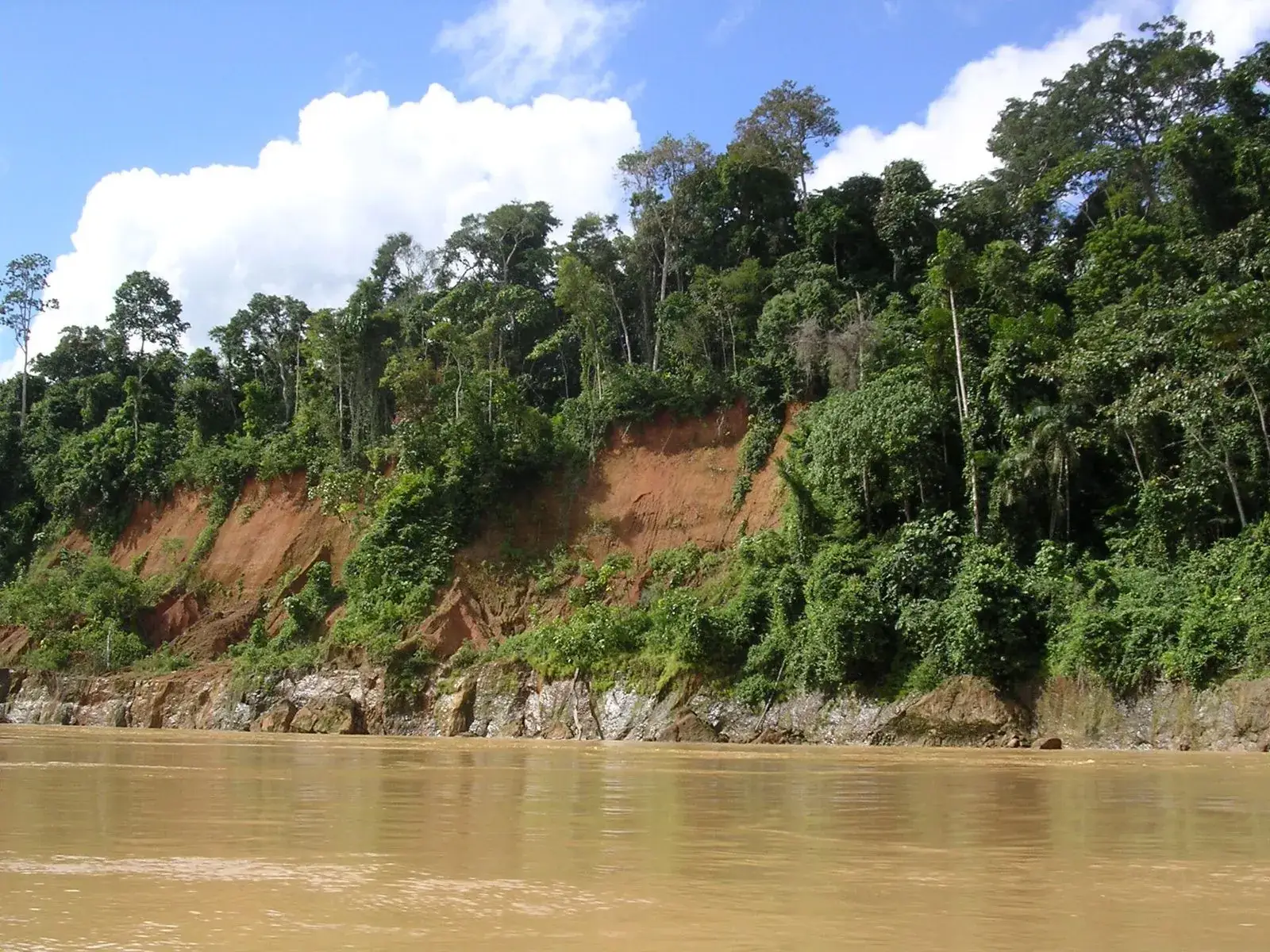
The simplest way to combine Machu Picchu and the Amazon is Lima, Cusco and the Sacred Valley, then a flight from Cusco to Puerto Maldonado for a three-night stay at a lodge in the Tambopata area. Iquitos is the alternative if you prefer a river-based experience, but it is reached only by air or boat.
Plan the Amazon after the mountains, so the trip ends low, warm and easy.
Choosing the Amazon gateway
Peru has several entry points to the rainforest, and the choice shapes the whole trip. Puerto Maldonado, in the south-east, is the practical link with the Cusco region: a short flight from Cusco and a river transfer to lodges in the Tambopata area. Iquitos, in the north, is a city that can be reached only by air or river, and trips there centre on boats and the Pacaya-Samiria reserve. The Manu area is more remote and demands more time.
For a first visit combined with Machu Picchu, Puerto Maldonado is the sensible choice. It needs the least transfer time and fits a trip of ten to twelve days. Iquitos suits a longer route or a trip on its own. Where to go in the Amazon sets the three side by side, and whether the Amazon is worth it is the place to start if you are still unsure.
Booking order and what a lodge package includes
Book the Machu Picchu entry and train first, then the flights, then the lodge. The lodge comes late in the order because it is the easiest piece to fit around the others, but it should not be left to the last week in the dry season, when the better ones fill.
Read what a package includes before paying. Most lodges in the Tambopata area quote nights that include the boat transfer from Puerto Maldonado, meals and guided activities, and the quote may start from a meeting point in town rather than the airport. Lodges near Puerto Maldonado explains the differences between simple and comfortable lodges, and what to ask before you commit. Treat any quote that excludes guides or boats as incomplete.
Days 1 to 2: Lima
Arrive and rest. Day two can be used for the city, or you can fly to Cusco early and use Lima only as a transit point. The Amazon part of the route adds a lot of flying, so the time saved by skipping Lima is real.
If you do stay, spend the day on one neighbourhood and one meal; the long road to the airport and the early flight the next morning leave little energy for anything more. The Lima helps you choose between the clifftop district and the historic centre if you have only a single day.
Days 3 to 7: Cusco region and Machu Picchu
Fly to Cusco and go straight to the Sacred Valley for two nights. Take the train to Aguas Calientes, visit Machu Picchu the next morning and return in the evening. Use the last day of this part for Cusco, with a gentle walk, and keep the baggage light for the flight to the lowlands.
This is the high part of the trip. Do it first, because climbing back from the jungle to Cusco after hot, humid days is no more comfortable than the other way round. To pick a base, see the Sacred Valley, and how many days Machu Picchu needs explains the choice between a day trip and a night in Aguas Calientes. Leave any large bag at the Cusco hotel, since the lodge asks for a small one.
Days 8 to 11: the lodge
Fly to Puerto Maldonado, where a lodge representative usually meets you for the boat ride. A typical three-night stay includes a dawn trip to a clay lick where parrots and macaws gather, a walk through primary forest, a night walk with a guide, and a trip on an oxbow lake for caimans and birds. The days start early because the animals are most active at dawn, and the heat builds by midday.
Pack for humidity: light long sleeves, insect repellent, a rain jacket and quick-drying clothes. The weather is wet for much of the year, so a flexible attitude is more useful than a fixed list of animals. Tambopata explains the reserve and what the guides can realistically show, and health and vaccines gives general information to discuss with a doctor.
Day 12: return
Take the morning boat and flight back through Cusco or Lima. Because the flights from Puerto Maldonado are limited, allow a buffer day before an international departure rather than booking the same evening. If you are travelling in the rainy season, delays are possible.
If a delay leaves you in Puerto Maldonado for an extra night, ask the lodge or a hotel in town for help with rebooking before calling the airline; they know which seats move fastest. Keep receipts for insurance. For the flight options, see how to reach Puerto Maldonado.
Who this route suits, and the Iquitos alternative
This route suits people who want Machu Picchu and a taste of the rainforest in under two weeks. It works for couples, families with older children and solo travellers who are content with early mornings. It is a poor fit for those who dislike heat, insects or small boats.
If you have more time and want a longer jungle stay, the north offers Iquitos, where trips go by river to the Pacaya-Samiria reserve. That is a different trip, with more boat time and fewer fixed schedules. For a three-week plan that includes the lodge as its final stage, see the 21-day route.
Frequently asked questions
How many nights should I spend in the Amazon?
Three is a good length. Two is the minimum, and the effort of getting there makes a single night poor value.
Is Iquitos a good alternative?
It is a different trip: a jungle city with river-based tours. It makes more sense as a separate trip than as an add-on to Cusco.
When is the best time for the Amazon?
The drier months are generally easier, but the rainforest can be visited all year.
Do I need malaria tablets or vaccinations?
That depends on the area, your health and the season, so it is a question for a doctor or travel clinic. Ask several weeks before departure, because some vaccines need time.
What should I pack for a lodge stay?
Light long sleeves, insect repellent, a rain jacket, a small torch and quick-drying clothes. A dry bag protects a phone or camera from boat spray.
Is the jungle suitable for children?
Many lodges accept children, but boat rides, heat and early starts suit some ages better than others. Ask the lodge about age limits and about their health advice.
Can I see wildlife for certain?
No. Birds and monkeys are common, but larger animals are not guaranteed. A good guide improves the odds, and a clay lick at dawn is the most reliable single sight.