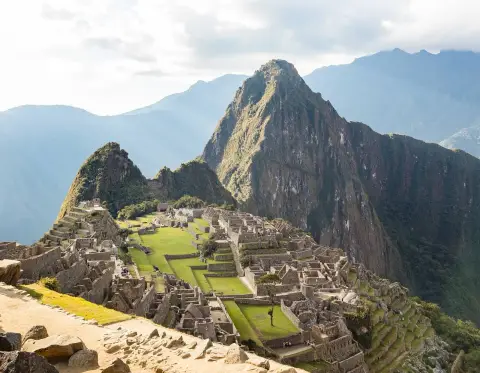
Allow two days for Machu Picchu itself: travel and an overnight stay in Aguas Calientes, then an early entry to the ruins. A day trip from Cusco is possible but rushed. Three or four days make sense if you add a climb, a trek or the Sacred Valley.
Count the whole trip, not just the visit, and give yourself one spare day for weather or delays.
The one-day option
A single day works if you leave very early by train and return the same evening. You will have a few hours at the site, depending on your entry window, and a good deal of travel time on either side. It suits people with a fixed schedule or a tight budget, and it is physically tiring, especially when added to the altitude of Cusco. Do not plan any other activity for that day or the next morning.
The risk is that any delay on the train, bus or in the queue eats into your actual time among the ruins. A typical day starts before dawn in Cusco or the valley and ends late at night, and the hours on site are a small share of it. If you choose this plan, buy the ticket first, pick the earliest comfortable window and keep the return train flexible if the fare allows.
The two-day plan
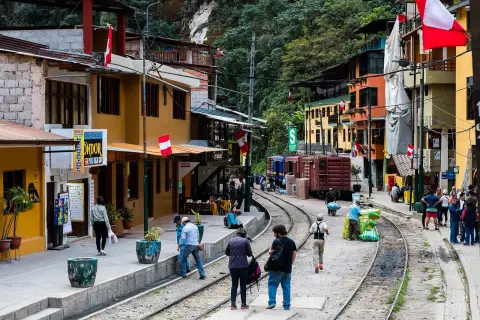
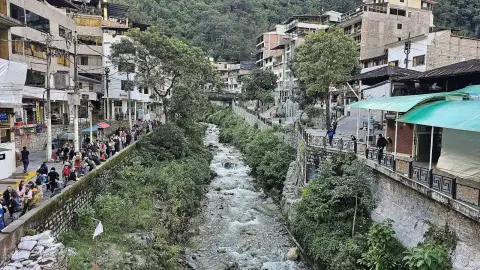
The version most guidebooks recommend is a night in Aguas Calientes. You travel in the afternoon, rest, and enter the ruins the next morning when the light is soft and the early tours are only just arriving. After the visit you can eat in town, walk to the hot springs that gave the town its name, and take a late train back.
This plan costs one more night, but it makes everything less stressful and gives you flexibility if clouds hide the ruins for an hour or two. It also lets you collect your bus ticket and find the stop the evening before, and it means you are not dependent on a train that must arrive early enough to catch your window. Where to stay compares the towns, and Aguas Calientes describes what the town offers in the evening.
Tours and activities
Bookable online, chosen for their traveller reviews.
-
★ Top rated From €49 per person
Machu Picchu
Machu Picchu Entry Ticket for Circuit 1, 2 or 3
-
★ Top rated From €23 per person
-
From €178 per person
Machu Picchu
Private Machu Picchu Tour with Guide, Entry and Bus
-
★ Top rated From €22 per person
Three or four days
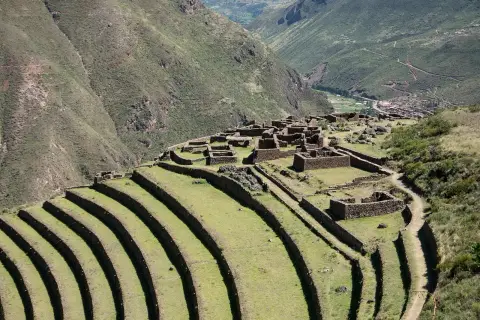
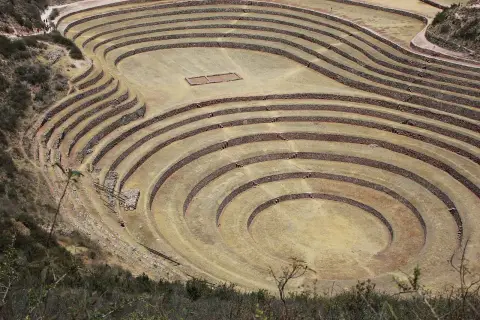
A third day lets you add a second visit, a climb of one of the two mountains, or the Sacred Valley on the way. The sites around Ollantaytambo, Pisac, Moray and the salt pans of Maras pair naturally with the approach to the train. A fourth day makes room for the Cusco sights and for slow acclimatisation if you are arriving from sea level.
If you are walking in over several days on the Inca Trail or another trek, the visit is the end of a longer journey and needs no separate day, although many people still add a rest day in Aguas Calientes. The wider valley is covered in the Sacred Valley, which shows how to fit it around the train.
Adding a climb
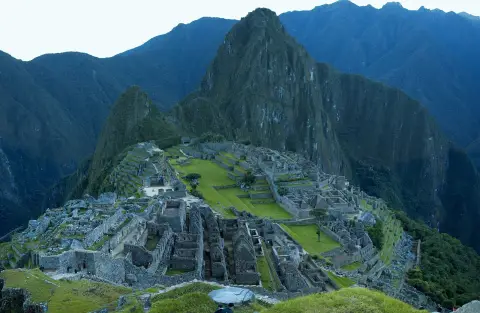
A climb of Huayna Picchu or Machu Picchu Mountain changes the shape of the day. Each has its own entry time and a long, steep route, and you then still have the main circuit to enjoy. Two days is the sensible minimum for any plan with a climb, because the effort and the timing make a day trip difficult.
Decide on the climb before booking, since the add-on quota sells out sooner than general entry. Huayna Picchu and Machu Picchu Mountain explain the effort involved, and the planner helps you compare them with the standard visit.
Fit and well-acclimatised walkers can combine both a climb and the main circuit comfortably, but beginners may prefer to choose one or the other.
Fitting it into a wider trip
Machu Picchu is a fraction of a Peru trip, and it competes with Lima, the Sacred Valley, Cusco and often Lake Titicaca or Arequipa. A common pattern is to arrive in Cusco, move down to the valley for acclimatisation, visit Machu Picchu in the middle of the stay, and spend the last days in Cusco itself. Flying out of Cusco directly after the visit is possible but risky.
If you are choosing between itineraries, a week in Peru shows where the visit sits in a compact plan, and how many days to spend in Peru covers the bigger decision.
Whatever the shape of your journey, protect the day before and the day after the visit from other commitments.
How to decide
Ask three questions. How much time do you have in the region in total? How comfortable are you with early starts and with altitude? And do you want a quick look or time to sit and watch the light change? If the answers are "not much", "not very" and "a quick look", take the one-day plan and accept the pace. If any answer leans the other way, take two days or more.
Another useful test is to count the hours of travel against the hours at the site. When travel is more than four times the time on site, consider adding a night.
Add the answers together, then pick the plan that suits your hardest limit, whether that is time, money or stamina.
Weather, fitness and flexibility
The number of days you need also depends on how much risk you can absorb. In the rainy season, with cloud and the chance of a disrupted railway, an extra day is cheap insurance. In the dry season the risk is lower, but the best windows are booked long in advance, so flexibility is rare once you have bought the ticket.
Fitness matters too. If you plan to climb and then walk the whole circuit, the day will be tiring, and a rest evening afterwards is welcome. Visitors with young children or older relatives often do better with a slower pace and a shorter list, rather than trying to squeeze everything into one long morning. Visiting with children and the best time to go give more detail on both points.
Where to sleep
-
Find hotels
Aguas Calientes
Sleep at the foot of Machu Picchu for an early entry
-
Find hotels
Ollantaytambo
Early trains to Machu Picchu and a walkable old town
-
Find hotels
Plaza de Armas and historic centre
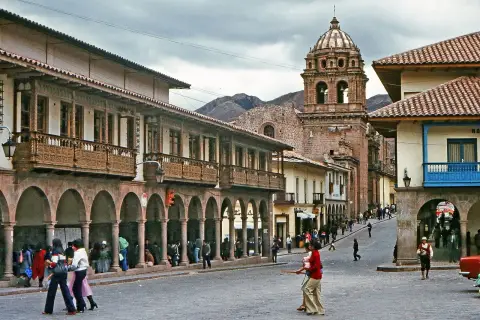
Everything on foot, at the price of noise and crowds
-
Find hotels
San Blas
Artisans' quarter with steep lanes and views, a short walk uphill
-
Find hotels
All of Cusco
Compare every area and price level in one search
Frequently asked questions
Is one day at Machu Picchu enough?
It is enough to see the main sectors, but it is a long day with limited time on site, so two days is more relaxed.
Do I need a night in Aguas Calientes?
It is not compulsory, but it removes the pressure of an early train and gives you a better entry slot.
How long do people spend inside the ruins?
A typical visit lasts a few hours, shaped by your circuit and entry window. The rules limit how long you can stay.
How many days from Cusco in total?
Count two full days for the classic visit with an overnight, or three to four days if you add the Sacred Valley or a climb. A trek takes four to five days including transfers.
Can I visit Machu Picchu on the day I land in Cusco?
It is physically possible, but a poor plan. You would arrive tired and at altitude, and any flight delay could cost you the ticket.
How long should I stay in Cusco before Machu Picchu?
Many travellers prefer a night or two in the Sacred Valley first, because it is lower than Cusco. A day at Cusco's altitude before any climb also helps.
Does a spare day really matter?
Yes. Landslides, strikes and cancelled trains occasionally leave visitors stranded, and a spare day turns a crisis into an inconvenience.