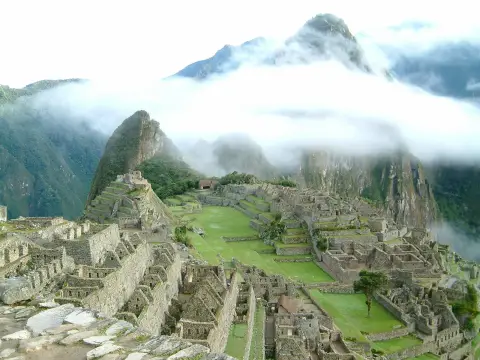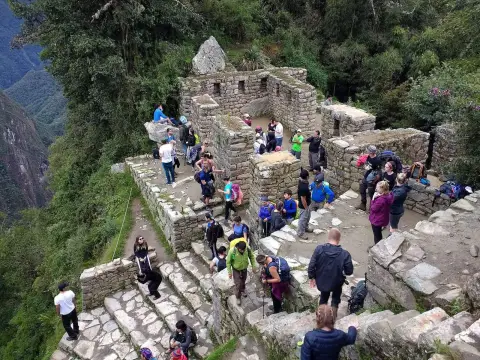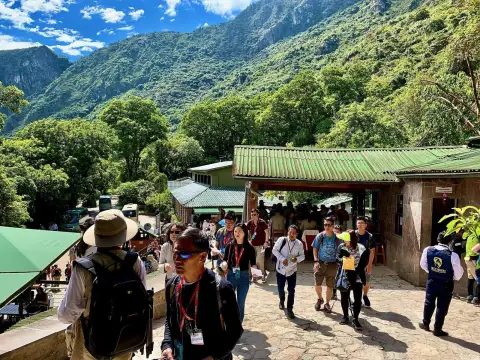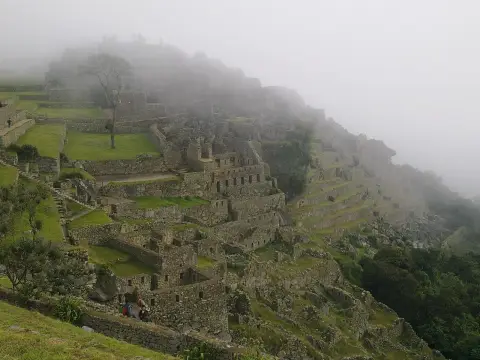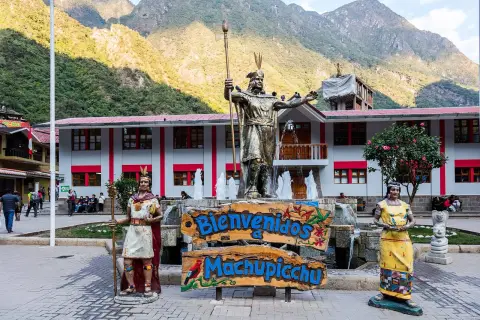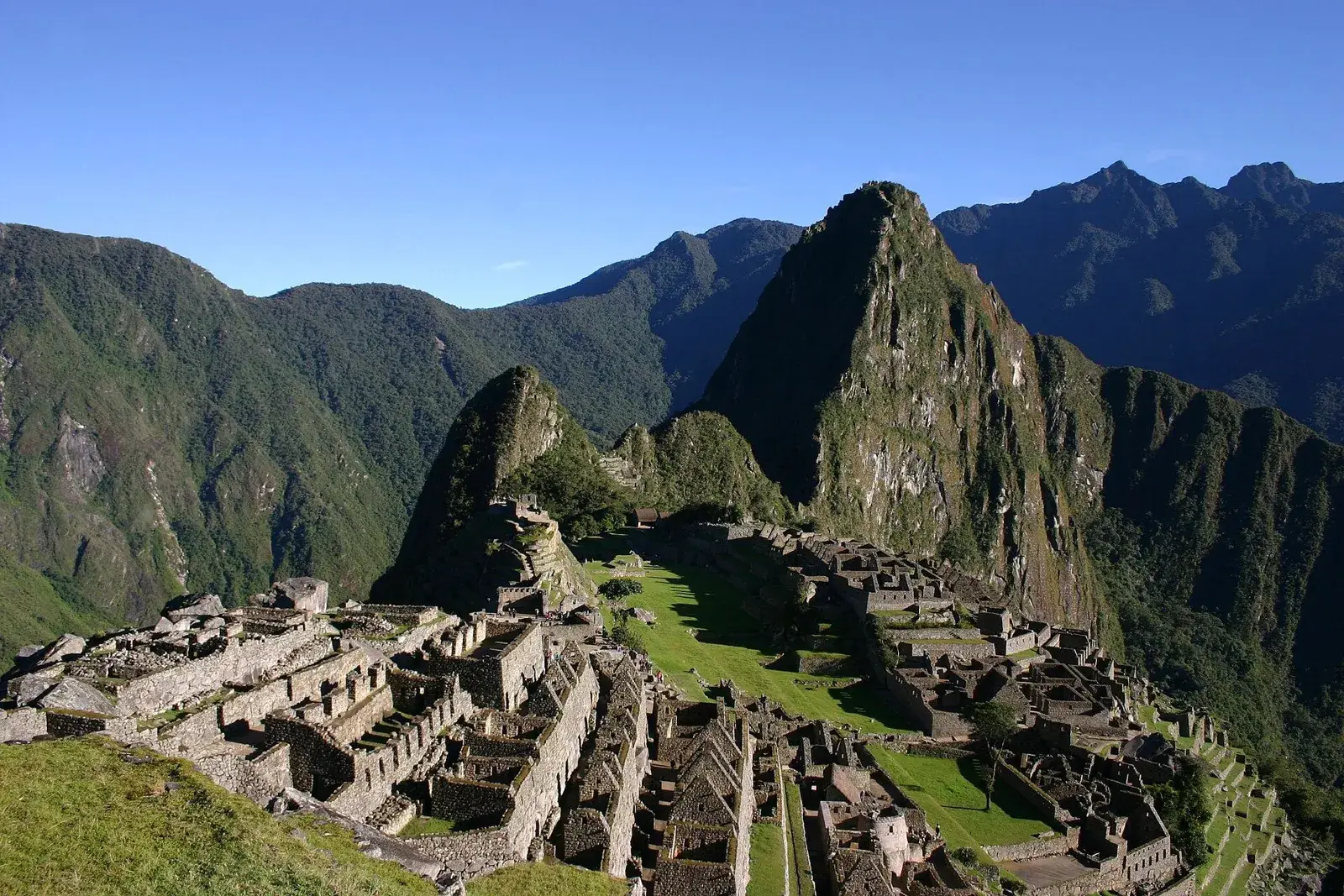
The dry season, roughly May to September, offers the clearest skies and the most reliable trains, and it is also the busiest and most expensive time. The wet season, roughly November to March, is greener and quieter but cloudier and more prone to disruption. April and October often strike a good balance.
Pick the season by what you value most, and book early if you choose the dry months.
The dry season, roughly May to September
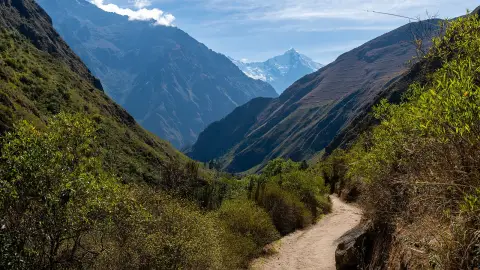
Days are mostly sunny, nights are cold at altitude, and the chance of seeing the citadel with clear sky behind it is at its highest. Trekking conditions are best, and trails are drier. The cost is crowds: entry tickets, trains and hotels sell out early, and prices peak, especially around the June and July holidays. Mornings in Aguas Calientes can still be misty, even in the dry months, so a clear forecast is never a guarantee.
If you want the Inca Trail or one of the climbs, this is the season to plan for months ahead. A longer account of what to expect is given in the dry season in Peru, which also covers the effect on other regions such as Cusco and Lake Titicaca. The cold nights are worth planning for if you are camping on a trek.
The wet season, roughly November to March
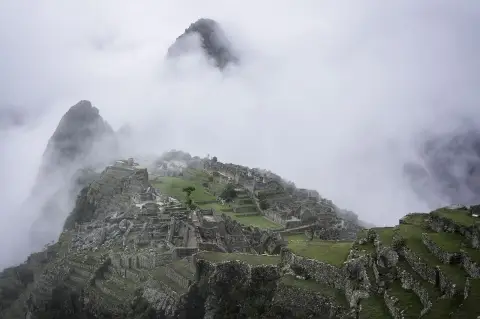
Rain falls most afternoons, and low cloud can hide the ruins for hours. The compensation is a lush landscape, waterfalls beside the railway, orchids and a markedly smaller crowd. Ticket availability is easier and accommodation cheaper. The main risks are landslides that interrupt the road or railway, slippery paths and the closure of some trekking routes. The Inca Trail has historically closed for maintenance in the wettest month.
See rainy season to understand how the wet months play out elsewhere in the country. In the high Andes, the rain often falls in the afternoon and evening, leaving the mornings clearer than visitors expect, which is a good reason to choose an early entry window.
Tours and activities
Bookable online, chosen for their traveller reviews.
-
★ Top rated From €49 per person
Machu Picchu
Machu Picchu Entry Ticket for Circuit 1, 2 or 3
-
★ Top rated From €23 per person
-
From €178 per person
Machu Picchu
Private Machu Picchu Tour with Guide, Entry and Bus
-
★ Top rated From €22 per person
The shoulder months
April brings the end of the rains, with green hillsides and falling crowds; October brings the start of the wetter period, with warmer days and fewer visitors than the peak. These months can give the best compromise between views, prices and availability. Early in the shoulder periods the weather is less predictable, so you gain on price and lose a little on certainty.
The late shoulder, around the beginning of May, tends to combine green slopes with clearer days, which many photographers like. Likewise, late September and early October have lighter crowds than the peak, though weather can turn at short notice. If your dates are flexible, the shoulder months deserve serious consideration, particularly for a first visit where the circuit and the climb matter more than a perfect sky.
Holidays, festivals and busy weeks
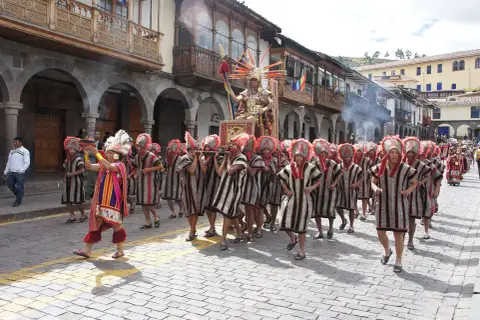
Peruvian national holidays and the long weekends around them fill trains and hotels, and so do the major festivals around Cusco, particularly in June. Late July, when the national holidays fall, is one of the busiest periods of the year, with Peruvian families travelling as well as foreign visitors. See festivals and holidays for dates that can affect your plan.
Easter week and the Christmas and New Year period also bring heavier demand. If you must travel at those times, book earlier than the rest of the calendar suggests. If you can avoid the busiest weeks, a mid-week visit in a shoulder month is a very different experience from a Saturday in July.
Also remember that a long holiday weekend raises demand for trains in both directions, which can leave no seats for a late return.
Time of day matters as much as month
Early morning often has soft light and mist rising from the valley, and the first entry windows are cooler. Midday is hot and crowded. Late afternoon, when the day groups leave, is quiet and golden if your ticket allows it. If you have flexibility, choose a weekday over a weekend and avoid national holidays and festivals, when Peruvian families also travel.
If you can only travel in a particular month, do not cancel because of the forecast. The site is rewarding in all seasons, and the fog itself can be part of the atmosphere. To adapt to each situation, see crowds and weather.
The plan that works best in any season is simple: pick the earliest window you can manage, carry a layer and a poncho, and keep a little flexibility for the day.
Choosing for your priorities
If your top priority is clear views and a trek, take the dry season and book early. If you want fewer people and lower prices, take the wetter months and accept the risks. If you value both, take a shoulder month and choose the earliest entry window you can manage. Photographers often prefer the green season, when the cloud and the drama add atmosphere, while walkers prefer the dry months for the trails.
Budget also plays a part. Prices for rooms and some packages are highest in the peak and lowest in the rainy months. See cost for the main elements. For the national picture beyond Machu Picchu, when to go to Peru compares the regions.
Trekking and the climbs by season
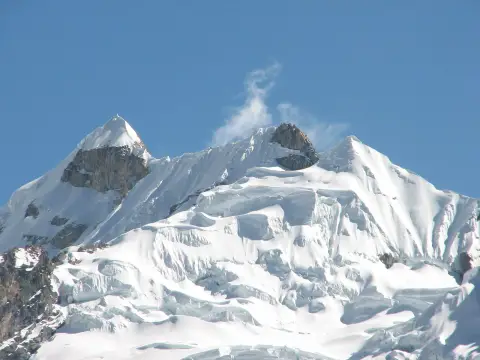
The season matters even more if you plan to walk in. The Inca Trail needs a permit that sells out months ahead for the dry season, and its dates are fixed by the authorities. Other treks such as Salkantay and Lares are less restricted, but their high passes can be cold, snowy or muddy in the wet months. The two mountain climbs next to the ruins are open most of the year, but their quotas fill fastest between May and September.
If your heart is set on a trek, treat the season as the first constraint and the date as the second. For how the climbs behave in different conditions, see Machu Picchu Mountain and Huayna Picchu. In the rainy months, expect closed sections, wet steps and clouded summits, and be ready to change plans on the day.
Where to sleep
-
Find hotels
Aguas Calientes
Sleep at the foot of Machu Picchu for an early entry
-
Find hotels
Ollantaytambo
Early trains to Machu Picchu and a walkable old town
-
Find hotels
Plaza de Armas and historic centre
Everything on foot, at the price of noise and crowds
-
Find hotels
San Blas
Artisans' quarter with steep lanes and views, a short walk uphill
-
Find hotels
All of Cusco
Compare every area and price level in one search
Frequently asked questions
What is the cheapest month to visit?
Typically in the wetter months, outside holidays, when demand and prices fall.
Is the rainy season too wet to go?
No, but expect showers, clouds and possible disruptions. Pack rain gear and keep your plans flexible.
Which month has the least rain?
The middle of the dry season, roughly June to August, tends to be the driest.
Which month is least crowded?
The wetter months, apart from the holiday weeks, are the quietest, with February often being the least busy. The shoulder months of April and October are also lighter than the peak.
Is February a bad time to go?
It is the wettest month and the Inca Trail has been closed for maintenance in it. The site itself generally stays open, although landslides can disrupt transport.
When should I book for the dry season?
Book the entry ticket as soon as your dates are fixed, and the train and climbs soon after. For June to August this can mean many weeks or months ahead.
Does the time of year affect the altitude?
No, but the dry season has colder nights in the high Andes, which can make Cusco feel harsher. Warm layers matter more in June and July.