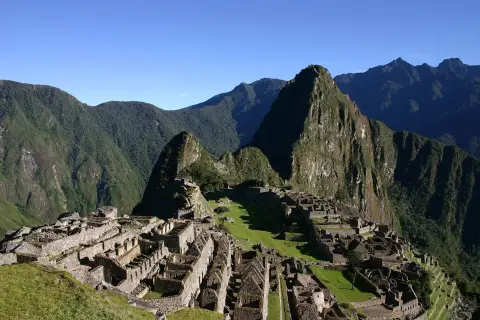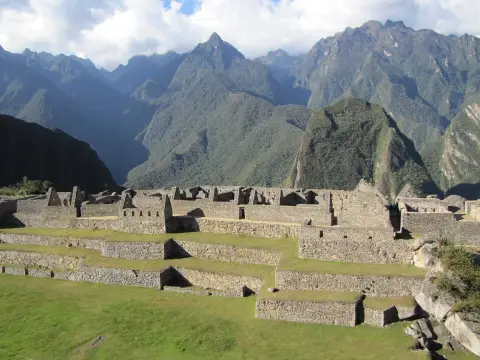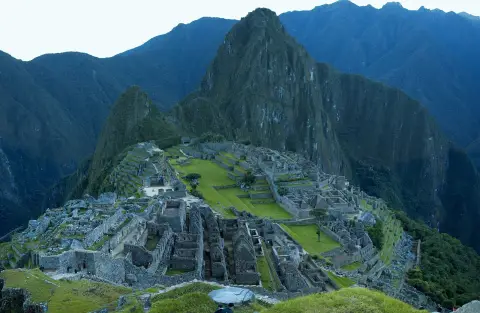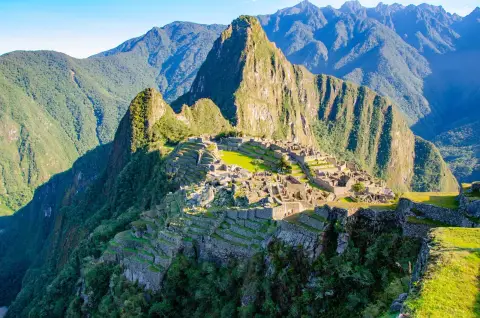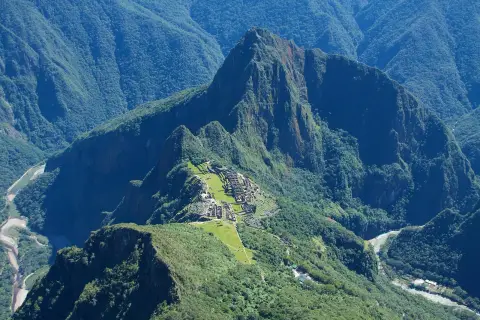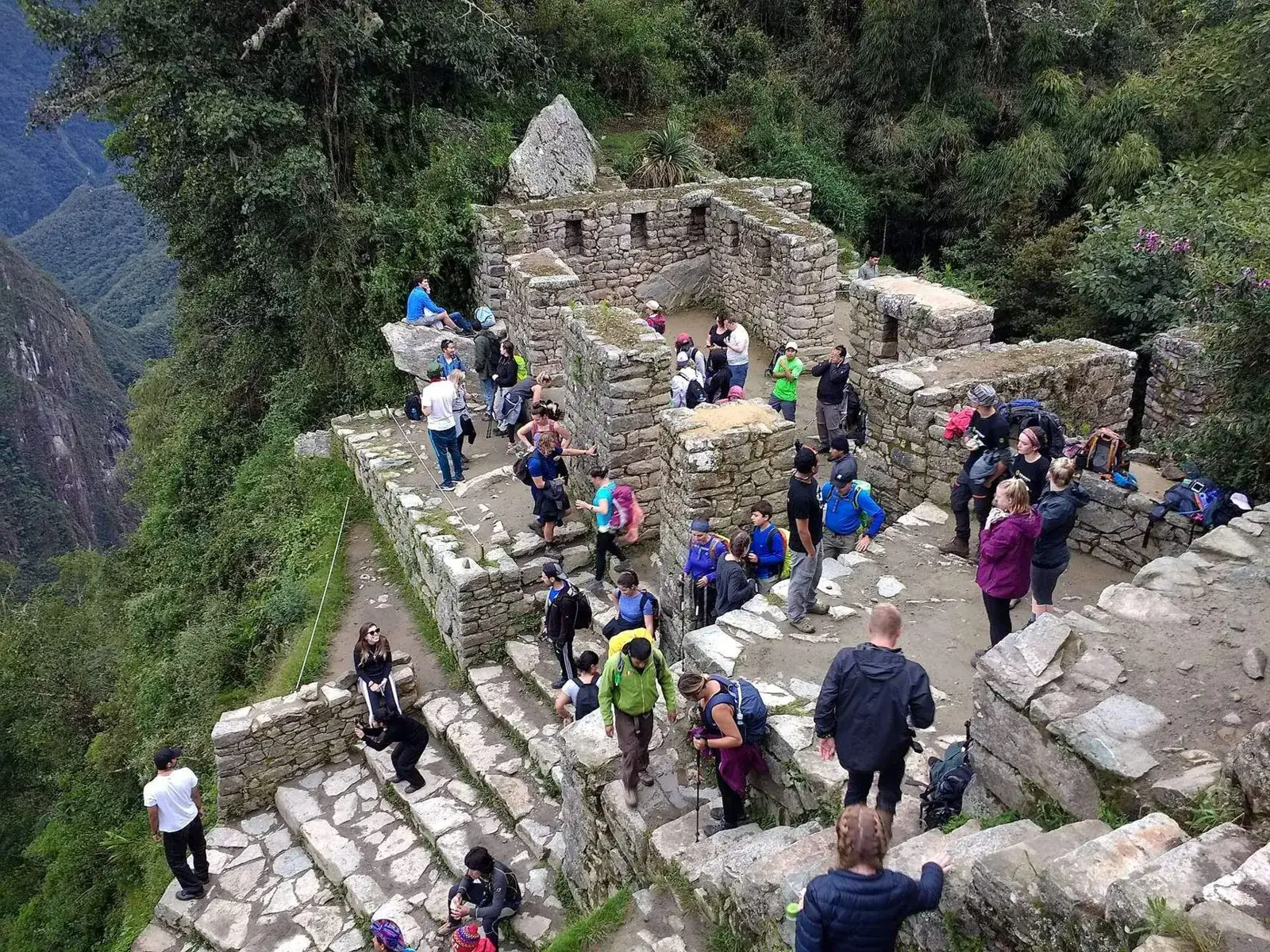
Machu Picchu is busiest in the dry season, around national holidays and in the middle of the morning, when the day groups arrive. Quotas cap daily visitors, but they cannot spread people evenly. For quieter conditions, go in the shoulder or wet months, take an early or late entry slot and choose a route that avoids the main bottlenecks.
Expect company at the classic viewpoint whatever you do.
Why it feels crowded despite limits
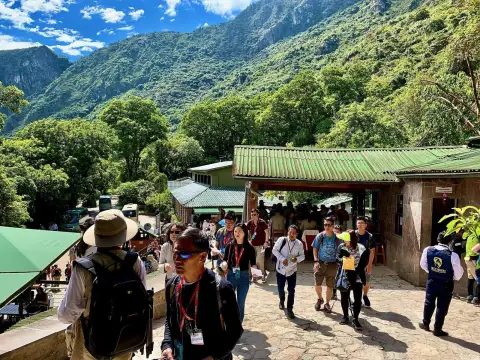
Daily numbers are capped to protect the site, but within that cap most visitors choose similar hours and the same few sights. Trains arrive in waves, buses deliver people in batches, and everyone wants the same photograph at the same viewpoint. A hundred people in a small space feels crowded even if the total is within the limit. Understanding the pattern helps you step outside it.
The system also splits the quota across circuits and entry windows, which means that a popular window on a popular circuit can feel packed while another is quiet. The reason is not that the authorities allow too many, but that demand clusters at the hours most convenient for trains and hotels. For how windows work, see opening hours, and to choose one that suits you, tickets.
The busy times
By month, the peak runs through the dry season, particularly the mid-year holidays, and busy weekends and national holidays in Peru. By day of week, weekends and the start of the week can be fuller. By time of day, the middle of the morning is usually the densest, as early arrivals and day-trip groups overlap. By place, the upper viewpoint, the narrow stairs and the Intihuatana area form bottlenecks.
The month-by-month pattern is covered in the best time to visit. The hour-by-hour pattern is simpler: entry opens, the first wave streams in, the day-trip groups join in the middle of the morning, and the site thins out as the afternoon trains approach. Predicting the pulse lets you step in front of it or behind it, depending on your preference.
Tours and activities
Bookable online, chosen for their traveller reviews.
-
★ Top rated From €49 per person
Machu Picchu
Machu Picchu Entry Ticket for Circuit 1, 2 or 3
-
★ Top rated From €23 per person
-
From €178 per person
Machu Picchu
Private Machu Picchu Tour with Guide, Entry and Bus
-
★ Top rated From €22 per person
Ways to find space
Take the earliest slot, or one of the latest the system allows. Visit in the wet or shoulder months. Choose midweek over weekends. Move steadily rather than stopping at every group, and let the groups ahead clear before taking your pictures. A guide who knows the rhythm of the site can time the stops to avoid the worst jams. If you are climbing one of the peaks, the summit is often calmer than the base.
Do not expect solitude, but do expect moments of quiet, especially as the day groups thin out in the afternoon. If a corner is full, move on and return later if the route allows, or ask your guide where the next quiet spot is. The climbs of Huayna Picchu and Machu Picchu Mountain can give a break from the crowd.
Bottlenecks and how to handle them
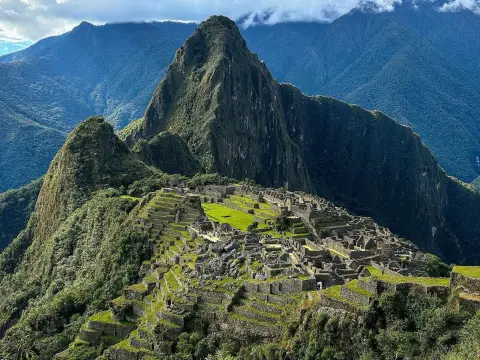
The classic viewpoint over the citadel is the main bottleneck, because everyone wants the same picture and the platform is small. Take a first photograph quickly, then step aside to look and to let others in. Narrow staircases can also back up, especially where groups stop to listen to a guide, and the exit area near the bus queue is busiest when many people leave together.
If your circuit passes through the upper terraces at the start, you may reach the viewpoint before the main flow arrives. If it ends there, you will meet the stream coming in the other direction. Ask your guide how the route is organised, and decide where you want to slow down. Respect the one-way flow and the rules explained on rules, since attempts to bypass the queue slow everyone down.
Crowds outside the gate
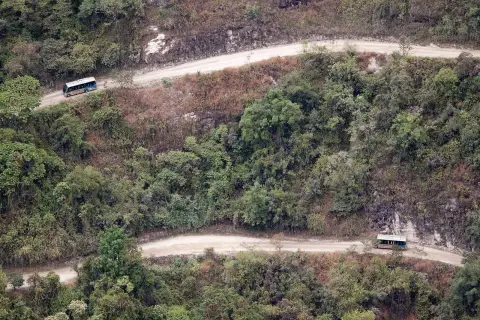
The crowd is not only inside. The bus queue in Aguas Calientes, the train platforms and the town's streets are all busiest at predictable hours. Dining rooms fill at breakfast, and the queue for the descending bus builds when many visitors finish at the same time. See buses to understand how the queues work and how to avoid the worst of them.
Staying the night in town lets you enter before most day-trippers arrive, and leaving the site a little before the main wave of departures spares you the longest queue. If you take a late train back, you can enjoy a meal and a stroll while the crowd thins. A relaxed evening is often the reward for a day that began early.
A different kind of quiet
If crowds put you off, consider arriving on foot by a trek, which turns the first sight of the site into the finale of a journey. Or add other Inca places to the trip, such as Choquequirao or the Sacred Valley ruins, where the visitor count is a fraction of Machu Picchu. A calm visit is possible, and a bit of strategy usually matters more than the choice of month.
Remember that your own conduct matters too. Move aside to let others pass, keep your voice low and avoid blocking the path for a long photograph. A site that feels crowded becomes much more bearable when visitors cooperate. To balance crowds against everything else the site offers, see whether the visit is worth it.
Crowds and your choice of circuit
The circuit you choose affects how crowded the visit feels. A route that starts at the upper terraces concentrates the first stretch around the busiest viewpoint, while one that begins in the lower sector may feel calmer early on and reach the viewpoint later. Neither is quiet in the middle of the morning, but you can use the order of the route to your advantage.
Ask the seller or your guide which sections of your circuit are likely to be crowded, and when. If you are flexible, an early window on a route that reaches the viewpoint first often gives the best chance of a clear photograph. The choice of circuits matters, and a local guide on one of the Machu Picchu tours can adjust the pace so that you move between groups rather than inside them.
Where to sleep
-
Find hotels
Aguas Calientes
Sleep at the foot of Machu Picchu for an early entry
-
Find hotels
Ollantaytambo
Early trains to Machu Picchu and a walkable old town
-
Find hotels
Plaza de Armas and historic centre
Everything on foot, at the price of noise and crowds
-
Find hotels
San Blas
Artisans' quarter with steep lanes and views, a short walk uphill
-
Find hotels
All of Cusco
Compare every area and price level in one search
Frequently asked questions
What is the least crowded time to visit?
Early or late entry slots, on weekdays, in the wetter months and outside holidays.
Are crowds worse at the viewpoint?
Yes. The upper viewpoint is the most photographed spot, so queues form at busy times.
Does the daily limit stop crowding?
It caps the total, but visitors still bunch into the same hours and places.
Is it less crowded in the afternoon?
Often yes, as day-trip groups leave for their trains and the site thins out. The shorter remaining day means less time, so check your window.
Is the climb of a mountain less crowded?
Both climbs have limited quotas and often feel quieter than the main circuit, although the narrow paths can bunch up at busy moments.
Does the rainy season really reduce crowds?
Yes, noticeably, apart from holiday weeks. Cloud and showers keep some visitors away, and rooms and trains are easier to find.
Can I ask the guide to avoid the crowds?
A good guide knows the rhythm of the site and can time the stops to reduce waiting, within the limits of the route and the group.