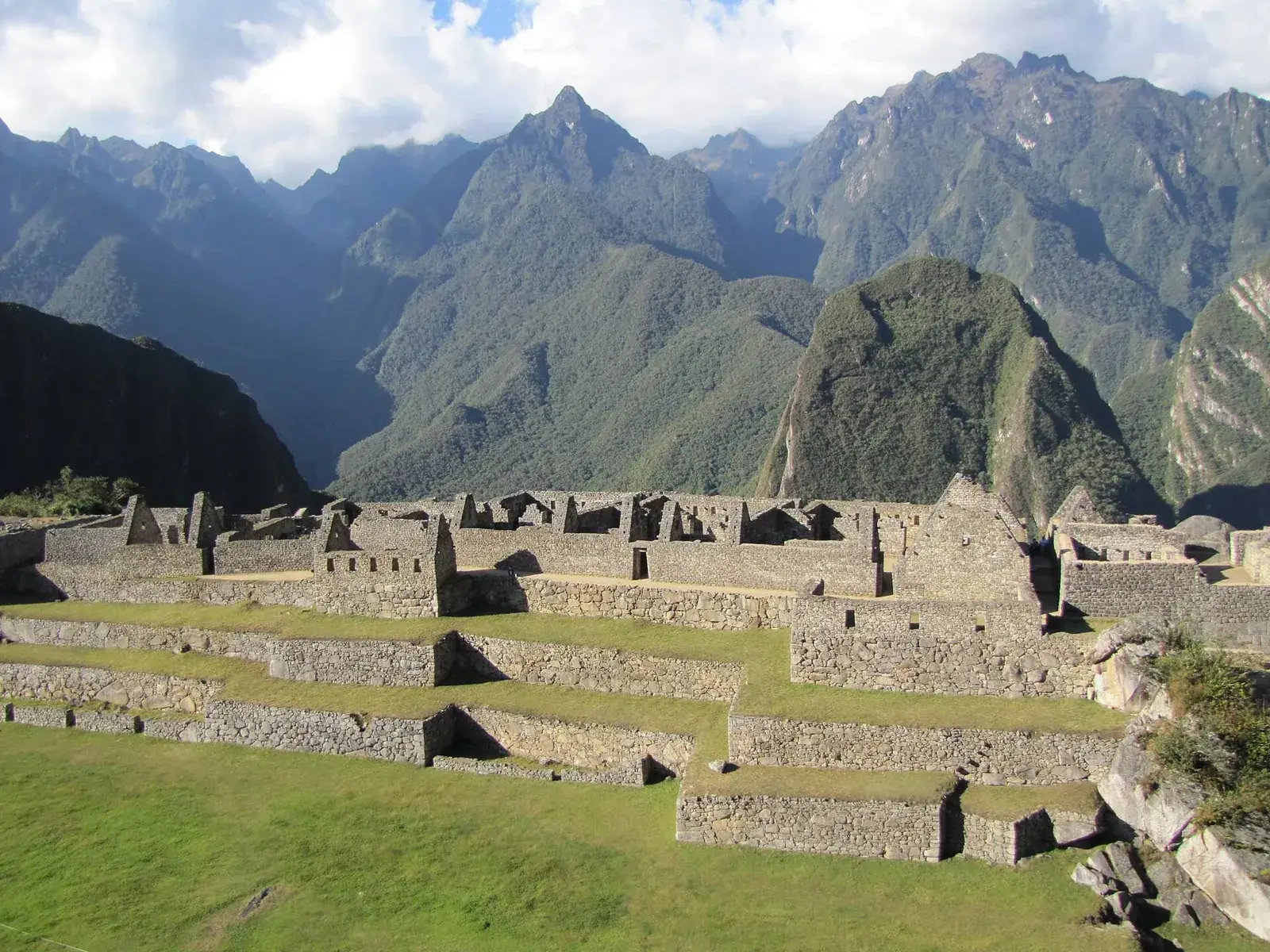
Machu Picchu is visited on set one-way routes called circuits, each covering a different combination of the upper terraces, the lower sector, the main temples and the classic photo viewpoint. The circuit is chosen when you buy the ticket, so decide which sights matter most before you pay.
The number, names and layout of circuits have changed several times and will change again.
Why circuits exist
Machu Picchu was getting too many visitors on a few narrow paths. Circuits spread people across the site and reduce crossing flows, which protect both the stonework and the experience. Each circuit is a one-way loop with marked directions. You cannot return to an earlier area, cut across, or take another circuit's path just because it looks quicker.
Guards and guides keep the flow moving, and the exits are fixed. If you want to revisit a viewpoint, plan for that in the original circuit or accept a second ticket. The system also lets the authorities close one section for restoration without shutting the whole site, which is why the layout of the routes can change from one season to the next. See rules for the behaviour expected along the way.
What circuits typically cover
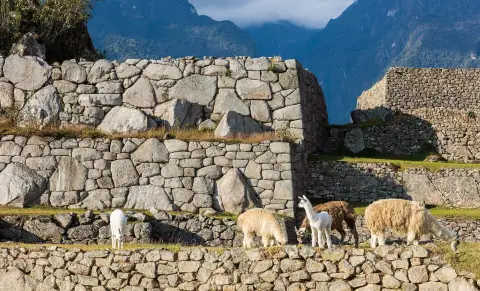
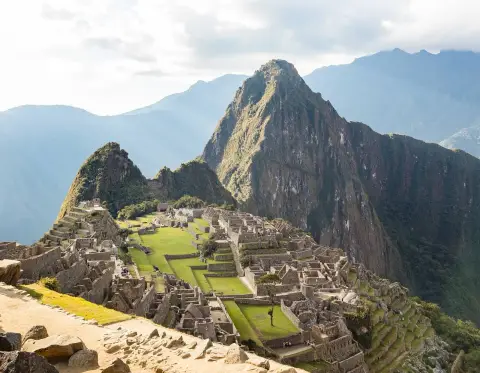
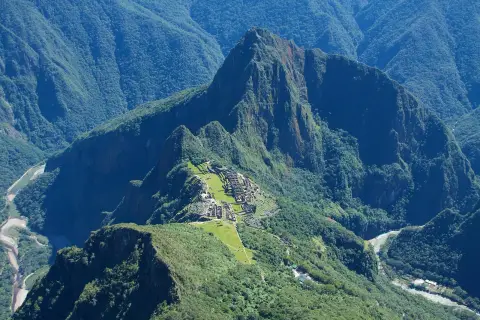
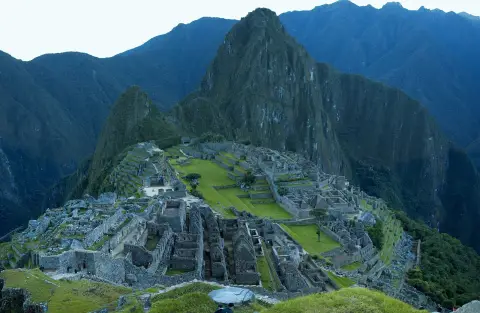
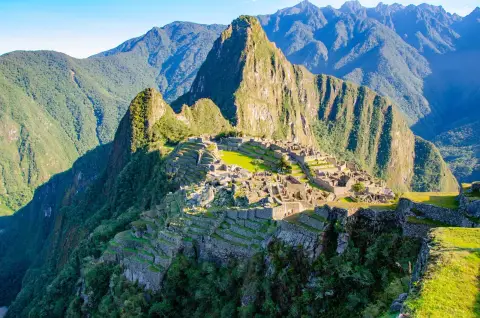
The routes are built from a small set of ingredients. The upper terraces give the classic view down over the citadel and the peak of Huayna Picchu behind. The lower sector contains the Temple of the Sun, the royal residence, the Temple of the Three Windows and the Intihuatana stone. The agricultural terraces, the quarry and the Sacred Rock sit in other sections. A longer circuit combines many of these; a shorter one concentrates on a few. Whether a route includes the Intihuatana or the Sacred Rock is stated on the ticket platform.
Some circuits give the panoramic viewpoint only at the start, while others end there. Knowing whether the photograph you want is on your route matters more than the name of the route. If the guide must stay with a group, the pace of the route can also affect how much time you have at each stop, so ask whether the circuit is walked at an easy speed.
Tours and activities
Bookable online, chosen for their traveller reviews.
-
★ Top rated From €49 per person
Machu Picchu
Machu Picchu Entry Ticket for Circuit 1, 2 or 3
-
★ Top rated From €23 per person
-
From €178 per person
Machu Picchu
Private Machu Picchu Tour with Guide, Entry and Bus
-
★ Top rated From €22 per person
Upper and lower sections
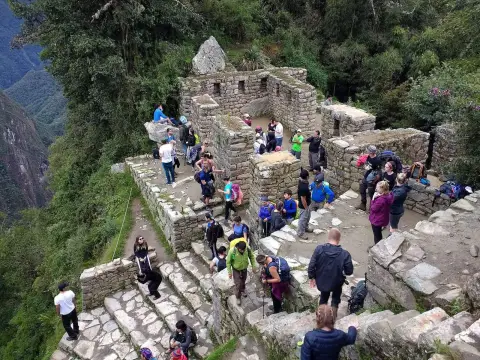
The citadel is built on a slope, and the upper and lower halves feel very different. The upper terraces are open and give distance and perspective, which is where most photographs are taken. They involve climbing stone stairs to reach the viewpoint at the start of some routes. The lower part is a dense area of walls, doorways and fountains, where you see how the temples and houses fit together.
A route that skips one half can still be excellent, but it will give a different impression of the site. If you are travelling with a person who cannot manage many steps, the lower section may be easier. See accessibility to understand what to expect. If you are mostly interested in photography, a route that includes the upper view and a pause at the terraces is the one to choose.
How to choose
Start from what you want to see. If the iconic overview is the priority, pick a circuit that includes the upper viewpoint. If you care about the temples and architecture, choose one that covers the lower sector in full. If you are adding Huayna Picchu or Machu Picchu Mountain, check how they link with the base circuit, because the climb has its own entry time and route.
Then think about the entry window. Early slots are quieter and cooler, and the weather often clears as the morning goes on. Whether you take a tour or go independently, tell the seller which sights are non-negotiable, and ask them to name the circuit on the confirmation, as explained on tickets.
Circuits and the climbs
The two mountain climbs sit beside the circuits, but they are not the same thing. A ticket with a climb combines a timed entry to the mountain trail and a timed entry to a circuit in the citadel, and the order of the two depends on the product. The climb has its own paths, its own control posts and a limit on the number of people who can be on it at once.
Plan the gap between the two with care. If the mountain entry is early, you will finish the climb with enough time to reach the citadel route, but if you linger on the summit the schedule can slip. Ask the seller to state the sequence, and check the time and the effort the climbs require. Treat the combined plan as a long morning, with a rest and some food before you start the second half.
Etiquette on the route
Follow the arrows, stay behind the ropes, and do not stop in the middle of narrow stairs. If you need a rest, step aside. Guides sometimes talk at the same point for several minutes, so expect to wait in busy periods. Drones, loud speakers and climbing on walls are not allowed, and guards will intervene.
In the busiest windows the route forms a slow procession, and photographs at the classic viewpoint involve a short queue for the best spot. Be patient, take your picture and move along, so that the people behind you can do the same. Quiet periods in the early or late windows make the circuit much more pleasant, as described on crowds.
Respect for the stones is the central rule of the site.
Checking your circuit before you go
Before the day, open the confirmation and check three lines: the circuit name or number, the entry window and the passport details. Take a screenshot, and print the document if you can, because mobile signal in Aguas Calientes can be weak when many visitors arrive at once. If your seller describes the circuit in words only, ask for the official name so that you can match it against the ticket platform.
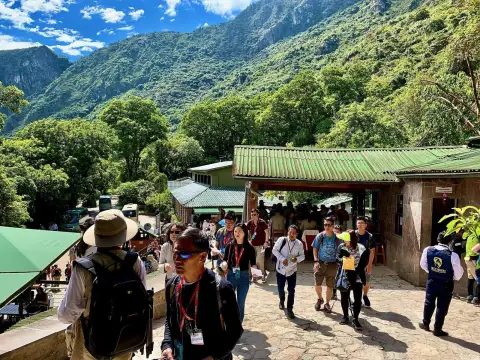
On the day, the guards at the gate will direct you to the start of your route, and your guide will explain the sequence. Do not be tempted by a shortcut or by a friend on a different circuit; the staff separate the flows deliberately. If you plan to add a climb, read about the Huayna Picchu climb and the mountain climb to see how their rules interact with the circuit, and see Machu Picchu tours if you want to book a guide who knows the current layout well.
Where to sleep
-
Find hotels
Aguas Calientes
Sleep at the foot of Machu Picchu for an early entry
-
Find hotels
Ollantaytambo
Early trains to Machu Picchu and a walkable old town
-
Find hotels
Plaza de Armas and historic centre
Everything on foot, at the price of noise and crowds
-
Find hotels
San Blas
Artisans' quarter with steep lanes and views, a short walk uphill
-
Find hotels
All of Cusco
Compare every area and price level in one search
Frequently asked questions
Can I do more than one circuit in a day?
Generally not on one ticket. A different circuit normally needs a separate entry, subject to availability.
Can I leave and re-enter the site?
Re-entry rules are restrictive and have changed over time. Assume that once you exit you cannot return.
Which circuit has the best view?
Check the one that includes the upper viewpoint overlooking the citadel and the mountain behind it.
How long does a circuit take?
A circuit usually takes a couple of hours at a guided pace, though the exact time depends on the route and the group. Ask your guide at the start.
Can I choose my circuit after buying the ticket?
Normally no. The circuit is selected at purchase and printed on the ticket. Changes, if allowed at all, are limited and should be asked about before you pay.
Is one circuit easier for people with limited mobility?
Some routes involve fewer stairs than others, but all include steps and uneven stone. Ask the seller and read the notes on accessibility before you buy.
Do the circuits change in the rainy season?
The routes themselves are the same, but sections can be closed after heavy rain or for repairs. Ask your guide on the day.