Seeing the sun rise over the ruins depends on the entry rules, the weather and your position. The earliest entry slots, the first buses and an overnight stay in Aguas Calientes give the best chance of soft light and few people, but clouds often hide the actual sunrise. Treat it as a bonus, not a promise.
Check the first entry time and the first bus time before you plan.
What the early morning looks like
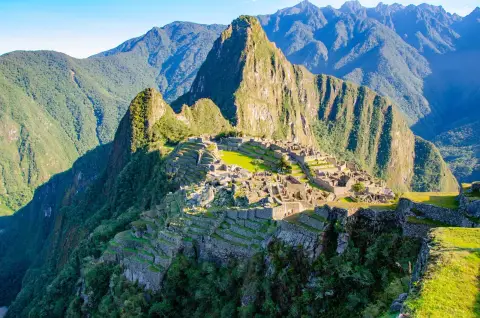
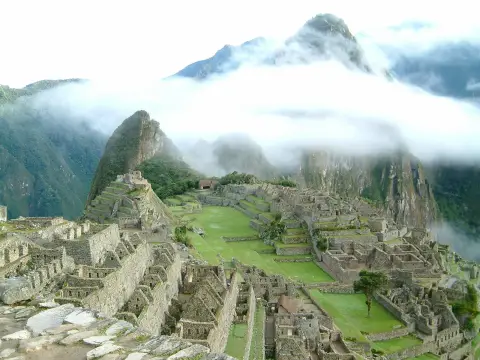
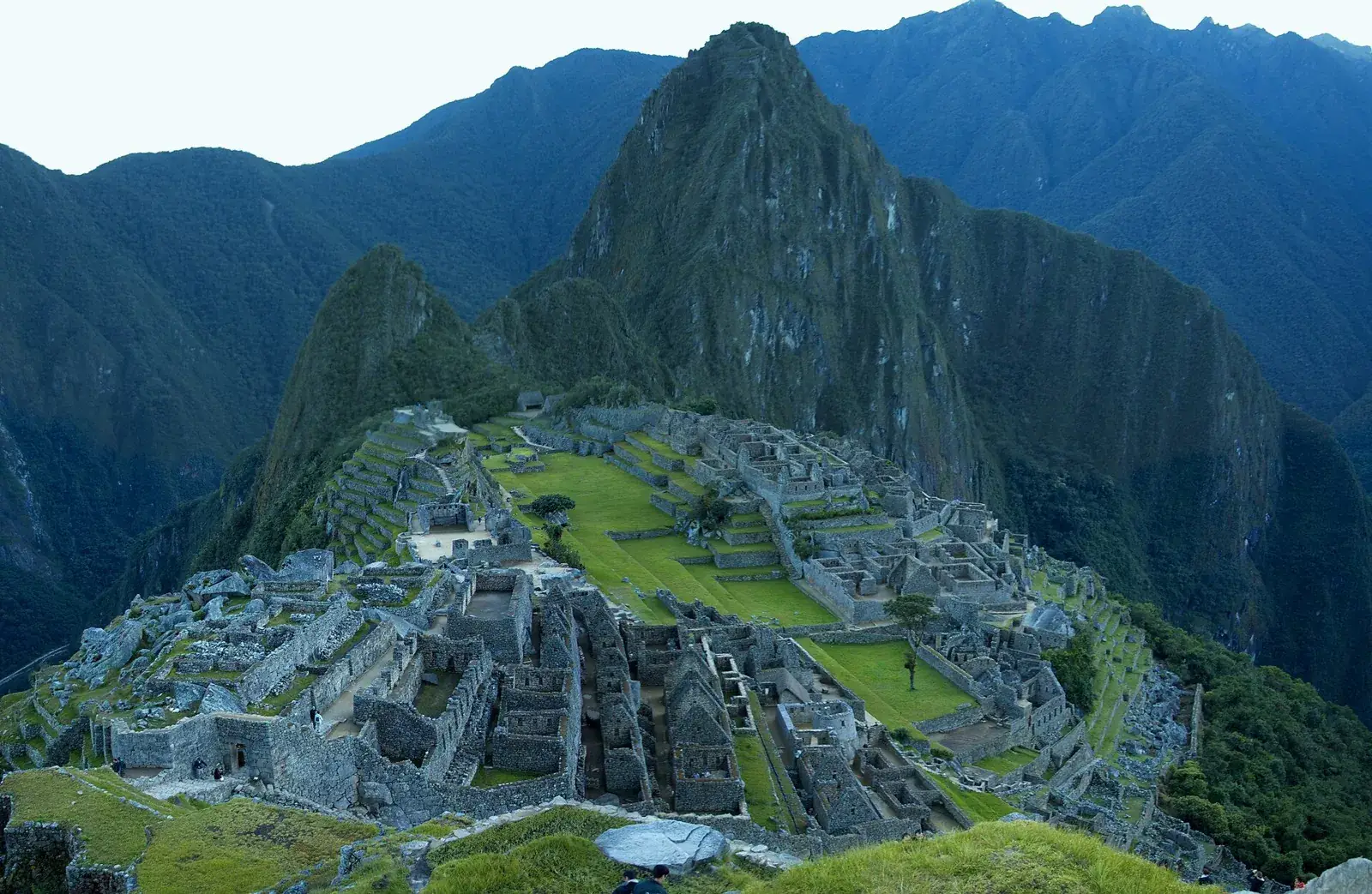
Before the sun clears the surrounding ridges, the citadel sits in cool blue shadow, often with mist rising from the valley and swirling around the peaks. As the light reaches the terraces, the stone turns warm and the wisps of cloud begin to lift. This lasts for a short time, and the experience is as much about atmosphere as about the sunrise itself. Because the site sits in a deep valley, the sun appears later than you might expect from the clock.
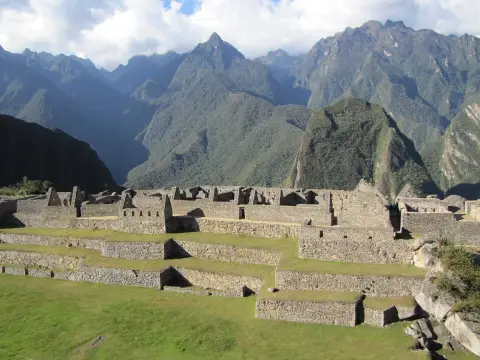
The best moments are often the first half hour after the light touches the upper terraces, when the mountains behind are still partly in shade and the contrast is strong. Photographers value this window because the long shadows show the shape of the terraces. A calm, cool morning also means fewer people on the paths, which makes it easier to take pictures without strangers in them. See weather to understand why the mist arrives and clears as it does.
How to be there
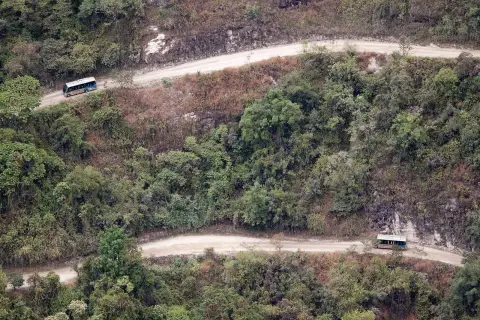
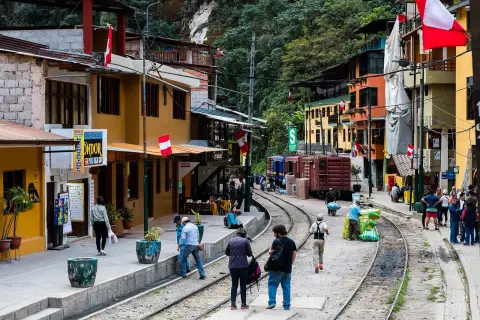
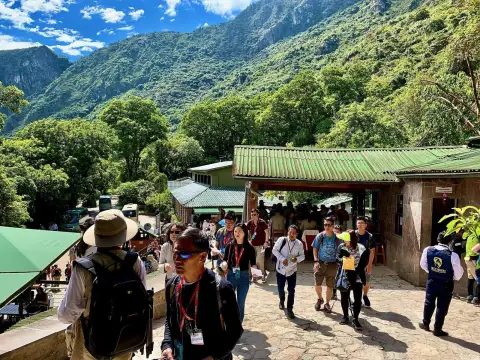
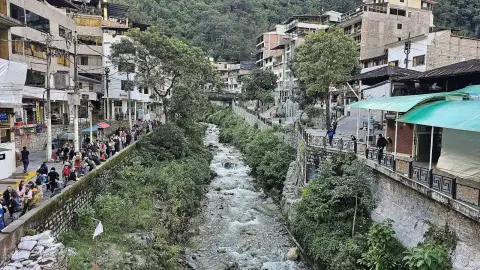
To be among the first in, sleep in Aguas Calientes and join the earliest bus queue, which forms in the dark. Choose the earliest entry window your ticket platform offers. Some circuits, and the peak climbs, have early slots, which are among the most sought-after. Bring a head torch or phone light for the wait, and warm layers, since the morning is cold in the shade.
If your slot is later, the light is still lovely, just less magical, and crowds begin to build. The queue for the first bus can start long before the first departure, and the order in the line does not change your entry time. For how the queue and the ticket work, see buses. See where to stay to understand why the town is the sensible base for a very early start.
Tours and activities
Bookable online, chosen for their traveller reviews.
-
★ Top rated From €49 per person
Machu Picchu
Machu Picchu Entry Ticket for Circuit 1, 2 or 3
-
★ Top rated From €23 per person
-
From €178 per person
Machu Picchu
Private Machu Picchu Tour with Guide, Entry and Bus
-
★ Top rated From €22 per person
The weather gamble
In the wet season, the sun may never appear through cloud, and in the dry season, mist can still sit in the valley until mid-morning. If you have a second morning, you can try again. If the early view is blank, wait: conditions can clear quickly, and the sudden reveal of the citadel from the cloud is a memorable sight in itself.
Do not judge the morning by the forecast, which is often wrong for this valley, nor by the view from your hotel window, since the cloud can sit in the town and clear at the ruins. A clear sky in Aguas Calientes does not guarantee an empty view at the top, and heavy fog does not mean the day is lost. The experience is built from patience, and a flexible schedule is more valuable than a perfect forecast.
Alternatives for sunrise
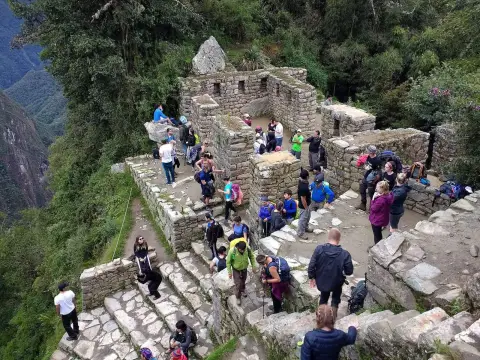
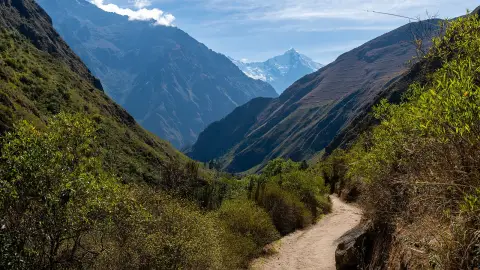
Sunrise from a trek is a different experience: on the Inca Trail, trekkers reach the Sun Gate at first light on the last morning, and the first sight of the citadel from there is a classic. In the Sacred Valley, Moray and the hills above Ollantaytambo give sunrise views at lower cost and without queues. And for a quieter version of the same pleasure, a late-afternoon entry catches the golden hour when day groups have left.
Another option is to take an early entry and then spend the time after the first rush at the quieter corners of the site. Once the first wave has moved on to the viewpoint, the lower sector often has space to stand and look. Comparing the early and late options in crowds helps you decide which suits your priorities.
Practical planning for an early start
Work out the timetable the evening before. Check the first bus time with your hotel, set two alarms, lay out your clothes and documents and eat something light. Keep your passport and ticket within reach, since both are checked at the gate. If you are in a hotel with breakfast, ask about a packed breakfast, because the dining room may not open before the first bus.
A cold, damp wait is part of the experience, so a hat and a fleece make a large difference. After the visit, you will have the whole afternoon free, which is a reason to book a late train back or a second night. For how entry windows work, see opening hours, and for how to choose one, tickets.
What you may need to accept
Even the earliest entry gives a visit with other people, because the first buses are full and the groups spread through the circuit together. You will not have the ruins to yourself, and the sun will not rise at the same moment for everyone. What you do get is cooler air, a calmer pace and the chance of mist and light that disappear by mid-morning.
If the effort of a pre-dawn start feels too much, take the second or third window. The difference in the experience is smaller than the difference in your energy, and many visitors prefer a relaxed breakfast and a mid-morning entry. See whether Machu Picchu is worth it for a balanced view of what the visit gives and what it costs.
Light, photography and gear
The most flattering light arrives when the sun clears the ridges and rakes across the terraces, and the best pictures often come in the first hour after the first direct light. A phone is enough for most people, and a compact camera gives better results in low light. Keep your gear simple, because tripods are commonly restricted and the paths are narrow.
Use the early cloud to your advantage: mist behind the peaks adds depth and shows the layers of the mountains. Wipe the lens often, since damp air leaves a film, and carry a spare battery, as cold drains power quickly. Be considerate at the classic viewpoint, where many people wait for the same shot, and step aside after your picture so that others can have their turn.
Where to sleep
-
Find hotels
Aguas Calientes
Sleep at the foot of Machu Picchu for an early entry
-
Find hotels
Ollantaytambo
Early trains to Machu Picchu and a walkable old town
-
Find hotels
Plaza de Armas and historic centre
Everything on foot, at the price of noise and crowds
-
Find hotels
San Blas
Artisans' quarter with steep lanes and views, a short walk uphill
-
Find hotels
All of Cusco
Compare every area and price level in one search
Frequently asked questions
Can I watch sunrise inside Machu Picchu?
Entry begins in the early morning, but the sun clears the ridges later, so you see the first light rather than the horizon moment.
Is a night in Aguas Calientes necessary?
For the earliest entry, yes, because the first bus leaves before trains arrive from Cusco.
Is the late afternoon a good alternative?
Yes. It is quieter and the light is warm, if your ticket allows a late entry.
What should I wear for an early start?
Warm layers, a hat and a waterproof, because the morning is cold and damp in the shade. You can remove layers as the sun climbs.
Is the sunrise from the Sun Gate better than from inside?
It is different. From the Sun Gate you see the citadel from above as the light arrives, which many trekkers rate as the best view. It requires walking in on a trek or an early access route.
Can I take photographs at dawn?
Yes, with a phone or a compact camera. Tripods are commonly restricted, so rest your camera on a wall only if allowed, or use a fast setting.
Is a sunrise visit worth the early alarm?
For most people the calm and the light justify it, but the weather decides how much you see. Keep a spare morning if the view is important to you.