Machu Picchu has a mild, humid cloud-forest climate: warmer and wetter than Cusco, with fast-changing conditions even in the dry season. Mornings can be misty, midday sunny and afternoons showery. Dress in layers, carry rain protection and sun cream, and expect the view to come and go.
The pattern is reliable; the day-to-day detail is not.
A cloud-forest climate
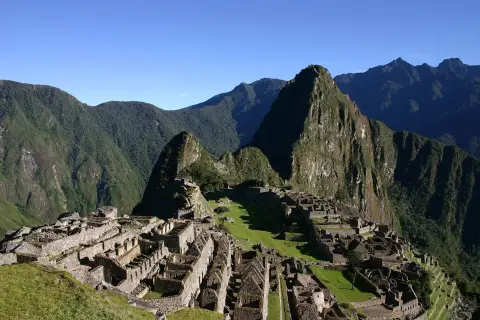
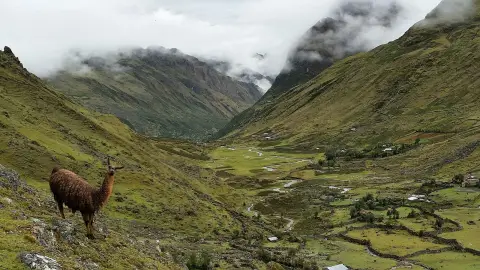
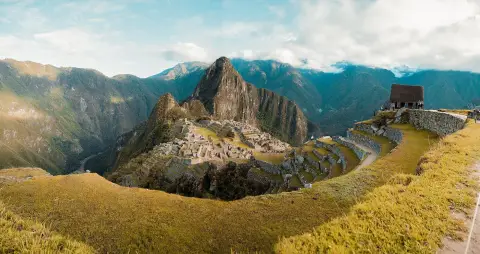
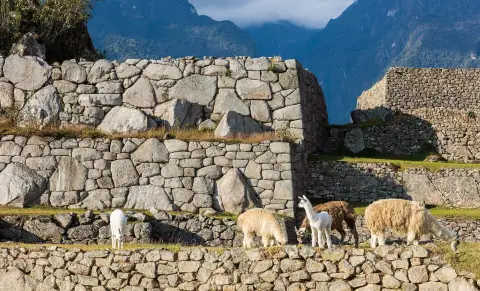
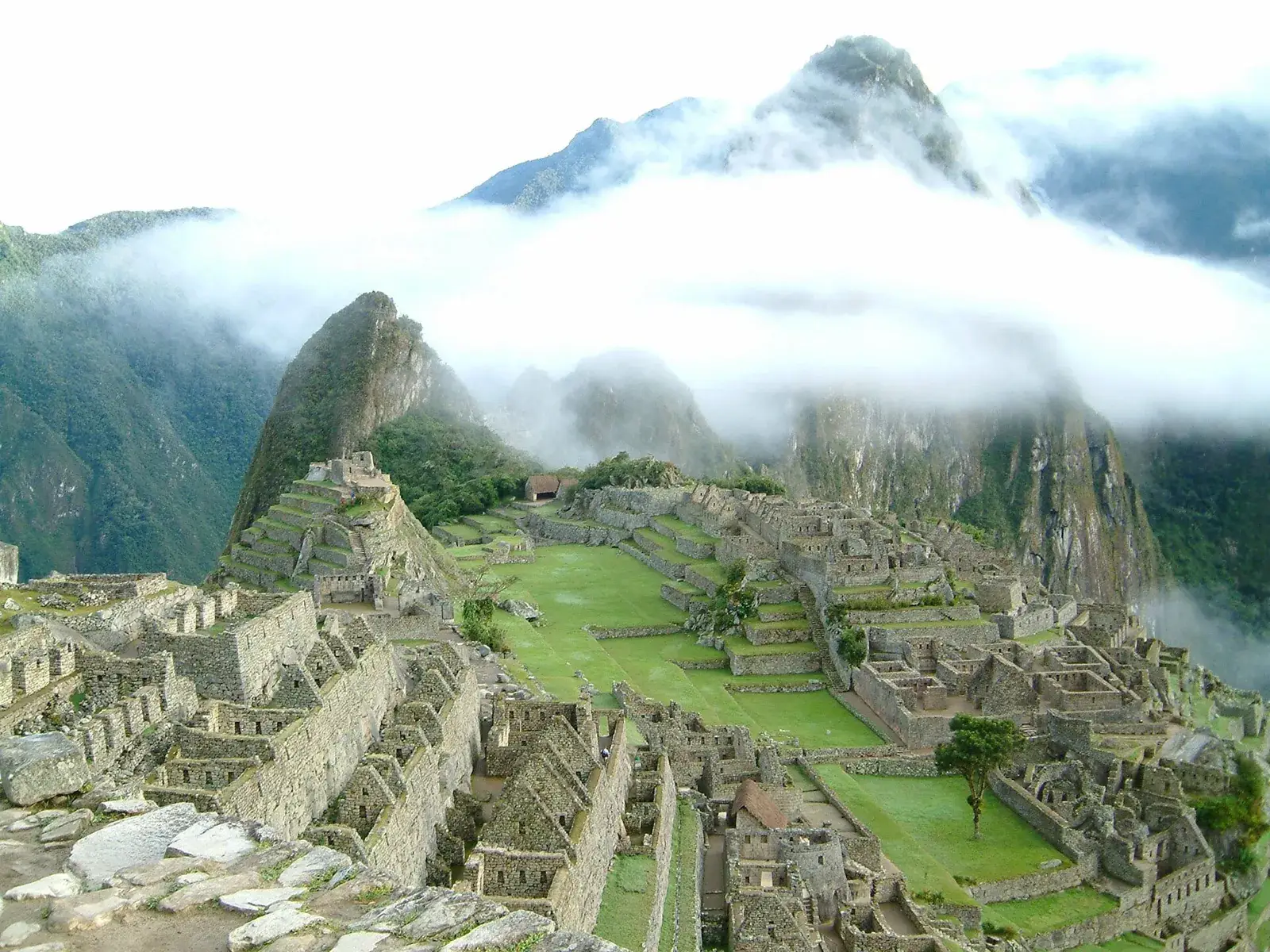
The ruins stand on the eastern edge of the Andes, where moist air from the Amazon basin climbs the slopes and condenses. That explains the thick vegetation, the orchids and the sudden mists that sweep through the site and clear again within minutes. Compared with Cusco, which is high, dry and cold at night, Machu Picchu is lower and more humid, and daytime temperatures feel mild or warm.
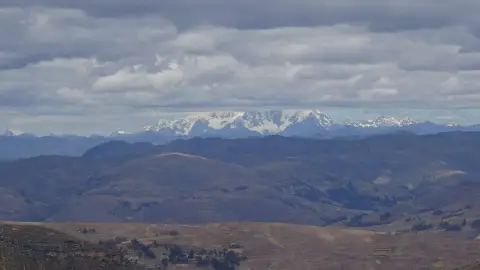
This position also means that two places only a short distance apart can have very different weather. Cusco may be bright and dry while the gorge below is wrapped in cloud, and the reverse can happen. The broader regional pattern is described in Peru's weather by region, which shows how the coast, the Andes and the jungle differ.
How a typical day unfolds
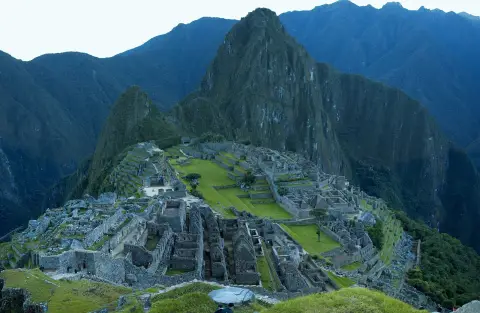
Early morning is often cool, with clouds sitting in the valley and sometimes blocking the view of the citadel. As the sun climbs, the air warms and the mist lifts, often by mid-morning, though not always. In the wet season, cloud tends to build in the afternoon and may bring showers, while in the dry season afternoons are more often clear. The sun is strong at this altitude and latitude, so burn risk is high even when it feels pleasant.
Because the changes are quick, the best plan is to be patient. A viewpoint that is blank at one moment can be perfectly clear a quarter of an hour later. If you arrive in cloud, take the first part of your circuit at an easy pace, and return to the viewpoint later if the route allows, or wait for the guide's signal that the sky is lifting. The sunrise discusses how early light interacts with mist.
Tours and activities
Bookable online, chosen for their traveller reviews.
-
★ Top rated From €49 per person
Machu Picchu
Machu Picchu Entry Ticket for Circuit 1, 2 or 3
-
★ Top rated From €23 per person
-
From €178 per person
Machu Picchu
Private Machu Picchu Tour with Guide, Entry and Bus
-
★ Top rated From €22 per person
Seasonal pattern
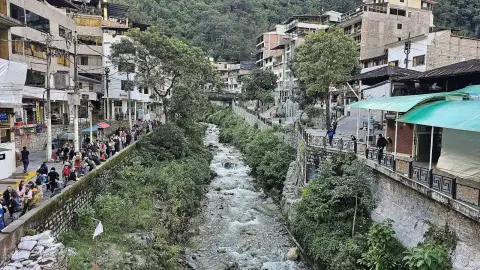
The dry season, roughly May to September, brings the clearest air and coldest nights, while the rains from roughly November to March bring daily showers and the greenest scenery. The transition months can behave like either. Aguas Calientes, lower in the gorge, is generally warmer and more humid than the ruins, and its evenings can be warm and sticky in the rainy months.
The ruins at about 2,430 m and the town at about 2,040 m lie at a lower altitude than Cusco at roughly 3,400 m, so the temperature gap between the city and the site can be large. If you travel by train from the Sacred Valley, you will notice the vegetation thickening and the air thickening with it. For month-by-month advice, see the best time to visit.
Dressing for it
Wear light, quick-drying layers that you can add or remove: a short-sleeved shirt, a fleece, and a light waterproof jacket or poncho. Strong sun means a hat and sun cream are needed whenever the sky is clear, even in cloud since UV passes through it. Sturdy shoes with grip matter on wet stone steps. Insects such as sandflies occur at the site, so repellent is useful.
Inside the site, umbrellas have sometimes been restricted, so a poncho is often the better choice. For the full kit list, see what to bring, and for what you may not carry in, see rules. Avoid cotton in the rainy months, since it stays wet and chills you.
Rain, paths and safety
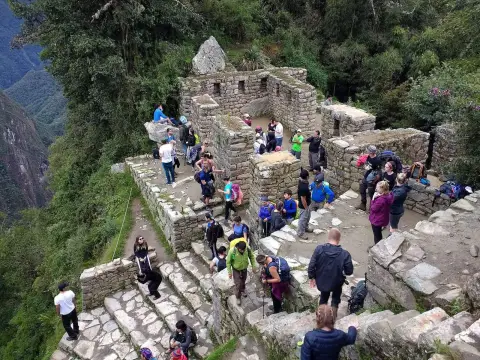
Rain turns the old stone steps slippery, particularly the steep stairs on the upper terraces and on the climbs. Walk with care, keep three points of contact where the path is exposed, and do not run. On the two mountain trails, wet rock and mud add to the risk, and the guards may close a route in heavy rain or thunder, so be ready to change your plan. The climbs are covered in Huayna Picchu and Machu Picchu Mountain.
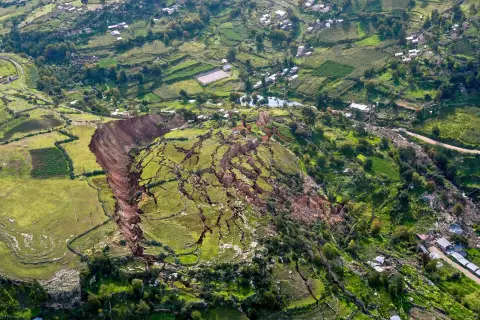
Landslides are the other consequence of heavy rain. They affect the railway and the overland road more than the site, and a wet week can delay trains or close the route. When weather blocks your route explains how to respond if that happens.
Sun, altitude and sensible habits
Although the ruins are lower than Cusco, the sun at this latitude and elevation is strong, and the mix of cloud and clear sky makes it easy to burn without noticing. Apply sun cream before you enter, carry a hat and sunglasses, and drink water regularly. Cloud, wind and sweat can lower your body temperature quickly, so carry a spare layer for the exposed viewpoints.
If you are coming from Cusco, you may feel better immediately at the lower elevation, but a night in the valley before the climbs still helps. Read about altitude if you plan to climb either mountain, and always follow the advice of your guide and the guards if conditions change quickly.
Small habits make a large difference over a long day.
Planning around the weather
Treat the weather as a variable to manage, not a verdict. Choose the earliest entry you can manage, since mornings are often clearer than afternoons in the wet season. Keep a spare half-day in the schedule so that you can wait for a view if the cloud is thick, and avoid arranging a flight the same evening, because weather delays affect the railway and the road.
Accept that cloud is part of the experience. Photographers often like the mist, which shows the contours of the peaks and gives the site a quiet, remote feel. If your guide knows the site well, ask whether the sky is likely to clear and where to wait. How timing shapes both the light and the number of people around you is explained in crowds and opening hours.
Where to sleep
-
Find hotels
Aguas Calientes
Sleep at the foot of Machu Picchu for an early entry
-
Find hotels
Ollantaytambo
Early trains to Machu Picchu and a walkable old town
-
Find hotels
Plaza de Armas and historic centre
Everything on foot, at the price of noise and crowds
-
Find hotels
San Blas
Artisans' quarter with steep lanes and views, a short walk uphill
-
Find hotels
All of Cusco
Compare every area and price level in one search
Frequently asked questions
Is it always cloudy at Machu Picchu?
No. Mornings are often misty, but clouds usually lift. In the dry season clear spells are frequent.
How cold does it get?
Much milder than Cusco. Mornings and evenings are cool, and the day is usually comfortable in light layers.
Does it rain in the dry season?
Occasionally. Showers are less frequent than in the wet months but are not impossible, so carry a waterproof.
Can I use an umbrella inside?
Umbrellas have been restricted at times, so a poncho is safer.
What is the weather like in Aguas Calientes?
Warmer and more humid than the ruins, with frequent rain in the wet months. Pack a light waterproof and quick-drying clothing.
Is thunder or lightning a concern?
Storms can occur, particularly in the wet season. Follow the guards' instructions, since exposed viewpoints and the climbs may be closed if conditions are unsafe.
Will rain close the site?
Rarely for ordinary showers. Heavy rain, storms or landslides can restrict parts of the site or block transport, so keep a spare day.