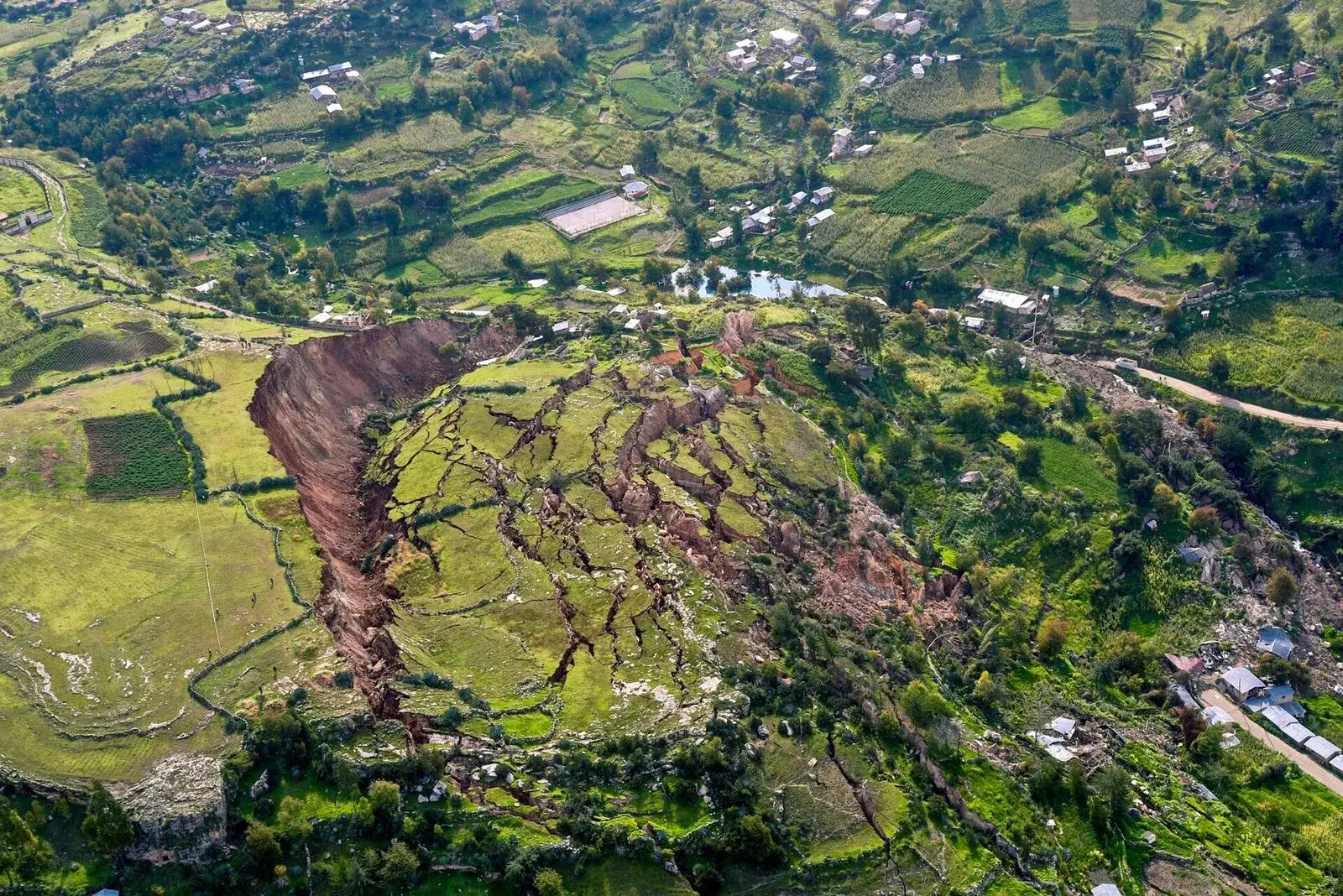
Weather disruption in Peru is mostly a rainy-season problem in the Andes and the cloud forest: landslides, flooded roads, damaged bridges and sometimes interruptions to trains or trails. Closures can last from hours to days. The practical response is to ask local sources, keep spare days and know the alternatives before you need them.
Do not try to cross a closed route on your own judgement, and do not book tight connections after a mountain road.
Where and when it happens
The main risk is the wet season in the Andes, roughly November to March, when heavy rain loosens slopes along mountain roads. Mountain roads in the Cusco region, the road to Aguas Calientes area, the access to cloud forest towns in the north and the roads to the Amazon are the ones most often affected. The coast is rarely hit by rain, though occasional extreme events do cause damage there.
Snow and hail are possible on high passes and on treks at any time of year. In the dry season, disruption is more often caused by strikes and protests than by weather, which are a separate problem. The rainy season describes the months in more detail, and the dry and rainy seasons helps you decide when to travel.
What a closure looks like
A landslide may close a road for a few hours while crews clear it, or for days if the road itself is damaged. Buses wait, turn back or are rerouted, and long delays on a night bus are common. Rail services to Machu Picchu have been interrupted by landslides and floods in the past, and trekking routes can be closed. Flights are affected by low cloud more than by rain, and are a common reason for rebooking.
Operators may cancel or change excursions for safety. This is normal and, for high trails, appropriate. Trains to Machu Picchu explains the services and what happens when they are suspended, and flights covers cancellations.
How to find out what is happening
The most reliable information is local: your hotel, the operator or bus company, the train company and the airline. Official transport authorities and the national weather service publish alerts, but they are not always up to date. Social media groups can be quick but are unverified. Ask the day before you travel and again in the morning, particularly during the rainy season.
Strikes and blockades covers the non-weather causes, and long-distance buses explains how companies handle delays. If you rely on one source and it is a hopeful one, such as a seller of tickets, ask a second source as well.
Reading the signs before a closure
Closures rarely come without warning. Several days of heavy rain on a mountain road, a river running brown and high, or a road already under repair are all signs that a route may fail. In the mountains, the days after a long rain are often worse than the days of the rain itself, because slopes are saturated and slides come later.
If the forecast is bad, consider moving the sensitive part of your trip earlier or later. A high trek, a river transfer or a long overland leg is worth postponing by a day or two. A visit to a city is not. If you are unsure, ask the person who knows the road best, usually a driver or the owner of a small hotel, whose answer is often more accurate than any website.
When you are already stuck
If you are on a bus or in a town when a closure is announced, stay calm and stay with the vehicle or the group. Ask the driver or the guide how long the delay is expected to last and where the next stop with food and a bathroom is. Do not leave your luggage unattended and do not accept a lift from a stranger.
If the delay looks long, contact your hotel, your next operator and your airline. Many companies will move a booking by a day if told in advance, and some will not charge for it. Keep receipts for meals and an extra night. If you are on a trek, follow the guide: they will decide whether to wait, take a different route or turn back, and their decision is based on experience of the ground.
Building a plan B
A good plan B is prepared early. Keep a spare day in the second half of the trip, and avoid fixed bookings the day after a mountain road. Know whether a flight is a realistic alternative to the road you intend to take, and what it would cost. For treks, understand your operator's policy on cancellations and weather before paying a deposit.
Travel insurance can reimburse extra costs from disruption, but cover varies, so read the policy for weather, natural events and missed bookings. Keep receipts. If a closure ruins a booking you cannot move, such as Machu Picchu entry, ask the provider about rescheduling rather than assuming it is lost. Travel insurance explains what to look for, and what to do after a missed flight covers the airline side.
Frequently asked questions
How long do landslide closures last?
From hours to days or longer, depending on the damage. Ask the bus company or your hotel for current information.
Can I get a refund if weather cancels my tour?
It depends on the operator and the conditions of your booking. Ask before paying.
Is it risky to travel in the rainy season?
It carries more risk of delay, particularly on mountain roads and trails. With a spare day and good insurance it can be managed.
Should I avoid mountain roads in the rain?
Avoid them in heavy rain and on the days after, if you can. Choose a flight or wait a day, and travel in daylight if you must go.
What if the train to Machu Picchu is suspended?
Ask the train company and your hotel about alternatives, and contact the Machu Picchu ticket seller about rescheduling. Services can be restored quickly or take days.
Does weather also affect flights?
Yes, more through low cloud and wind than rain. Mountain airports such as Cusco are more exposed, and morning flights are the most reliable.
How do I know if a road is open?
Ask the bus company, your hotel or a local driver on the day. Official sources and weather services publish alerts but may be slow to update.