In the Andes, the dry season (roughly May to September) brings clear days, cold nights, more visitors and higher prices, and the rainy season (roughly November to March) brings green landscapes, fewer people and a greater risk of delays on roads, trails and flights. The coast and the Amazon follow different patterns.
Neither season is simply better. The right one depends on what you want to do and how flexible your plan is.
The simple picture, and its limits
In the southern Andes, around Cusco, the year divides into a dry and a rainy season. From about May to September, days are mostly sunny and nights cold, sometimes below freezing. From about November to March, rain is frequent, usually in the afternoon, and clouds hide mountain views. April and October are transitions.
This does not work across the whole country. The coast around Lima has a grey, damp winter and a sunny summer, the opposite of the mountains. The Amazon is wet for much of the year, with drier and wetter spells. Check the region, not just the country. Weather by region sets out the pattern in each area.
What the dry season gives and costs
The dry season is the choice for treks, clear views and a smooth schedule. Trails are firmer, nights are cold but skies are clear, and roads are more reliable. It is also high season, with the biggest crowds, the earliest sell-out of Machu Picchu tickets, trains and Inca Trail permits, and higher prices for rooms.
Nights are colder than many visitors expect, and the Inti Raymi festival in June adds pressure on Cusco. Book key items well in advance. Festivals and holidays lists the dates when towns fill up, and Inca Trail explains the permit system.
What the rainy season gives and costs
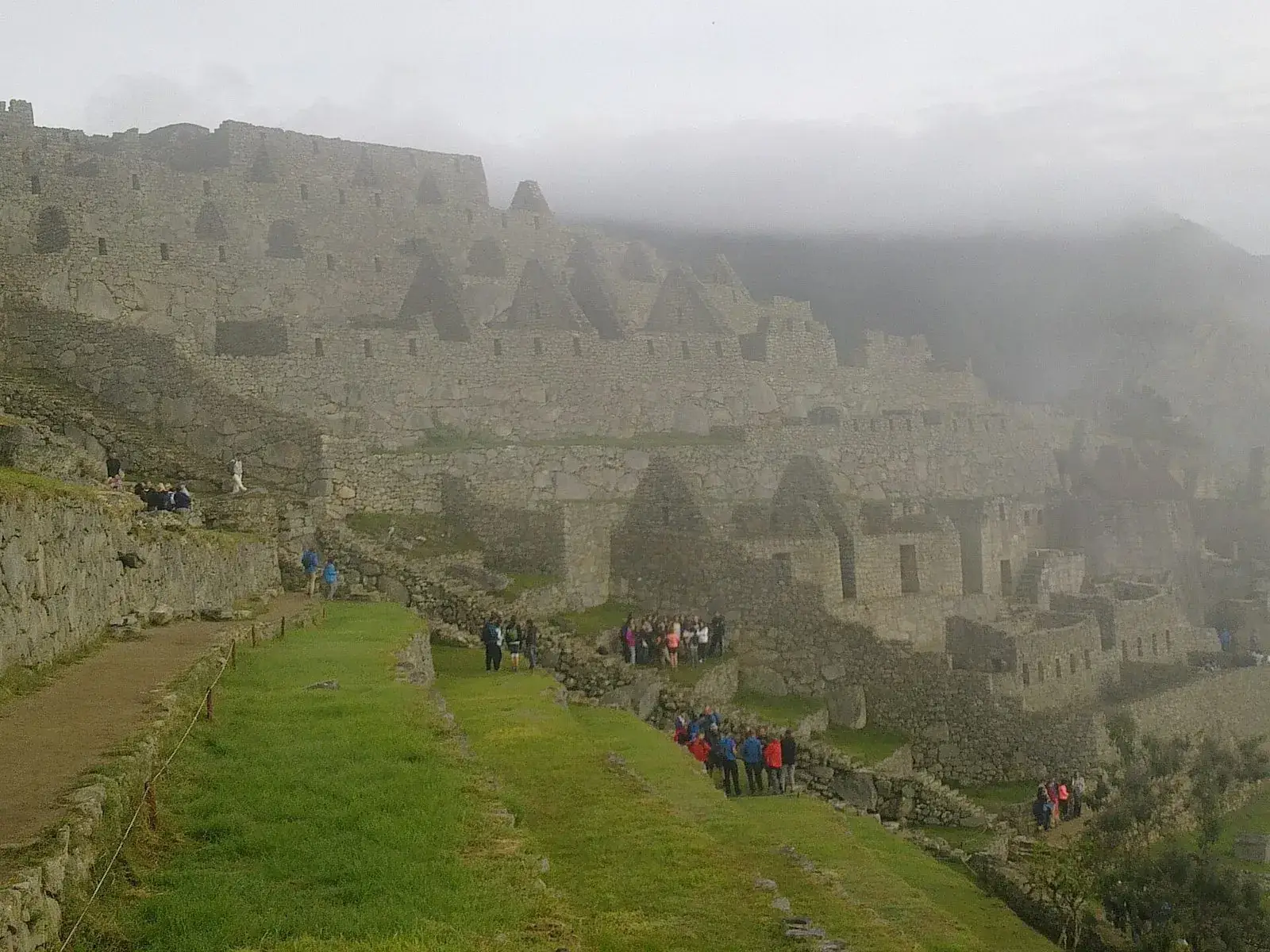
The rainy season brings green hillsides, fewer visitors and easier availability for tickets and hotels. Machu Picchu in mist can be striking. The costs are real: rain can cancel or shorten activities, trails are muddy, views may be hidden for days, and landslides can close roads and, at times, the railway. The Inca Trail closes in February for maintenance.
Flexibility is the key. If your plan has one fixed day for Machu Picchu and one for the flight home, a bad day cannot be absorbed. If you have a spare day and good insurance, the rainy season can give a quieter trip. Weather that blocks a route explains what closures look like and how to plan around them.
The coast and the Amazon follow other rules
Travellers who plan around the Andean calendar sometimes forget the other regions. On the coast, the southern summer, roughly December to March, is sunny and warm, with beaches at their best, while the winter months are cooler and often covered by a grey layer of cloud. A trip in July that includes Lima and Paracas may be bright in Cusco and dull on the coast.
The Amazon has a wetter and a drier period, but rain can occur in any month. The drier months make river levels lower and some trails easier, while the wetter months raise the water and change which routes are possible. Pack for rain whatever the month. The comparison of where to go in the Amazon says more about the regions.
The shoulder months
April, May, October and early November sit between the seasons. In April the countryside is still green and the rains are fading; in May the skies clear and the crowds have not yet peaked. In October and early November the dry season is ending, and afternoon storms begin to return, but the sites are less crowded than in July and August.
These months are often the best compromise for a traveller who wants reasonable weather without the biggest queues. They are not risk-free, since the first rains can arrive early or the last ones can linger, but the trade is usually fair. The best time for Machu Picchu goes into more detail about the choices month by month.
Choosing between them
Choose the dry season if views, hiking and reliability matter most and you can book early. Choose the rainy season or the shoulder months if you prefer fewer people, can accept some risk and have time in hand. The shoulder months of April, May, October and early November often give a good compromise.
Whatever the season, pack layers and a rain jacket. Mountain weather changes within hours, and even the dry season has cloud. If your dates are fixed by work or school, choose the route to match: a lighter itinerary with fewer overland legs for the rains, and a trek or a high excursion in the dry months.
What to pack and plan for each season
In the dry season the key items are warm layers for the mornings and nights, sun protection for the days, and a good sleeping bag if you trek. In the rainy season the key items are a waterproof jacket, quick-drying clothes, waterproof boots and a cover for your bag. Both seasons call for a hat, sunglasses and sunscreen, because the sun at height is strong.
For the plan, the dry season calls for early bookings, and the rainy season for spare days and flexible tickets. Check the cancellation terms of hotels and tours before paying, since they are often more important in the wet months. The monthly weather gives the detail for each month.
Frequently asked questions
Is the rainy season too wet to visit Machu Picchu?
It is possible and quieter, but views can be hidden and travel is less predictable.
When is the Inca Trail closed?
It closes for maintenance in February.
What about the coast?
Lima is sunnier in the southern summer and grey and damp in winter, the reverse of the mountains.
Which month is best overall?
May is often cited, because the rains have ended and the crowds have not peaked. October is a good alternative. Both are shoulder months with some weather risk.
Is it cold at night in the dry season?
Yes. In the Cusco region nights can fall below freezing in June and July, and many hotels have limited heating. Bring warm layers and ask about heating when you book.
Are flights more likely to be delayed in the rainy season?
Low cloud and storms can delay mountain flights in any season, but the rainy months bring more disruption. Take morning flights and keep a spare day before an international departure.
Is the Amazon better in the dry season?
The drier months make travel easier, with lower rivers and fewer downpours, but the rainforest can be visited all year.