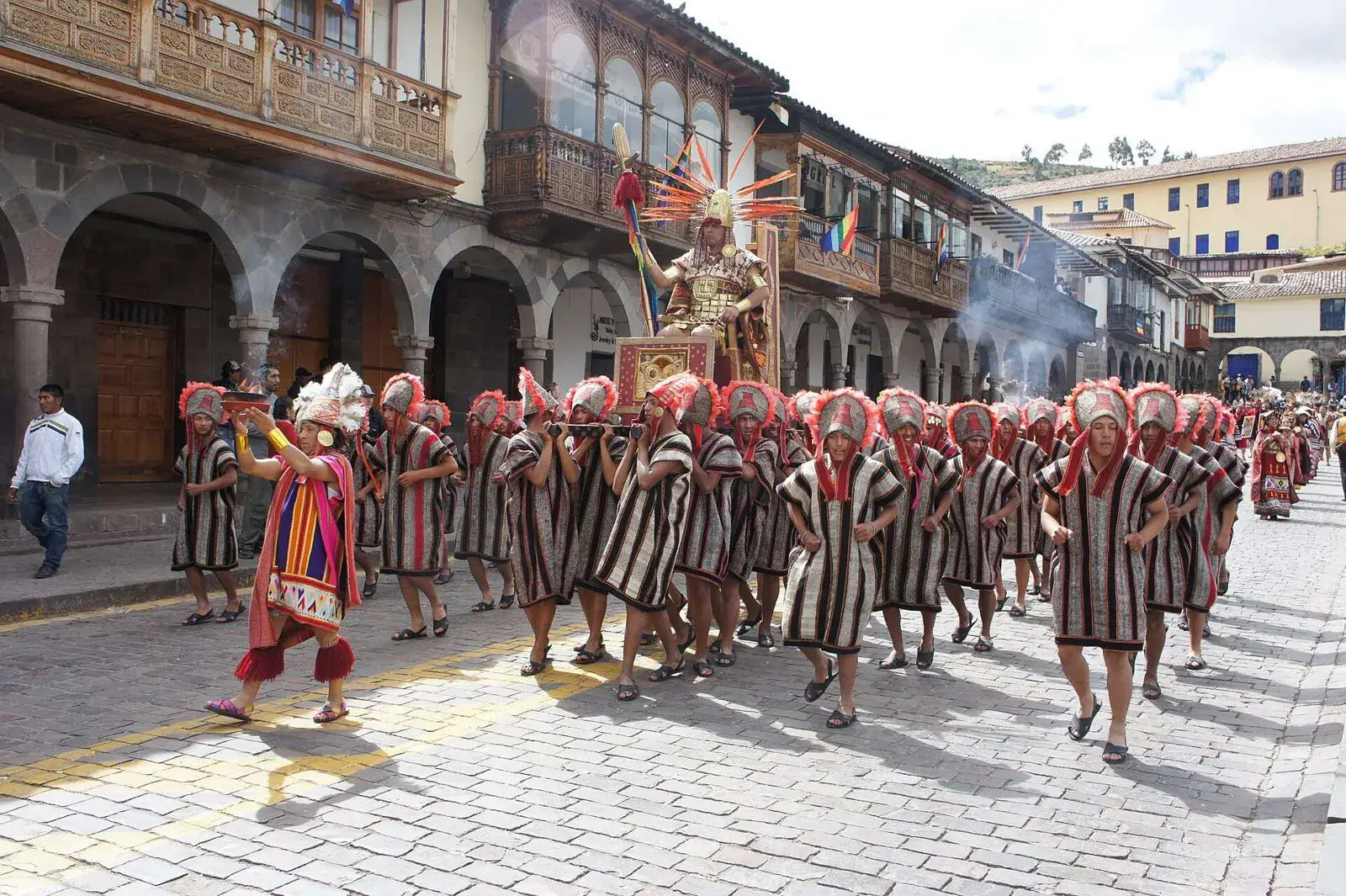
Peru's biggest travel-affecting dates are Holy Week, Inti Raymi in Cusco on 24 June, Fiestas Patrias on 28 and 29 July, and Christmas and New Year. Local festivals are also worth planning for. Book hotels, trains and transport well ahead, since the dates of many movable festivals change each year.
National holidays and long weekends
Peruvians travel domestically during national holidays, which fills buses, trains and hotels in popular places and can raise prices. The main dates are New Year's Day on 1 January, Holy Thursday and Good Friday (movable), Labour Day on 1 May, Saints Peter and Paul on 29 June, Independence Day on 28 July with the following day also a holiday, Santa Rosa de Lima on 30 August, the Battle of Angamos on 8 October, All Saints on 1 November, the Immaculate Conception on 8 December and Christmas Day. The government sometimes moves days or adds bridge holidays.
Banks, offices and some shops close on public holidays, and cash machines may run low. Plan a cash reserve, as the money suggests.
Festivals worth planning around
Inti Raymi, the Festival of the Sun, is held in Cusco on 24 June and fills the city with processions and a ceremony at Sacsayhuamán. Tickets for the main viewing areas are limited, and accommodation sells out and rises in price, so book early.
Carnival in February brings water and paint throwing in many towns, which is fun but wet. The Virgen de la Candelaria festival in Puno, also in February, is famous for its dancing and music. Corpus Christi in Cusco, in the weeks after Easter, brings out saints' statues in procession. Qoyllur Rit'i is a pilgrimage in the mountains near Cusco around the time of Corpus Christi. The Lord of Miracles processions in Lima in October fill the streets in purple. Todos los Santos on 1 November and the days around it are family days at cemeteries.
Many smaller local festivals with dancing, bands and fireworks take place across the year, often tied to a village's patron saint.
Holy Week and Easter
Semana Santa is among the most important religious periods in Peru, and its dates move each year with Easter. Cities hold solemn processions, with the Ayacucho celebrations the best known, drawing large numbers of Peruvian and foreign visitors, so accommodation there must be booked far ahead. In Cusco, a procession of the Lord of the Earthquakes on Holy Monday is a local tradition.
Many shops close on Holy Thursday and Good Friday, alcohol sales can be restricted in some places, and long-distance buses are crowded. If you are not interested in the ceremonies, consider routes with less pressure, but know that the week also coincides with the end of the rainy season in the Andes, when the landscape is green. For how the weather pattern fits around these dates, see dry season.
Fiestas Patrias and the winter peak
Independence celebrations on 28 and 29 July coincide with school holidays and the middle of the dry season, so they are among the busiest weeks of the year. Parades, fireworks and family trips fill Lima and many other places, and the Machu Picchu circuits are crowded, as the crowds explains.
Book flights, trains, permits and rooms months ahead for this window, and avoid overland journeys on the first and last days of the break. If your dates are flexible, travelling just before or after the holiday week gives similar weather with easier availability. Prices for tours and accommodation usually peak during the holiday, so compare options early.
Festivals beyond Cusco and Lima
Regional calendars are rich. In the Amazon, the feast of San Juan in late June is celebrated with food, music and river outings. Along the north coast, local celebrations include horse displays and dances. In the southern highlands, villages mark their patron saints with weeks of music, dance competitions and communal meals.
Some of these events are pilgrimages in remote terrain, and others are large urban parades. Ask your guide or hotel about what is on during your visit, since a village fiesta can be a highlight but can also make transport and rooms scarce. Photograph respectfully, as the etiquette advises, and avoid pushing into processions.
Practical tips
Expect crowds, closures and noise. Arrive early, book tours and trains before the holiday window, and avoid travelling overland on the first and last days of a long weekend. Respect the religious meaning of processions, ask before photographing people in costume, and keep your valuables safe in crowds.
Festivals can overlap with strikes or unrest only rarely, but disruptions to transport on holiday weekends are common, so keep a day of slack, as the strikes and blockades suggests. Check noise and fireworks if you are a light sleeper, and request a room away from the main plaza.
Frequently asked questions
When is Inti Raymi?
On 24 June each year, in Cusco. Book accommodation and tickets well in advance.
Is it a bad time to travel during Fiestas Patrias?
Not bad, but busy. Transport and hotels fill up, so book ahead.
Do shops close on holidays?
Many do, especially on religious days. Cash and a flexible plan help.
When is Carnival in Peru?
In February, in the days before Lent. The exact dates move each year, and the celebrations range from water fights in towns to organised parades.
Is Holy Week a good time to visit?
It is culturally rich but busy, with processions, crowded buses and closed shops. Book early and expect the biggest crowds in Ayacucho and Cusco.
Does Machu Picchu close on public holidays?
Machu Picchu normally stays open, but tickets sell out faster and crowds are larger. Check the tickets and your operator for the dates you plan.
Are there festivals in the Amazon?
Yes. The feast of San Juan in late June is a major celebration in the Peruvian Amazon, with food and river events, and many towns hold their own patron saint days.