Peruvians are generally warm and polite, and a greeting goes a long way. Say buenos días when entering a shop, ask before photographing people, dress sensibly at churches and rural communities, and treat archaeological sites as places of cultural importance. Relaxed attitudes to time are normal, so patience and humour help.
Greetings and everyday manners
Greet people when you enter a shop, restaurant or lift: buenos días, buenas tardes or buenas noches. A handshake is common between men and women meeting for the first time, and a single kiss on the cheek is a usual greeting among friends, particularly for women. Using señor, señora or señorita with courtesy is appreciated, and "por favor" and "gracias" are always welcome. See Spanish phrases for the basics.
Punctuality is flexible in social settings, though tours, trains, flights and treks start on time. Queues are not always strict in markets and bus stations, so stay good-humoured. Public displays of anger are not well regarded; a calm, polite request usually gets a better result.
Photography and people
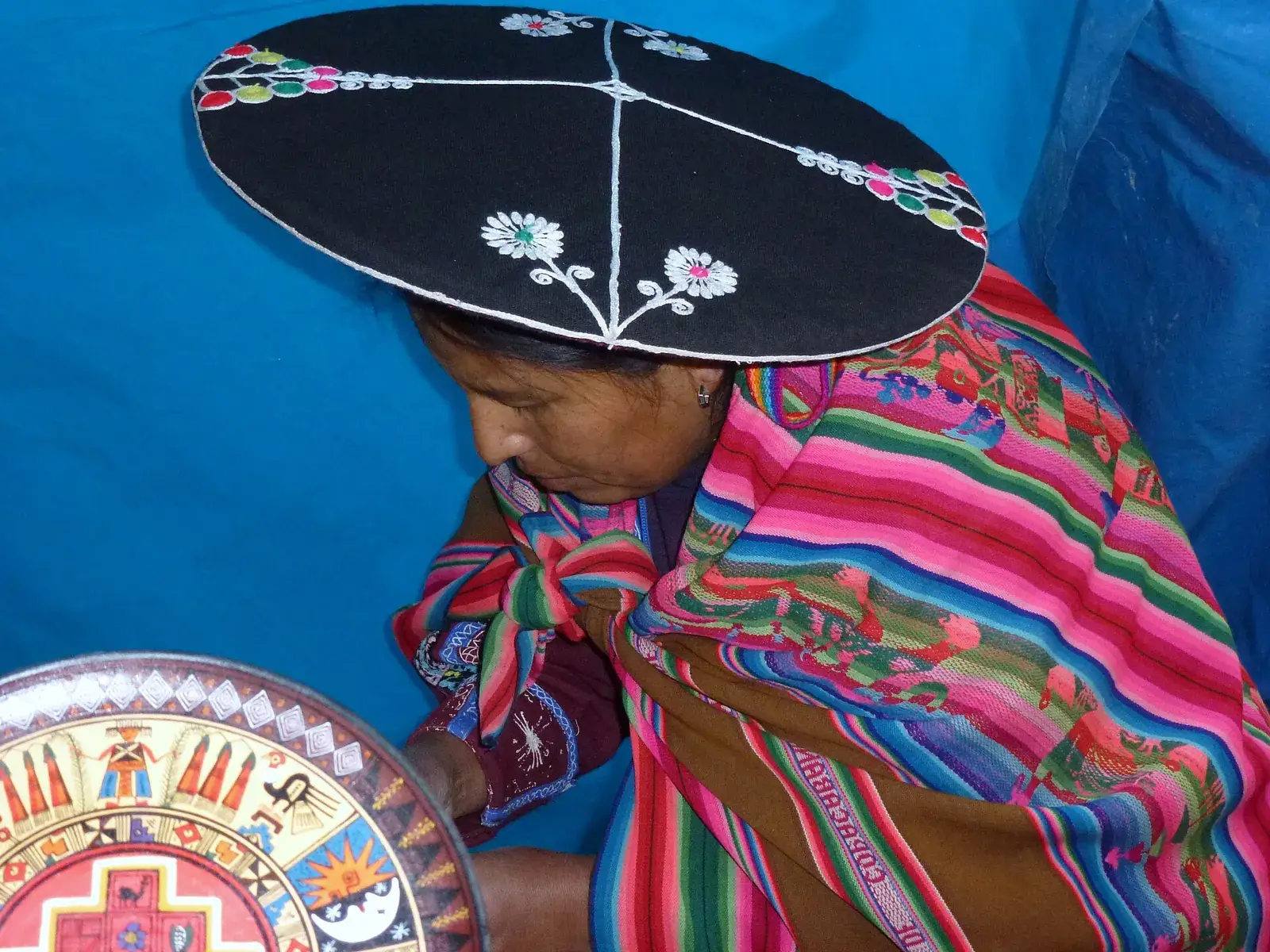
Ask before photographing people, especially in markets, villages and in the Andean communities where people in traditional dress pose for tips. Some women and children in Cusco and around the Sacred Valley are used to tourists and expect a small payment for a photograph; others do not wish to be photographed at all. Agree on the arrangement before you take the picture, and take no for an answer.
Do not photograph military or police installations. At churches, some museums and certain archaeological sites, photography or flash is restricted. Look for signs and follow guards' instructions. At festivals, avoid pushing between the participants and your camera lens, as also noted in festivals.
Dress, sacred sites and communities
Dress is casual in most tourist areas, but modest clothing is appropriate for churches, and covering shoulders and knees is a courteous default. On the coast and in cities, shorts and beachwear are fine in the right place.
Archaeological sites are cultural heritage and in some cases still hold ceremonial meaning. Do not climb walls, touch carvings or take stones. Local communities host visitors on Lake Titicaca and in the Andes; ask your guide about local customs, bring appropriate gifts such as school supplies or fruit if suggested by the community rather than sweets or money handed to children, and stay on paths.
Coca leaves are part of Andean culture. Coca tea is widely drunk, and leaves are offered in ceremonies. Treat it respectfully and be aware of rules on taking coca products out of Peru.
Haggling and buying
Haggling is normal in craft markets and with street sellers, but not in shops with fixed prices, restaurants or supermarkets. Be friendly, start below what you will pay, and do not offer a price you do not intend to honour. A few soles are a lot to a seller, so bargain fairly. See souvenirs to understand what is worth buying and how to judge quality.
Markets such as San Pedro in Cusco are good places to practise a few words of Spanish with vendors. A friendly exchange often leads to a better experience than a hard bargain, and it is not rude to walk away if the price is too high.
Visiting communities and islands
Visits to Andean villages and to lake islands such as Taquile are arranged with local hosts, and the best experiences come when you follow their lead. Ask the guide how to greet people, whether photography is welcome and what the host family appreciates. Accept food and drink politely, even if you only taste it, and thank the host.
Do not hand out sweets or money to children, which encourages begging and can disrupt school attendance. If you want to contribute, buy crafts, pay fair prices for meals and activities, and ask the community or your operator about projects they run. Use the responsible travel for more on choosing operators.
Table manners and social situations
If you are invited to a home or a meal, arrive roughly on time but expect things to start later. Bring a small gift such as fruit, sweets or something from your home country. Say "buen provecho" before eating, wait for the host to begin if the group is formal and compliment the cooking. Finishing most of what is served shows appreciation.
Toasts are common, and refusing a drink politely is accepted. Do not touch food in shared dishes with your hands unless others do. At restaurants, getting the waiter's attention is done by eye contact or a polite wave, and the bill must usually be requested, since it is not brought automatically. For tips, see tipping.
Gender, language and sensitive topics
Peru is socially diverse, with differing attitudes in cities and rural areas. Visitors are best advised to avoid discussing politics, terrorism of past decades or inequality in a confrontational way, and to listen rather than lecture. Questions about family, food and your journey are friendly starters.
Women travelling alone sometimes receive unwanted attention, such as comments or calls in the street; a firm, calm response and continuing to walk is usually enough. See solo female for practical habits. Learn the names of places in Peru correctly, including accents, and use "Cusco" and Quechua place names respectfully. Avoid calling Andean people "Indians", and refer to them as Peruvians, Andean people or by their community.
Frequently asked questions
Is it rude to say no to a seller?
No. A polite no gracias is normal.
Can I take photos of people in traditional dress?
Ask first. In tourist areas a small payment may be expected.
Is it OK to chew coca leaves?
Chewing and tea are common in the Andes, but rules on taking coca products home vary by country.
What should I wear to a church in Peru?
Modest clothing, with covered shoulders and knees, and remove your hat. Some churches forbid photography or flash, so look for signs.
Is it appropriate to give gifts to children?
It is better not to hand out sweets or money. If you wish to help, ask your guide about community projects or buy goods and services from local families.
How do I bargain without causing offence?
Smile, greet the seller, offer a fair counter price and accept a compromise. If you cannot agree, thank them and walk away politely.
Do Peruvians mind if I speak English?
Not at all, but a few words of Spanish are warmly appreciated. In small towns and markets, very few people speak English.