Responsible travel in Peru comes down to a few choices: use operators that treat porters and guides fairly, spend with local businesses, respect communities and heritage sites, avoid wildlife attractions that exploit animals and keep your waste low. Ask operators how they work, and be wary of prices that seem too low to be fair.
Fair work on treks and tours
Treks depend on porters, cooks and guides, whose pay and conditions vary widely between operators. A very cheap trek often means a cost has been cut somewhere, and workers pay for it. Ask how many porters are used, whether they carry limited weights, what equipment and meals they receive, and how they are paid. Reputable operators explain these answers openly.
Permits and regulations on some routes, such as the Inca Trail, set limits on group sizes and porter loads, but they do not cover every trek. Tipping appropriately is part of the picture, as tipping explains, and for the questions to ask before you pay, see choosing an agency.
Spend where it counts
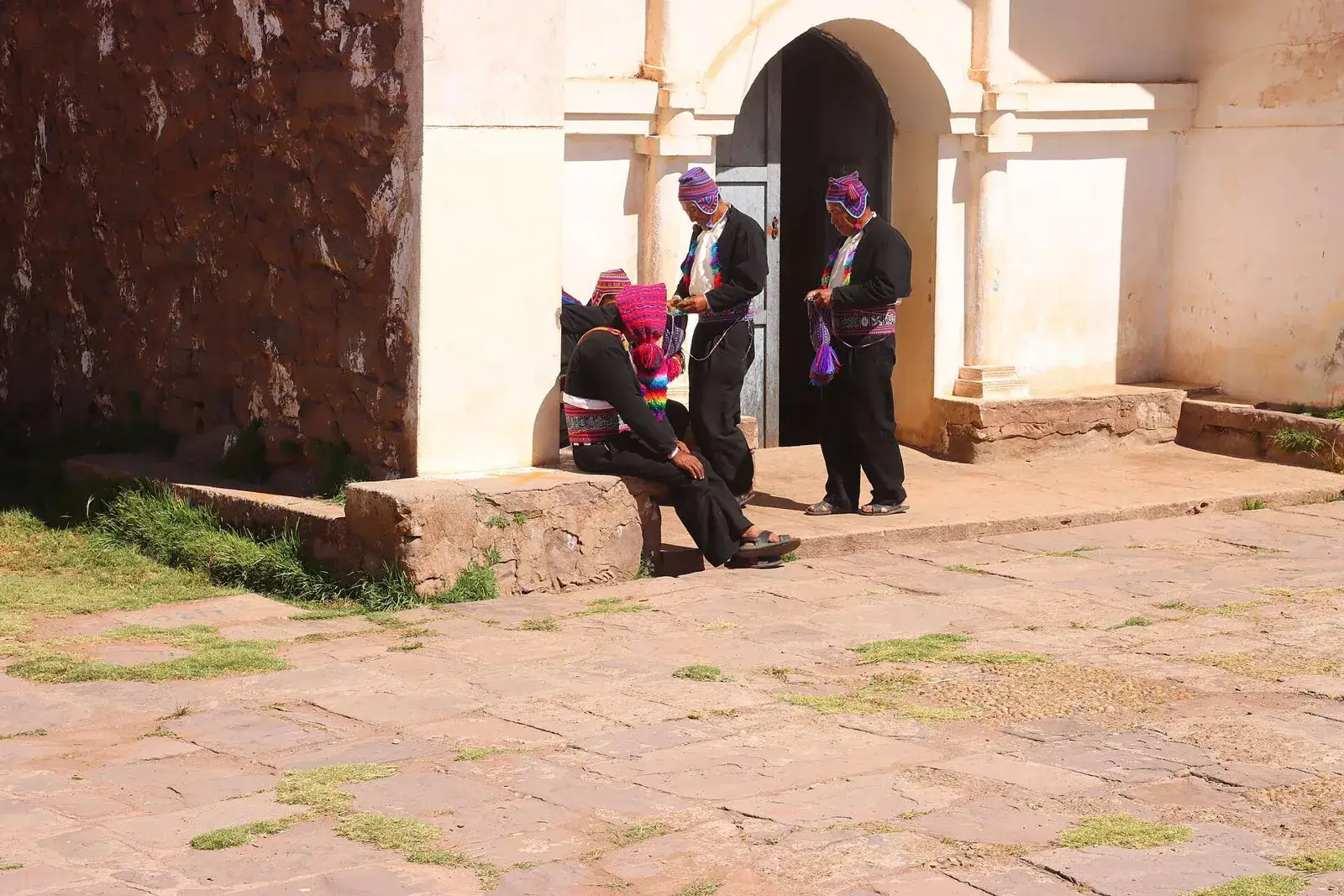
Eating in family restaurants, buying from artisans, hiring local guides and staying in locally owned hotels keeps more of your money in the area. Pay a fair price for crafts rather than bargaining to the last sol, and ask who made an item. When visiting communities, such as on the islands of Lake Titicaca, use arrangements that are organised by the community and share income between families rather than benefiting one business.
Be careful about gifts to children, which can encourage begging. If you want to contribute, ask your guide about an established school or community project, and give through that channel. For how to buy crafts that reach the makers, see souvenirs.
Wildlife, heritage and the environment
Avoid anything that involves handling, riding or photographing wild animals held for tourists, such as sloths, monkeys or caimans. Choose lodges and guides who watch wildlife from a distance, follow park rules and do not feed animals. Do not buy products made from wild animals, feathers, shells or plants that could be protected.
Stay on marked paths, keep to the site rules, and do not touch carvings, climb walls or take stones. Pack out your rubbish on treks, avoid single-use plastic where you can by carrying a bottle and refilling it, and use biodegradable soap away from water sources. In water-scarce places, short showers help.
Airline emissions are a large part of a trip's footprint. Fewer, longer stays and the use of trains and buses within Peru, where sensible, can lower the impact.
Crowds and fragile sites
Some places are close to their limits. Machu Picchu operates under ticket systems and circuits to manage numbers, and for how to visit at quieter times, which also improves the experience, see crowds. Choosing shoulder periods, less visited sites and smaller towns spreads the benefits and eases pressure on the best-known places.
At fragile sites, such as lake islands, high-altitude wetlands and nesting areas, follow the instructions of guides and rangers. Keep voices low, avoid drones where they are banned, and do not leave anything behind. Visiting early or late in the day, and considering alternatives such as Choquequirao, can reduce the load on busy routes.
Amazon lodges and protected areas
In the rainforest, the choice of lodge matters. Ask whether it employs and trains local people, supports a community or conservation project, treats waste and water properly and works within park rules. Visits to places such as Manu and Tambopata are managed through permits and licensed operators for good reason, because the ecosystems are vulnerable.
Take only photographs, keep to trails, and avoid buying wildlife products or live animals. Use biodegradable toiletries, and do not feed animals, since it changes their behaviour and can cause injury. Ask guides how they deal with other visitors who break the rules, and report irresponsible behaviour to the operator.
Plastic, water and waste
Waste management is limited in many areas, and plastic bottles accumulate in towns and on trails. Carry a reusable bottle and refill it where hotels, cafés or tour operators offer treated water, as long as the water is safe, as the water and food explains. Refuse unnecessary bags and straws, and pack out everything you carry in on treks.
Dispose of toilet paper and sanitary products properly, in bins where they exist or carried out in a bag on the trail. If you see rubbish, picking up a few items is a small gesture. Choose accommodation that treats its waste and avoids single-use items, and ask operators about their policies.
Photography, consent and respect
Ask before photographing people, and respect a refusal. Avoid paying for staged photographs with children, which can keep them out of school, and avoid posting photos of people that could identify or embarrass them. Do not enter homes or ceremonies without an invitation.
Read the etiquette for greetings and customs, and learn a few words of Spanish or Quechua. Respect is the foundation of responsible travel: listening to hosts, accepting their rules and recognising that you are a guest. Share your experience honestly, and give feedback to operators who treated people well or badly.
Frequently asked questions
How can I check whether a trek operator is fair?
Ask about porter loads, pay, equipment and meals. Good operators answer clearly.
Should I give sweets or money to children?
No. Give through a school or community project, on your guide's advice.
Are wildlife photo opportunities okay?
Avoid those where animals are held, handled or fed for tourists.
Is it responsible to visit Machu Picchu?
Yes, when you use the official ticket system, follow site rules, choose a reputable operator and consider quieter times. Visiting also supports local jobs and conservation.
How can I reduce my plastic use in Peru?
Carry a reusable bottle, refill it from treated water, refuse extra bags and straws and pack out your waste on treks.
Is volunteering a responsible way to help?
Be careful. Short volunteering placements, especially involving children or orphanages, can do harm. Research programmes closely and prefer skills-based roles organised by established local groups.
What is a fair price for a craft?
One that gives the maker a decent return. Compare stalls, ask who made the item, and do not bargain to the point where the price becomes unfair.