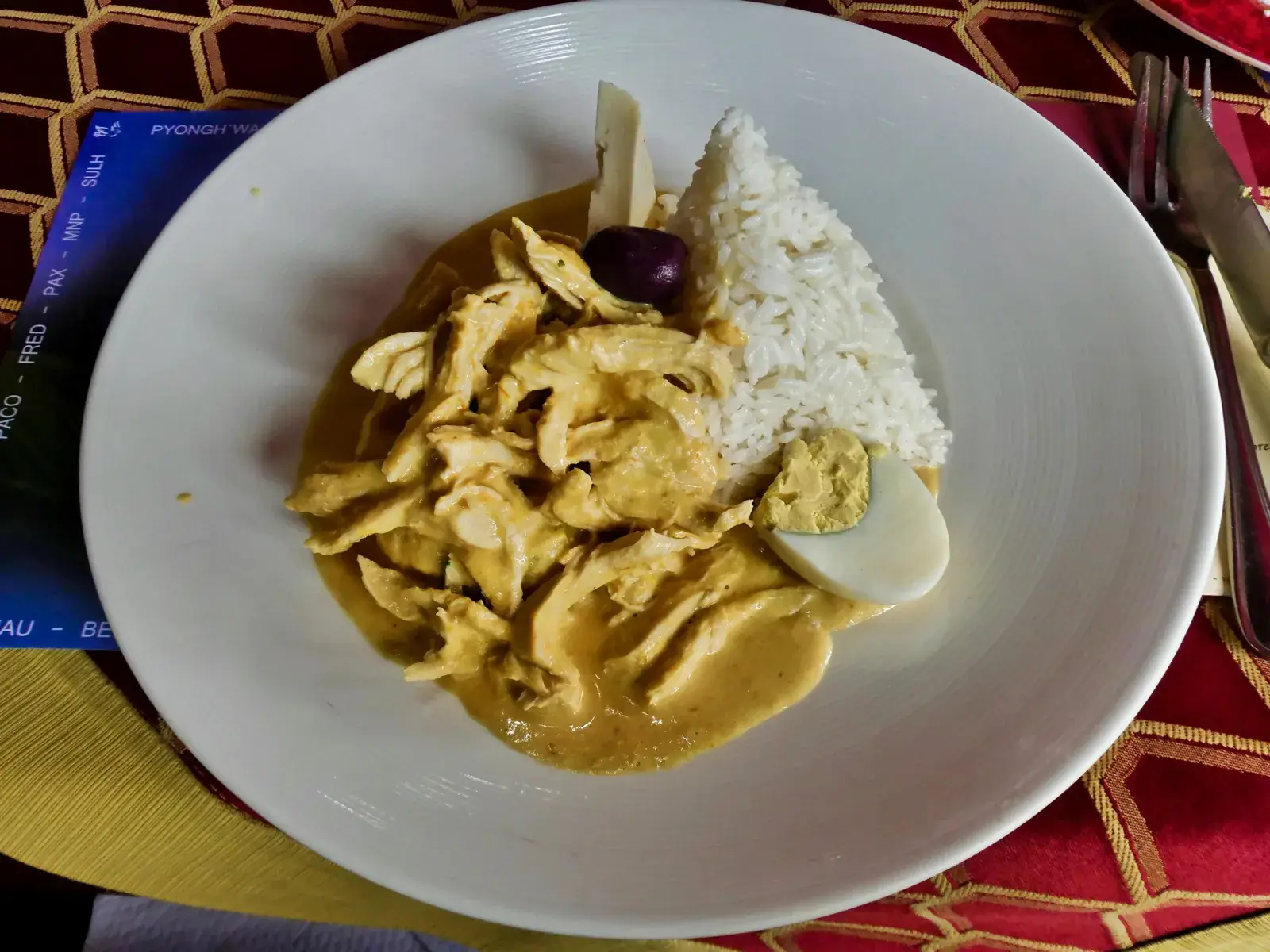
The usual advice for visitors is not to drink tap water in Peru and to use bottled, filtered or treated water instead, including for brushing teeth. Peruvian food is a highlight, and most travellers eat widely and well. Choose busy places with fresh, hot food and wash your hands. This is general information; ask a doctor for advice on your own situation.
Drinking water
Tap water in Peru is generally not considered safe for visitors to drink. Stay with sealed bottled water, filtered water or water treated by a method recommended by health authorities. Ice in drinks is a question mark in small places; in good restaurants it is usually made from purified water, and you can simply ask.
Hotels often provide drinking water, and many have refill stations. Carrying a reusable bottle with a filter or using refill points reduces plastic waste, which matters because bottles pile up quickly in places without recycling. At altitude you should drink more than usual, so plan a reliable source; see altitude to understand why.
Eating in markets, restaurants and on the street
Food poisoning is more often about handling than about the cuisine itself. Prefer places with a high turnover of customers, where food is cooked to order and served hot. Street grills such as anticuchos are popular, and a busy stall with a queue of locals is a reasonable sign.
Raw salads and unpeeled fruit washed in tap water are a classic risk. Peeled fruit and cooked vegetables are safer. Ceviche is made with fresh fish cured in lime and is eaten at lunchtime in Peru, when the fish is freshest, and traditional ceviche restaurants often close in the afternoon for this reason. Choose well-regarded places and avoid it in doubtful ones.
Juices, dairy and ice cream depend on the vendor. In markets, fresh juice made in front of you is a pleasure, but ask for no added water or ice if you are unsure.
Habits that help
Wash your hands or use sanitiser before meals, since this is among the most effective measures. Introduce rich food gradually in the first days, especially at altitude, where digestion can slow. Alcohol and heavy meals do not mix well with thin air.
Carry basic items for upset stomach as advised by your doctor, plus oral rehydration sachets. Tell the kitchen about allergies in Spanish, and take care with dishes made with nuts, shellfish or hidden ingredients. In the Amazon, ask your lodge about their water practices. See health and vaccines for wider topics to raise with a clinic.
Guinea pig, offal and other adventurous dishes
Peruvian cuisine includes dishes that surprise visitors, among them roast cuy, grilled heart skewers and tripe soups. These are normal local food, and risk depends on cooking and freshness. Ask for dishes to be served hot and well cooked, and pick places with plenty of local customers.
Highland markets serve large, cheap set lunches that are a good way to eat like a local. Start with simple soups and grills while your stomach adjusts. If you are a vegetarian, see vegetarian food to understand how to ask for what you want, since meat stock is common in soups and sauces. Lima has the widest choice for varied diets.
Buying and preparing your own food
Markets sell excellent fruit, and a picnic of bread, cheese and peeled fruit is an easy way to save money. Wash produce with safe water, peel what you can and avoid cut fruit that has been sitting in the sun. Keep perishable food cool, especially in lowland and coastal heat.
If your accommodation has a kitchen, wash dishes with safe water and let them dry. Do not rely on ice packs or restaurant leftovers for long journeys. For treks, the agency usually provides meals and boiled water, so ask about their practices before you book, and bring snacks for energy and for any special diet.
Water on treks and in the jungle
Streams on trails look clean, but livestock and people live upstream, so treat water from natural sources by a method that a health authority recommends: boiling, a filter rated for bacteria and protozoa, or chemical treatment as the manufacturer directs. Agencies supply boiled water on the main treks, and cooks usually refill bottles each morning.
In jungle lodges, ask whether the drinking water is filtered, boiled or bottled. Do not swim in stagnant water, and ask your guide before entering rivers, since parasites and wildlife are possible. See responsible travel to understand how to reduce plastic waste on the trail.
Frequently asked questions
Can I brush my teeth with tap water?
Many travellers use bottled or filtered water for this too, as the usual advice is to avoid tap water.
Is ceviche safe?
At reputable places that serve fresh fish at lunchtime, it is widely eaten by visitors. Use judgement and avoid it where fish freshness is doubtful.
Are fresh juices safe?
Usually, if made from washed fruit without added tap water or ice of unknown source.
Is it safe to eat salad in Peru?
Salads washed in tap water carry some risk. In good restaurants kitchens usually use treated water, but if you are unsure, choose cooked vegetables for the first days.
What should I do if I get diarrhoea?
Rest, drink plenty of safe fluids and use oral rehydration sachets if your doctor recommends them. See a doctor if it is severe, bloody, lasts more than a couple of days or comes with fever.
Is street food worth the risk?
For most travellers it is a highlight. Pick busy stalls with food cooked in front of you and served hot, and avoid anything that has been sitting out.
Are water purification tablets worth bringing?
They can be a back-up on treks. Follow the maker's instructions and ask a doctor or clinic about the best method for your trip, as suitability varies.